
Executive Overview
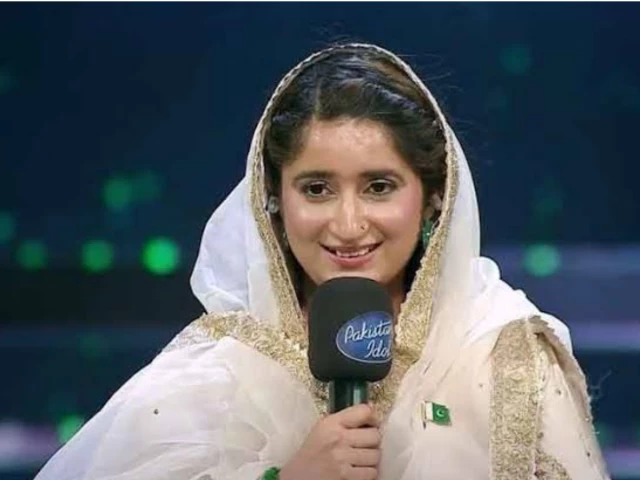
In a television event that captivated millions of households across the nation, Faisalabad native Hira Qaiser was officially crowned the winner of Pakistan Idol 2026. Besting a fiercely competitive field of extraordinary vocalists, Qaiser claimed the prestigious title alongside a life-changing cash prize of Rs1.5 million during a glittering grand finale held on Sunday.
The climax of the season was as emotional as it was triumphant. Taking to the stage to accept her winning plaque, Qaiser was visibly overcome with tears—holding her baby boy in her arms in an unforgettable moment of maternal grace and artistic validation. Her journey from a modest, middle-class household in Faisalabad to the pinnacle of Pakistan’s premier singing competition is a testament to raw talent, unyielding perseverance, and the democratizing power of music-driven reality television.
Broadcast in collaboration with Express Entertainment, the grand finale was not merely a competition conclusion; it was a celebration of South Asian musical heritage and contemporary pop culture. The stage radiated star power, featuring a celebrated panel of judges and industry icons—including global luminaries Rahat Fateh Ali Khan, Atif Aslam, Bilal Maqsood, Zeb Bangash, and acclaimed actor Fawad Khan—who joined the newly crowned champion on stage amidst cascading confetti and roaring applause.
Read Also
While Qaiser ultimately took home the grand prize, the evening also honored the formidable talents of fellow finalists Maham Tahir, Waqar Hussain, Tarab Nafees, Samya Gohar, and Aryan Naveed Bhatti. Each runner-up was awarded a substantial Rs500,000 in recognition of their exceptional journeys throughout the season. Pakistan Idol 2026 has once again underscored the immense, untapped musical reservoir present within the country’s youth, cementing its place as a cornerstone of modern Pakistani entertainment.
Detailed Chronology: The Road to the Finale
The Genesis of a Dream
The journey of Pakistan Idol 2026 began months prior, drawing tens of thousands of hopeful aspirants from metropolitan hubs, historic towns, and rural outposts alike. Among them was Hira Qaiser, an ordinary homemaker and mother from Faisalabad whose extraordinary vocal abilities quickly set her apart from the preliminary auditions. Hailing from a middle-class background, Qaiser navigated the grueling audition phases, theatre rounds, and weekly performance galas while balancing the profound responsibilities of early motherhood.
Throughout the competition, Qaiser’s performances consistently evolved. She transitioned from a traditional regional vocalist into a versatile contemporary artist capable of navigating complex classical compositions, soul-stirring ballads, and high-energy pop numbers. Her ability to infuse genuine emotional resonance into every lyric resonated deeply with viewers, creating a dedicated fan base that carried her safely through successive weeks of public voting.
The Grand Finale: A Night of High Stakes
As the studio doors opened for the Sunday grand finale, the atmosphere was thick with anticipation. The final episode was structured to test the remaining contestants’ mettle one last time before the public vote lock.
The evening’s proceedings were anchored by charismatic host Shafaat Ali, whose comedic timing and steady hand kept the high-pressure environment grounded. As the finalists delivered their marquee performances, it became increasingly clear that the competition was razor-thin.
- Maham Tahir (Khanpur) brought traditional folk nuances with a modern sensibility.
- Waqar Hussain and Tarab Nafees (Karachi) showcased the rich, eclectic musical pedigree of Pakistan’s largest coastal metropolis.
- Samya Gohar (Lahore) delivered ethereal, melody-driven performances that highlighted her classical training.
- Aryan Naveed Bhatti (Dera Ghazi Khan) captivated audiences with his powerhouse range and emotive delivery.
However, it was Hira Qaiser’s final performance that permanently tipped the scales. Taking on a challenging composition originally by Mekaal Hasan, Qaiser demonstrated peerless vocal control, immaculate pitch, and a commanding stage presence. Her rendition drew immediate, visible praise from the judges’ panel, with Atif Aslam notably rising to applaud her interpretation and technical execution.
The Emotional Crown
As the final votes were tallied and verified, the studio fell into a tense hush before Shafaat Ali announced Hira Qaiser as the winner of Pakistan Idol 2026. The emotional dam broke instantly. Walking onto the stage with her baby boy cradled against her shoulder, Qaiser accepted the winner’s plaque, her tears mingling with the confetti raining down from the ceiling.
The stage quickly flooded with fellow contestants, the production crew, and the star-studded panel of judges. Rahat Fateh Ali Khan, Atif Aslam, Bilal Maqsood, Zeb Bangash, and Fawad Khan rushed forward to embrace the new champion, offering heartfelt congratulations in a powerful display of industry solidarity and mentorship.
Visibly overwhelmed, Qaiser stepped up to the microphone to address the nation. "I have no words," she articulated, her voice trembling with emotion. "I want to say my heartfelt thanks to Pakistan Idol. I am very, very happy."
Supporting Context & Metrics: The Scale of the Triumph
Production Scale and Broadcast Reach
The success of Pakistan Idol 2026 cannot be overstated. By partnering with Express Entertainment, the production team ensured that the show penetrated deep into urban and rural households alike, bridging demographic divides through the universal language of music. The strategic broadcast alliance amplified television ratings, trending consistently across major social media platforms throughout the season’s run.
Financial Stakes and Recognition
The financial backing of this season reflects the high commercial value placed on nurturing raw artistic talent in Pakistan today:
- Grand Prize: Rs1.5 million awarded to Hira Qaiser.
- Finalist Recognition: Rs500,000 awarded to each of the remaining top finalists (Maham Tahir, Waqar Hussain, Tarab Nafees, Samya Gohar, and Aryan Naveed Bhatti).
These figures represent more than monetary compensation; they serve as foundational seed capital for these young artists to establish professional recording studios, invest in vocal training, and launch independent music careers.
Demographic Breakdown of Finalists
The geographical diversity of the Pakistan Idol 2026 grand finalists highlights the decentralized nature of modern Pakistani talent discovery:
| Contestant Name | City of Origin | Musical Strength / Genre Focus |
|---|---|---|
| Hira Qaiser | Faisalabad | Contemporary Pop, Semi-Classical, Emotional Ballads |
| Maham Tahir | Khanpur | Folk, Traditional Melodies |
| Waqar Hussain | Karachi | Modern Urban Pop, Fusion |
| Tarab Nafees | Karachi | Classical, Ghazal Interpretation |
| Samya Gohar | Lahore | Sufi, Melodic Orchestral |
| Aryan Naveed Bhatti | Dera Ghazi Khan | High-Range Power Ballads, Regional Folk |
Official Statements and Industry Reactions
The crowning of Hira Qaiser elicited an outpouring of praise from the music industry’s elite, many of whom witnessed her growth firsthand from the judges’ and mentors’ chairs.
Atif Aslam, speaking to the press immediately following the broadcast, remarked on Qaiser’s unique artistic trajectory:
"What we saw in Hira tonight—and throughout this entire season—is the rare intersection of raw natural gift and unrelenting discipline. She didn’t just sing the notes; she understood the soul of every composition she tackled. Coming from Faisalabad with no formal industry pedigree, she walked onto this stage as an ordinary mother and walked off as an extraordinary artist. The Pakistani music industry is richer for having her."
Iconic Qawwali and classical maestro Rahat Fateh Ali Khan emphasized the importance of platforms like Pakistan Idol in preserving and evolving the nation’s musical heritage:
"The standard of vocal execution this season has been exceptionally high. When you look at finalists from Khanpur, Dera Ghazi Khan, Karachi, and Lahore, you realize that Pakistan’s cultural heartbeat remains remarkably strong. Hira’s victory is a win for every aspiring artist who believes that dedication matters more than background."
Actor and cultural figurehead Fawad Khan praised the emotional depth of the finale:
"Music has always been the truest reflection of our collective emotions. Seeing Hira accept this award with her child in her arms is an iconic television moment that will be remembered for years. It speaks volumes about the changing face of our entertainment industry—one that rewards talent above all else."
Future Outlook: What Lies Ahead for Hira Qaiser and Pakistani Music
The conclusion of Pakistan Idol 2026 marks not an end, but a dramatic beginning for its participants. For Hira Qaiser, the transition from reality television contestant to professional recording artist brings both immense opportunity and rigorous professional demands.
The Post-Idol Landscape
Historically, winners of high-profile singing competitions face the challenge of converting transient television popularity into sustainable, long-term commercial careers. However, the modern digital ecosystem—characterized by independent streaming platforms, digital distribution networks, and cross-border collaborations—offers unprecedented avenues for breakout stars.
Industry analysts predict that Qaiser’s middle-class Faisalabad background, combined with her relatable persona as a dedicated mother, will serve as a powerful marketing and cultural asset. Her appeal cuts across traditional demographic lines, positioning her ideally for mainstream playback singing in Pakistani cinema (Lollywood), independent Coke Studio-style collaborative projects, and international touring circuits catering to the global Pakistani diaspora.
Impact on Regional Talent Pipelines
The success of contestants from smaller cities like Faisalabad, Khanpur, and Dera Ghazi Khan sends a clear, encouraging signal to aspiring musicians across Pakistan’s secondary and tertiary urban centers. It dismantles the long-standing perception that a viable career in the entertainment arts requires metropolitan roots or established industry connections.
As production houses and media networks evaluate the soaring ratings and overwhelming public engagement of Pakistan Idol 2026, industry insiders anticipate increased investment in localized talent hunts, regional music festivals, and digital talent incubators.
For now, all eyes remain on Hira Qaiser. As she returns home to Faisalabad with Rs1.5 million in prize money, a glittering trophy, and the adoration of millions, the nation waits eagerly to hear the next chapter in the extraordinary musical journey of a remarkable new star.




Comments
Facebook App ID not configured. Please add it in the Customizer.