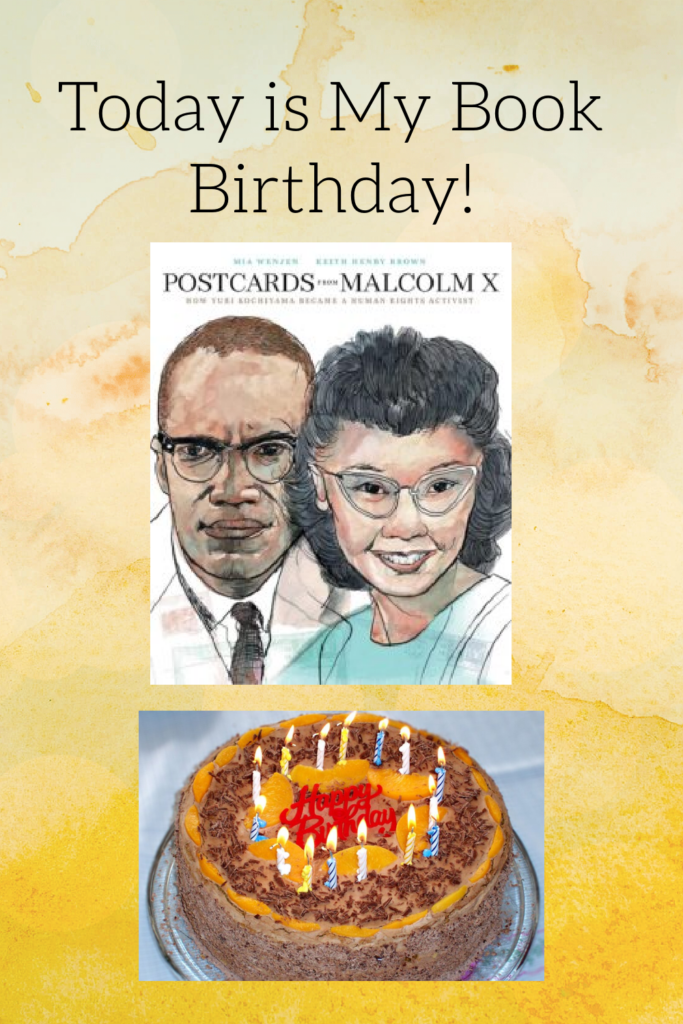
In an era where cross-cultural and cross-racial solidarity is more vital—yet often more elusive—than ever, author Mia Wenjen has delivered a timely and profound historical masterclass for young readers. Published by Red Comet Press and vividly illustrated by Keith Henry Brown, Postcards from Malcolm X: How Yuri Kochiyama Became a Human Rights Activist traces the remarkable evolution of an ordinary Japanese American woman who stepped onto the front lines of the American civil rights movement.
Targeting readers ages 7 and up, this picture book biography does not merely chronicle historical events; it deconstructs the anatomy of grassroots activism, intersectional alliance-building, and mentorship. Through accessible narrative framing, original source material—including actual postcards sent by Malcolm X—and evocative artwork, the book captures a unique chapter in American history. It explores how a chance encounter outside a Manhattan courthouse in 1963 sparked a transformative bond between two iconic figures from vastly different backgrounds, bound together by an uncompromising vision for equality and justice.
Detailed Chronology: From Small-Town California to the Heart of Harlem
To understand Yuri Kochiyama’s impact on human rights advocacy, one must examine the crucible in which her worldview was forged. Wenjen’s narrative carefully charts Kochiyama’s trajectory across several distinct historical phases:
Kochiyama’s early life in a small California town was defined by a sense of security and detachment from systemic oppression. As a high school student with strong writing abilities and natural journalistic instincts, she operated under the naive assumption that racism did not exist—simply because it had never directly impinged upon her daily life. Possessing exceptional social-emotional skills and a magnetic, people-first leadership style, she was primed for community engagement, though she lacked an analytical framework for structural inequality.
2. The Catalyst of World War II and Institutional Betrayal
The geopolitical shockwaves of World War II shattered Kochiyama’s bubble of innocence. Following the attack on Pearl Harbor, her family—like tens of thousands of Japanese Americans—was subjected to forced removal and confinement in American concentration camps. Compounding this trauma, her father died following a brutal interrogation and neglect by the FBI shortly after the family’s arrest. These state-sanctioned injustices served as a political awakening, steering Kochiyama toward active involvement within her community, including supporting Japanese American soldiers returning from war.
3. The 1963 Courthouse Encounter and the Harlem Movement
Relocating to New York City’s Harlem neighborhood thrust Kochiyama into the epicenter of the Black freedom struggle. In 1963, while attending a civil rights demonstration at a Brooklyn courthouse, she shook hands with Malcolm X. What began as a brief introduction blossomed into a deep, enduring mentorship. While Kochiyama was deeply committed to local activism, she initially struggled to identify the structural levers driving the oppression she witnessed. Malcolm X, renowned for his pedagogical clarity and mastery of political theory, demystified these complex dynamics, teaching her the fundamentals of systemic racism.
4. International Dispatches and Legacy
Recognizing Kochiyama’s dedication, Malcolm X promised to correspond with her during his upcoming international travels. True to his word, he sent her a series of poignant postcards from abroad. Following Malcolm X’s assassination in 1965, Kochiyama dedicated much of her life to preserving and propagating his teachings, developing educational curricula to introduce younger generations to his philosophy as a tribute to his enduring legacy.
Supporting Context & Metrics: The Anatomy of Intersectional Solidarity
The publication of Postcards from Malcolm X arrives at a critical juncture in children’s literature, aligning with a growing demand for nuanced, historically grounded portrayals of non-white activists.
Metric / Feature
Detail
Target Demographic
Young readers, ages 7 and up
Publisher
Red Comet Press
Key Creative Team
Written by Mia Wenjen; Illustrated by Keith Henry Brown
Primary Themes
Intersectional solidarity, civil rights history, cross-racial allyship, mentorship
Archival Elements
Original postcards from Malcolm X, extensive back matter, detailed historical timeline
Companion Works
Barbed Wire Between Us, Fortune Cookies for Everyone!, We Sing from the Heart
Wenjen notes that examining Kochiyama’s life provides a realistic template for overcoming the barriers that frequently fracture modern minority coalitions. Building cross-racial solidarity is rarely frictionless; when Kochiyama first approached Malcolm X, she faced skepticism and pointed questions regarding her motivations, given his status as a prominent civil rights leader.
Rather than retreating when met with suspicion, Kochiyama demonstrated the tenacity required of true allies: she repeatedly showed up, performed the unglamorous groundwork, and advocated for the community without demanding personal credit or validation. This historical precedent underscores that forging durable ties across ethnic divides demands immense emotional labor, perseverance, and a willingness to subordinate ego to collective liberation.
Authorial Insights and Perspectives
In reflecting on the motivations behind Postcards from Malcolm X, Mia Wenjen emphasizes the pedagogical necessity of highlighting historical models of cross-racial collaboration.
"For this book, I wanted to show intersectional, cross-racial solidarity as an example from the past that will hopefully inspire similar collaboration today and in the future," Wenjen explains. "It was important to me to show Yuri Kochiyama’s activity journey… She started as a naive ‘All-American’ who didn’t think racism existed. Her experiences during WWII burst that bubble, and her awakening as an activist began."
Wenjen highlights that Kochiyama’s unique skill set—honed through high school journalism and exceptional interpersonal intelligence—was instrumental in mobilizing communities. Furthermore, she points to Malcolm X’s unique gift for political education as the cornerstone of Kochiyama’s development:
"Malcolm X, she would state in her autobiography, was the person who taught her the most about activism. While she was an activist in her community in NYC’s Harlem area, she didn’t necessarily understand the levers that caused the racism she faced. Malcolm X understood structural racism and was a naturally gifted teacher who could make complicated concepts understandable."
Addressing the contemporary relevance of these dynamics, Wenjen concludes:
"I think this friendship is a realistic example of what it takes to cross racism barriers, even amongst minority groups fighting the same fight… Yuri’s commitment serves as a role model for us all on what it takes to actually be able to support all causes, across all different ethnic groups. I hope this book inspires our children on how powerful uniting together can be, but also how difficult it is to create those ties."
Future Outlook and Educational Impact
As educators, librarians, and parents increasingly seek literature that fosters civic engagement and historical empathy, Postcards from Malcolm X stands out as an essential resource. By pairing narrative nonfiction with rigorous back matter and interactive elements—such as the book trailer and companion discussion guides—the work transcends traditional biographical boundaries to function as an active tool for social-emotional learning.
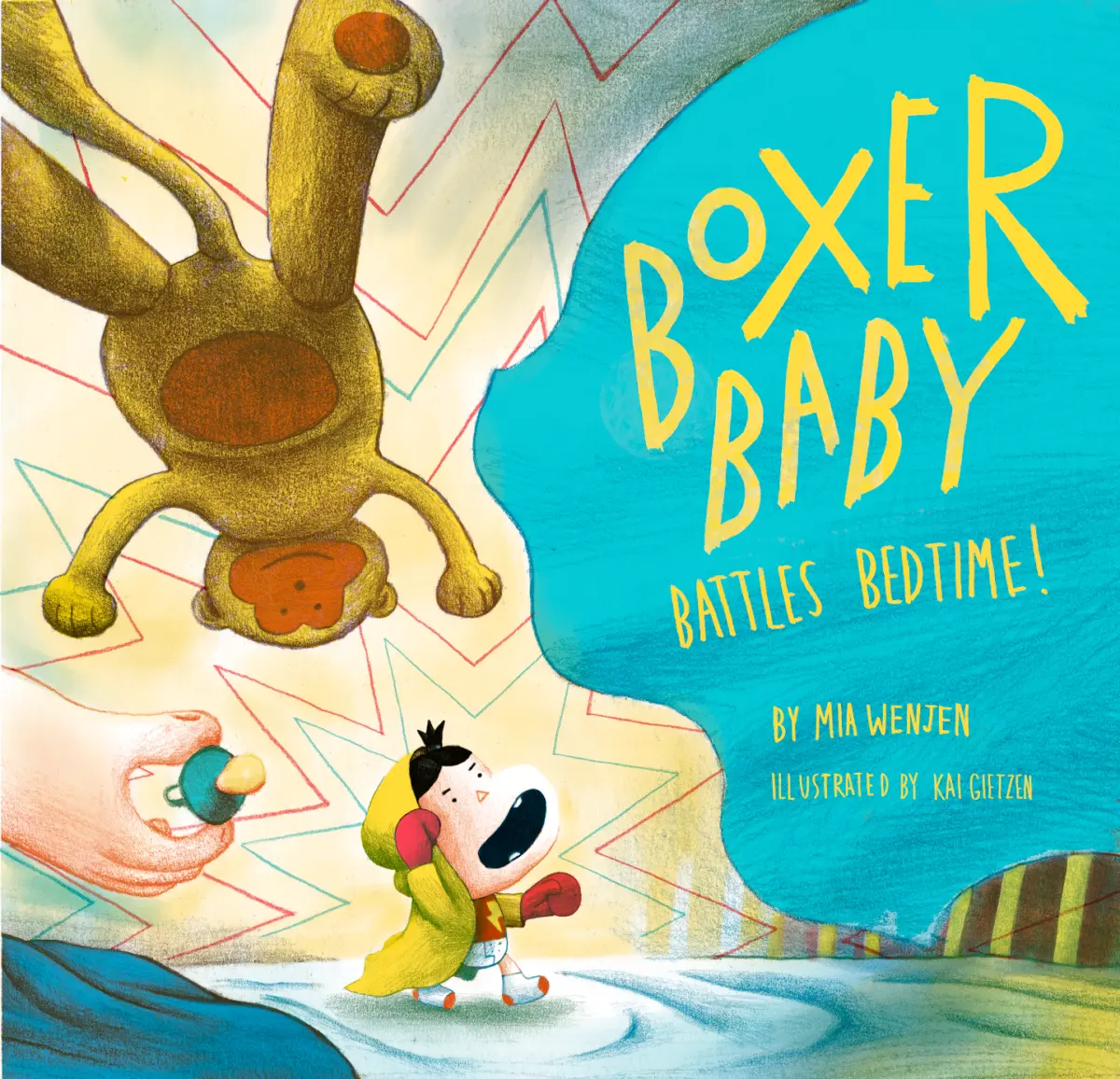
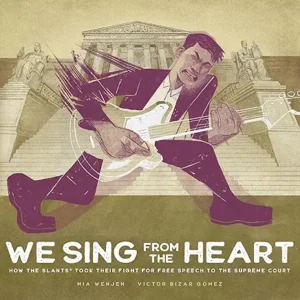
The book’s broader ecosystem of companion titles by Wenjen—ranging from explorations of Japanese American internment (Barbed Wire Between Us) to free speech legal battles (We Sing from the Heart) and multicultural histories (Fortune Cookies for Everyone!)—cements her role as a vital voice in contemporary children’s literature.
Ultimately, Postcards from Malcolm X challenges young readers to look beyond superficial divisions, recognize the interconnected nature of human rights struggles, and understand that sustained, humble solidarity remains the most powerful engine for social transformation.







Comments
Facebook App ID not configured. Please add it in the Customizer.