
Executive Overview
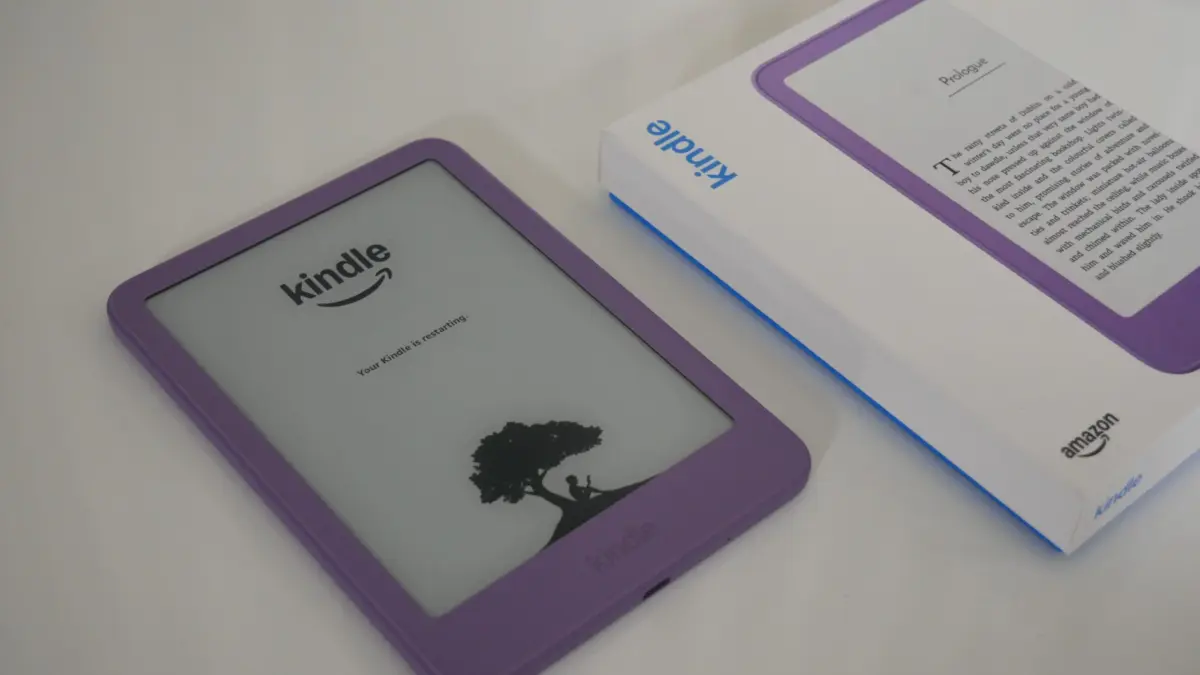
The electronic reader market has reached a fascinating crossroads of maturation and lifestyle branding. For over a decade and a half, Amazon’s base-model Kindle has served as the ubiquitous gateway to digital reading. Traditionally characterized by utilitarian, unadorned black or white plastic shells, the entry-level e-reader has recently undergone a seismic shift in aesthetic philosophy. Enter the Amazon Kindle (13th Generation, 2026 lineup)—specifically, the striking new iteration rendered in "Ube."
Priced at $149.99 and available in both Ube and Graphite, this latest refresh seeks to bridge the gap between high-performance reading technology and personality-driven consumer tech. Far more than a mere color swap, the 2026 base Kindle introduces a modern flush-screen, bezel-less facade, a sharp 300 PPI display, and a noticeable 30% performance boost in book-opening speeds compared to its predecessor. Built with sustainability at its core—featuring a housing composed of recycled plastics and a battery utilizing 100% recycled cobalt—the device reflects Amazon’s evolving priorities in manufacturing.
This deep-dive review examines the 2026 entry-level Kindle from top to bottom. We will explore its physical and hardware specifications, evaluate its unique design choices (including the food-inspired colorway trend), analyze real-world usability based on hands-on testing, and place this release into the broader context of the evolving e-reader market alongside upcoming siblings like the Kindle Paperwhite and Kindle Colorsoft.
Read Also
Detailed Chronology & Hardware Evolution
To understand the significance of the 2026 Kindle in Ube, it is necessary to trace the trajectory of Amazon’s entry-level strategy. For years, the base Kindle was deliberately stripped-down. It relied on deeply recessed screens, lower resolutions (traditionally 167 PPI), and infrared touch layers that lacked the crispness of its premium Paperwhite counterpart.
The turning point began with the 11th-generation overhaul, which finally brought a 300 PPI display to the budget tier. The 2026 13th-generation model builds aggressively on that foundation, standardizing features that were once exclusive to mid-range and high-end devices:
- The Modernized Facade: The 2026 model ditches the traditional raised bezels in favor of a contemporary, flush-screen, bezel-less design. This not only gives the device a sleeker, more expensive aesthetic but also eliminates the dirt-trapping groove that accumulated around older screens.
- Performance Enhancements: Under the hood, optimized firmware and upgraded processing architecture yield a 30% reduction in book-opening times. Page turns are snappier, reducing micro-stutters that occasionally plagued earlier budget editions.
- Ergonomic Profile: Measuring 15.28 × 10.8 × 0.685 cm and weighing a feathery 140 grams, the device is engineered for hyper-portability.
- Sustainable Engineering: Amazon has made notable strides in eco-conscious manufacturing for this generation. The device shell incorporates high percentages of recycled plastics, while the internal 1040 mAh battery is forged from 100% recycled cobalt—a crucial step as consumer electronics face tighter environmental scrutiny globally.
Supporting Context, Specifications & Metrics
Aesthetics and sustainability matter little if the core reading experience falters. Fortunately, the 2026 Kindle packs a robust set of technical specifications into its diminutive frame.
Display and Illumination
- Resolution & Density: The device boasts a 1072 × 1448 resolution, culminating in a crisp 300 PPI (Pixels Per Inch) density. Text rendering is razor-sharp, closely mimicking traditional print and eliminating the jagged edges visible on older entry-level devices.
- Front-Lit System: Equipped with an adjustable front-lit LED array, the Kindle allows users to dial in their preferred illumination via a smooth slider bar in the quick-settings menu.
- Dark Mode: A system-wide dark mode inverts the interface, shifting to white text on a deep black background. This is particularly favored by night-time readers seeking to minimize blue light and glare in darkened rooms.
Storage, Connectivity, and Audio
- Storage Capacity: The device comes equipped with 16GB of onboard storage. For pure e-books, this translates to thousands of titles; for those who mix reading with listening, it provides ample room for dozens of unabridged audiobooks.
- Bluetooth and Audio Integration: Built-in Bluetooth allows users to pair wireless headphones or earbuds directly to the Kindle. Content can be loaded via seamless Audible integration or purchased directly through the integrated Amazon and Audible ecosystems.
- Connectivity: Wi-Fi 5 support ensures fast downloads when purchasing new titles, syncing reading positions across devices, or browsing lightweight web pages via the experimental built-in browser.
- Battery Endurance: Powered by a 1040 mAh battery, the device is rated for up to six weeks of battery life under standard reading conditions (defined as 30 minutes of reading per day with wireless off and light set to medium).
| Feature | Specification / Detail |
|---|---|
| Display Size | 6 inches (Flush-screen, bezel-less) |
| Resolution | 1072 × 1448 (300 PPI) |
| Storage | 16GB |
| Connectivity | Wi-Fi 5, Bluetooth |
| Battery Capacity | 1040 mAh (Approx. 6 weeks life) |
| Dimensions | 15.28 × 10.8 × 0.685 cm |
| Weight | 140 g |
| Materials | Recycled plastics housing; 100% recycled cobalt battery |
| Price | $149.99 USD |
| Colorways | Ube, Graphite |
The "Ube" Phenomenon: Design Shifts and Cultural Inspiration
One of the most engaging aspects of the 2026 Kindle launch is its embrace of color psychology. For years, tech giants operated under the assumption that productivity and reading devices needed to look sterile—clad exclusively in "Graphite," "Charcoal," or "Glacier White."
Amazon’s pivot began with the viral success of its earlier "Matcha"-colored models, proving that consumers are hungry for personality in their reading companions. For the 13th generation, Amazon expanded this culinary-inspired design philosophy with Ube.
What is Ube?
Ube is a rich, soft purple derived from the Filipino purple yam (Dioscorea alata). Known for its vibrant hue and sweet, nutty flavor profile in culinary arts, ube has grown into a massive global food and lifestyle trend. By translating this shade into matte plastic, Amazon has created a soft, inviting pastel purple that feels warm rather than clinical.

Industry analysts note that this is a deliberate strategy to court younger demographics, lifestyle bloggers, and readers who view their e-reader as an accessory rather than just a utilitarian gadget. The matte finish resists fingerprint smudges while providing a tactile, non-slip grip that enhances the reading experience.
Real-World Usability & Hands-On Impressions
Based on testing over a one-week period using the Graphite variant of the 2026 Kindle:
The first impression upon lifting the new Kindle is its remarkable lightness. At 140 grams, it vanishes into a bag and causes zero wrist fatigue during extended one-handed reading sessions.
Performance and Page Turns
The claim of 30% faster book opening is immediately palpable. Transitioning from the home screen into large, graphic-heavy e-books happens with minimal lag. Page-turn responsiveness has also been refined; ghosting is kept to a minimum, and the E Ink display refreshes cleanly.
Portability and the "Pocket-Friendly" Debate
Amazon markets the base Kindle as "pocket-friendly," suggesting it can slide easily into the rear pocket of a pair of trousers. In practice, this heavily depends on wardrobe choices. While men’s relaxed-fit pockets can accommodate the device in a pinch, female apparel often features notoriously shallow pockets where the Kindle would be at high risk of slipping out.
A far more realistic daily carry method is slipping the device into a small messenger bag, purse, or jacket pocket. During field testing—whipping it out during extended wait times at medical appointments or while commuting—the compact 6-inch form factor proved vastly superior to larger 7-inch or 8-inch devices for true on-the-go reading.
Future Outlook & Market Positioning
The launch of the 2026 Kindle in Ube and Graphite arrives at a pivotal moment for Amazon’s hardware division. With upcoming ecosystem expansions—including imminent reviews of the new Kindle Paperwhite and the highly anticipated Kindle Colorsoft—Amazon is carefully segmenting its audience:
- The Entry-Level Purist: The base Kindle is for readers who want a distraction-free, highly portable, monochrome device without paying for waterproofing, warm-light color tuning, or massive screens. At $149.99, it hits a sweet spot for casual readers, students, and travelers.
- The Lifestyle Consumer: By introducing vibrant, personality-driven hues like Ube and Matcha, Amazon is transforming a functional electronic appliance into a statement piece. Expect this color-forward design language to bleed into future iterations of accessories and premium models.
- The Sustainability Benchmark: As consumers demand greener technology, Amazon’s use of recycled plastics and 100% recycled cobalt sets a new internal standard that future Paperwhite and Oasis-tier devices will be forced to match or exceed.
Ultimately, the 13th-generation Kindle proves that the entry-level e-reader category is far from stagnant. By combining flagship display clarity (300 PPI), snappy performance upgrades, and a bold, joyful color palette, Amazon has revitalized the device that started the modern e-reading revolution. Whether you opt for the understated sophistication of Graphite or the playful, trend-setting warmth of Ube, the 2026 base Kindle stands as a triumph of practical, portable technology.



Comments
Facebook App ID not configured. Please add it in the Customizer.