
Executive Overview
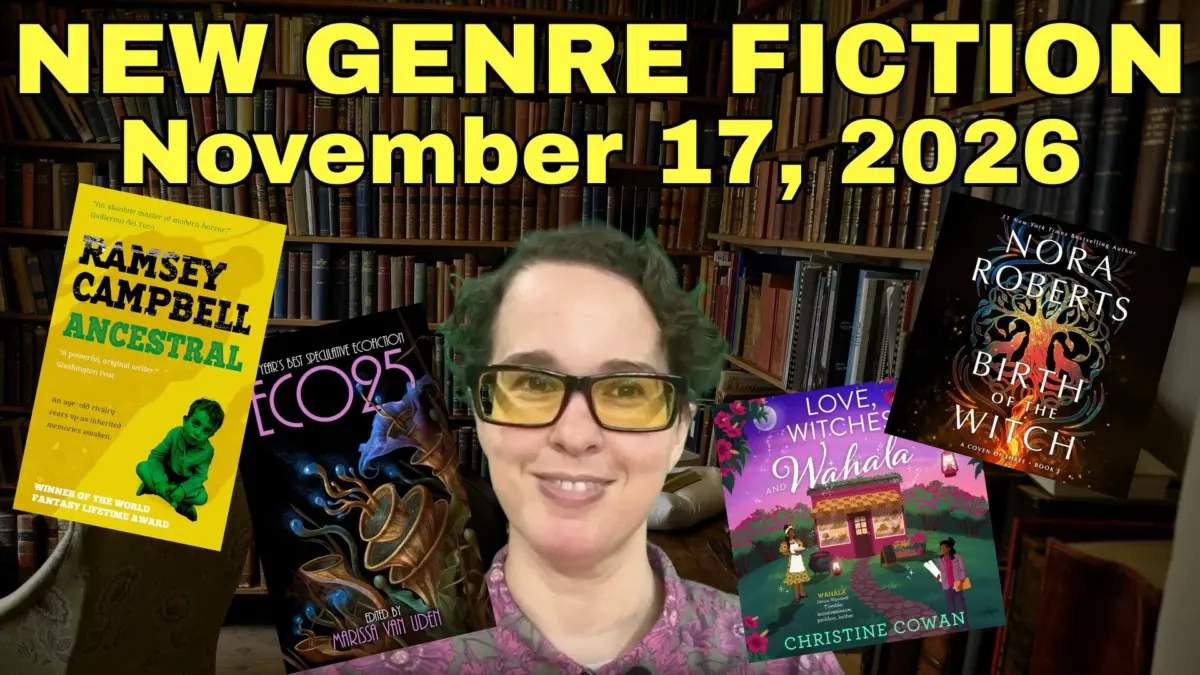
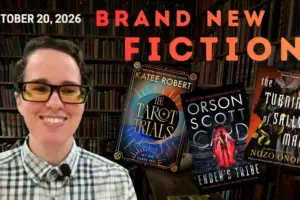
On November 17, 2026, Locus Magazine—long regarded as the definitive trade publication and record of memory for the speculative fiction publishing industry—released its latest curated video showcase detailing the week’s significant new book releases. Spanning the core subgenres of Science Fiction, Fantasy, Horror, and Young Adult (YA) fiction, the release announcement highlights a critical Q4 publishing corridor where traditional trade publishers, independent small presses, and digital-first imprints compete for consumer attention ahead of the holiday retail surge and the upcoming awards nomination cycle.
The mid-November showcase serves as a microcosm of contemporary speculative literature in late 2026. The featured titles reflect a market characterized by narrative hybridity: science fiction that intersects with ecological and sociopolitical commentary, dark fantasy that merges with atmospheric horror, and young adult literature that increasingly tackles complex existential themes.
Beyond celebrating creative output, Locus used the release drop to reinforce its institutional calling. Operating under a reader-supported, non-profit framework, the magazine reiterated the imperative of independent literary journalism in an era dominated by algorithmic recommendations and consolidated media channels. As commercial publishing navigates shifting consumer formats—ranging from direct-to-consumer special editions to high-growth audio immersion—the curation provided by institutions like Locus remains vital for authors, booksellers, librarians, and genre enthusiasts alike.
Read Also
+-----------------------------------------------------------------------------------+
|                        NOVEMBER 2026 SPECULATIVE FICTION SLATE                   |
+-----------------------------------------------------------------------------------+
|  SCIENCE FICTION   | Distant Future Epics, Space Opera, Climate Speculation     |
|  FANTASY           | Mythic Retellings, Secondary-World Epic, Urban Supernatural |
|  HORROR            | Psychological Terror, Folk Horror, Supernatural Mysteries   |
|  YOUNG ADULT       | Dystopian Coming-of-Age, Dark Academia, Portal Fantasy      |
+-----------------------------------------------------------------------------------+
Detailed Chronology of the November 2026 Publishing Slate
The rollout of the November 17, 2026 release schedule represents the culmination of a multi-month editorial, logistics, and publicity pipeline. Tracking this timeline provides critical insight into how speculative titles transition from early manuscript acquisition to retail visibility.
[Q2 2026: ARC Distribution] ──> [Q3 2026: Trade Reviews] ──> [Nov 1–10: Logistics] ──> [Nov 17: Official Release & Locus Showcase]Phase 1: Advance Proofs and Critical Curation (Q2–Q3 2026)
Months prior to the November shelf date, publishing houses distributed Advance Reader Copies (ARCs) to trade reviewers, industry analysts, and specialized outlets. During this window, the editorial team at Locus cataloged hundreds of incoming physical and digital manuscripts to identify trendlines, debut voices, and major releases from established authors across Science Fiction, Fantasy, Horror, and YA.
Phase 2: Retail Logistics and Media Sequencing (Early November 2026)
In the first two weeks of November, physical inventory arrived at major distribution centers, independent bookstores, and specialty outlets worldwide. Concurrently, digital assets, audiobook productions, and promotional embargoes were finalized. Publishers systematically scheduled mid-November launch dates to maximize visibility prior to the Thanksgiving shopping window in North America and international black-Friday retail events.
Phase 3: The November 17 Broadcast and Curation Reveal
On November 17, 2026, Locus published its comprehensive multimedia roundup, featuring a dedicated video catalog detailing the week’s premier releases. The release schedule targeted five primary reading segments:
- Hard Science Fiction and Space Opera: Epics focused on interstellar colonization, artificial intelligence ethics, and technological singularity scenarios.
- High and Secondary-World Fantasy: Narrative arcs centered on intricate magic systems, political intrigue, and non-Western mythologies.
- Psychological and Supernatural Horror: Chilling narratives exploring modern anxieties, isolated environments, and cosmic dread.
- Urban and Paranormal Fantasy: Contemporary settings disrupted by hidden magical ecosystems or ancient mythic forces.
- Speculative Young Adult: Coming-of-age stories integrated into dystopian, magical, or alternate-history frameworks.
Phase 4: Post-Release Engagement and Award Eligibility Tracking (Late November 2026 Onward)
Following the November 17 announcement, titles entered their active consumer cycle. Locus logged these entries into its central database to track library acquisitions, bestseller lists, and prospective eligibility for major industry honors—including the Locus Awards, Hugo Awards, Nebula Awards, and Bram Stoker Awards for horror titles.
Supporting Context & Market Metrics
The November 17 releases arrive during a transformative period for speculative fiction publishing. Data from market research and publishing associations in late 2026 highlight several key structural shifts within the sector.
Subgenre Dynamics and Market Expansion
Speculative fiction continues to command a significant share of global fiction sales, driven by cross-media adaptations (television, film, and video games) and viral organic reader communities.
Estimated Market Share by Subgenre (Speculative Fiction Sales, Q4 2026)
======================================================================
[████████████████████] Fantasy & Mythic Fiction (38%)
[████████████████] Horror & Dark Speculative (27%)
[█████████████] Science Fiction (22%)
[████████] Young Adult Speculative (13%)- The Resurgence of Horror and Dark Fantasy: Horror has experienced a sustained commercial renaissance, growing by an estimated 14% year-over-year in 2026. Micro-genres such as folk horror, gothic academia, and body horror have successfully captured younger demographics seeking high-concept tension.
- Cross-Genre Hybrids: Pure subgenre boundaries have increasingly dissolved. A significant percentage of November’s speculative releases blend elements—such as combining sci-fi space exploration with gothic horror or pairing secondary-world fantasy with cozy, low-stakes character studies.
- Young Adult Evolution: The YA speculative sector has matured, moving away from simple dystopian tropes toward sophisticated explorations of identity, climate anxiety, and institutional critique.
Audiobooks and Premium Print Formats
Format preferences within speculative fiction readers have bifurcated:
- Audiobook Growth: Over 40% of speculative fiction engagement in 2026 occurred via digital audio platforms, with multi-cast productions and atmospheric sound design becoming standard for flagship sci-fi and horror releases.
- Deluxe Physical Editions: To counter digital fatigue, publishers have invested heavily in high-end physical printings featuring sprayed edges, foil-stamped hardcovers, and interior illustrations, driving physical book sales among collectors.
The Non-Profit Media Model: Locus Magazine’s Operational Context
The survival of independent trade media like Locus represents a vital counterbalance to market consolidation. Founded in 1968 by Charles N. Brown, Locus has published thousands of reviews, author interviews, and industry news reports over nearly six decades.
+-------------------------------------------------------------------------+
|                  THE INDEPENDENT GENRE ECOSYSTEM                        |
+-------------------------------------------------------------------------+
|  Publishers & Imprints ──>  [ Locus Magazine ]  <── Readers & Donors     |
|                                     │                                   |
|                                     ▼                                   |
|                     Comprehensive Data Curation:                        |
|             Reviews | Database Archives | Industry News                 |
+-------------------------------------------------------------------------+
To maintain its editorial independence, Locus operates as a 501(c)(3) non-profit organization. The publication relies on a hybrid revenue structure:

- Direct Subscriptions: Print and digital subscriptions from core genre readers and industry professionals.
- Institutional Support: Grants and library database licensing.
- Reader Donations: Sustained micro-donations and annual fundraising drives.
As traditional ad revenues across digital publishing fluctuate, Locus’s call for reader donations in its November 17 broadcast underscores the financial realities facing specialized trade media. Without direct community funding, comprehensive archival coverage of mid-list authors and independent presses would face severe retrenchment.
Official Statements and Industry Perspectives
The release of the November 17 showcase drew commentary from trade professionals, editors, and media analysts regarding the state of genre discovery and the crucial role of dedicated reporting.
Editorial Leadership on Curation and Mission
In statements accompanying the fall release roundups, representatives from Locus Magazine stressed the historical necessity of their coverage:
"For nearly sixty years, our objective has remained unchanged: to document the evolution of speculative fiction in real time. In a publishing market that produces thousands of new titles every month across print, digital, and audio, independent curation is not just a convenience—it is essential infrastructure for authors, booksellers, and readers."
Addressing the non-profit funding appeal embedded within the November 17 release, executive management highlighted the direct relationship between reader support and archive integrity:
"We publish hundreds of reviews and track thousands of books every year. We don’t limit our coverage to blockbuster titles; we champion independent presses, international translations, and debut writers. Sustaining that level of deep-archive reporting requires direct support from the community we serve."
Author and Publisher Insights
Prominent figures within the Science Fiction and Fantasy Writers Association (SFWA) and Horror Writers Association (HWA) have routinely pointed to Locus‘s release lists as a crucial metric for visibility.
- On Discovery: "Algorithmic recommendations on major retail platforms tend to create echo chambers, continually pushing the top 1% of bestsellers," noted one veteran fantasy editor. "Outlets like Locus provide a balanced field where high-concept mid-list titles and independent press gems receive equal critical consideration."
- On Genre Preservation: Archival historians emphasize that Locus’s monthly and weekly tracking forms the primary record used by researchers studying trends in late 20th- and early 21st-century literature.
Future Outlook: Trends Shaping Late 2026 and Early 2027
As the books featured in the November 17 release move into the hands of global readers, several macro-trends are poised to define the speculative fiction landscape entering 2027.
           2026-2027 SPECULATIVE FICTION ROADMAP
┌────────────────────────────────────────────────────────┐
│ Q4 2026: Holiday Retail Surge & Pre-Awards Positioning  │
└───────────────────────────┬────────────────────────────┘
                            │
                            ▼
┌────────────────────────────────────────────────────────┐
│ Q1 2027: Award Nomination Ballots (Hugo, Nebula, Locus)│
└───────────────────────────┬────────────────────────────┘
                            │
                            ▼
┌────────────────────────────────────────────────────────┐
│ Q2 2027: Spring Release Cycles & Audio-Visual Adapts   │
└────────────────────────────────────────────────────────┘
1. Award Season Trajectories
The titles highlighted in the mid-November slate represent some of the final entrants eligible for the 2026 calendar year awards. Critics anticipate strong representations from late-year releases in the upcoming Locus Awards, Hugo Awards, and Nebula Awards voting cycles, particularly within the categories of Best First Novel and Best Novella, where shorter-form fiction has seen a major commercial revival.
2. Multi-Format Curation Integration
Locus’s expanded use of video showcases alongside traditional text reviews signals a permanent shift toward multi-platform coverage. Independent outlets must meet audiences across video streaming services, newsletter ecosystems, and social platforms without sacrificing the depth of their traditional print archives.
3. Sustainability of Independent Publishing Media
The ongoing fundraising campaigns led by Locus reflect a broader industry effort to establish sustainable financial models for non-profit arts journalism. As third-party ad networks decline in profitability, reader-funded models, membership tiers, and philanthropic endowments will dictate which trade publications survive into the next decade.
4. Evolution of Narrative Themes
Looking ahead to the early 2027 catalog announcements, industry insiders forecast continued dominance of themes addressing climate systems, artificial intelligence ethics, and non-linear narrative structures. Speculative fiction remains the primary cultural vehicle for stress-testing human futures against rapid technological and environmental transformation.
Summary Conclusion
The Locus Magazine November 17, 2026 release video is more than a simple weekly media update; it is an annual marker of vitality for speculative literature. By spotlighting diverse releases across Science Fiction, Fantasy, Horror, and Young Adult fiction while maintaining a transparent call for community-backed journalism, Locus continues to fulfill its legacy as the central nexus of the speculative fiction world.

Comments
Facebook App ID not configured. Please add it in the Customizer.