
Executive Overview
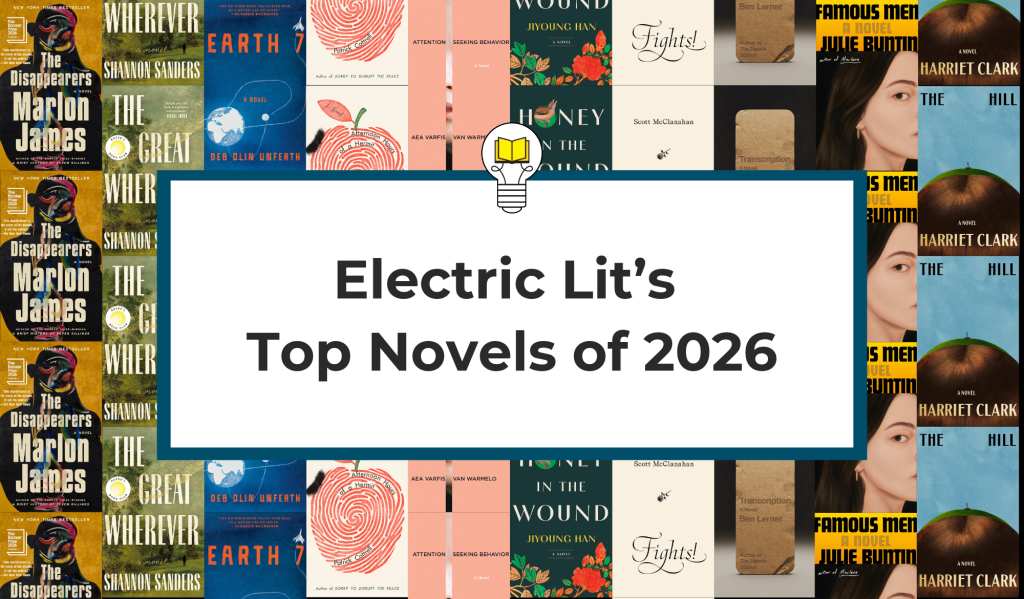
In an era increasingly dominated by synthesized media, generative text algorithms, and automated content delivery, nonprofit digital publisher Electric Literature has unveiled its annual list of the 10 Best Novels of 2026. Hand-selected by the organization’s editorial team, interns, and contributor network, the unranked list serves as both a celebration of exceptional narrative prose and an implicit manifesto for human-driven creativity.
The selection comes at a critical juncture for the publishing industry. As artificial intelligence platforms continue their expansion—co-opting human stylistic trademarks down to punctuation nuances like the em-dash—literary institutions face unprecedented pressure to define what makes human-crafted narrative distinct. Electric Literature’s 2026 picks deliver a clear answer: formal experimentation, structural audacity, deep vulnerability, and an embrace of the "weird" and irreducibly complex.
Led by Deputy Editor Katie Henken Robinson and Executive Director Denne Michele Norris, the publication’s year-end review showcases works ranging from sprawling historical epics to tight, speculative existential dramas. Concurrent with the release of the list, Electric Literature has launched its annual end-of-year fundraising campaign, aiming to raise $60,000 to enter 2027 on secure financial footing while preserving its paywall-free, reader-supported publishing model.
Read Also
Detailed Chronology & Curated Highlights
The selection process for Electric Literature’s 2026 flagship book list involved months of reading and deliberation across the organization’s staff, board, and editorial network. Operating under strict governance guidelines, works authored by current staff or board members were excluded from formal entry—though board member Deesha Philyaw’s novel The True Confessions of First Lady Freeman received an informal recommendation.
The resulting 10 titles, presented alphabetically, represent a wide cross-section of global literature, debut works, and long-awaited releases from celebrated authors.
       2026 ELECTRIC LITERATURE BEST NOVELS SELECTION PROCESS
   ┌─────────────────────────────────────────────────────────────┐
   │ Reader Nominations & Staff/Intern/Contributor Submissions  │
   └──────────────────────────────┬──────────────────────────────┘
                                  ▼
   ┌─────────────────────────────────────────────────────────────┐
   │ Conflict of Interest Vetting (Excludes Staff/Board Titles)  │
   └──────────────────────────────┬──────────────────────────────┘
                                  ▼
   ┌─────────────────────────────────────────────────────────────┐
   │  Curatorial Focus: Voice, Innovation, & Structural Risk    │
   └──────────────────────────────┬──────────────────────────────┘
                                  ▼
   ┌─────────────────────────────────────────────────────────────┐
   │       Final Unranked Top 10 List & End-of-Year Launch       │
   └─────────────────────────────────────────────────────────────┘
1. Afternoon Hours of a Hermit by Patrick Cottrell
Selected by Denne Michele Norris, Executive Director and Publisher
In Patrick Cottrell’s second novel, protagonist Dan Moran, a transmasculine Korean adoptee, returns home on the eve of his deceased brother’s memorial service. Estranged from his family, Moran takes on the role of an informal detective, interviewing women who knew his brother in an attempt to decipher how his sibling perceived him. The text explores themes of grief, art-making, and identity with profound intimacy and absurd humor.
2. Attention-Seeking Behavior by Aea Varfis-van Warmelo
Selected by Wynter K Miller, Director of Operations and Fiction Editor
Set in London, Varfis-van Warmelo’s debut novel opens with a chilling direct address: "You should know… when I found the body I did not scream." The narrator admits to feigning emotional compliance, admiring the aesthetic quality of the scene, and eating a croissant immediately following the discovery. The book interrogates the unstable boundary between truth and fabrication, challenging readers to question the nature of storytelling in a hyper-mediated world.
3. Earth 7 by Deb Olin Unferth
Selected by Rachel Maybee, Editorial Intern
Deb Olin Unferth’s slim speculative novel traces an unlikely romance between a woman raised in an oceanic pod and an individual who may or may not be an artificial humanoid, meeting on a simulated beach. Beneath its speculative premise, the narrative wrestles with core philosophical questions: why humans persist in loving, and how life sustains itself amid environmental degradation.
4. Famous Men by Julie Buntin
Selected by Shandela Contreras, Editorial Intern
Julie Buntin examines the dangerous dynamics of literary mentorship and dynamic power through protagonist Wilhemina "Will" Miles. Growing up in rural Michigan, Will devours the works of celebrated author Nathaniel Fellow, believing he might be her biological father. Moving to New York to serve as his assistant and student, Will finds herself caught in a boundary-blurring relationship where creative ambition, desire, and institutional harm become intertwined.
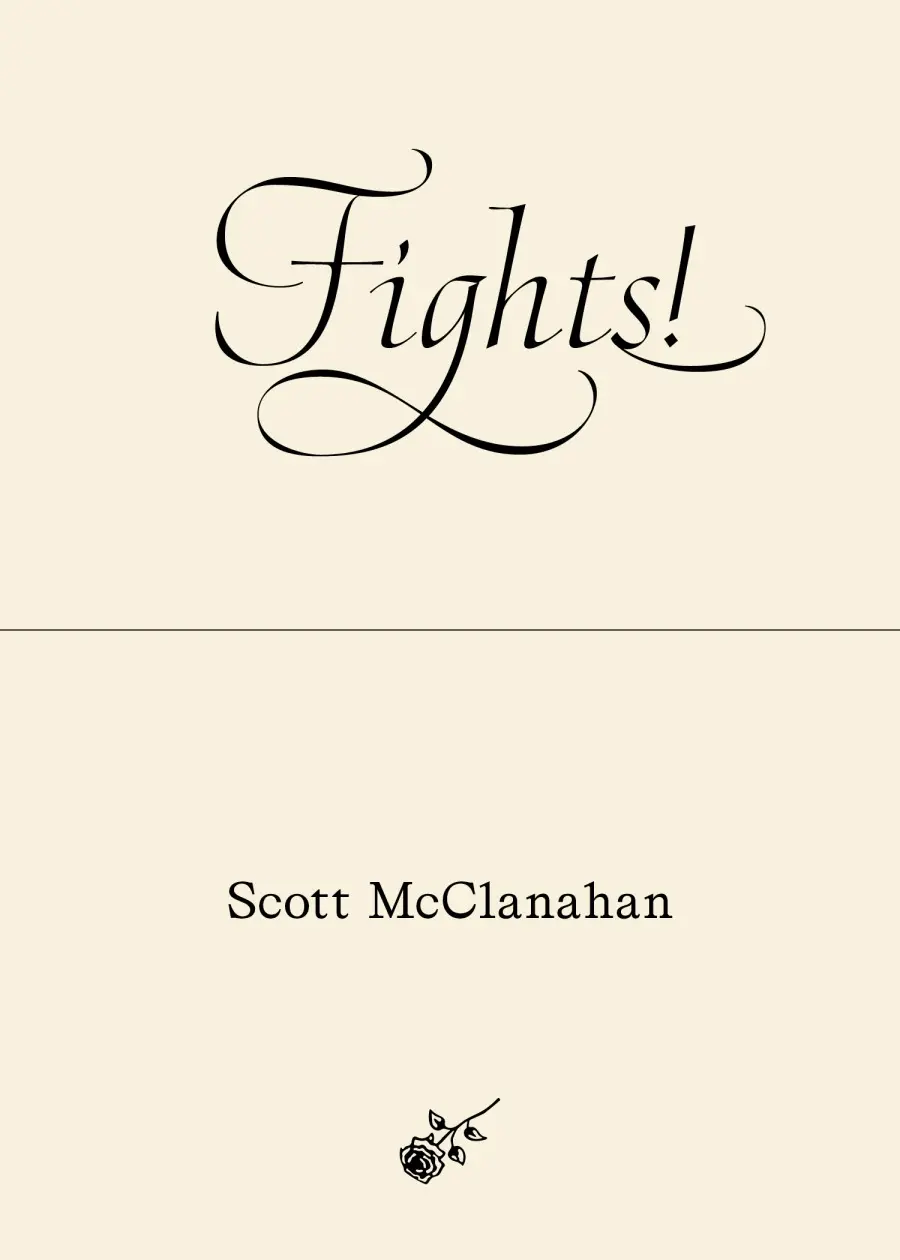
5. Fights! by Scott McClanahan
Selected by Willem Marx, Associate Editor
Set against the backdrop of the New York and West Virginia publishing scenes of the 2010s, Scott McClanahan’s novel explores love, labor, loss, and emotional endurance. Characterized by raw, conversational prose, Fights! navigates how relationships fracture and reshape over time, crafting an intensely personal narrative through unconventional storytelling methods.
6. Honey in the Wound by Jiyoung Han
Selected by Rachel Maybee, Editorial Intern
Jiyoung Han’s debut multi-generational novel integrates magical realism with historical fiction, confronting the trauma of "comfort women" forced into sexual slavery during the Japanese occupation of Korea. Tracing three generations of women endowed with supernatural abilities, the novel balances historical violence with elements of folklore, resilience, and shifting narrative perspective.
7. The Disappearers by Marlon James
Selected by Katie Henken Robinson, Deputy Editor
Marlon James returns with a novel centered on a brutal hate crime against a group of gay men rehearsing a play in Jamaica during the height of the 1980s AIDS epidemic. Following the wide-reaching consequences of the event, James avoids reductionist tropes, depicting a multi-voiced cast navigating systemic oppression, eroticism, trauma, and survival.
8. The Great Wherever by Shannon Sanders
Selected by Shandela Contreras, Editorial Intern
Following a personal crisis and bereavement in Washington, D.C., Aubrey Lamb inherits partial ownership of a century-old Tennessee farm. Upon arrival, she encounters the vocal spirits of her deceased ancestors, who offer biting commentary on her choices. Sanders blends familial satire with an exploration of Black land ownership and the struggle against predatory real estate development.
9. The Hill by Harriet Clark
Selected by Evander Reyes, Communications Manager
Harriet Clark’s debut novel offers an inverted coming-of-age story centered on Suzanna, a young woman whose life revolves around weekly visits to her incarcerated mother. Serving a life sentence, the mother’s confinement distorts the conventional transition into adulthood, transforming independence into a source of guilt and obligation.
10. Transcription by Ben Lerner
Selected by Lennie Roeber-Tsiongas, Assistant Editor
Ben Lerner’s fourth novel follows a narrator returning to Providence for a final interview with his former mentor, Thomas. Lacking a recording device, the narrator relies entirely on his own unfaithful memory, setting off a cascade of revisions, misremembered details, and temporal shifts. Transcription probes the limitations of human memory, fatherhood, and the structural misunderstandings inherent in personal relationships.
Supporting Context & Metrics
The publication of the 2026 list coincides with broader structural shifts in both literary publishing and digital media culture. The table below outlines the core themes, narrative strategies, and technical contexts reflected across this year’s choices:
| Book Title | Primary Author | Key Structural / Thematic Focus | Industry & Cultural Context |
|---|---|---|---|
| Afternoon Hours of a Hermit | Patrick Cottrell | Transmasculine identity, grief, non-linear inquiry | Expanding trans literature narratives; subversion of detective tropes |
| Attention-Seeking Behavior | Aea Varfis-van Warmelo | Unreliable narration, media truth, performative morality | Critique of social media performativity and post-truth journalism |
| Earth 7 | Deb Olin Unferth | Speculative romance, AI ethics, climate degradation | Responds to real-world ecological shifts and synthetic intelligence ethics |
| Famous Men | Julie Buntin | Power imbalances, literary pedigree, ambition vs. exploitation | Post-#MeToo examination of institutional patronage and publishing dynamics |
| Fights! | Scott McClanahan | Working-class aesthetics, independent publishing, autofiction | Critique of centralized coastal publishing vs. regional realities |
| Honey in the Wound | Jiyoung Han | Magical realism, colonial history, intergenerational trauma | Reclamation of historical trauma through non-Western narrative frameworks |
| The Disappearers | Marlon James | Polyphonic historical fiction, queer liberation, trauma analysis | International queer history; expansion of epic form |
| The Great Wherever | Shannon Sanders | Southern Gothic, land rights, ancestor spirits | Economic analysis of historic Black land preservation |
| The Hill | Harriet Clark | Incarceration impact, family duties, delayed adulthood | Literary engagement with mass incarceration and family separation |
| Transcription | Ben Lerner | Memory distortion, meta-fiction, technological reliance | Critique of digital archival reliance vs. human fallibility |
The Technological Counter-Movement
The editorial team’s emphasis on distinct, risk-taking literary voices comes during a period of growing friction between creative communities and the tech industry. Throughout 2025 and 2026, controversy mounted over the automated ingestion of copyrighted literary texts to train large language models (LLMs). Concurrently, public opposition to AI physical infrastructure flared, exemplified by localized voter pushbacks—termed by commentators as the "blue tsunami" referendums—blocking data center developments across several U.S. municipalities.
Furthermore, literary critics have increasingly noted how generative models tend toward stylistic homogenization, flattening prose into predictable rhythms. Punctuation marks traditionally favored by creative writers—most notably the em-dash—have been co-opted in public discourse as presumed hallmarks of machine generation, prompting a broader artistic re-evaluation of voice, syntax, and form.
Official Statements & Editorial Commentary
Addressing the central question of literary value in an automated media environment, Electric Literature Deputy Editor Katie Henken Robinson outlined the organization’s curatorial philosophy:
"As em-dashes are being described as a hallmark of AI-writing rather than as a writer’s favorite punctuation mark to overuse, now co-opted by the machines who stole from us, I’ve found myself asking: What, exactly, makes art human? If we are being asked to rethink even our grammar choices so as not to be mistaken for robots, how do we make art that is profoundly and undeniably our own?
The one silver lining I could find was the hope that it might embolden writers to be weirder. More distinct. More themselves. Less afraid. If the books on this list are any indication, writers are doing exactly that."
                 EDITORIAL INSIGHTS ON THE 2026 SELECTIONS
 ┌────────────────────────────────────────────────────────────────────────┐
 │ "Our favorite books of 2026 got weird, in every sense of the word.     │
 │ They got creative on a line-level, on a structure-level, on a         │
 │ content-level. They are utterly distinct in their voice and style..."  │
 │                                                                        │
 │ — Katie Henken Robinson, Deputy Editor                                 │
 └────────────────────────────────────────────────────────────────────────┘
Reflecting on individual selections, Executive Director Denne Michele Norris highlighted how structural experimentation serves emotional authenticity, noting that Patrick Cottrell’s Afternoon Hours of a Hermit is:
"Heartbreaking, absurd, and incredibly intimate… this novel will leave you questioning everything you thought you knew about yourself, about making art, about the world."
Regarding the role of fiction in testing societal boundaries, Director of Operations Wynter K Miller remarked on Attention-Seeking Behavior:
"The question of what is true—or, maybe, the question of what is truth—is the white-hot center of Aea Varfis-van Warmelo’s debut… If it’s a question you’re interested in pressing against, you’ll find no better place."
Future Outlook & Industry Implications
As publishing enters 2027, the industry faces dual pressures: navigating technological disruption and sustaining independent, non-profit literary models. Independent digital platforms like Electric Literature play an essential role in amplifying diverse, non-commercial voices that might otherwise be marginalized by algorithmic recommendation engines.
To maintain its open-access model, Electric Literature has launched a $60,000 year-end fundraising effort. Organizational leaders stress that reader contributions remain vital to ensuring that critical coverage, short fiction, and essayistic commentary remain free from paywalls.
The 2026 selections suggest that the literary novel is not merely surviving the digital transition, but actively evolving in response to it. By embracing formal idiosyncrasies, moral ambiguity, and structural complexity, contemporary novelists are asserting the enduring value of human art—offering stories that resist algorithmic flattening and capture the unpredictable realities of the human experience.


Comments
Facebook App ID not configured. Please add it in the Customizer.