
Executive Overview
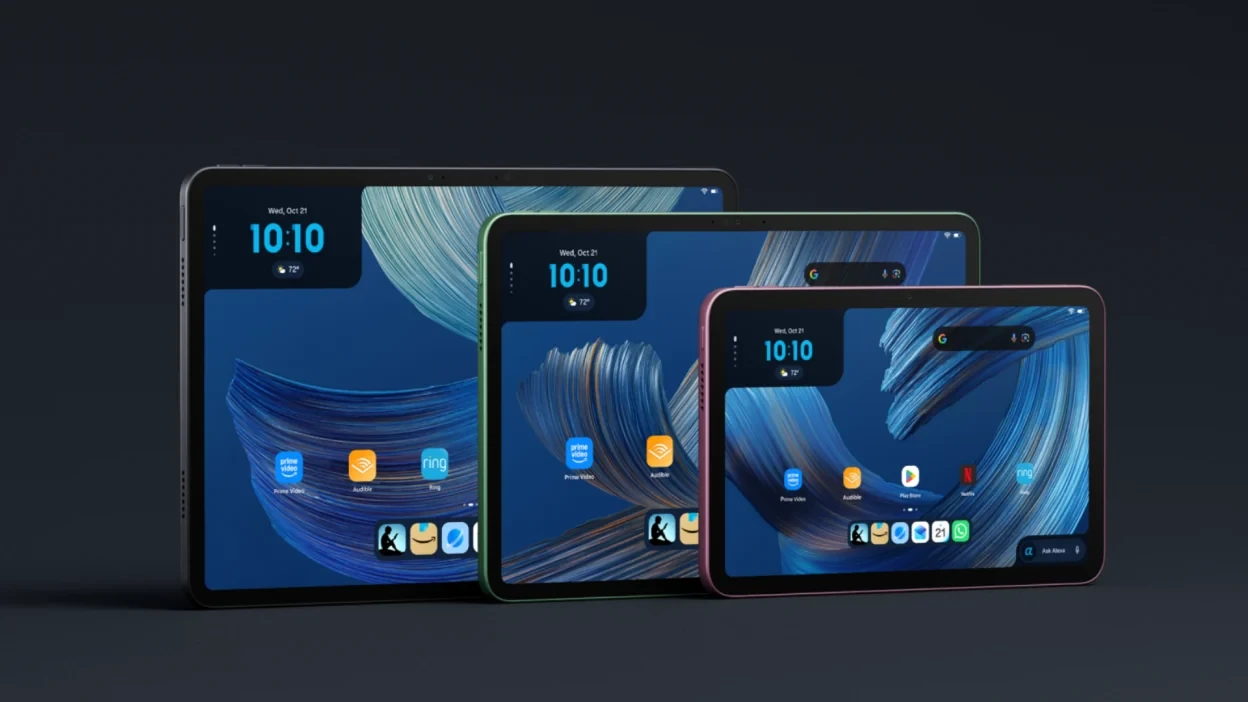
Amazon has officially shaken up the consumer electronics market with its all-new 2026 Alexa Tablet lineup, marking a definitive departure from the legacy Fire OS ecosystem. In a strategic pivot that addresses years of consumer feedback, the retail giant has abandoned its restrictive, proprietary software in favor of full Android 16 integration paired with native Google Play Store access.
This generational shift has fundamentally transformed how tech critics and everyday users perceive Amazon’s hardware. No longer confined to the walled garden of a modified operating system, the new 2026 portfolio—comprising the Alexa Tablet 8, Alexa Tablet 11, and the flagship Alexa Tablet 12 Pro—directly challenges mainstream mid-range competitors like the base Apple iPad and Samsung Galaxy Tab series.
To celebrate this milestone release, Amazon and its nationwide retail partners have launched aggressive Black Friday promotional discounts, slashing up to 43% off the standard list prices across the entire lineup. While early reviews celebrate the hardware’s premium aluminum unibody redesign, long-term software support guarantees, and innovative reading profiles, critics remain measured regarding entry-level performance bottlenecks and the removal of legacy hardware ports. This comprehensive report explores the trajectory, performance trade-offs, market reception, and future outlook of Amazon’s most ambitious tablet launch to date.
Read Also
Detailed Chronology: From Walled Gardens to Open Android
The path leading to the 2026 Alexa Tablet lineup has been years in the making. For over a decade, Amazon’s Fire tablet series carved out a lucrative niche by offering ultra-affordable, plastic-bodied media consumption devices subsidized by lockscreen advertisements and locked
to the Amazon Appstore. While successful in the budget sector, tech enthusiasts frequently criticized Fire OS for its app sideloading limitations, lack of Google Play services, and sluggish performance.
The Strategic Shift Toward Android 16
By late 2025, consumer preferences had shifted definitively toward uncompromised tablet functionality. Recognizing that budget-conscious buyers increasingly demanded full ecosystem versatility—including seamless access to productivity suites, banking apps, and modern gaming libraries—Amazon engineering teams began developing a unified tablet architecture built from the ground up on standard Android frameworks.

The culmination of this effort arrived in early 2026 with the introduction of the rebranded Alexa Tablet series. By adopting Android 16 and securing native Google Play Store certification right out of the box, Amazon neutralized the single biggest complaint historically leveled against its hardware.
The Black Friday Price Crash
Coinciding with the peak holiday shopping season, Amazon has implemented historic markdowns. The aggressive pricing strategy aims to capture market share from entry-level Android competitors and convert legacy Fire tablet owners. Key models featured in the Black Friday sales event include:
- Amazon Alexa Tablet 8 (4GB RAM, 128GB Storage): Positioned as an ultra-portable companion device.
- Amazon Alexa Tablet 11 (8GB RAM, 128GB Storage): Targeted as the versatile middle-tier family slate.
- Amazon Alexa Tablet 12 Pro (8GB / 16GB RAM configurations up to 256GB Storage): The performance powerhouse featuring advanced display technology.
Supporting Context, Hardware Metrics & Feature Analysis
Major technology publications—including CNN Underscored, TechRadar, and 9to5Google—have extensively benchmarked the new lineup. Consensus reviews paint a nuanced picture of high-end industrial design meeting budget-conscious engineering compromises.
Premium Industrial Redesign
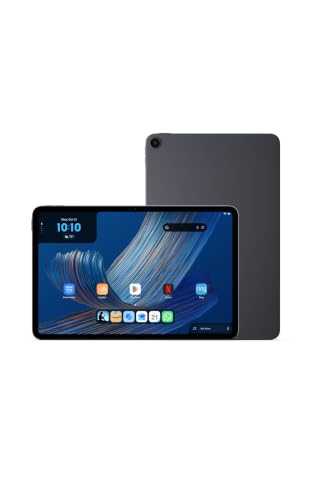
Moving away from the utilitarian plastics of previous generations, all three 2026 models feature upgraded aluminum unibody constructions. Reviewers have noted that the tactile hand-feel and slim profile place the hardware much closer to modern iPads than traditional budget slates.
However, this modern aesthetic comes with structural sacrifices. Echoing industry-wide design trends, Amazon has officially removed both the microSD card slot and the 3.5mm headphone jack across the entire lineup, forcing users to rely on cloud storage, internal capacities (starting at a respectable 128GB), and Bluetooth audio accessories. Furthermore, base configurations continue to display lockscreen ads unless owners opt for the paid ad-removal fee.
Display Innovations and "Kindle Mode"
The crown jewel of the hardware lineup is the Alexa Tablet 12 Pro, particularly when equipped with the optional anti-glare Nanomatte 120Hz display. Reviewers have lauded the panel’s legibility under harsh lighting conditions, noting that it significantly reduces eye strain during prolonged reading and writing sessions.

A standout software feature engineered specifically for this generation is Kindle Mode. When a user opens a book within the native Kindle app, Kindle Mode automatically reconfigures the display color temperature, contrast ratios, and system resource allocation to mimic a distraction-free e-reader environment. Crucially, the moment the user exits the book or closes the app, the tablet instantaneously reverts to its normal Android 16 color profile and standard UI behavior.
Performance Tiers and Real-World Trade-Offs
Performance metrics vary significantly depending on the tier:
- The Flagship 12 Pro: Equipped with robust processors and up to 16GB of RAM, the Pro model handles multitasking, high-definition streaming, and demanding applications smoothly.
- The Entry-Level 8 and 11 Models: Publications like 9to5Google have noted noticeable UI stuttering and modest processing speeds driven by entry-level MediaTek chipsets. Coupled with flat, downward-firing speakers and basic camera sensors, these lower-tier models are best suited for casual web browsing, streaming media, and reading rather than intensive mobile gaming or professional-grade creative work.
Long-Term Value and Support
One of the most praised aspects of the 2026 hardware refresh is Amazon’s corporate commitment to longevity. Amazon has pledged seven years of operating system and security updates for the Alexa Tablet lineup. This unprecedented support window dramatically enhances the long-term value proposition, positioning these devices as durable, multi-year investments for households and educational environments.
Official Statements and Industry Reception
Industry analysts have closely monitored Amazon’s strategic pivot, viewing the integration of native Google Play services as a calculated risk that bridges the gap between proprietary hardware ecosystems and open-source Android dominance.
In an internal product briefing accompanying the launch, Amazon hardware leads emphasized that the 2026 lineup was designed to eliminate software friction. "Users no longer have to choose between the convenience of Alexa-powered smart home integration and the freedom of the Google Play ecosystem," noted an anonymous product lead close to the development. "By merging robust aluminum hardware, seven-year software commitments, and full Android access, we are delivering unmatched value to the modern consumer."
Independent tech critics have largely validated this sentiment, especially given the current Black Friday pricing structure. While reviewers at TechRadar caution that buyers should manage performance expectations for the sub-$150 base models, they agree that at discounted rates, the hardware is nearly impossible to ignore. Conversely, specialized media outlets like Good e-Reader have highlighted the 12 Pro’s Nanomatte display and Kindle integration as a massive win for digital book collectors and graphic novel enthusiasts.
Future Outlook: What Lies Ahead for the Alexa Tablet Ecosystem
The debut of the 2026 Alexa Tablet lineup establishes a new baseline for Amazon’s hardware division. By successfully shedding the limitations of Fire OS, Amazon has proven its ability to adapt to demanding consumer standards.
Looking forward, industry watchers expect Amazon to expand upon this unified Android framework. Future iterations will likely focus on refining the performance efficiency of entry-level MediaTek processors, deepening the integration of conversational AI through Alexa+, and expanding accessories such as magnetic keyboard folios and stylus pens to better challenge productivity-focused tablets from Apple and Samsung.
For now, the immediate focus remains on the holiday shopping rush. With discounts reaching up to 43%, the 2026 Alexa Tablets represent a compelling proposition for consumers seeking a versatile, long-supported Android tablet without premium Apple or Samsung price tags. Whether you are looking for an ultra-portable reading companion in the Alexa Tablet 8 or a high-end multimedia canvas in the Alexa Tablet 12 Pro, Amazon’s redesigned ecosystem has firmly repositioned the company as a major contender in the global tablet market.





Comments
Facebook App ID not configured. Please add it in the Customizer.