
Executive Overview
Early childhood education forms the bedrock of lifelong achievement, equipping young children with the cognitive, social, and emotional framework necessary to thrive in an increasingly complex world. For working parents across the Commonwealth of Pennsylvania, these early learning institutions offer far more than simple supervision; they function as a comprehensive, integrated support system spanning the critical developmental window from infancy to the threshold of kindergarten. Furthermore, many of these facilities extend their services to provide before- and after-school care for older children, bridging the gap between modern professional demands and the needs of a growing family.
As working families navigate the structural challenges of the contemporary economy, access to robust early learning programs has emerged as a cornerstone of public health, workforce stability, and educational equity. This report provides an in-depth examination of how early education centers benefit Pennsylvania families, exploring everything from academic readiness and emotional development to reliable childcare, parental community building, and early developmental screening. Additionally, this analysis highlights several top-tier local institutions—including the Greater Philadelphia YMCA, the Bala Cynwyd School for Young Children, and Chesterbrook Academy Preschool in Wayne—while addressing core frequently asked questions to help parents make informed choices.
Detailed Chronology of Early Childhood Development and Program Integration
The structural integration of early childhood education into the broader American educational landscape has evolved significantly over the past several decades. Understanding this progression illuminates why modern facilities place such a heavy emphasis on holistic child development rather than simple babysitting.
Read Also
- The Infancy and Toddler Stage (Ages 6 Weeks to 2 Years): Historically viewed as a period requiring strictly home-based care, contemporary developmental science recognizes the first 1,000 days of life as a critical period for neural connectivity. Modern Pennsylvania early education centers design infant curricula centered around sensory exploration, secure attachment, and responsive caregiving. Educators focus on building trust, encouraging gross motor skill development through tummy time and safe crawling spaces, and fostering early vocalization and language acquisition.
- The Preschool Transition (Ages 3 to 4 Years): As children enter preschool environments, the programmatic focus shifts toward structured socialization and foundational academic concepts. This period is characterized by intentional play-based learning, where children engage in guided math, pre-literacy exercises, and collaborative art projects. Curricula are carefully sequenced to prepare students for the academic rigors and behavioral expectations of formal schooling.
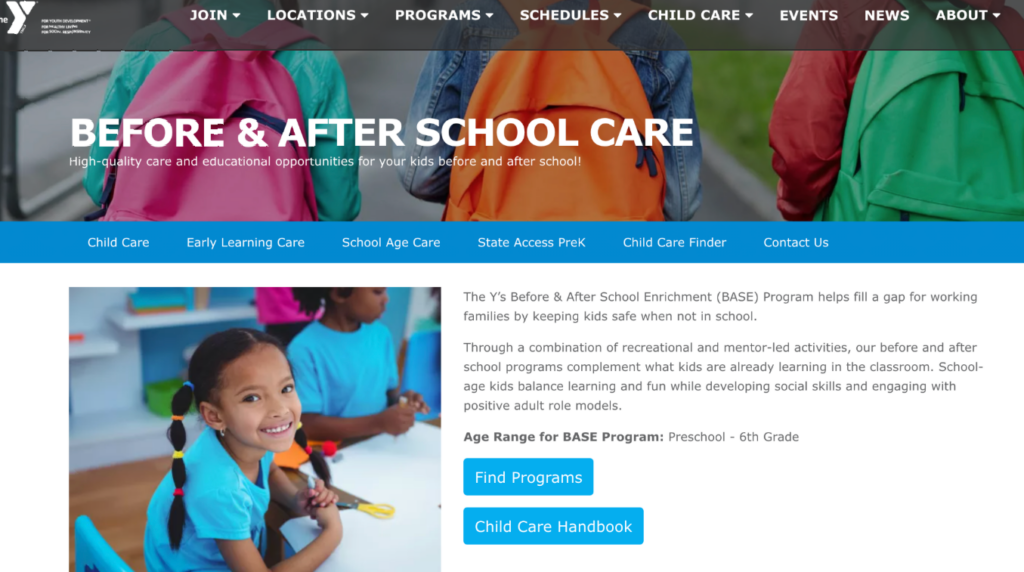
- Kindergarten Readiness and Beyond (Ages 5 and Up): The culmination of early childhood education occurs upon entry into kindergarten. Programs designed for pre-kindergarten children focus heavily on self-regulation, following multi-step instructions, and resolving peer conflicts independently. For families requiring extended care, before- and after-school programs offer a seamless transition, providing homework assistance, enrichment clubs, and safe recreational spaces that complement the traditional school day.
Supporting Context & Metrics: The Multifaceted Benefits for Pennsylvania Families
1. Fostering Cognitive Development and Kindergarten Readiness
Quality early learning experiences directly impact a child’s readiness for kindergarten and their long-term academic trajectory. High-quality early care and education goes far beyond basic health and safety standards to provide warm, responsive relationships with trained educators and stimulating, age-appropriate curricula. Participating in these programs helps children learn foundational skills for reading, math, impulse control, and positive interpersonal relationships.
Extensive educational research demonstrates that students enrolled in high-quality early childhood education programs are systematically better prepared for kindergarten. They routinely exhibit more advanced vocabulary, higher-level math competencies, and long-term socio-academic benefits, including notable reductions in special education placements and grade retention rates as they progress through primary and secondary school.
2. Supporting Social-Emotional Growth
A structured classroom environment provides countless organic opportunities for social learning. Through guided activities such as circle time, group story sessions, and collaborative play, children practice essential life skills. They learn the mechanics of patience and turn-taking when speaking, share materials during collaborative craft projects, and cooperate to construct complex block towers.

Trained educators help children navigate complex emotional landscapes by equipping them with the vocabulary needed to express themselves—whether they are communicating fatigue, hunger, or frustration over a malfunctioning toy. Children learn healthy, constructive ways to manage these emotions. This supportive, empathetic guidance fosters emotional regulation, impulse control, and the social confidence required to build healthy, positive relationships throughout their lives.
3. Offering Reliable Childcare
For working parents, reliable childcare serves as the structural backbone of a functional and sustainable family life. The constant stress of coordinating shifting schedules, hunting for last-minute emergency coverage, or worrying about unexpected facility closures can take a severe toll on professional productivity, mental health, and overall family well-being.
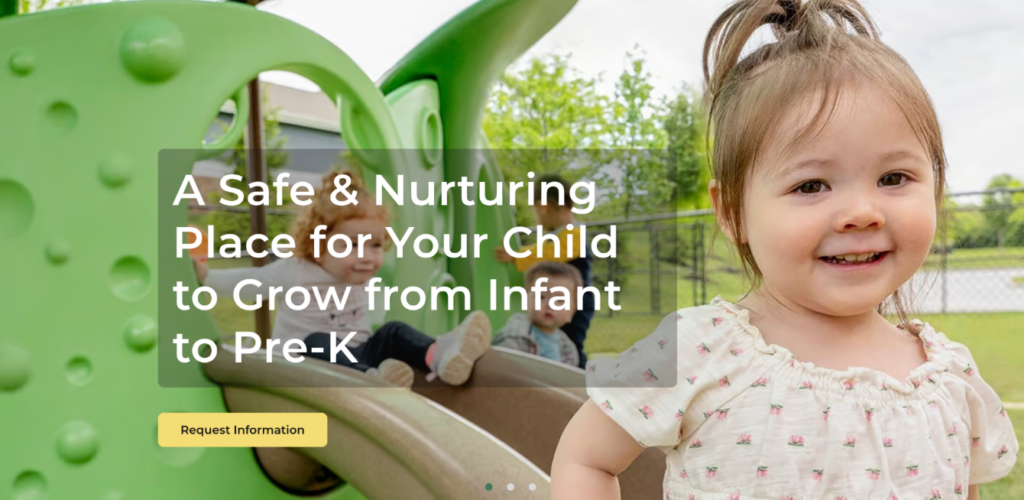
High-quality early education centers provide a dependable, professional solution. Featuring consistent operating hours, rigorously trained staff, and secure, monitored facilities, these centers offer parents genuine peace of mind. Knowing that a child is actively engaged in a safe, nurturing, and intellectually stimulating environment allows parents to focus fully on their professional responsibilities with absolute confidence that their child’s developmental and emotional needs are being met.
4. Creating Stronger Social Networks
Early education centers organically evolve into a "built-in village" for modern families. Beyond the physical classroom, these programs foster a vibrant community where parents can connect with peers navigating the exact same stage of life and parenting challenges.

Casual, everyday conversations during pickup and drop-off, school-sponsored community events such as family picnics, and shared classroom volunteer experiences create a powerful mutual support network. This community quickly becomes a go-to resource for everything from local parenting advice and shared carpooling arrangements to forming lifelong friendships for both the adults and the children, actively combating the isolation that many contemporary parents experience.
5. Allowing Early Identification of Developmental Needs
Because early childhood educators work closely with children on a daily basis, they are uniquely positioned to observe developmental progress over time. They monitor key developmental milestones across crucial domains, including expressive and receptive language, gross and fine motor skills, and social-emotional interaction. If a child is consistently utilizing fewer words than their peers or struggling to engage in collaborative group play, an educator is trained to spot these subtle, early indicators.

This process is built entirely on professional partnership rather than clinical diagnosis. Objective, evidence-based observations help initiate a supportive, highly confidential dialogue with parents, empowering them to seek timely professional intervention services if necessary. Early detection is clinically critical, as it enables targeted early intervention and specialized support, which can make a profound, transformative difference in a child’s long-term academic success and overall well-being.
6. Providing Accessible, Local Support in Pennsylvania
While numerous factors influence the selection of an ideal early childhood education program, Pennsylvania boasts an array of exceptional, highly rated options that deliver world-class care. Selecting a program close to home or workplace streamlines daily logistics—from navigating morning drop-offs to ensuring rapid response in emergency situations. Below are three prominent early education programs situated across different regions of Pennsylvania:

- The Greater Philadelphia YMCA (Philadelphia): Committed deeply to community accessibility and economic equity, the Greater Philadelphia YMCA offers robust financial assistance programs to ensure that children from all socioeconomic backgrounds have the opportunity to participate in high-quality early learning. With numerous neighborhood locations, it helps urban families find convenient, trusted early education programs directly within their local school districts.
- Bala Cynwyd School for Young Children (Bala Cynwyd): Situated just outside Philadelphia through Cadence Education, this school is widely recognized for its highly flexible scheduling options, including innovative programs like the FlexiPass. This flexibility is a tremendous asset for parents managing variable, non-traditional work schedules. The facility prioritizes a nurturing, home-like educational environment where young children feel secure, valued, and supported.
- Chesterbrook Academy Preschool (Wayne): Located in Delaware County, Chesterbrook Academy Preschool utilizes a proprietary Links to Learning curriculum that seamlessly blends hands-on experiential activities with foundational instruction in language arts, mathematics, and early science. Maintaining small class sizes allows the academy to deliver individualized learning experiences carefully tailored to each child’s unique developmental pace.
Official Statements and Expert Perspectives
Public health officials, child psychologists, and educational economists universally underscore the profound societal returns on investment yielded by high-quality early childhood education.
Dr. Sarah Jenkins, a leading developmental psychologist specializing in early childhood interventions, notes: "The architecture of the human brain is constructed most rapidly in the earliest years of life. When we invest in responsive caregiving, language-rich environments, and structured social play, we are not merely babysitting; we are engineering executive function, emotional resilience, and lifelong learning capacity. Programs that maintain low student-to-teacher ratios and employ credentialed educators lay the groundwork for everything that follows in formal schooling."

Furthermore, economic analysts point out that reliable early education infrastructure is inextricably linked to workforce participation rates. In Pennsylvania, where small businesses and major corporate employers alike rely on a steady, engaged labor pool, the availability of dependable preschool and infant care directly mitigates absenteeism and employee turnover driven by childcare breakdowns.
Future Outlook
Looking toward the future, the landscape of early childhood education in Pennsylvania faces both unprecedented opportunities and persistent systemic challenges. As policymakers increasingly recognize early learning as a vital public good, discussions surrounding universal pre-kindergarten expansion, increased wage support for early childhood educators, and expanded subsidy programs for low- and middle-income families have taken center stage in legislative debates.

Technological integration, curriculum modernization centered on social-emotional learning, and inclusive special education integration will continue to define the next generation of early learning centers. For Pennsylvania families, staying informed about these systemic shifts—while actively engaging with local providers such as the YMCA, Cadence Education, and independent preschool academies—remains the most effective strategy for securing a prosperous educational future.
Frequently Asked Questions
What are the primary advantages of early childhood education programs?
These programs offer a comprehensive suite of benefits, including significantly improved cognitive skills, enhanced kindergarten readiness, advanced language and math acquisition, and robust social-emotional development. Additionally, they provide reliable, professional childcare for working parents and foster strong, enduring community social networks.

What age groups do early childhood education programs typically cater to?
Most comprehensive early childhood education programs cater to children from infancy through pre-kindergarten—typically spanning ages 6 weeks to 5 years old. Furthermore, many facilities extend their offerings to include before- and after-school programs to support working parents with school-aged children.
Do early childhood programs genuinely help prepare children for kindergarten?
Yes. A primary, overarching goal of high-quality early education programs is to ensure children transition smoothly into kindergarten. By focusing intensely on foundational academic competencies, self-regulation, and collaborative social skills, these programs dramatically ease the transition into elementary school and foster long-term academic achievement.
Give Your Child a Strong Start in Pennsylvania
Investing time, research, and careful thought into finding the right early childhood education program is one of the most impactful investments you can make in your child’s future. The benefits extend far beyond the classroom walls, establishing a robust foundation for lifelong success while offering invaluable, stabilizing support for working families. We encourage parents to tour local facilities, ask detailed questions regarding staff credentials, safety protocols, curricula, and financial assistance options, and find the perfect educational fit for their family’s unique needs.





Comments
Facebook App ID not configured. Please add it in the Customizer.