
Executive Overview
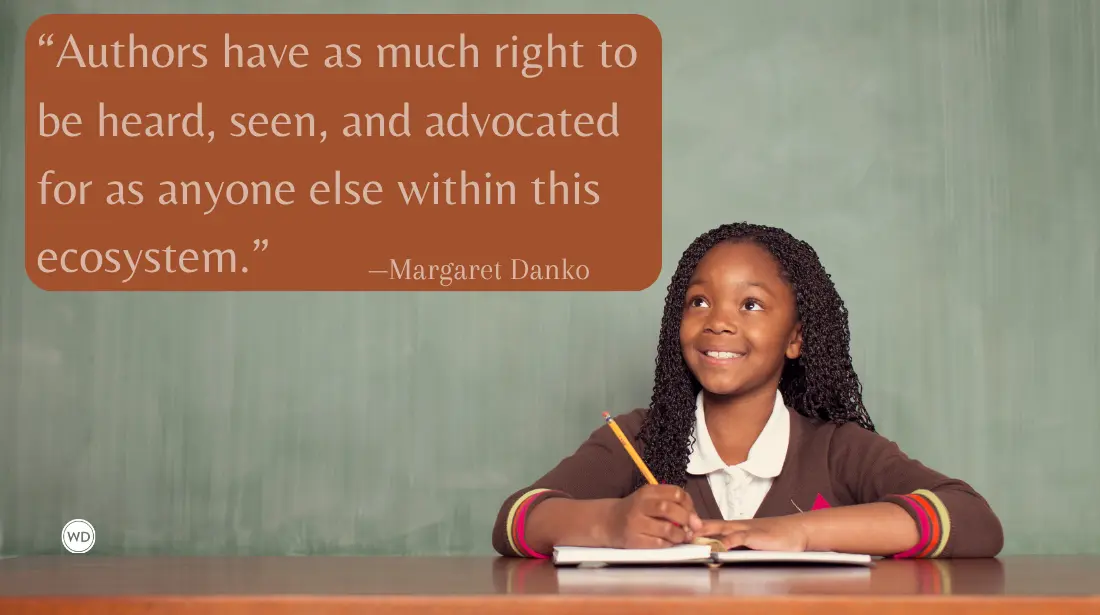
The traditional publishing ecosystem has long operated under an aura of mystique, where literary agents and acquiring editors are frequently elevated to the status of untouchable tastemakers. For decades, emerging and even mid-list authors have navigated this landscape with an acute sense of caution, often viewing routine professional inquiries as potential career hazards. Recent discourse across writer-centric digital communities—such as Reddit threads and specialized forums—highlights a pervasive cultural issue within the industry: authors are excessively deferential to the business professionals representing their work.
This dynamic fosters an environment where basic communication gaps are internalized by writers as personal failures or procedural anomalies. Questions regarding manuscript queues, submission statuses, or subrights management are frequently met with self-doubt. Authors wonder if checking in makes them "annoying," or if asking for clarity on an editorial timeline violates unspoken industry codes.
However, industry veterans and commentators argue that this culture of intimidation is not only counterproductive but fundamentally unsustainable. At its core, traditional publishing is a commercial enterprise built on a symbiotic relationship. Publishers and agents cannot exist without content creators. By examining the roots of this systemic deference, establishing frameworks for professional communication, and advocating for a baseline of human empathy within the industry, writers can—and should—reclaim their agency. It is time to demystify the gatekeepers, normalize transparent dialogue, and establish a healthier standard of professional engagement across the entire literary marketplace.
Read Also
Detailed Chronology: The Evolution of Publishing Power Dynamics
To understand how modern authors came to view literary agents and publishing houses as infallible authorities, it is necessary to examine the historical trajectory of the industry’s power structures.
The Mid-20th Century: The Era of the Gentleman Publisher
For much of the twentieth century, publishing was characterized by long-term, highly personal relationships between authors and editors. Houses like Scribner or Alfred A. Knopf operated with a paternalistic charm. While hierarchy certainly existed, the transactional nature of the business was often softened by editorial mentorship. However, as media conglomerates began acquiring independent publishing houses in the latter half of the century, the bottom line superseded editorial cultivation. The pressure for profitability trickled down, shifting the focus from nurturing a career over decades to maximizing quarterly returns.
The Rise of the Super-Agent
As major publishing houses consolidated, the role of the literary agent transformed. No longer simply contract negotiators and postal intermediaries, agents became the primary filters for the slush pile. With thousands of manuscripts competing for a handful of editorial slots, high-profile agents amassed significant gatekeeping power.
The advent of the internet accelerated this phenomenon. In the early days of blogging and social media platforms like Twitter (now X), certain agents and editors achieved micro-celebrity status. They shared industry insights, critiqued query letters publicly, and built personal brands that often overshadowed the houses they represented. While this democratization of industry knowledge was initially welcomed, it inadvertently placed these figures on digital pedestals. Authors began treating online literary personalities not as working professionals managing a portfolio of clients, but as arbiters of literary worth whose moods and preferences dictated creative survival.
The Contemporary Digital Panopticon
Today, platforms like Reddit, Threads, and Writer Beware forums act as virtual watercoolers where authors congregate to compare notes. These spaces reveal a striking paradox: while the internet has made industry data more accessible than ever, it has also amplified anxiety. Writers observe public interactions, witness high-profile agency partings, and internalize horror stories about difficult clients being dropped. Consequently, a culture of preemptive compliance has taken root, discouraging authors from asking direct, routine questions about their own intellectual property.
Supporting Context & Metrics: The Anatomy of Authorial Anxiety
An objective look at the publishing landscape reveals a stark mismatch between perceived power dynamics and commercial realities.
The Economic Reality of the Author-Agent Partnership
From a legal and financial standpoint, literary agents are service providers operating on commission (typically 15% for domestic sales and 20% for foreign or dramatic rights). They are retained to manage, market, and protect an author’s intellectual property. Yet, psychological studies on workplace dynamics and professional deference show that individuals interacting with commission-based or gatekeeping figures often exhibit submissive behavioral patterns.
Surveys across independent writing communities indicate that over 65% of debut authors hesitate for weeks before following up on overdue manuscript feedback, fearing that their inquiry will negatively impact their agent’s enthusiasm for their work. This anxiety is largely unfounded in professional contexts but thrives in an industry where feedback loops are notoriously slow.
Communication Baselines vs. Industry Norms
In any standard B2B (business-to-business) relationship, a multi-week or multi-month radio silence regarding a deliverable would trigger immediate escalation. In publishing, however, silence has been normalized. While editorial calendars are undeniably backlogged and agents manage dozens of active clients simultaneously, this operational reality does not negate the client’s right to basic situational awareness.
Consider the standard operational inquiries that cause undue writerly stress:
- “Have you received this email confirmation?”
- “Have you had a chance to review the latest revision?”
- “Where roughly does this project sit in your current queue?”
- “What is the current status of submissions to editors?”
None of these questions violate professional boundaries. In fact, they represent the baseline of effective project management. When an industry’s culture discourages these inquiries, it cultivates an unhealthy opacity that benefits no one.
Official Industry Perspectives: Professionalism and Humanity
To establish a sustainable working model, industry stakeholders must balance rigorous professional standards with fundamental human empathy.
The Litmus Test of Professionalism
Advocates for author empowerment emphasize that demanding transparency does not grant license to abandon basic workplace etiquette. The antidote to undue deference is not belligerence or entitlement, but balanced, objective professionalism.
A useful diagnostic tool for writers is the "Colleague Test." Before sending an email to an agent or editor, an author should ask: Would I send this exact message, with this exact tone, to a corporate manager, a valued coworker, or a business partner?
If the answer is yes, the communication is appropriate. If the tone leans into emotional manipulation, demands unrealistic turnarounds, or expects the agent to function simultaneously as a therapist, fortuneteller, and financial planner, it crosses the line. Traditional publishing expects professionalism from all parties. Authors must hold agents and editors to that standard, while holding themselves to it as well.
The Human Element in a Tech-Driven Age
As artificial intelligence and automated systems increasingly permeate creative and administrative industries, the human element of publishing becomes its most precious commodity. Publishing is, at its core, a human enterprise fueled by shared stories, emotional resonance, and collaborative vision.
When an agent or editor responds to an author with clarity, kindness, and promptness, they validate the immense emotional labor required to produce a book. Conversely, when communication breaks down entirely behind a wall of corporate silence, it alienates the creator.
As noted by industry veterans who spend time coaching nervous writers at pitch conferences and workshops, the threshold for managing an author’s vulnerability should be high. Writing a book is an act of exposure; handling that work requires grace. An agent who cannot answer routine questions with basic human decency is failing not just as a business partner, but as a collaborator in a creative endeavor.
Future Outlook: A New Paradigm for Author-Agent Relations
As the publishing industry navigates economic shifts, digital transformations, and evolving business models, the relationship between creators and representatives must mature.
Moving Beyond the "Gods of Publishing" Myth
The digital pedestal upon which certain industry figures have been placed is beginning to crack. As authors realize that no single agent, editor, or publishing house holds an absolute monopoly on literary success—particularly with the maturation of hybrid and independent publishing models—the balance of power is slowly recalibrating.
Agents and editors who wish to retain top-tier talent will need to lean into transparency, proactive communication, and mutual respect. The era of the aloof, unreachable literary gatekeeper is increasingly misaligned with modern professional expectations.
Actionable Takeaways for the Modern Author
- Audit Your Expectations: Understand the difference between a reasonable administrative question (e.g., submission status) and an unreasonable demand (e.g., demanding immediate editorial feedback outside agreed-upon windows).
- Abandon Fear-Based Deference: Remember that you are entering into a commercial partnership. You have an absolute right to know the status of your intellectual property and subrights.
- Prioritize Clear Communication: Initiate polite, direct check-ins when timelines stretch beyond standard industry expectations. Do not let anxiety fester into resentment.
- Evaluate Your Representation: If an agent responds to routine, professional inquiries with defensiveness, gaslighting, or prolonged ghosting, reassess whether that partnership serves your long-term career goals.
Ultimately, traditional publishing cannot survive, let alone thrive, without the authors who generate its foundational intellectual property. By replacing paralyzing deference with confident, professional dialogue, writers can help forge a healthier, more transparent, and profoundly more human literary culture for the future.




Comments
Facebook App ID not configured. Please add it in the Customizer.