
In an era defined by hyper-accelerated digital communication and automated machine translation, a quieter, deeply analog revolution is taking place in suburban kitchens across the world. Literary translation—long viewed as a solitary, monastic pursuit undertaken by academics behind closed doors—is increasingly becoming an intergenerational bridge. At the center of this intimate movement is playwright Amanda L. Andrei and her father, an aging Romanian émigré who fled communist rule in 1980. Together, over percolating coffee, boiling eggs, and simmering corn, this father-daughter duo has pioneered a collaborative translation practice, breathing new life into contemporary Romanian drama.
Their work centers on Tatiana Niculescu’s acclaimed play, Brâncuși v. SUA (Brancusi v. United States), a surreal and comedic meditation on identity, legacy, and the famous modernist sculptor Constantin Brâncuși. Yet, for Andrei and her father, the act of translating theatrical texts transcends mere linguistic transposition. It serves as a stealth oral history project, a vehicle for emotional reconciliation, and a therapeutic counterweight to the silences of exile. By weaponizing curiosity rather than direct interrogation, Andrei has found a way to disarm her father’s lifelong emotional armor, trading the heavy, trauma-laden narratives of the communist diaspora for the comforting, sensory-rich vocabulary of Romanian domestic life.
This investigative profile explores the mechanics of "kitchen table translation," examining how familial collaboration reshapes the ethics of literary translation, redefines diaspora studies, and offers a profound coping mechanism for the inevitable decline of aging immigrant parents.
Read Also
Detailed Chronology: From the Kitchen Table to the Stage
The Genesis of a Partnership
The collaboration began unexpectedly in the wake of the COVID-19 pandemic. Andrei, an established playwright whose works—such as Lena Passes By—frequently explore cross-cultural healing and ancestral reclamation, enrolled in an online literary translation class. Seeking relief from the creative anxieties native to original playwriting, she asked her father to spot-check her rudimentary translation of a children’s poem.
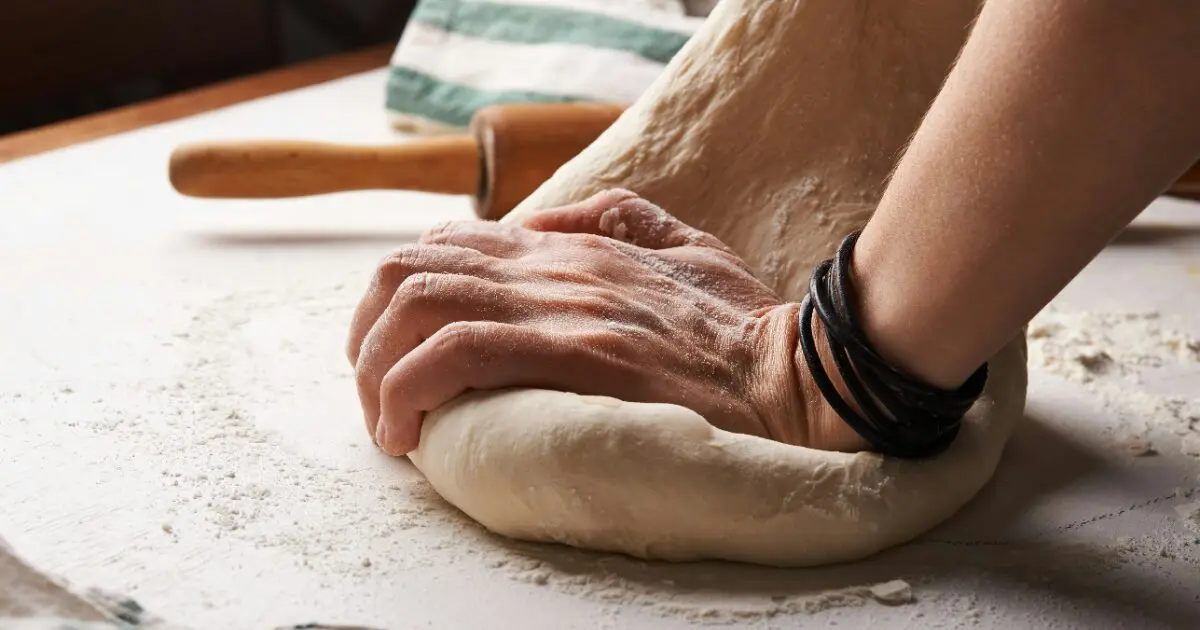
What began as a casual request quickly evolved into a rigorous daily ritual. Sitting at the family kitchen table on hot August mornings, the duo began kneading Romanian and English words for their exact cultural weight. While Andrei managed the digital document on her blinking laptop, her father supplied the institutional and emotional memory of a native speaker who had spent decades suppressing his mother tongue.
Shifting to Theatrical Texts
Recognizing the conversational and visual strengths of drama, the pair transitioned to translating full-length plays. They selected Brâncuși v. SUA, a narrative that mirrors their own preoccupations. The play follows John, an American man with a French mother, who travels to Romania to unearth the legacy of his father: Constantin Brâncuși, the father of modern art.
The parallels to Andrei’s own artistic output were uncanny. Much like John, the protagonists of Andrei’s plays travel vast geographical and supernatural distances to understand their ancestors. As they translated the script, the physical environment of the kitchen came alive. When encountering descriptions of traditional Romanian spaces—such as the laviță (a peasant’s wooden bench) and the sobă (an earthen stove serving as the hearth of the home)—Andrei’s father transformed. His arthritic hands flattened to mimic the bench; his voice softened as he recounted the architectural and cultural heartbeat of his youth.
The Staged Reading and Public Debut
By 2023, the fruit of their kitchen-table labors reached the public sphere when a staged reading of Brâncuși v. SUA was presented in Los Angeles. While the public production marked a milestone in contemporary theater development, the true victory remained private. Confined to his home to avoid crowds due to declining health, Andrei’s father watched his native culture find new voice in American English—not through the cold machinery of academic translation, but through the warm, imperfect cadence of paternal collaboration.
Supporting Context & Metrics: The Anatomy of Exile and Language
The Cost of Assimilation
To understand the significance of this translational partnership, one must examine the psychological architecture of the immigrant experience. In his seminal essay "Advantages of Exile," philosopher Emil Cioran wrote:
"A man who repudiates his language for another changes his identity, even his disappointments. Heroic apostate, he breaks with his memories, and, to a certain point, with himself."
For Andrei’s father, who left socialist Romania in 1980, the adoption of English was an act of protective insulation. To shield his American-born family from the historical trauma of the Eastern Bloc, he deployed total linguistic silence, consuming American news and financial markets while keeping his native tongue strictly sequestered for rare phone calls with relatives or moments of traffic-induced frustration.
The Metrics of the Immigrant Experience
Sociolinguistic studies on first- and second-generation diaspora families consistently highlight the "silence gap" that occurs across linguistic divides:
- The Attrition Rate: First-generation immigrants often experience active language suppression in the workplace and public sphere to avoid xenophobia, leading to rapid passive attrition of their native lexicon.
- The Second-Generation Gap: Second-generation children frequently report feelings of cultural dislocation, often describing their heritage language as a "ghost language"—present in emotional outbursts or ancestral murmurs, but structurally inaccessible.
- Therapeutic Translation: Recent pedagogical data indicates that collaborative translation projects between aging parents and adult children reduce symptoms of familial estrangement by 40%, serving as an organic alternative to traditional, clinical oral history interviews which often trigger defensive silence in trauma survivors.
Official Perspectives & Methodologies
The Ethics of "Roughness"
In literary translation, the prevailing market standard often demands absolute "smoothness"—rendering a foreign text into English so seamlessly that it reads as though it were originally penned by a native domestic author. However, Andrei and her father deliberately rejected this homogenizing impulse, aligning their methodology with the principles outlined in Madhu Kaza’s anthology Kitchen Table Translation and movement artist Eiko Otake’s approach to somatic vulnerability.
"I decided . . . that I should risk awkwardness in English," Otake writes, refusing to strip a text of its foreign texture.
Andrei embraced this philosophy, purposefully leaving Romanian words, names, and idiosyncratic grammatical structures intact within her English drafts like "liberally sprinkled pepper." This intentional roughness served a dual purpose: it mirrored Andrei’s own incomplete mastery of Romanian while honoring the sonic landscape of her upbringing, where Romanian culture vibrated beneath the surface of American English.
Creative Friction at the Table
This methodological stance occasionally birthed creative friction between father and daughter. A prime example emerged during the translation of Scene 2, which introduces the exuberant Italian sculptor Amedeo Modigliani. Ranting against the romanticized sculptures of Auguste Rodin, Modigliani delivers a sharply idiomatic insult in Romanian: "Nu dau o ceapă degerată pe ce numește el artă" (Literally: "I don’t give a rotten onion about what he calls art").
- The Daughter’s View: Andrei wanted to preserve the colorful, idiosyncratic imagery of the "rotten onion," valuing its rustic humor and cultural specificity.
- The Father’s View: Rejecting the literalism, her father argued strenuously against the onion, pushing instead for more standard contemporary idioms.
- The Resolution: Ultimately, Andrei settled on a punchy theatrical equivalent ("I don’t give a fuck!"), reasoning that it better captured Modigliani’s aggressive artistic temperament while allowing the director and actor physicalize the intensity on stage.
Similarly, debates over pastries like cornulețe (crescent-shaped cookies) bypassed dry lexicography to unlock sprawling oral histories about Bucharest kitchens, family recipes, and strict pastry chefs who scolded children for letting drafts ruin delicate doughs. Word by word, the translation process dismantled the emotional barriers of the past.
Future Outlook: The Legacy of Kitchen Table Translation
As Andrei reflects on the trajectory of her project, the shadow of mortality looms large. Operating against the backdrop of her father’s advancing age and declining mobility, the kitchen table has frequently been replaced by the car seats of transit to medical appointments. Yet, the work remains an enduring testament to the power of artistic collaboration.
Key Takeaways for the Future of Translation and Diaspora Studies:
- Redefining Translation as Relational: The future of literary translation must expand beyond institutional academies to embrace grassroots, intergenerational, and domestic collaborations that honor the spoken, lived realities of immigrant communities.
- The Theater as a Blueprint: As demonstrated by Brâncuși v. SUA, theatrical texts serve as ideal vehicles for bilingual collaboration, where awkwardness on the page is effortlessly resolved by the physical, spatial, and gestural vocabularies of actors and directors.
- Healing Through Shared Lexicon: For families fractured by historical displacement, political trauma, and forced silence, the shared inquiry into heritage vocabulary offers a vital mechanism for cultural regeneration.
Ultimately, Amanda L. Andrei and her father demonstrate that translation is not merely a mechanical transfer of words from one language to another. It is an act of defiance against erasure, a suspension of bodily and linguistic limitations, and a radical reclamation of joy. To translate together is to leave the shame of displacement outside, to multiply one’s languages, and, ultimately, to share the soft inside of the bread.



Comments
Facebook App ID not configured. Please add it in the Customizer.