
Executive Overview
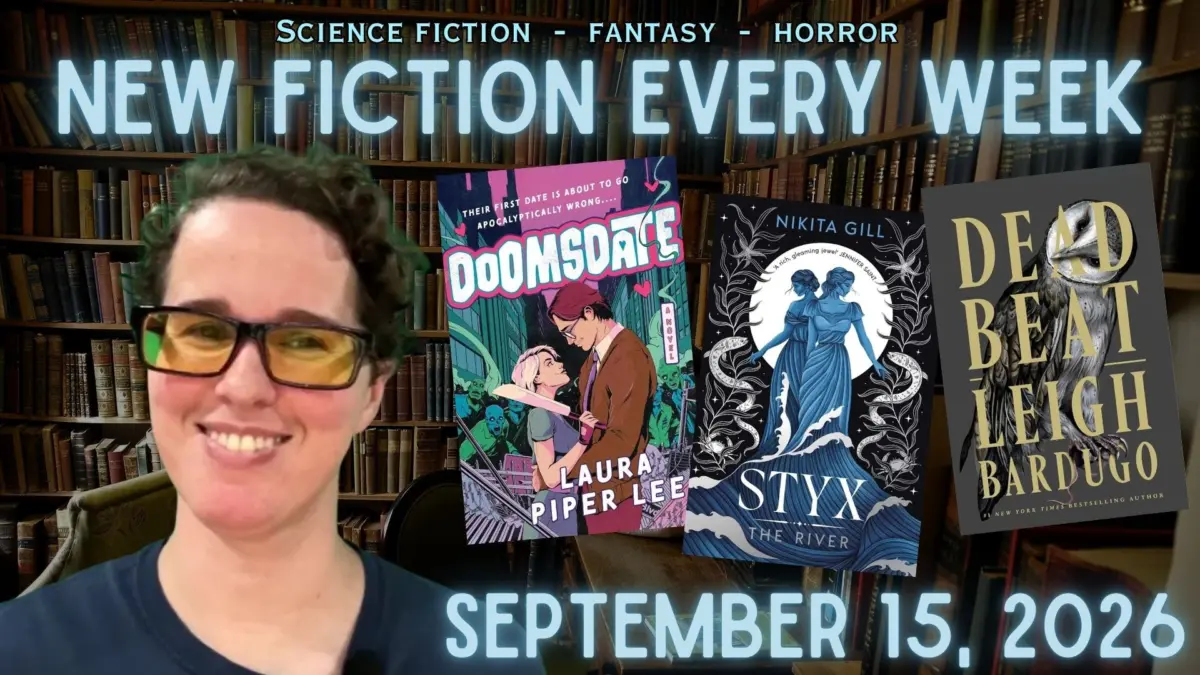
On September 15, 2026, Locus Magazine, the long-standing journal of record for the science fiction, fantasy, horror, and young adult (YA) publishing industries, released its latest weekly multimedia digest. Designed to offer a curated gateway into the week’s most significant book releases, the video roundup represents more than just a routine update; it is a critical navigational tool in an increasingly saturated and fragmented literary market.
As the publishing sector enters the highly competitive autumn release window, readers, retailers, and industry professionals are facing an unprecedented volume of new titles. Locus’s weekly curation efforts aim to separate literary signal from noise, covering a diverse array of imaginative settings, epic journeys, psychological horror, and character-driven YA fiction.
However, the release of this weekly media package also highlights a broader, more systemic challenge facing independent arts journalism. Alongside its editorial curation, Locus issued an urgent appeal for reader-backed financial support. This juxtaposition underscores a stark reality in 2026: while speculative fiction is experiencing a golden age of mainstream cultural footprint and multimedia adaptations, the independent journalistic infrastructure that catalogs, reviews, and critiques this work is operating under severe financial strain.
Read Also
This investigative report examines the launch of the September 15, 2026, release slate, the structural evolution of speculative fiction media, current market metrics, and the precarious economic models supporting independent literary journalism today.
Detailed Chronology: The Evolution of SFFH Media and the Fall Publishing Surge
To understand the significance of Locus Magazine’s September 15, 2026, video release, it is necessary to trace the historical and seasonal timelines that govern the speculative fiction publishing industry.
[1968] Locus Founded as a physical fanzine by Charles N. Brown
   │
[1997] Locus Online launches, pioneering digital SFFH news
   │
[2010s] Shift toward multi-channel digital publishing and social media
   │
[2020s] Rise of visual book media (BookTok, BookTube) creates market saturation
   │
[Sept 15, 2026] Locus launches Fall video curation slate & issues critical fundraising appeal
The Autumn Release Bottleneck
In the publishing industry, the post-Labor Day window in September serves as the traditional kickoff for the fall publishing season. This period is characterized by:
- The "Big Books" Push: Major publishing houses release their most anticipated, award-contending, and commercially viable titles ahead of the winter holiday shopping season.
- The SFFH Congestion: Science Fiction, Fantasy, and Horror (SFFH) titles face intense competition for limited physical shelf space in brick-and-mortar bookstores and digital visibility on algorithmic storefronts.
- The Discovery Crisis: With thousands of titles launching simultaneously across traditional, indie, and self-published channels, authors and readers face a mutual "discovery crisis"—where quality books struggle to find their audience.
Locus’s Strategic Pivot to Video
Founded in 1968 by Charles N. Brown as a one-page news sheet to promote the 28th World Science Fiction Convention (Worldcon), Locus evolved over the decades into a monthly trade magazine. As print circulation dynamics shifted over the last two decades, the publication adapted by expanding its digital footprint.
By September 2026, the integration of high-production-value video roundups became a central pillar of Locus’s audience engagement strategy. Recognizing that younger demographics and casual readers increasingly consume book recommendations via visual formats—such as YouTube, TikTok, and Instagram Reels—the magazine transitioned its traditional text-based "New Books Received" lists into highly structured weekly video digests. The September 15 video represents the latest iteration of this multimedia evolution, blending traditional editorial authority with modern digital delivery.
Supporting Context & Metrics: The Speculative Fiction Market in 2026
The necessity of curated roundups like those provided by Locus is driven by the sheer scale of the modern publishing market. Speculative fiction has transitioned from a niche subculture into a multi-billion-dollar economic engine driving global entertainment.
The Volume Problem
According to publishing industry data from the mid-2020s, the volume of unique ISBNs registered annually has climbed steadily, driven by the expansion of self-publishing platforms and digital-first imprints.
| Genre Category | Estimated Weekly New Releases (US/UK) | Percentage Increase Year-over-Year (2025–2026) | Primary Consumer Discovery Channel |
|---|---|---|---|
| Science Fiction | ~350 | +4.2% | Digital Newsletters / Video Roundups |
| Fantasy | ~480 | +6.8% | Social Media (BookTok / BookTube) |
| Horror / Speculative Thriller | ~180 | +11.3% | Podcasting / Indie Press Curations |
| Young Adult (YA) Fiction | ~290 | -2.1% | Influencer Collaborations |
This high volume of new titles makes curated roundups essential. Without professional filters, readers suffer from "choice paralysis," and midlist or debut authors risk being entirely obscured by major-brand bestsellers.
Key Thematic Trends Identified in the September 15 Slate
An analysis of the titles highlighted in Locus’s mid-September coverage reveals several dominant thematic trends shaping speculative fiction in late 2026:

- Ecological and Climate Science Fiction ("Cli-Fi"): Stories moving away from purely dystopian catastrophes toward "solarpunk" or pragmatic adaptation narratives, reflecting real-world global climate anxieties.
- Cozy Fantasy and High-Concept Escapism: Following the commercial success of low-stakes fantasy in previous years, the Fall 2026 slate shows a sustained demand for character-driven, community-focused fantasy settings.
- Folk Horror and Domestic Supernatural: In the horror sector, there is a notable shift toward regional folklore, psychological dread, and supernatural mysteries set in claustrophobic, familiar environments.
- Genre-Bending Young Adult (YA): Modern YA continues to blur the lines between traditional fantasy, contemporary social commentary, and speculative mystery, targeting an aging demographic that spans teens to twenty-somethings.
Official Statements: The Crisis of Independent Literary Journalism
While the demand for speculative fiction is at an all-time high, the financial ecosystem supporting the journalists, reviewers, and historians who document the genre is in a state of structural crisis. The inclusion of a fundraising appeal in Locus’s September 15 post is a direct reflection of this systemic challenge.
The Institutional Stance of Locus Magazine
In their public appeal, the editors of Locus articulated the precarious nature of independent arts media:
"While you’re here, please take a moment to support Locus with a one-time or recurring donation. We rely on reader donations to keep the magazine and site going. We publish hundreds of reviews and news stories each year, but we can’t do it without your help."
This statement highlights a critical dependency. Unlike corporate-backed media conglomerates, independent non-profit entities like the Locus Science Fiction Foundation rely on a delicate mix of print subscriptions, digital advertising, and direct reader philanthropy to sustain their editorial operations.
The Changing Economics of Publishing Journalism
For decades, literary magazines were funded primarily through print subscriptions and publisher advertisements. However, the digitization of advertising has diverted marketing budgets toward direct-to-consumer social media campaigns and search engine marketing.
Industry analysts point to several factors compounding this financial pressure:
- The Ad-Revenue Collapse: Programmatic ad rates for independent websites have steadily declined, making banner ads insufficient to cover editorial payrolls.
- The Cost of Investigative and Review Journalism: Conducting professional, unbiased reviews and investigative reporting requires fair compensation for writers, editors, and columnists—costs that cannot easily be offset by algorithmic content generation.
- The Preservation of History: Organizations like Locus do not merely review new books; they maintain extensive historical archives, track industry deaths, record awards, and compile market data that serve as the historical record of the genre.
Future Outlook: The Road Ahead for Speculative Fiction Curation
As the industry moves toward 2027, the relationship between speculative fiction publishers, readers, and independent media outlets like Locus is expected to undergo further transformation.
             ┌──────────────────────────────────────────┐
             │   Traditional SFFH Print & Web Media     │
             └────────────────────┬─────────────────────┘
                                  │ (Shift in Reader Habits)
                                  ▼
             ┌──────────────────────────────────────────┐
             │  Multi-Format Delivery (Video, Audio)    │
             └────────────────────┬─────────────────────┘
                                  │ (Economic Realities)
                                  ▼
             ┌──────────────────────────────────────────┐
             │   Direct-to-Consumer Patronage Models    │
             └──────────────────────────────────────────┘
The Imperative of Multi-Format Delivery
The success of Locus’s September 15 video release suggests that the future of literary journalism lies in hybrid media strategies. To remain relevant, legacy publications must continue to repackage their deep editorial expertise into short-form video, podcasts, and interactive digital databases. Publications that fail to transition to these multi-format delivery models risk losing touch with the next generation of speculative fiction readers.
The Shift Toward Direct Patronage Models
To survive, independent literary media will likely become increasingly reliant on direct-to-consumer patronage models. Platforms like Patreon, Kickstarter, and direct reader-donation systems are transitioning from alternative funding mechanisms into core revenue streams.
The long-term health of speculative fiction journalism will depend on whether its highly passionate community recognizes that high-quality, independent critique and curation cannot exist on algorithmic social media alone. Without dedicated journalistic entities to document the genre, the history of speculative fiction risks becoming decentralized, ephemeral, and subject to the whims of corporate distribution platforms.
Conclusion
Locus Magazine’s September 15, 2026, video roundup is a microcosm of the modern speculative fiction ecosystem. It showcases a vibrant, highly creative genre teeming with new voices and diverse narratives, while simultaneously highlighting the fragile economic foundations of the media that chronicles it. As the fall publishing season continues to unfold, the survival of independent guides like Locus will ultimately be decided not by the algorithms of tech platforms, but by the financial commitment of the readers who rely on them.




Comments
Facebook App ID not configured. Please add it in the Customizer.