
Executive Overview
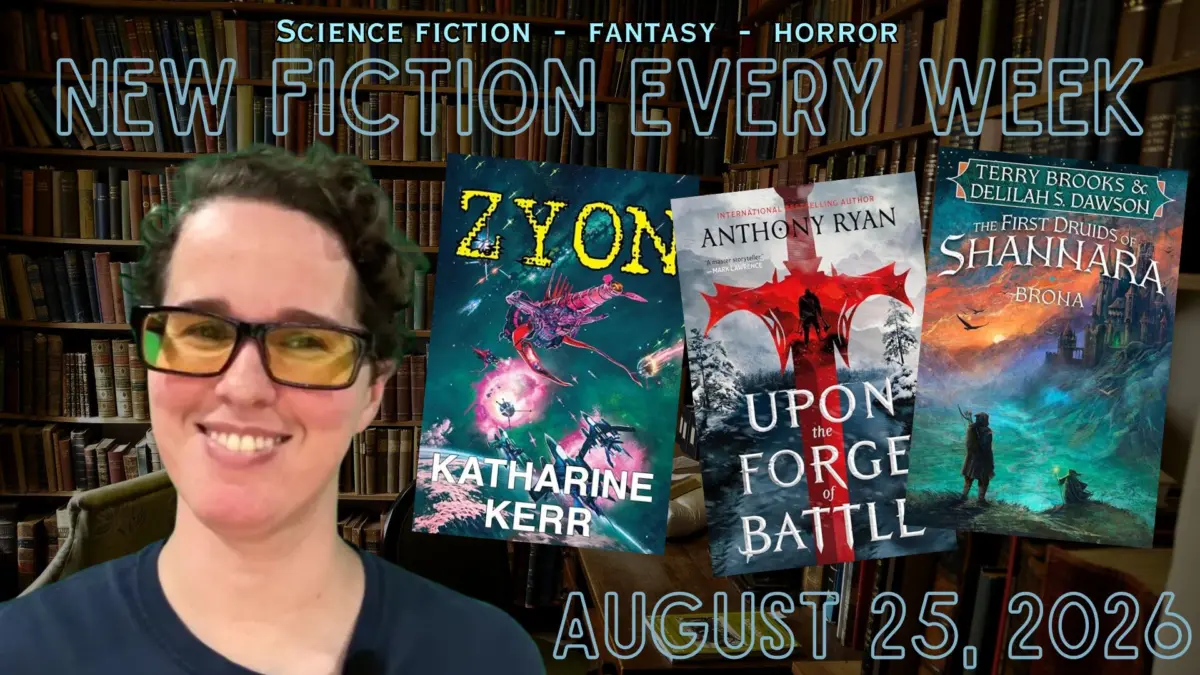
On August 25, 2026, Locus magazine—long regarded as the definitive trade journal of the science fiction, fantasy, horror, and young adult (SFFH/YA) publishing industries—released its highly anticipated weekly new releases roundup. Delivered via its digital platform and accompanied by an integrated multimedia broadcast, the update serves as a critical navigation tool for a global literary market currently grappling with unprecedented volume, shifting consumer habits, and structural changes in distribution.
For over half a century, the Locus Science Fiction Foundation has functioned as a central clearinghouse for speculative fiction. Its weekly roundups are not merely passive directories; they represent a highly curated intervention in an industry increasingly dominated by algorithmic recommendation engines and social media micro-trends. The August 25 release highlight comes at a pivotal juncture for the publishing ecosystem. As traditional brick-and-mortar shelf space contracts and digital self-publishing platforms experience exponential growth, the role of independent, authoritative tastemakers has transitioned from a luxury to an absolute necessity for author visibility and reader discovery.
However, the delivery of this critical service occurs against a backdrop of systemic financial vulnerability for independent literary journalism. Alongside its curated recommendations, Locus issued an urgent appeal to its readership for financial support. This duality—offering essential industry guidance while simultaneously pleading for the economic resources to survive—underlines a broader crisis within the media landscape: the precarious nature of maintaining high-quality, independent cultural critique in an era of ad-revenue decline and platform fragmentation.
Read Also
Detailed Chronology: The August 25, 2026, Literary Wave
The final week of August has traditionally served as a strategic launching pad for publishers aiming to capture the late-summer reading market while building momentum for the competitive autumn and winter holiday seasons. The August 25, 2026, roundup highlights a diverse array of narrative strategies, reflecting the complex thematic anxieties of the mid-2020s.
[Late Summer SFFH Publishing Cycle: August 2026]
   │
   ├── Mid-August: Early Autumn ARC (Advance Reader Copy) Distribution
   │
   ├── August 25: Locus Curated Release Cycle & Multimedia Broadcast
   │     ├── Science Fiction: High-concept climate narratives & neuro-tech thrillers
   │     ├── Fantasy: Non-Western folklore, cozy magical realism, & political epics
   │     ├── Horror: Eco-gothic dread & digital-age psychological terror
   │     └── Young Adult: High-stakes speculative dystopias & identity-driven fantasies
   │
   └── Early September: Launch of Fall Literary Campaigns & Award Eligibility Windows
Science Fiction: High-Concept Interstellar Journeys and Near-Future Realism
The science fiction selections for this week demonstrate a clear bifurcation in the genre. On one side, publishers are pushing expansive, multi-generational space operas that explore the physical and psychological limits of deep-space migration. On the other, there is a pronounced surge in near-future speculative realism, particularly "cli-fi" (climate fiction) and narratives exploring the social implications of advanced neuro-technology and artificial consciousness. These releases reflect a collective cultural effort to process rapid technological acceleration and ecological instability through a fictional lens.
Fantasy: Folklore Revivals and Subverted Tropes
In the fantasy sector, the August 25 releases highlight a continued departure from Eurocentric medieval settings. The curated list showcases works drawing heavily from non-Western mythologies, indigenous storytelling traditions, and complex political machinations. Additionally, the "cozy fantasy" subgenre—which gained significant traction in the early 2020s—continues to mature, offering character-driven, low-stakes narratives that serve as an emotional counterweight to the more harrowing, grimdark epic fantasies that also populate this week’s lineup.
Horror and Young Adult: Psychological Dread and Transitional Identities
The horror releases selected by Locus emphasize psychological disorientation and eco-gothic dread, moving away from conventional monster tropes toward more atmospheric, existential terrors. Meanwhile, the Young Adult (YA) selections focus heavily on themes of survival, bodily autonomy, and systemic resistance. These YA novels leverage speculative frameworks to address the very real, contemporary anxieties of modern adolescents navigating an increasingly volatile world.
Supporting Context & Metrics: The Crisis of Discoverability and the Economics of SFFH Journalism
To understand the significance of the Locus weekly roundup, one must analyze the macroeconomic realities of the contemporary publishing industry. The volume of books published annually has surged dramatically over the last decade, driven by the democratization of digital publishing platforms and the rise of hybrid publishing models.
The Math of the "Slush Pile" and the Discoverability Crisis
According to industry estimates, over four million new titles are published globally each year, with a significant percentage falling under the speculative fiction umbrella. In this hyper-saturated market, the traditional mechanisms of discovery have broken down:
| Metric / Channel | Traditional Model (Pre-2020) | Contemporary Model (2026) | Impact on Authors & Publishers |
|---|---|---|---|
| Physical Bookstores | Primary discovery hub; curated by experienced staff. | Reduced footprint; shelf space dominated by viral social media titles. | Midlist and debut authors struggle to secure physical placement. |
| Algorithmic Recommendations | Based on direct search history and genre classification. | Driven by paid promotion, high-volume click-throughs, and engagement loops. | Creates "winner-take-all" dynamics; niche or complex works are marginalized. |
| Social Media Curators | Decentralized blogs and dedicated forums. | Highly visual platforms (e.g., TikTok, Instagram) prioritizing aesthetic appeal. | Shorter attention spans; trend cycles compress from months to weeks. |
In this environment, a curated list from an authoritative source like Locus acts as an essential filter. It translates raw volume into a structured, qualitative assessment, protecting both readers from "decision paralysis" and high-quality literature from being buried in digital noise.
The Non-Profit Model and the Funding Gap
The Locus Science Fiction Foundation operates as a 501(c)(3) non-profit organization. This structural choice is vital: it insulates the publication’s editorial voice from the direct commercial pressures of major publishing conglomerates. However, it also exposes the organization to the systemic financial challenges plaguing independent media.

Estimated Revenue Distribution for Independent Literary Media (2026)
┌────────────────────────────────────────┐
│ ░░░░░░░░░ Print/Digital Subs (35%)     │
├────────────────────────────────────────┤
│ ▒▒▒▒▒▒▒ Advertising (20%)              │
├────────────────────────────────────────┤
│ ▓▓▓▓▓▓ Patronage/Donations (40%)       │
├────────────────────────────────────────┤
│ █ Grants/Events (5%)                   │
└────────────────────────────────────────┘
As traditional print advertising revenues have steadily declined across the magazine industry, the financial viability of Locus has increasingly relied on direct reader patronage. The foundation’s fundraising campaigns are not routine administrative drives; they are vital interventions required to sustain operations, pay professional reviewers, maintain their extensive historical archive, and fund investigative reporting on the publishing industry.
Official Statements & Industry Voices
The intersection of multimedia curation and community-funded journalism is a central theme of Locus‘s organizational philosophy. In their public appeal accompanying the August 25 release, the editors made the case for the magazine’s existential value:
"We rely on reader donations to keep the magazine and site going. We publish hundreds of reviews and news stories each year, but we can’t do it without your help. Your support directly funds the deep-dive reporting, comprehensive bibliographies, and unbiased reviews that the speculative fiction community has relied on for decades."
Industry analysts point out that the loss of a pillar like Locus would create an irreplaceable vacuum in the speculative fiction ecosystem. Without an independent trade journal to track contract trends, obituary records, convention reports, and international publishing rights, the SFFH community would lose its collective memory and its most reliable self-regulatory watchdog.
Furthermore, the integration of video content—such as the YouTube broadcast embedded in the August 25 update—signifies an active effort to bridge the generational divide in media consumption. By translating their deeply researched print and text roundups into dynamic, accessible video formats, Locus is actively working to engage younger demographics who prioritize visual and auditory media over traditional text-heavy formats.
Future Outlook: Speculative Fiction in the Late 2020s
As Locus navigates the remaining quarters of 2026 and looks toward the horizon, several key trends are poised to redefine both speculative fiction and the journalism that covers it.
1. The Integration of Generative Technology and Intellectual Property Rights
The speculative fiction community is currently at the absolute epicenter of the debate surrounding generative artificial intelligence. Authors and publishers are actively wrestling with the legal, ethical, and artistic implications of AI-assisted writing tools, automated translation, and synthetic audiobook narration. Magazines like Locus will play a critical role in reporting on these developments, documenting legal precedents, and establishing ethical boundaries for the industry.
2. The Decentralization of Publishing Hubs
While major metropolitan areas have historically dominated the publishing landscape, the rise of digital-first independent presses and global translation initiatives is decentralizing the industry. We are witnessing an unprecedented influx of speculative works from the Global South, East Asia, and Africa. Documenting this global shift requires a highly sophisticated, international network of correspondents—a resource that Locus has spent decades cultivating and must now find the financial means to preserve.
3. The Preservation of the Archive
In an era where digital content can be easily altered, deleted, or lost behind paywalls, the physical and digital archives maintained by the Locus Science Fiction Foundation represent a crucial cultural repository. Preserving these records ensures that the history of speculative fiction—its triumphs, its controversies, and its evolution—remains accessible to future scholars, writers, and historians.
Conclusion
The August 25, 2026, new releases roundup from Locus is more than a simple list of books; it is a testament to the enduring power of curated human intellect in an age of automated curation. The survival of such institutions is not guaranteed by market forces alone; it requires the conscious, active support of the community they serve. As readers explore the vast, imaginative worlds offered by this week’s science fiction, fantasy, horror, and YA releases, the preservation of the guides who lead them through the wilderness remains an urgent, collective responsibility.





Comments
Facebook App ID not configured. Please add it in the Customizer.