
Executive Overview
The streaming landscape is undergoing a monumental shift toward established intellectual property, and few acquisitions loom as large as Netflix’s strategic play for the literary estate of Roald Dahl. Hot on the heels of the platform’s unconventional reality series announcement—titled The Golden Ticket—Netflix has officially greenlit its next major narrative project within the burgeoning Dahl cinematic universe. Penned by acclaimed television writer Danny Brocklehurst, best known for his gripping work on Fool Me Once, this upcoming six-part anthology series promises to weave a dark, atmospheric web through some of the late author’s most subversive short stories.
This ambitious television venture is far from a standalone experiment. Instead, it represents a critical milestone in Netflix’s multi-billion-dollar master plan to dominate both live-action and animated entertainment by monopolizing the Dahl canon. From whimsical stop-motion adaptations helmed by Wes Anderson to upcoming, highly controversial animated film sequels that reimagine the fates of beloved characters, Netflix is systematically building an all-encompassing multimedia empire. As production on Brocklehurst’s untitled project officially commences, industry analysts and literary purists alike are watching closely to see how the streamer translates Dahl’s notoriously dark, morally complex, and macabre adult short fiction into prestige television.
Detailed Chronology: The Evolution of Netflix’s Roald Dahl Strategy
To fully understand the gravity of Netflix’s current slate, one must examine the calculated timeline of acquisitions, partnerships, and creative rollouts that brought the streamer to this juncture.
Read Also
1. The 2019 Foundation: A Strategic Partnership
The genesis of this massive undertaking began in late 2019, when Netflix announced a landmark collaborative agreement with the Roald Dahl Story Company. At the time, the ambition was straightforward yet sweeping: to develop an extensive slate of animated and live-action adaptations based on classic titles like Matilda, The BFG, and The Twits. This initial partnership signaled Netflix’s intent to capture family audiences globally by leveraging generational nostalgia.
2. The 2021 Acquisition: Total Control of the IP
Recognizing that licensing agreements carried inherent limitations, Netflix made a historic power move in September 2021 by acquiring the Roald Dahl Story Company outright. By taking full ownership of the catalog, the streamer secured absolute creative control. The corporate vision articulated at the time was staggering in scope: Netflix announced plans to build an unprecedented, interconnected universe spanning animated and live-action films, television, publishing, video games, immersive experiences, live theatrical productions, and high-end consumer products.
3. Early Successes: Matilda and Wes Anderson
The fruits of this acquisition quickly materialized. In 2022, Netflix released Matilda the Musical, a vibrant, critically acclaimed cinematic adaptation that blended traditional storytelling with high-energy musical numbers. This was followed in 2023 by a celebrated series of short-form Roald Dahl adaptations directed by visionary auteur Wes Anderson, beginning with The Wonderful Story of Henry Sugar. Anderson’s distinct aesthetic sensibilities breathed fresh life into Dahl’s adult-leaning short stories, proving that the author’s work could appeal to sophisticated cinephiles as well as children. Last year further expanded this footprint with the release of an animated adaptation of The Twits.
4. The 2026–2027 Pipeline: Reality TV, Dark Anthologies, and Controversial Sequels
Today, the momentum has reached a fever pitch. Alongside the reality competition series The Golden Ticket, Netflix has greenlit Danny Brocklehurst’s dark, noir-infused anthology series, which begins production this month. Looking further ahead to 2027, the streamer has slated Charlie vs. the Chocolate Factory—an animated feature film functioning as an indirect sequel to Charlie and the Chocolate Factory, depicting a post-prison Willy Wonka coming to terms with the fallout of turning Violet Beauregarde into a giant blueberry.
Supporting Context & Metrics: Talent, Adaptation, and Market Impact
The sheer scale of Netflix’s Roald Dahl empire is reflected not only in its financial investment, which analysts estimate runs into the hundreds of millions of dollars, but also in the staggering caliber of talent the platform continues to attract.
A Star-Studded Ensemble Cast
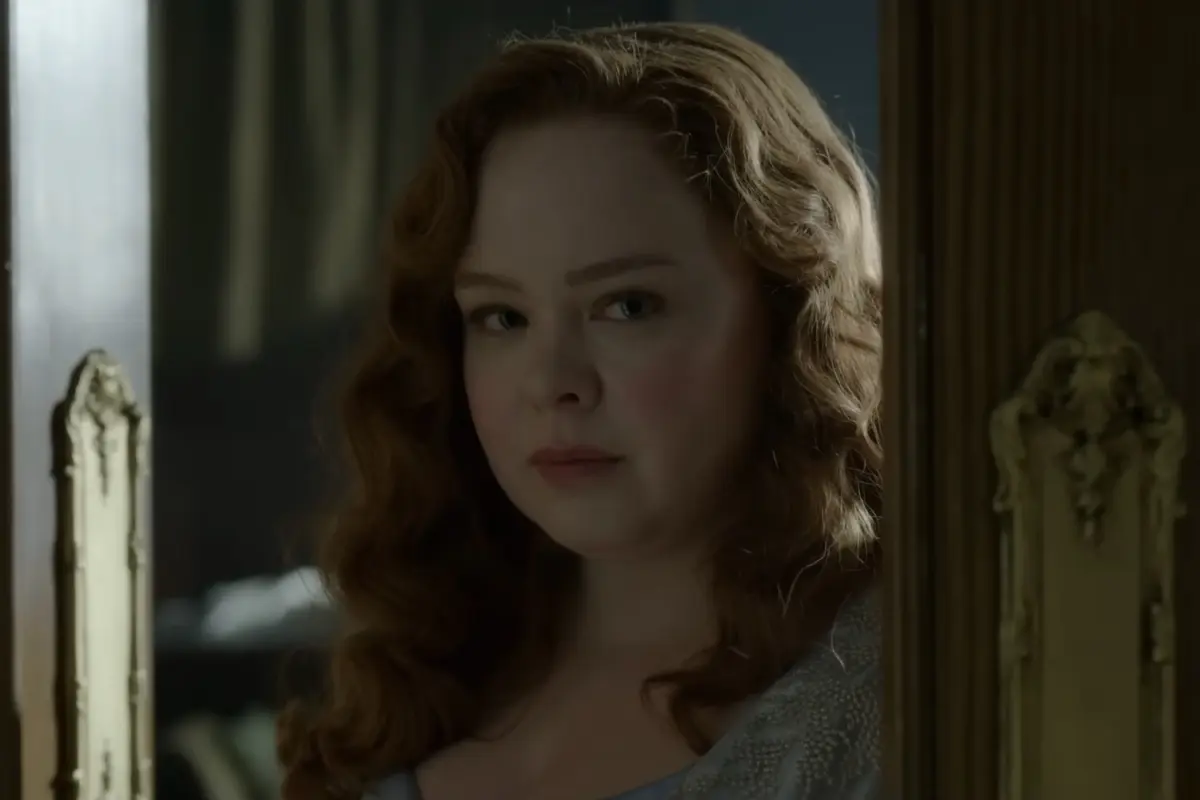
Brocklehurst’s upcoming six-part series boasts an ensemble cast typically reserved for major theatrical blockbusters rather than streaming television anthologies. Headlining the project is Nicola Coughlan, whose breakout global success in Bridgerton has made her one of the most sought-after actors working today. She is joined by screen royalty including Imelda Staunton (Paddington, The Crown) and Dominic West (The Wire, The Crown).
Further rounding out the impressive roster are:
- Naomi Scott (Aladdin)
- Josh Finan (The Gentlemen)
- Toby Jones (Infamous, Tinker Tailor Soldier Spy)
- Carmen Ejogo (The Penguin)
- Christine Tremarco (Adolescence)
- Michael Socha (Chernobyl)
- Clarke Peters (The Boroughs, The Wire)
Deconstructing the Logline: Dahl’s Darker Edge
While mainstream audiences primarily associate Roald Dahl with whimsical children’s literature like James and the Giant Peach and Charlie and the Chocolate Factory, his literary output for adults—compiled in legendary collections like Tales of the Unexpected—is notoriously grim, cynical, and morally ambiguous.
According to official production loglines, Brocklehurst’s series leans heavily into this lesser-adapted adult catalog:
"Brocklehurst weaves a deliciously twisted tale through Roald Dahl’s iconic short stories. A young couple, marooned in a faded seaside town, navigate conmen, adulterers, murderous mothers and snake charmers as they attempt to escape before their own fate is sealed."
This framing suggests a structural approach similar to The Twilight Zone or Black Mirror, utilizing an framing narrative—the marooned young couple—to thread together distinct vignettes ripped straight from Dahl’s most deliciously macabre imagination.
Official Statements and Industry Reception
The aggressive expansion of the Netflix Dahl universe has elicited mixed reactions from industry insiders, literary critics, and devoted fans of the author.
When Netflix first acquired the Roald Dahl Story Company in 2021, co-CEOs and corporate executives emphasized the protective stewardship of the author’s legacy. In joint press releases, representatives for the Roald Dahl Story Company and Netflix stated their shared mission: "To protect and celebrate the unique power and positive positive messages of Roald Dahl’s stories, creating a unique universe across animated and live-action films and TV, publishing, games, immersive experiences, live theatre, consumer products and more."
However, creative decisions such as the upcoming 2027 animated feature Charlie vs. the Chocolate Factory—which casts Taika Waititi as a Willy Wonka who has served prison time for his treatment of Violet Beauregarde—have sparked lively debates across entertainment media. While purists question the necessity of inventing original cinematic sequels when Dahl’s own bibliographic follow-ups, such as Charlie and the Great Glass Elevator (complete with its terrifying extraterrestrial Vermicious Knids), remain unadapted, box-office strategists view these bold swings as essential for modern IP re-engagement.
Industry analysts point out that Netflix’s willingness to subvert, expand, and occasionally provoke audiences with unexpected narrative angles is precisely why their partnership model works. By offering everything from faithful Wes Anderson shorts to high-octane adult anthologies and eccentric animated sequels, Netflix ensures it captures every possible demographic slice of the global streaming audience.
Future Outlook: What Lies Ahead for Netflix’s Dahl Universe
As cameras roll on Danny Brocklehurst’s gripping new adaptation this month, the immediate future of Netflix’s Roald Dahl strategy appears both intensely active and fiercely experimental.
The primary challenge facing Netflix moving forward will be maintaining artistic integrity across such a radically diverse slate of projects. Balancing family-friendly IP like Matilda the Musical with pitch-black adult short-story adaptations and avant-garde character sequels requires a delicate balancing act. Yet, the inclusion of elite writers like Brocklehurst and award-winning performers like Staunton, West, and Coughlan demonstrates that Netflix is dedicated to high-end craftsmanship.
Ultimately, Netflix is attempting something unprecedented in entertainment history: building an entire ecosystem out of a single author’s bibliography, bridging the gap between childhood bedtime stories and adult psychological thrillers. If Brocklehurst’s upcoming anthology succeeds in capturing the biting wit, dark humor, and unpredictable twists of Dahl’s original prose, Netflix will have proven that its multi-billion-dollar literary acquisition was worth every penny, cementing a timeless storyteller’s legacy for a brand-new digital generation.

Comments
Facebook App ID not configured. Please add it in the Customizer.