
Executive Overview
As the cultural calendar shifts into the brisk cadence of autumn, pop culture enthusiasts find themselves navigating a dense landscape of blockbuster conventions, long-awaited publishing milestones, and prestige television premieres. From the bustling exhibition floors of the Javits Center during New York Comic Con to quiet libraries welcoming historic artistic interpretations, the media ecosystem is currently defined by a tension between massive commercial franchises and deeply personal artistic revivals.
This report provides a comprehensive examination of the week’s most significant developments across literature, television, and cinematic releases. Key highlights include the domestic publishing debut of Tove Jansson’s legendary Hobbit illustrations, the ongoing critical renaissance surrounding nautical historical dramas like Black Sails and MGM+’s Treasure Island, Franny Choi’s incisive new essay collection We Radiant Things, and Netflix’s chilling Newfoundland-set monster thriller, Below. Additionally, we offer essential survival metrics for convention-goers bracing themselves against the dreaded phenomenon known industry-wide as "con crud."
Detailed Chronology: A Week in Pop Culture Milestones
The autumn release schedule has unspooled across multiple media verticals with remarkable velocity. Below is the operational chronology of major cultural events, publishing rollouts, and streaming debuts defining the current cycle.
Read Also
Early October: Convention Season Kick-Off
- New York Comic Con (NYCC): Tens of thousands of costumed fans, industry executives, and press personnel converged on the Javits Center in New York City. The annual gathering serves as the primary promotional launchpad for fall and winter entertainment, showcasing upcoming streaming series, comic book variant covers, and exclusive theatrical trailers.
- Health and Safety Advisory: Seasoned convention veterans issued widespread community reminders regarding convention hygiene, emphasizing the mitigation of viral pathogens—colloquially termed "con crud"—through rigorous handwashing and the strategic handling of food items in crowded environments.
Mid-October: Literary and Streaming Debuts
- October 11: MGM+ officially premiered its high-stakes historical adventure series Treasure Island, starring acclaimed British actors David Oyelowo and Hayley Atwell. The series reanimates Robert Louis Stevenson’s classic pirate narrative for a contemporary television audience.
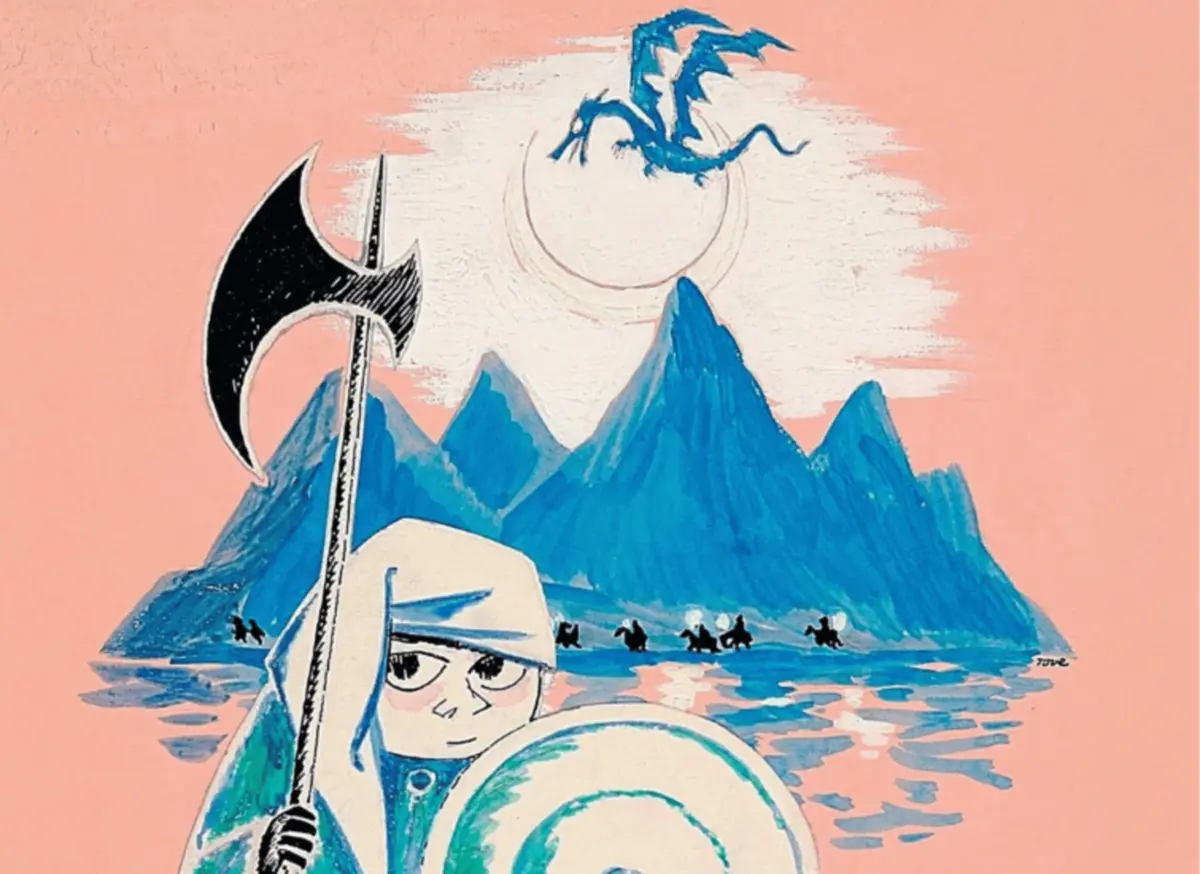
- Mid-October Publishing Window: HarperCollins imprint William Morrow officially distributed The Hobbit: Illustrated by Tove Jansson to North American bookstores. This marked the first time Jansson’s iconic mid-century illustrations—commissioned decades ago by Pippi Longstocking author Astrid Lindgren—became commercially available in the United States.
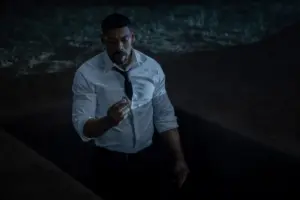
- Concurrent Streaming Drops: Netflix added the Josh Hartnett and Mackenzie Davis-led psychological sci-fi/monster thriller Below to its domestic library, drawing immediate critical comparisons to classic procedural television and atmospheric horror.
Supporting Context & Metrics
To fully understand the cultural weight of this week’s releases, it is necessary to examine the underlying production metrics, historical delays, and demographic reach driving these properties.
The Jansson-Hobbit Publishing Gap
The arrival of Tove Jansson’s Hobbit artwork in the United States represents one of the longest administrative delays in modern fantasy publishing history. Jansson, globally celebrated for her whimsical and philosophical Moomin series, originally created her illustrations for a Swedish-language edition published in Scandinavia decades ago.
- The Lindgren Factor: Archival correspondence revealed that children’s literary icon Astrid Lindgren, acting in her capacity as a publisher, personally solicited Jansson. Lindgren correctly forecasted the eternal resonance of Jansson’s art, writing that Tolkien’s work combined with Jansson’s visual vocabulary would become "the children’s book of the century."
- Market Impact: For U.S. collectors and Tolkien scholars, importing or viewing Jansson’s distinct, hauntingly spare renderings of Smaug and the dwarves previously required specialized overseas purchasing. The William Morrow release bridges a decades-long geographic divide in fantasy illustration studies.
Television Renaissance and the Black Sails Effect
The rollout of MGM+’s Treasure Island has inadvertently triggered a widespread critical re-evaluation of previous pirate-centric television properties, most notably Starz’s critically acclaimed Black Sails (2014–2017). Despite generating a devoted cult following and pioneering complex narrative structures in historical fiction, Black Sails remains underrepresented in mainstream award discussions.
- Cast Trajectory: Media analysts frequently note the discrepancy between the phenomenal performances delivered by actors such as Hannah New (Eleanor Guthrie) and Jessica Parker Kennedy (Max) and their subsequent mainstream visibility in contemporary high-budget franchises.
- Budgetary Scaling: The current influx of maritime and nautical adaptations—including Ridley Scott’s slated 2027 cinematic take on Treasure Island—demonstrates a renewed studio appetite for high-seas adventure, driven by advancements in digital water simulation and practical creature effects.
Critical Theory and Cybernetics: We Radiant Things
In the realm of non-fiction and cultural criticism, Franny Choi’s essay collection We Radiant Things: Notes on Being Alien and Becoming Cyborg establishes a new benchmark for intersectional media analysis. Building upon the thematic architecture of their 2019 poetry collection Soft Science, Choi investigates the intersections of artificial intelligence, racialized identity, and body politics through cinematic milestones like Ex Machina and Ghost in the Shell. The collection champions a style of criticism defined by emotional vulnerability and intellectual rigor—what Choi describes as operating "tenderly, from stabbing range."
Official Statements and Industry Perspectives
Key creators, publishers, and cultural commentators have weighed in on the ethos driving this season’s most notable releases.
-
On Convention Survival and Public Health:
"Sound like a joke? But in reality, it’s my one rule for con-going: No touching food! Not even gum! Get those weird car cups of gum so you can shake it straight into your mouth! Do not pass go; do not let consumables touch fingers that have been pawing through old comics and random swag. I hate con crud."
— Anonymous Pop Culture Columnist & Veteran Con-Goer -
On the Historic Significance of Jansson’s Art:
"This will be the children’s book of the century, and will live long after we are dead and buried."
— Astrid Lindgren, Creator of Pippi Longstocking, in archival letters to Tove Jansson regarding the commission of The Hobbit illustrations. -
On the Evolution of Cinematic Criticism:
"This is the only way I want to do what someone might call criticism: tenderly, from stabbing range."
— Franny Choi, Author of We Radiant Things: Notes on Being Alien and Becoming Cyborg -
On the Critical Reception of Netflix’s Below:
Critics have offered a mixed yet predominantly fascinated consensus regarding the Josh Hartnett and Mackenzie Davis creature feature. Major trade publications have labeled the project everything from an "exhilarating" aquatic mystery (Variety) to "one of the year’s best" surprises (RogerEbert.com), drawing intrigue for its unique blend of isolationist dread and practical creature design.
Future Outlook
As the entertainment industry transitions from the chaotic autumn convention circuit toward the prestige award windows of late winter, several clear trajectories are emerging across the pop culture landscape.
- Increased Demand for Illustrated Classics: The commercial success of The Hobbit: Illustrated by Tove Jansson is expected to prompt North American publishers to scour international archives for rare, culturally localized editions of foundational fantasy and science fiction texts. Joint publishing ventures between European houses and U.S. imprints will likely accelerate through 2026.
- The Re-evaluative Power of Streaming: As new iterations of public-domain properties (such as MGM+’s Treasure Island and Ridley Scott’s upcoming features) debut, legacy cult classics like Black Sails will continue to experience retroactive viewership spikes, demonstrating the long-tail economic viability of serialized prestige television.
- Hybrid Literary Criticism: Works like Franny Choi’s We Radiant Things signal a generational shift in cultural commentary, moving away from detached academic analysis and toward visceral, identity-informed, and emotionally resonant prose that treats popular cinema and speculative fiction as lived reality.
- Navigating the Streaming and Con Landscape: Audiences will continue to balance live, high-density physical events like New York Comic Con with sprawling digital options at home. As production values on mid-tier streaming sci-fi and horror projects (such as Below) rise, viewers are increasingly willing to embrace genre-bending, unpredictable storytelling over traditional network formulas.

Comments
Facebook App ID not configured. Please add it in the Customizer.