
Executive Overview
The global consumer electronics ecosystem is undergoing a profound structural realignment. In the wake of protracted supply chain volatility, surging material costs, and an acute global shortage of silicon, memory, and storage chips, major technology conglomerates are being forced to pass unprecedented costs onto consumers. Leading this wave of economic adjustment is e-commerce behemoth Amazon, which has shocked the digital reading and smart-home markets by hiking prices across its hardware portfolio—including Kindle e-readers, Echo smart speakers, and Fire TV streaming devices—by an extraordinary margin of up to 60%.
For years, Amazon subsidized its hardware lines with the expectation that consumers would continuously purchase digital books, streaming subscriptions, and household goods through its integrated ecosystem. However, compounding macroeconomic pressures have shattered this pricing model. Kindle devices, once celebrated for their aggressive accessibility and budget-friendly appeal, have seen immediate price bumps ranging from $30 to $60 per unit, sparking fierce industry debate over the viability of ad-supported devices and entry-level reading tablets.
Yet, even as the legacy giants recalibrate their pricing strategies to survive a hardware component crunch, the broader e-reader market is innovating at a breathtaking pace. E-reading enthusiasts are witnessing a dramatic pivot toward ultra-portability, digital minimalism, and distraction-free design. Following major hardware announcements in mid-2026, brands like PocketBook and Onyx Boox are capturing global attention with new, pocket-sized form factors designed to combat smartphone addiction and fit comfortably into the palm of a hand. This report provides an exhaustive, investigative breakdown of Amazon’s structural price hikes, the technological catalysts behind them, and the emergence of micro-sized e-readers that are redefining how we consume digital literature.
Read Also
Detailed Chronology of Market Disruptions
The turbulence currently gripping the e-reader and smart-device industries did not materialize overnight. It is the culmination of structural supply chain shifts, raw material scarcity, and aggressive manufacturing competition that began accelerating in late 2025 and reached a boiling point in the summer of 2026.
The Component Crunch and Amazon’s Breaking Point
For the better part of two decades, Amazon’s strategy with the Kindle line relied on razor-thin hardware margins. The company viewed devices not as high-profit physical goods, but as digital storefront portals. By keeping the barrier to entry low—frequently discounting devices during shopping events like Prime Day—Amazon secured a dominant market share in the dedicated e-reader space.
However, throughout late 2025 and into 2026, the global semiconductor market faced severe constraints. A combination of rising fabrication costs, geopolitical trade frictions, and raw material shortages for NAND flash memory and dynamic random-access memory (DRAM) drove component costs skyward. Insiders note that Amazon absorbed these escalating production expenses for months, attempting to insulate consumers from the macroeconomic shock.
By August 2026, however, the financial burden became unsustainable. Amazon officially confirmed that it could no longer delay upward pricing adjustments. Across its entire device ecosystem—encompassing the Kindle family, Echo voice assistants, and Fire TV media streamers—retail prices climbed precipitously. For the Kindle lineup specifically, bumps of $30 to $60 instantly transformed the financial calculus for budget-conscious readers.
The Counter-Wave: PocketBook and Onyx Boox Innovate
While Amazon was forced to re-engineer its pricing structure upwards, competitor brands seized the summer of 2026 to introduce fresh, highly targeted hardware concepts designed to win over disillusioned or distraction-fatigued consumers.

- July 2026: Onyx Boox sent ripples through the digital reading community by teasing the BOOX Picco, a revolutionary micro-sized, pocket e-reader. This device marked the inception of an entirely new ultra-portable product tier for the brand, christened the BOOX Tile line. Engineered for maximum portability, the Picco signaled a return to form-factors that prioritize pocketability over sprawling screen real estate.
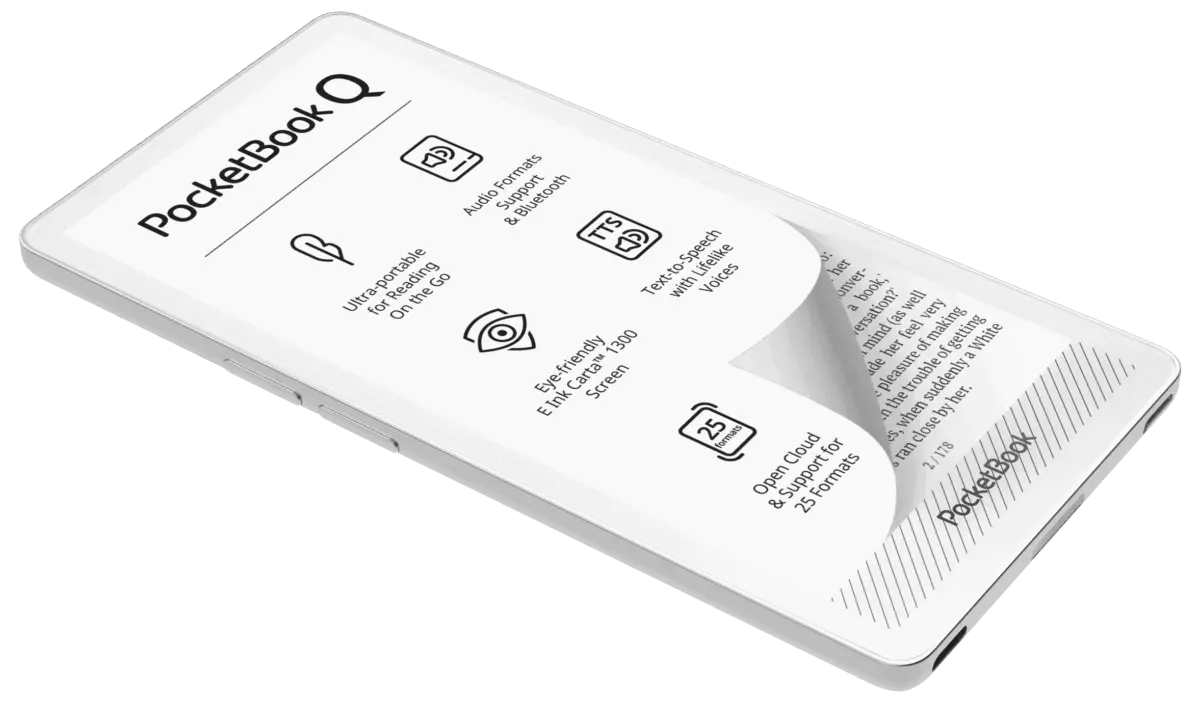
- August 2026: PocketBook officially pulled back the curtain on the PocketBook Q. Unlike standard e-readers that mimic the wide, book-like aspect ratios of small tablets, the PocketBook Q was meticulously engineered to mirror the physical footprint of a modern smartphone. Designed explicitly to curb mobile phone distractions and facilitate effortless one-handed reading during commutes or travel, the PocketBook Q captured the imagination of minimalists worldwide.
Supporting Context & Metrics: The Anatomy of a Component Shortage
To fully understand why Amazon enacted price hikes of up to 60%, one must examine the macroeconomic realities governing modern hardware manufacturing. E-readers, while seemingly simple compared to high-end gaming PCs or flagship smartphones, rely on specialized components that have faced intense supply chain bottlenecks.
The Cost of E-Ink and Memory
Unlike standard LCD or OLED panels, E Ink displays require specialized microcapsules suspended in clear fluid, driven by complex electrical charges. While the display technology itself has stabilized, the supporting infrastructure—specifically low-power microcontrollers, internal storage (NAND flash), and system memory (RAM)—shares supply chains with the broader consumer electronics industry.
When automotive manufacturers, smartphone makers, and AI-driven data centers simultaneously compete for silicon wafers and advanced memory modules, component pricing spikes. For a low-margin device like the standard Kindle, even a modest increase in the wholesale cost of a 16GB storage chip or Bluetooth/Wi-Fi module drastically alters the unit economics of production.
The Death Spiral of the Ad-Supported Kindle?
The sudden price escalation has also forced industry analysts to re-evaluate a long-standing fixture of Amazon’s pricing strategy: the ad-supported (Special Offers) Kindle variant. Historically, Amazon offered a discount to buyers willing to see sponsored screensavers and lock-screen advertisements on their e-readers.
With base hardware prices jumping by $30 to $60, market researchers are questioning whether ad-supported models still make economic sense for the company or the consumer. If the base manufacturing cost of the hardware has risen past the threshold where advertisement revenue can comfortably subsidize the discount, Amazon may be forced to phase out subsidized units entirely, or compress the price differential to a point where consumers overwhelmingly opt for the ad-free experience.
Dimensions of the New Micro-E-Reader Category
The emergence of devices like the PocketBook Q and the BOOX Picco reflects a fundamental shift in consumer ergonomics. Industry metrics highlight a growing demographic of readers who suffer from "smartphone fatigue"—the exhaustion of carrying devices that constantly ping with notifications, emails, and social media distractions.
| Feature / Metric | Traditional 6"–7" E-Reader | Smartphone-Sized E-Reader (e.g., PocketBook Q) | Micro-Sized E-Reader (e.g., BOOX Picco / Tile Line) |
|---|---|---|---|
| Primary Form Factor | Tablet-style, two-handed grip | Smartphone profile, true one-handed grip | Ultra-compact, pocket-first design |
| Target Use Case | Bedtime reading, home libraries, PDF viewing | Commuting, travel, anti-distraction mobile reading | Micro-portability, pocket carry, quick article reading |
| E-Ink Display Technology | Carta 1200 / Kaleido 3 (Color) | High-PPI Monochrome E Ink with Front Light | Next-gen low-power micro E Ink panel |
| Ecosystem Focus | Closed (Kindle/Kobo) or Open Android | Feature-rich, streamlined reading interface | Open Android ecosystem for maximum app flexibility |
Official Statements and Industry Commentary
The convergence of Amazon’s sweeping price adjustments and the nimble counter-strategy of independent e-reader manufacturers has generated widespread commentary across the technology sector.
In a public statement addressing the price hikes, Amazon representatives emphasized that the organization delayed raising hardware prices for as long as humanly possible. Executives noted that absorbing the systemic shocks of the global memory and storage chip shortage was viable in the short term, but prolonged macroeconomic pressures necessitated a market correction to maintain product quality and supply chain integrity.

Meanwhile, industry experts have weighed in on the strategic brilliance of the timing for alternative brands. Michael Kozlowski, Editor-in-Chief at Good e-Reader, discussed these developments extensively in late August 2026, highlighting the profound shift in consumer psychology:
"When legacy giants like Amazon are forced to step back and re-evaluate their pricing models due to component scarcity, it opens a massive window of opportunity for agile competitors. Devices like the PocketBook Q and Onyx Boox’s upcoming Picco prove that the market isn’t just looking for cheaper alternatives—it’s actively looking for better-designed tools that solve modern problems, like reclaiming our attention spans from smartphones while remaining genuinely pocket-portable."
Independent tech analysts point out that while Amazon’s price increases may temporarily suppress impulse purchases of Kindles, they inadvertently validate the higher price-to-value ratio of premium or specialized niche devices. Consumers who are already paying upwards of $150 to $200 for a baseline e-reader may be more inclined to explore open-ecosystem Android readers or specialized form factors that offer text-to-speech (TTS) audio capabilities, Bluetooth integration, and freedom from proprietary bookstores.
Future Outlook: What Lies Ahead for Digital Reading
As the dust settles on the summer 2026 hardware shakeup, the trajectory of the e-reader market is clearer, albeit more expensive, than ever before.
1. Hardware Pricing Is the New Normal
Consumers should not expect a swift return to pre-shortage pricing. As long as global demand for advanced silicon and memory chips remains high—fueled by artificial intelligence infrastructure and automotive electronics—component costs will remain elevated. Manufacturers will likely focus on adding value through software features, superior screen technology (such as advanced color E-Ink panels and faster refresh rates), and premium build quality to justify higher retail tags.
2. The Rise of the Ultra-Portable Niche
The success of the PocketBook Q and the anticipation surrounding the BOOX Picco and the broader BOOX Tile line signal that the era of the monolithic, one-size-fits-all e-reader is diversifying. Just as the camera market split into professional full-frame bodies and high-end pocket compacts, the e-reader market is bifurcating. On one side are home-reading powerhouses with large screens; on the other are ultra-portable, pocket-friendly companions designed for the modern commuter who values digital detox above all else.
3. Ecosystem Loyalty Under Stress
With Kindle prices climbing significantly, Amazon’s closed ecosystem faces its sternest test. Users who feel priced out of hardware upgrades may begin exploring open-platform alternatives from Onyx Boox, Likebook, or PocketBook, where they are free to load applications like Libby, Kindle, Kobo, and Google Play Books onto a single device.
Ultimately, the digital reading market is proving resilient. While supply chain shocks and corporate price hikes have introduced friction, they have simultaneously catalyzed an era of daring design and functional specialization—ensuring that readers have more specialized, high-quality ways to enjoy literature than ever before.





Comments
Facebook App ID not configured. Please add it in the Customizer.