
Executive Overview
In an era increasingly dominated by algorithmic recommendation engines and rapid-cycle social media consumption, independent literary organizations continue to serve as essential gatekeepers of contemporary culture. Electric Literature (EL), a premier non-profit digital publication devoted to illuminating literature’s role in modern life, recently formalized its long-standing "What We’re Reading" series into a definitive editorial showcase. Moving beyond biweekly social media dispatch updates, the publication’s editorial staff and research interns compiled a comprehensive diagnostic of the contemporary literary landscape through their curated summer reading selections.
This curated collection spans fifteen distinct titles, representing a diverse cross-section of emerging and established voices. The selected works range from translated fiction and experimental podcast-formatted narratives to political non-fiction, queer poetics, and psychological thrillers. A rigorous thematic analysis of these selections reveals critical shifts in contemporary reading habits: an increasing demand for unconventional narrative structures (epistolary formats, audio-centric prose, autofiction), a sustained engagement with personal and systemic trauma, and an exploration of how localized geography—from the smog-laden streets of Lagos to the suburban enclaves of the American Midwest—reflects global socio-political precarity.
This report presents an exhaustive examination of the editorial curation process, categorizing the selected works, contextualizing their narrative innovations, analyzing the broader metrics of contemporary literary consumption, and forecasting the future trajectory of independent publishing and editorial curation.
Read Also
Detailed Chronology: A Season of Curated Literary Engagement
The editorial cycle for Electric Literature’s summer curated feature developed across distinct phases, reflecting how readers navigate texts during periods of climate anxiety, social transformation, and evolving media formats. The following detailed chronology categorizes the selected fifteen works by thematic and structural resonance, detailing the narrative mechanics and critical impact of each text.
       SUMMER EDITORIAL CURATION PHASES
  ┌───────────────────────────────────────────┐
  │ Phase I: Urban Realisms & Global Geopolitics│
  │  - One Leg on Earth                       │
  │  - Names Have Been Changed                │
  │  - London Falling                         │
  │  - Every Time We Say Goodbye              │
  └─────────────────────┬─────────────────────┘
                        │
                        ▼
  ┌───────────────────────────────────────────┐
  │ Phase II: Power, Mentorship, & Secrets    │
  │  - Famous Men                             │
  │  - It Could Have Been Her                 │
  │  - The Things We Never Say                │
  │  - Body Double                            │
  └─────────────────────┬─────────────────────┘
                        │
                        ▼
  ┌───────────────────────────────────────────┐
  │ Phase III: Trauma, Memory, & Identity     │
  │  - I Can Tell You the Version...          │
  │  - Dog Days                             │
  │  - Fights!                                │
  │  - In Other Words                         │
  └─────────────────────┬─────────────────────┘
                        │
                        ▼
  ┌───────────────────────────────────────────┐
  │ Phase IV: Form, Nostalgia, & Technology   │
  │  - The Correspondent                      │
  │  - Girl’s Girl                            │
  │  - Transcription                          │
  └───────────────────────────────────────────┘
Phase I: Urban Realisms and Global Geopolitical Imaginaries
The summer reading list opened with works that grapple with human settlement, international mobility, and the socio-economic forces reshaping global metropolises.
- One Leg on Earth by ’Pemi Aguda
Set in Lagos, Nigeria, Aguda’s novel presents a vivid portrait of a sprawling metropolis characterized by vitality, social contradictions, and urban chaos. Editorial reviewers engaged with the text while experiencing severe climate-induced wildfire smoke in New York City, noting how the novel serves not merely as geographical escape, but as a meditation on the shared burdens of urban coexistence amid changing environmental landscapes. - Names Have Been Changed by Yu-Mei Balasingamchow
Balasingamchow delivers a high-velocity narrative centered on a Singaporean criminal on the run. Uniquely structured in the style of an episodic investigative podcast, the novel bridges audio culture and print, utilizing a fast-paced, irreverent voice that redefines the parameters of digital-era storytelling. - London Falling by Patrick Radden Keefe
Celebrated investigative journalist Patrick Radden Keefe examines how foreign capital—specifically the dark money networks of Russian oligarchs—has re-engineered London’s socio-economic infrastructure. Frame-worked through an upper-middle-class family tragedy, Keefe’s non-fiction narrative illustrates how global financial flows intersect with individual human lives. - Every Time We Say Goodbye by Ivana Sajko
Sajko’s claustrophobic, long-sentence prose follows a protagonist on a train bound for Berlin, confronting memories shaped by cumulative geopolitical crises. The novel’s dense, relentless syntax offers a literary embodiment of historical helplessness and European socio-political instability.
Phase II: Power Dynamics, Mentorship, and Domestic Shadows
A significant portion of the editorial picks focused on the dark realities of interpersonal authority, domestic secrets, and psychological obsession.
- Famous Men by Julie Buntin
Buntin’s novel delves into the fraught dynamics of artistic mentorship. Following a protagonist named Will, the narrative examines the lingering psychological shadow cast by an idolized mentor whose true nature diverges from expectations. It offers an unflinching critique of ambition, power imbalances, and creative independence within literary institutions. - It Could Have Been Her by Lisa Jewell
Continuing Jewell’s mastery of the psychological thriller genre, this novel investigates a missing-person mystery centered around "Thornwood"—an estate burdened by decades of accumulated domestic deceit. Jewell’s deft prose systematically destabilizes concepts of truth, family ties, and romantic devotion. - The Things We Never Say by Elizabeth Strout
Pulitzer Prize-winner Elizabeth Strout delivers a study of how long-buried family secrets decompose social bonds. Marked by Strout’s signature authoritative voice and understated stylistic precision, the novel examines the point at which hidden truths inevitably breach the surface of quiet daily life. - Body Double by Hanna Johansson
Described as a "Hitchcockian thriller," Johansson’s novel traces an obsessive, insular romance between two women. The work operates at the intersection of literary fiction and cinematic aesthetics, challenging conventional boundaries of romantic obsession and narrative perspective.
Phase III: The Poetics of Identity, Trauma Processing, and Memory
Reflecting an ongoing shift toward vulnerability in contemporary letters, several featured texts explore queer identity, sudden trauma, and the boundaries of memoir.
- I Can Tell You the Version That Will Make You Take My Side by J Brooke
Brooke’s debut poetry collection addresses the complexities of contemporary queer existence. Balancing sharp cultural commentary with emotional generosity, the poems navigate biological and chosen family dynamics, queer parenthood, and systemic vulnerabilities within the current American political climate. - Dog Days by Emily LaBarge
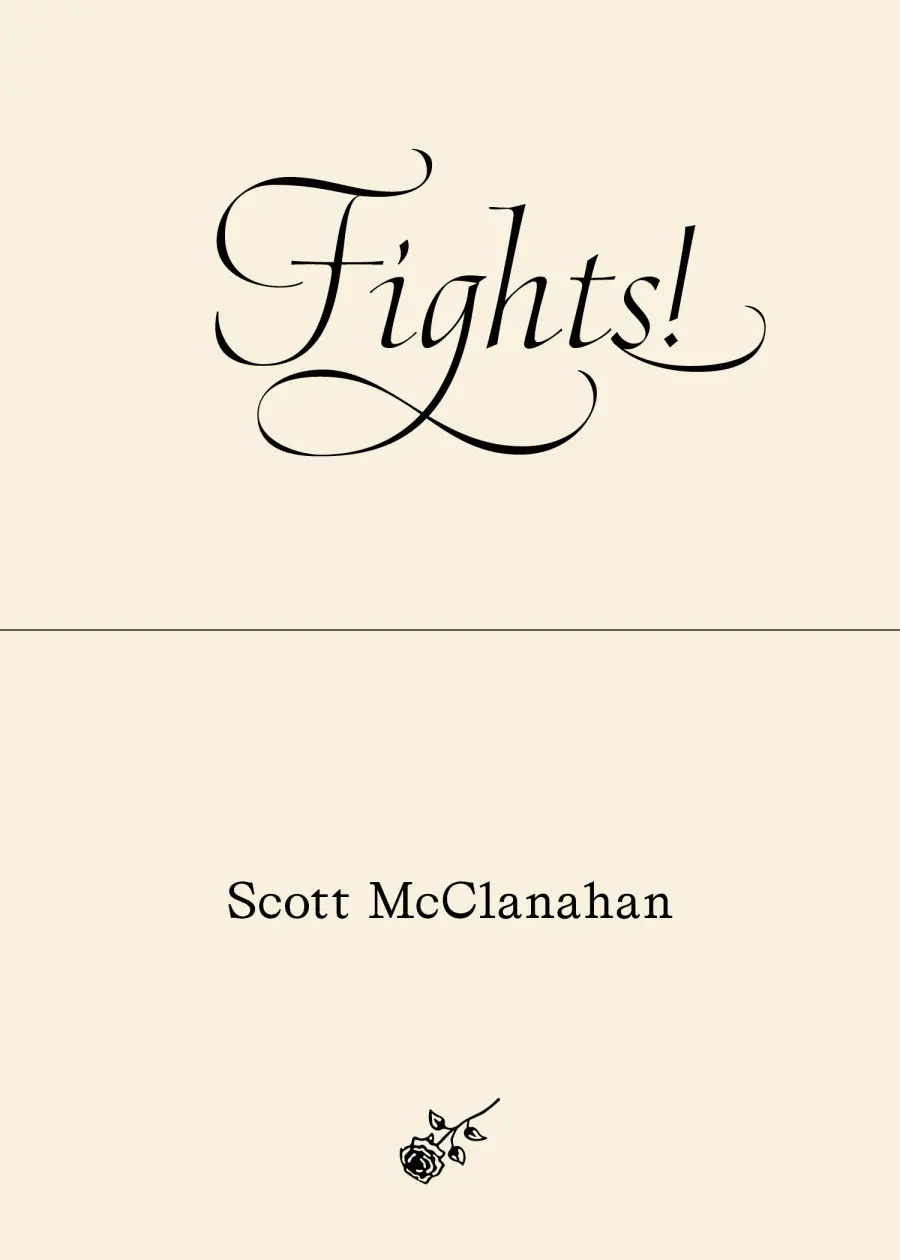
Moving beyond traditional memoir conventions, LaBarge addresses a catastrophic personal trauma—being held hostage during a family vacation—by intellectualizing the experience through art theory, cinema, and literary history. Rather than offering linear catharsis, the text operates as an elusive critique of trauma processing itself. - Fights! by Scott McClanahan
McClanahan’s raw, visceral autobiographical novel chronicles childhood artistic pursuits, personal loss, romantic fractures, and professional struggle. The work captures grief and self-actualization through a blend of dark comedy and tragic realism. - In Other Words by Jhumpa Lahiri
Transcribed into English by Ann Goldstein from Lahiri’s original Italian draft, this non-fiction work details Lahiri’s adult immersion into a new language. The narrative serves as a philosophical reflection on linguistic displacement, artistic reinvention, and the vulnerability inherent in becoming a beginner again.
Phase IV: Form, Nostalgia, and Technological Realism
The final cohort of recommended texts explores suburban nostalgia, epistolary communication, and the subtle ways modern crisis alters human language.
- Girl’s Girl by Sonia Feldman
Feldman captures the intensity of suburban teenage girlhood over a summer marked by complex, romanticized female friendships. Through precise prose, the novel evokes key cultural touchstones—from early-2000s video games like The Sims to state fairs—capturing adolescent vulnerability. - The Correspondent by Virginia Evans
Utilizing the classic epistolary format, Evans constructs the internal life of Sybil Van Antwerp through her written correspondence. The novel highlights how detailed physical rituals—such as preparing morning tea—anchor complex emotional lives and internal mysteries. - Transcription by Ben Lerner
Lerner approaches the COVID-19 pandemic not as a plot device, but as an underlying operational language similar to software infrastructure. The novel explores parenthood, memory, technology, and mentorship, examining how human routines adapt to systemic disruptions.
Supporting Context & Metrics: Analyzing Literary Consumption
The composition of Electric Literature’s curated selections reveals distinct thematic concentrations, genre distributions, and publishing ecosystems. The following metrics illustrate the underlying editorial priorities and structural shifts in independent reading preferences.
Genre Distribution and Publishing Ecosystem
An analysis of the fifteen selected titles demonstrates a strong lean toward literary fiction, balanced by non-fiction, poetry, and genre fiction:

| Genre Category | Count | Percentage | Representative Titles |
|---|---|---|---|
| Literary & Autofiction | 6 | 40.0% | One Leg on Earth, Famous Men, Girl’s Girl, Fights!, Transcription, Every Time We Say Goodbye |
| Psychological Thriller & Crime | 3 | 20.0% | Names Have Been Changed, It Could Have Been Her, Body Double |
| Memoir & Creative Non-Fiction | 3 | 20.0% | London Falling, Dog Days, In Other Words |
| Epistolary & Narrative Fiction | 2 | 13.3% | The Correspondent, The Things We Never Say |
| Poetry | 1 | 6.7% | I Can Tell You the Version That Will Make You Take My Side |
                       GENRE DISTRIBUTION
   ┌─────────────────────────────────────────────────────────┐
   │ Literary & Autofiction             █████████████ 40.0%  │
   │ Psychological Thriller & Crime     ██████ 20.0%          │
   │ Memoir & Creative Non-Fiction      ██████ 20.0%          │
   │ Epistolary & Narrative Fiction     ████ 13.3%            │
   │ Poetry                             ██ 6.7%               │
   └─────────────────────────────────────────────────────────┘
Geographical and Cultural Settings
The geographic scope of the selections highlights an intentional move toward global engagement, counterbalancing domestic narratives with international perspectives:
- Sub-Saharan Africa (Lagos, Nigeria): 1 Title (One Leg on Earth)
- Southeast Asia (Singapore): 1 Title (Names Have Been Changed)
- Western & Central Europe (London, Berlin, Italy): 3 Titles (London Falling, Every Time We Say Goodbye, In Other Words)
- North America (Suburban & Urban USA): 10 Titles (Including works by Buntin, Jewell, Feldman, Brooke, Lerner, McClanahan, Evans, LaBarge, Johansson, Strout)
Distribution Ecosystem
The curation highlights alternative distribution models outside traditional corporate bookselling. Inclusion of independent fulfillment ecosystems—such as Bookshop.org (supporting independent brick-and-mortar bookstores) and Asterism Books (a specialized small-press distributor behind titles like Scott McClanahan’s Fights!)—underlines a deliberate effort to sustain small-press infrastructure.
Official Statements and Critical Commentary
Key editorial figures, staff contributors, and literary critics associated with the Electric Literature ecosystem provided detailed insights regarding the themes present in this season’s selections.
"Instead of offering escape, the novel reminded me that cities, however different, ask the same impossible thing of us: to build lives alongside one another while the ground beneath us is constantly shifting."
— Editorial Reviewer, on ’Pemi Aguda’s One Leg on Earth"Brooke’s collection is whip-smart, bursting with heart, and generous with its humor… an incredibly candid look at what it means to be queer in so many contexts: what it means to be part of a family, both of origin and chosen, and what it means to move actively in a society that often won’t protect you."
— Staff Contributor, on J Brooke’s Poetry Debut"Patrick Radden Keefe is a master storyteller, deftly illuminating deep global backstories and showing how they converge to shape the lives and deaths of contemporary individuals… I am devouring this book and picking up every craft tip I can from it."
— Senior Editorial Staff, on London Falling"In Transcription, the pandemic functions less as a discrete event and more as a software; like with technology, Lerner captures how our language, routines, and relationships were forced to adapt or risk obsolescence."
— Literary Critic & Essayist, on Ben Lerner’s structural approach
Future Outlook: The Evolving Landscape of Literary Curation
The insights drawn from Electric Literature’s summer curated reading list offer a window into broader movements shaping the publishing industry through the remainder of the decade.
                  FUTURE LITERARY TRENDS
  ┌─────────────────────────────────────────────────────────┐
  │ 1. Formal Hybridity & Media Synthesis                    │
  │    (Podcast-novels, epistolary formats, cinematic prose)│
  ├─────────────────────────────────────────────────────────┤
  │ 2. Deconstruction of Traditional Memoir                    │
  │    (Theory-driven trauma, non-linear autofiction)       │
  ├─────────────────────────────────────────────────────────┤
  │ 3. Hyper-Localized Global Realism                        │
  │    (Cross-border narratives reflecting climate & wealth)│
  ├─────────────────────────────────────────────────────────┤
  │ 4. Decentralized Small-Press Distribution                 │
  │    (Rise of Asterism, direct-to-reader platforms)       │
└─────────────────────────────────────────────────────────┘- Formal Hybridity and Media Synthesis:
The enthusiastic reception of works like Yu-Mei Balasingamchow’s podcast-structured Names Have Been Changed and Hanna Johansson’s cinematic Body Double suggests a growing appetite for novels that adopt digital, audio, and visual structures. Future release cycles will likely see an expansion of hybrid-format literature designed to capture audiences accustomed to multi-platform storytelling. - The Evolution of Post-Trauma Narratives:
As demonstrated by Emily LaBarge’s Dog Days and Ben Lerner’s Transcription, writers and readers are increasingly moving away from simple resolution narratives. Literature is increasingly expected to treat historical, societal, and personal trauma as ongoing operational conditions rather than isolated events requiring tidy resolutions. - Strengthening of Independent Distribution Networks:
The prominent featuring of alternative distribution channels like Asterism Books signals a changing landscape for small-press publishing. As major retail supply chains experience ongoing consolidation, independent non-profit publications like Electric Literature will play a critical role in directing reader attention toward small presses and direct-to-consumer book ecosystems. - Globalized Localism:
The interest in localized urban environments—whether the smog-filled skylines of Lagos or the shifting financial sectors of post-Brexit London—underlines a shift in international fiction. Readers are increasingly drawn to works that examine how global forces manifest within distinct local communities.
Through its refined editorial curation, Electric Literature reaffirms that the contemporary novel, poetry collection, and investigative narrative remain vital instruments for making sense of an increasingly complex world.


Comments
Facebook App ID not configured. Please add it in the Customizer.