
Executive Overview
International soccer tournaments have long operated as a parallel theater for global diplomacy, identity politics, and historical grievance. However, the psychological mechanics underpinning modern fandom have transcended conventional sports enthusiasm, mutating into an all-consuming cultural and political paradigm. This phenomenon was thrown into sharp relief during a recent high-stakes World Cup cycle, defined by the volatile convergence of the Argentine national team’s ideological crusade, the visceral malice of partisan spectators, and the systemic commodification of international competition.
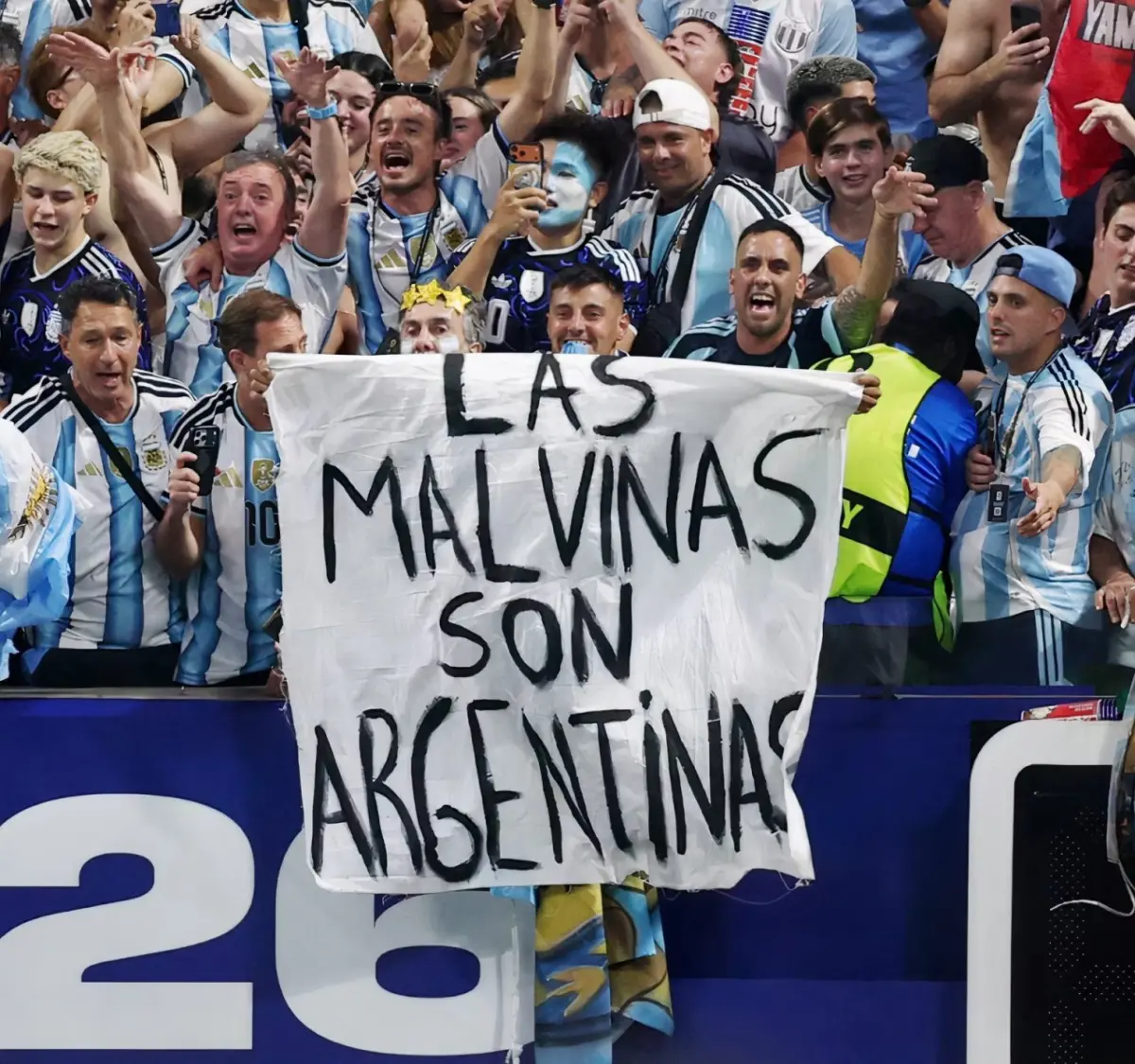
At the core of this tournament’s narrative was the defending champion Argentina squad—a team wrapped in the self-mythologizing armor of national destiny, historical martyrdom, and the cult of personality surrounding Lionel Messi and the late Diego Maradona. Their locker room anthems explicitly weaponized historical trauma, invoking the 1982 Falklands (Malvinas) War and decades-old refereeing injustices. This blurring of geopolitics and athletic competition exposed a deeper truth about the nature of contemporary fandom: it is an exercise in meaning-making under extreme constraints.
While the World Cup purports to be a celebration of athletic prowess, it functions more reliably as a psychological pressure valve. Fans and players alike project their deepest anxieties, nationalist ambitions, and punitive impulses onto a rectangular patch of grass. This comprehensive analysis explores how the architecture of modern sport channels historical wounds into athletic vengeance, the sociological implications of "fanaticism" in an era of polarized public discourse, and the sobering reality of what happens when the container of sports fandom spills over into civil society.
Read Also
Detailed Chronology: From the Locker Room Anthem to the Extra-Time Collapse
To understand the ideological temperature of the tournament, one must trace the ideological journey of the Argentine side, whose motivations were less about tactical execution and more about a perceived cosmic score-settling.
The Anthems of Historical Grievance
Even within the eccentric lexicon of soccer chants, the Argentine squad’s viral locker room anthem set a jarring tone. The lyrics promised that manager Lionel Scaloni would "avenge the Cup stolen from number ten!" while invoking "Las Malvinas" and "El Diego."
Investigating these historical touchstones leads back thirty-two years to Argentina’s tumultuous exit from the 1994 World Cup in North America—a 3–2 defeat to Romania in the Round of 16. Yet, the footage of that match fails to justify a three-decade grudge. In truth, Argentina’s exit was preceded by Diego Maradona’s suspension after testing positive for multiple ephedrine compounds.
The team’s narrative elided inconvenient timelines: by 1994, Maradona was well past his physical prime, having already served a 1991 cocaine ban. He scored zero goals in the 1993–94 La Liga season and spent much of his time battling injuries and controversies. Nevertheless, within the insular logic of fandom, factual accuracy is irrelevant. The myth of the stolen tournament serves a greater emotional purpose, binding past geopolitical humiliations—such as the loss of the Falkland Islands to the United Kingdom in 1982—directly to the modern pitch.
The Path to the Final
As the tournament progressed, Argentina’s matches became less about flowing association football and more about existential standoffs. Relying on late-match magic from Lionel Messi, the squad compensated for tactical inertia through psychological warfare, gamesmanship, and relentless appeals to officials.
In the semifinals, Argentina navigated a bruising encounter against a stubborn English side that seemed more intent on reenacting defensive historical stands than playing expansive football. Meanwhile, on the other side of the bracket, a fluid Spanish collective dismantled a traditional French "great-man" theory of football through geometric passing and systemic dominance.
The Extra-Time Climax
The final match between Argentina and Spain epitomized the collision of two fundamentally opposed worldviews: Spain’s serene, possession-based methodology versus Argentina’s desperate, combative savior complex.
- The Tactical Breakdown: Spain completely dictated the tempo, with midfielder Rodri completing an astonishing 101 passes. Argentina, meanwhile, accrued more attempts to have Spanish players penalized on technicalities than they managed shots on goal.
- The Boiling Point: As regulation gave way to extra time, the simmering tensions boiled over. Fullback Nahuel Molina lashed out at Rodri, and midfielder Leandro Paredes triggered a late-match skirmish that saw him booked and eventually inconsolable at the final whistle.
- The Result: Spain secured a 1–0 victory in extra time, capping one of the most statistically lopsided yet emotionally volatile finals in the tournament’s history.
Supporting Context & Metrics: The Economics and Etymology of Fandom
To fully contextualize the events on the pitch, one must examine the linguistic roots of fandom and the structural realities that govern the global game.
The Etymology of the Fanatic
The word fan derives directly from the Latin fanaticus, meaning "of or belonging to the temple or shrine" (fanum). In Samuel Johnson’s 1773 dictionary, a fanatick is defined as "an enthusiast; a man mad with wild notions of religion." When the term was first imported into American sportswriting in the 1850s to describe baseball spectators, it carried this exact religious weight.
Modern fan-studies scholars note that fandom has evolved from passive preference into active co-creation. Fans do not merely consume sports; they manufacture rituals, paint their faces, bargain with higher powers from the cheap seats, and construct elaborate moral frameworks around match outcomes.
The Geopolitical Reality of the Falklands/Malvinas
The persistent invocation of the Falklands War (Las Malvinas) in soccer chants highlights how athletic rivalries absorb real-world conflicts. The 1982 war—initiated by an unpopular Argentine military junta seeking national unity through conquest and seized upon by British Prime Minister Margaret Thatcher to bolster her own political standing—cost 907 lives.
Neither nation cared deeply about the islands themselves; rather, the conflict was an exercise in narrative control and political survival. Decades later, when an Argentine player’s relative remarks, "We might not have the fourth star, but we have the Falklands for ourselves," it demonstrates the terrifying durability of the fan mindset: objective reality is entirely subjugated to emotional victory.
Official Statements and Cultural Reactions
The psychological weight of the tournament elicited strong reactions from players, managers, and cultural commentators alike.
- Lionel Messi’s Plea for Calm: Recognizing the crushing burden of historical expectation weighing on his teammates before the final, Messi reportedly urged the squad: "Estemos tranquilos, muchachos. Olvidémonos de todos, solo juguemos." ("Let’s stay calm, boys. Let’s forget everything, just play.")
- The Fan Perspective on Argentina: Global audiences exhibited a complex mix of awe and animosity toward the Argentine side. While Messi’s transcendent talent commanded universal respect, the team’s perceived cynicism, tactical play-acting, and reliance on perceived historical grievances alienated neutral observers.
- The Institutional Fallout: Governing bodies faced renewed scrutiny regarding officiating consistency. The tournament underscored how high-stakes athletic competitions often reward teams that successfully manipulate the rules and emotional thresholds of referees, further inflaming partisan hostility.
Future Outlook: The Containment Failure of Modern Fandom
As the dust settles on this tumultuous World Cup cycle, broader sociological questions loom regarding the trajectory of modern fandom.
Sports as a Safety Valve—Or a Spillover?
Historically, the "fan zone" has functioned as a psychological quarantine—a socially acceptable arena where citizens can channel tribalism, sadism, and irrational hatred without causing real-world harm. Within this container, fans can experience collective catharsis, venting their antipathies before returning to civil society.
However, the modern crisis of fandom lies in its failure as a container. The behavioral patterns pioneered in sports stadiums—post-truth tribalism, punitive moralism, selective historical revisionism, and an absolute refusal to acknowledge objective reality—are increasingly bleeding into politics, art, and daily discourse.
What Lies Ahead for International Competition?
As global media ecosystems continue to monetize outrage and polarization, tournaments like the World Cup will likely lean further into engineered narratives of national grievance. For the administrative bodies of international soccer, the challenge will be balancing the commercial benefits of hyper-partisan engagement against the risk of on-field violence and toxic nationalism.
Ultimately, the World Cup remains an exaggerated mirror of human nature: an absurd contest that distorts four years of geopolitical, economic, and emotional yearning into ninety minutes of fleeting geometry. Whether society can continue to contain the overflow of this fanatical energy, or whether the lines between the pitch and the real world will permanently dissolve, remains the defining cultural question of our sporting era.





Comments
Facebook App ID not configured. Please add it in the Customizer.