
By the Good e-Reader Investigative Desk
Published in collaboration with Good e-Reader Radio
Executive Overview
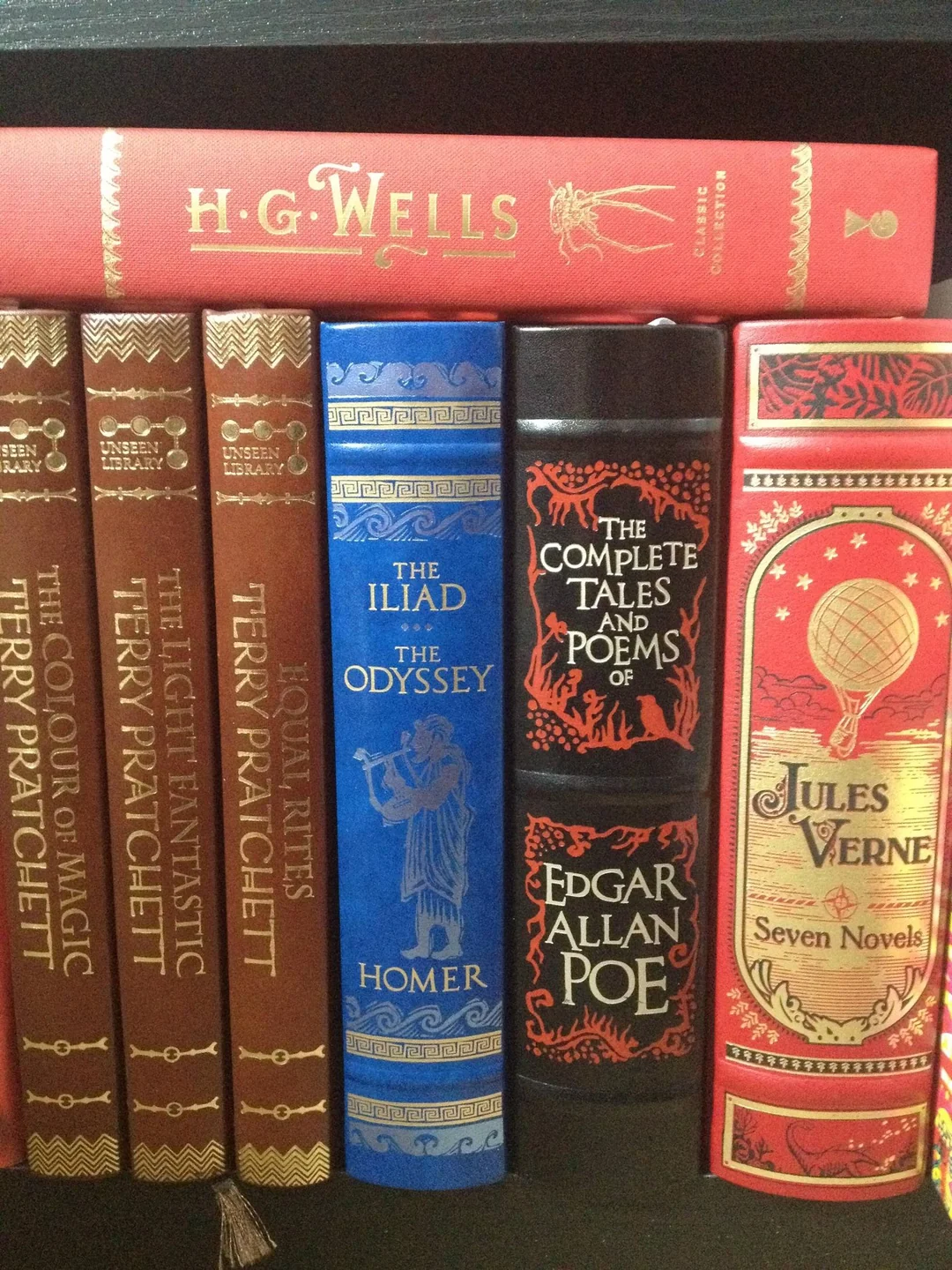
The publishing and digital reading landscapes are facing a dual crisis that threatens the very concepts of literary preservation, ownership, and public access. On one side of the spectrum, artificial intelligence developers are systematically hunting down, purchasing, and physically destroying millions of paper books—including rare, vintage, and out-of-print titles—using industrial guillotines to feed data-hungry large language models (LLMs). This controversial practice, known as "destructive scanning," has ignited fierce ethical, cultural, and legal outrage among authors, historians, and independent booksellers worldwide.
Simultaneously, major digital gatekeepers are tightening the screws on readers who rely on electronic formats. Amazon has quietly rolled out impenetrable new encryption measures targeting older hardware like the Kindle Oasis, effectively shutting the door on user-driven e-book backups and Digital Rights Management (DRM) removal. Concurrently, readers utilizing popular library apps like OverDrive and Libby in the United States have discovered that a long-standing workaround—extending library loan periods by placing a Kindle into Airplane Mode—has been permanently blocked.
Read Also
Together, these parallel developments mark a sobering inflection point in literary history. As physical books are reduced to unbound pulp to train black-box AI systems, digital editions are locking down into rented, ephemeral commodities over which consumers hold virtually zero long-term control. This report explores the mechanics of destructive scanning, the tightening of corporate digital shackles, and what these converging trends mean for the future of reading.
Detailed Chronology: The Mechanics of "Destructive Scanning" and Digital Lockdown
To understand how the literary ecosystem arrived at this precarious juncture, it is vital to examine the sequence of technological and corporate maneuvers that have shaped the current landscape.
Phase 1: The AI Scramble for Proprietary Data
As the generative AI boom accelerated through the mid-2020s, tech companies consumed virtually all openly accessible internet text, leading to severe legal bottlenecks regarding copyright infringement. Facing copyright lawsuits from prominent authors and news organizations, AI developers pivoted their data-acquisition strategies toward physical text repositories.
Rather than negotiating collective licensing agreements with publishers or compensating estates for out-of-print works, third-party data-brokers and AI contractors began purchasing vast quantities of physical books. Vintage paperbacks, specialized academic texts, hard-to-find genre fiction, and classic hardcovers were scooped up from liquidators, thrift stores, and estate sales.
Phase 2: The Industrial Guillotine
Once acquired, these physical volumes are subjected to "destructive scanning." Operating behind closed doors, processing facilities utilize heavy-duty commercial cutting machinery to slice off the glued or sewn spines of bound books. With the bindings removed, individual pages are separated into loose sheets and fed through high-speed, automated sheet-feed scanners.

The resulting digital images are processed via advanced Optical Character Recognition (OCR) software to convert physical ink into clean text strings, which are then ingested into training pipelines for large language models. Once scanned, the physical books—many of which represent irreplaceable pieces of cultural heritage—are typically discarded or recycled as waste paper.
Phase 3: The Hardening of Digital DRM (2025–2026)
While AI labs reduce physical volumes to pulp, tech giants are simultaneously fortifying the walls around their digital ecosystems. For years, dedicated reading enthusiasts utilized devices like the Kindle Oasis to manage personal libraries, employing backup tools to archive purchases against platform shutdowns or account closures.
In a series of unannounced firmware updates rolled out through mid-2026, Amazon implemented robust, modernized encryption standards. These changes effectively neutralized long-standing methods for backing up personal e-book collections and breaking platform-locked DRM on legacy devices, ensuring that users remain permanently tethered to the cloud-based ecosystem.
Phase 4: Closing the Library Loophole
For millions of American readers, public libraries have long served as a vital bridge to digital literature via OverDrive and Libby. A popular, pragmatic workaround allowed users downloading library books onto Kindle-compatible devices to extend their reading time past the formal due date simply by switching their Kindle into Airplane Mode, thereby delaying the automatic return sync until the device reconnected to Wi-Fi.
Recent infrastructure updates across Amazon’s digital ecosystem and library distribution networks have systematically plugged this loophole. Devices in Airplane Mode are now met with forced sync checks, expiration triggers embedded directly into the updated file headers, or remote license revocations that strip access the moment a loan’s timestamp expires, regardless of network status.
Supporting Context & Metrics: The Scale of Destruction and Control
The intersection of generative AI data harvesting and e-book restriction highlights a profound systemic contradiction: while digital content is marketed as infinitely accessible, it is governed by hyper-restrictive ownership models. Conversely, physical books—once valued as durable artifacts capable of lasting centuries—are now treated as disposable, single-use training tokens.
The Numbers Behind the AI Feed
- Millions of Volumes: Industry insiders estimate that specialized data-harvesting operations have destroyed upwards of 5 million physical books annually since 2024 to fuel proprietary training sets.
- The Vulnerability of Out-of-Print Works: Modern bestsellers are routinely scraped from digital platforms, but rare, regional, and out-of-print titles—books that exist in limited physical print runs and were never properly digitized—are prime targets for physical harvesting. When these books are sliced and scanned, unique cultural history is converted into corporate proprietary assets while the original artifacts are permanently destroyed.
- The Economic Disconnect: While AI firms invest billions in computing infrastructure and physical material acquisition, individual authors receive zero compensation for the ingestion of their out-of-print or secondhand works under current legal interpretations of the First Sale Doctrine and fair use gray areas.
The Shrinking Scope of Consumer Rights
The tightening of Kindle encryption and the elimination of the Airplane Mode library extension illustrate a sobering reality: digital books are not owned; they are licensed.
- The Kindle Oasis Phase-Out: As Amazon phases out premium legacy hardware like the Oasis in favor of newer color-screen or basic stylus models, users find themselves boxed into hardware ecosystems that exercise granular, real-time control over every byte of stored data.
- Library Access Erosion: Library advocates note that while digital circulation numbers appear high, the cost models imposed by publishers—where a single e-book license often expires after 26 checkouts or two years—already strain municipal budgets. Closing user workarounds like the Airplane Mode buffer further degrades the user experience, driving frustrated readers away from public library systems.
Official Statements and Industry Reactions
The dual shocks of physical book destruction and digital lockdown have drawn sharp rebukes from literary organizations, consumer advocates, and legal scholars.

"When a tech conglomerate takes a rare, out-of-print hardcover history book, cuts its spine off with an industrial saw, and runs it through an OCR scanner to train a chatbot that will eventually summarize or replace human writing, that is not preservation—that is cultural vandalism."
— Dr. Aris Thorne, Coalition for Literary Heritage
Authors guild representatives have expressed profound betrayal over the quiet conversion of physical books into AI training fuel. While lawsuits continue to target web-scraping and digital piracy, the physical acquisition loophole remains a legal gray area that publishers are scrambling to address.
Regarding the digital restrictions on Kindle devices and library loans, consumer rights organizations have pointed to the erosion of the "First Sale" doctrine in the digital age.
"Consumers are being systematically stripped of their right to control what sits on their personal devices," noted a recent briefing by the Digital Freedom Foundation. "When you buy an e-reader, you expect to own your library. When an update retroactively locks down older hardware and strips away offline reading flexibilities for library patrons, it demonstrates that you are merely renting space on a corporate-controlled terminal."
Amazon and major tech platforms have defended their security updates as necessary measures to protect intellectual property rights, prevent piracy, and maintain compliance with publisher licensing agreements. Representatives for AI data-acquisition firms have declined to comment on specific sourcing methods, maintaining generally that their text acquisition practices comply with applicable copyright laws and transformational fair-use principles.
Future Outlook: Where Do Readers and Writers Go From Here?
As we look toward the remainder of the decade, the literary and technological landscapes face a series of critical crossroads. The convergence of AI-driven physical book destruction and hardened digital restrictions suggests several potential trajectories:
- The Rise of "Analog Sanctuaries": In direct rebellion against destructive scanning and cloud-locked digital licensing, independent bookstores, private collectors, and community archives are seeing a resurgence in analog preservation societies. Secure, offline physical libraries and micro-presses are implementing strict anti-scraping and anti-harvesting protocols to protect rare inventories.
- Legislative Pushback on AI Sourcing: Lawmakers in the European Union and several North American jurisdictions are drafting legislation aimed at closing the "physical harvesting" loophole. Future regulations may require AI developers to transparently log and compensate copyright holders for all training materials, regardless of whether the source text was acquired via digital download or a physical secondhand purchase.
- The Fragmentation of Digital Reading: As consumers grow increasingly fatigued by restrictive DRM, forced firmware updates, and the erosion of offline library lending flexibilities, an opening is emerging for open-source e-reader hardware and decentralized e-book ecosystems (such as the widespread adoption of open ePub standards uncoupled from corporate monopolies).
- Redefining Ownership: The fundamental battle over what it means to "own" a book—whether physical or electronic—will define the next generation of copyright law. If AI companies can legally buy and destroy physical books for profit, and tech giants can remotely alter the terms of digital access on personal devices, the traditional contract between reader, writer, and publisher is fundamentally broken.
For now, readers turning the pages of a physical book or checking out a digital title via Libby must confront a sobering new reality: the books we love are increasingly caught in a high-stakes tug-of-war between automated corporate consumption and uncompromising digital control.




Comments
Facebook App ID not configured. Please add it in the Customizer.