
Executive Overview
The landscape of speculative fiction—encompassing Science Fiction, Fantasy, and Horror (SF/F/H)—remains one of the most dynamic, culturally significant, and structurally volatile sectors of modern publishing. At the heart of this ecosystem is the short fiction periodical. For decades, these magazines have served as the primary incubator for the genre’s finest talents, offering a testing ground for avant-garde concepts, diverse voices, and literary experimentation that eventually shapes mainstream novels, cinema, and television.
This investigative report provides an exhaustive analysis of the contemporary SF/F/H periodical market, utilizing recent bibliographical tracking data from Locus magazine—the long-standing journal of record for the speculative fiction field. By examining the current cohort of print, hybrid, and digital publications, this analysis maps the shifting boundaries of speculative publishing. From established digital giants like Clarkesworld and Lightspeed to rising indie print zines like Bourbon Penn and experimental projects under "The Outer Limits" banner, we dissect the economic, technological, and editorial forces driving this vital literary subculture.
Detailed Chronology & Taxonomy of the Current Periodical Market
To understand the health of the genre, we must categorize and evaluate the active publications currently shaping the narrative landscape. These periodicals are broadly divided into traditional print/hybrid models, pure-play digital magazines, and experimental/fringe publications.
Read Also
┌─────────────────────────────────────────────────────────────────┐
│               SF/F/H PERIODICAL LANDSCAPE                       │
├───────────────────┬──────────────────────┬──────────────────────┤
│   PRINT & HYBRID  │    ONLINE GIANTS     │   EXPERIMENTAL/NICHE │
│   - Bourbon Penn   │    - Clarkesworld    │   - Small Planet     │
│   - Wyldblood     │    - Uncanny          │   - Mysterion        │
│   - Electronic Br.│    - Reactor          │   - Quotidian Bag.   │
└───────────────────┴──────────────────────┴──────────────────────┘
1. The Print and Hybrid Vanguard
Despite the ubiquitous shift toward digital consumption, a dedicated contingent of publishers continues to champion the physical artifact. These publications rely on high-quality production values, unique cover art, and a tactile reading experience to justify their print runs, often supplementing their operations with digital editions (EPUB/PDF).

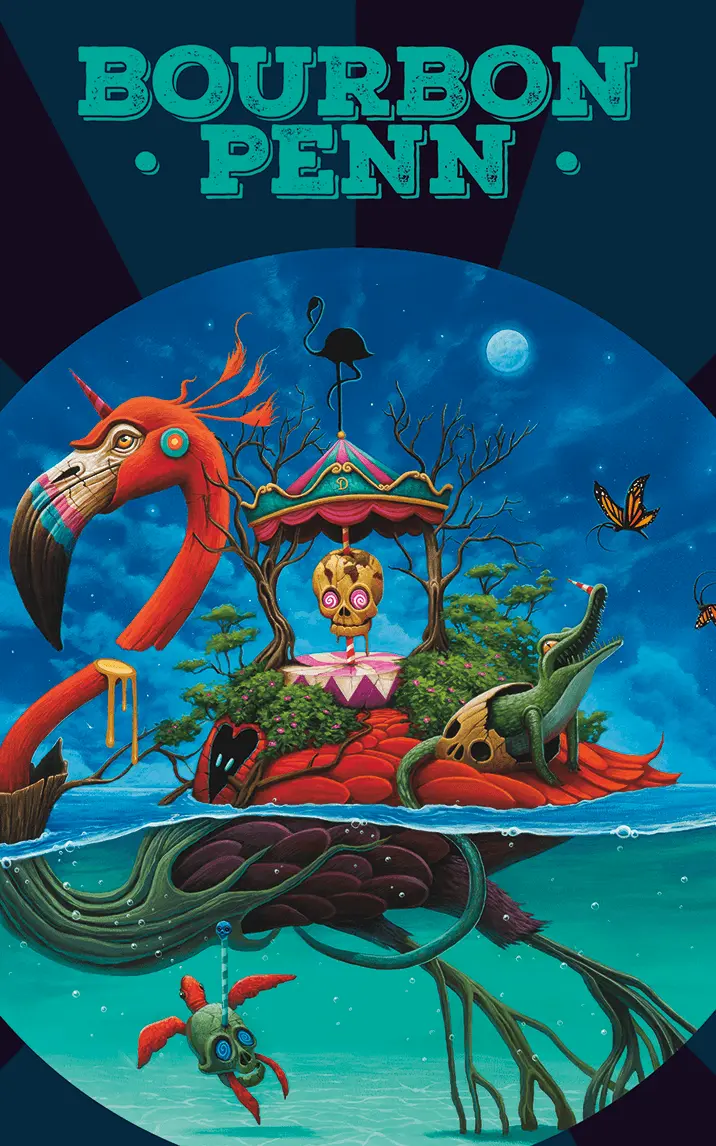
- Bourbon Penn: Specializing in the strange, the surreal, and the unsettling, Bourbon Penn has carved out a distinct niche in the slipstream and weird fiction communities. Its emphasis on highly atmospheric, character-driven stories of the uncanny distinguishes it from traditional hard science fiction venues.
- Electronic Brain: Positioned at the intersection of retro-futurism and modern speculative thought, this publication explores the philosophical ramifications of technology, cybernetics, and human evolution, blending classic sci-fi aesthetics with contemporary literary sensibilities.
- Pale Grey Idol: A relatively quiet but highly regarded venue, Pale Grey Idol prioritizes literary speculative fiction, focusing on quiet horror, dark fantasy, and prose that leans heavily into poetic and experimental structures.
- Wyldblood: Operating out of the UK, Wyldblood has established itself as a robust platform for both established and emerging writers, delivering accessible yet thought-provoking science fiction and fantasy that emphasizes strong narrative arcs and world-building.
2. Online Magazines: The Engines of the Genre
Online magazines represent the financial and cultural engine of the modern speculative short fiction scene. Often offering their content free to read online while monetizing through subscriptions, Patreon, and ebook sales, these venues represent the vanguard of the field.
- The Award-Winning Heavyweights (Clarkesworld, Lightspeed, Uncanny):
- Clarkesworld Magazine, edited by Neil Clarke, remains a dominant force, renowned for its hard science fiction, international translations (particularly from China), and consistent presence on Hugo and Nebula award ballots.
- Lightspeed Magazine, helmed by John Joseph Adams, offers a finely balanced portfolio of science fiction and fantasy, known for its editorial rigor and highly polished prose.
- Uncanny Magazine, edited by Lynne M. Thomas and Michael Damian Thomas, has redefined the modern speculative landscape with its passionate, deeply emotional, and diverse storytelling, winning multiple Hugo Awards for Best Semiprozine.
- The Specialists in Dark Speculation (The Dark, Nightmare, Beneath Ceaseless Skies):
- The Dark and Nightmare Magazine serve as the premier digital destinations for dark fantasy and horror, pushing the boundaries of psychological dread and supernatural terror.
- Beneath Ceaseless Skies, edited by Scott H. Andrews, focuses exclusively on "literary adventure fantasy"—secondary-world fantasy that prioritizes depth of character and setting over simplistic tropes.
- The Innovators and Rebranders (Reactor, DreamForge Anvil, Escape Artists):
- Reactor (formerly Tor.com) represents a massive corporate-backed portal that combines daily pop-culture commentary with Hugo-winning original fiction, serving as a central hub for the broader speculative community.
- DreamForge Anvil focuses on hopeful, positive, and solarpunk-infused science fiction, offering an antidote to the dystopian trends that dominate much of contemporary media.
- Escape Artists: The pioneering speculative audio network (incorporating Escape Pod, PodCastle, PseudoPod, and Cast of Wonders) continues to lead the industry in translating written speculative fiction into high-quality, narrated audio dramas.
- Niche, Regional, and Thematic Portals:
- Aurealis: Australia’s premier speculative fiction magazine, providing a critical platform for Southern Hemisphere voices since 1990.
- Mysterion: A unique venue dedicated to Christian-themed speculative fiction, exploring profound theological, moral, and spiritual questions without sacrificing literary quality.
- Small Planet: A crucial node for "SF in Translation" (SFiT), actively breaking down linguistic barriers and introducing Anglophone readers to speculative traditions from around the globe.
- Speculative City: A publication dedicated entirely to exploring urban environments through a speculative lens, highlighting the intersection of city planning, sociology, and the fantastic.
3. The Outer Limits
This category, represented by publications like Quotidian Bagatelle, occupies the experimental fringe of the genre. These venues push the boundaries of form, micro-fiction, prose poetry, and hyper-short narratives, challenging conventional definitions of how speculative concepts can be communicated in written form.
Supporting Context & Industry Metrics
The health of these periodicals cannot be decoupled from the economic and technological realities of the 2020s. Understanding this landscape requires looking at the critical operational metrics, funding models, and systemic challenges currently facing editors and publishers.
┌─────────────────────────────────────────────────────────────────┐
│            SPECULATIVE FICTION FUNDING TRIANGLE                 │
├─────────────────────────────────────────────────────────────────┤
│                                                                 │
│                       [Direct Donations]                        │
│                           /                                    │
│                          /                                     │
│                         /                                      │
│                        /                                       │
│             [Crowdfunding] -------- [Institutional Grants]      │
│                                                                 │
└─────────────────────────────────────────────────────────────────┘
The Transition of Tor.com to Reactor
One of the most significant structural shifts in recent speculative publishing history was the rebranding of Tor.com to Reactor in early 2024. Backed by Macmillan Publishers, this platform represents the commercial pinnacle of speculative digital media. Unlike independent zines, Reactor integrates high-volume pop-culture journalism, book reviews, and original fiction to create a high-traffic advertising and promotional engine. This hybrid model demonstrates that while pure-play fiction magazines struggle to break even, platforms that blend community journalism with creative writing can achieve immense commercial sustainability.

The Economics of Professional Short Fiction
For a magazine to be recognized as a "professional market" by the Science Fiction and Fantasy Writers Association (SFWA), it must meet strict payment thresholds. As of 2024, the SFWA pro-rate stands at $0.08 per word. For a 5,000-word short story, this translates to a minimum payout of $400.
For independent digital magazines operating without corporate backing, sustaining these rates represents an ongoing financial battle:
| Revenue Stream | Operational Reality |
|---|---|
| Direct Donations & Patreon | Many top-tier semiprozines (e.g., Uncanny, Strange Horizons) rely on recurring reader donations for 60% to 80% of their operating budgets. |
| Crowdfunding | Annual Kickstarter campaigns have become standard practice for securing the capital necessary to pay authors, artists, and copyeditors for the upcoming calendar year. |
| Ebook & Substack Subscriptions | Outlets like The Sunday Morning Transport utilize subscription-based newsletter models (such as Substack) to monetize delivery directly to readers’ inboxes, bypassing traditional distribution hurdles. |
Official Guidelines & Submission Channels
For authors, editors, and archivists, maintaining a clear and open channel of communication is paramount to preserving the historical record of the genre. Locus magazine acts as the central clearinghouse for this bibliographic data.
To submit new print, online, or electronic periodicals (especially those publishing original fiction, reviews, or literary criticism) for listing in Locus, the publishing community is directed to use the following official channels:

- Physical Mail Deliveries:
Locus Publications 655 13th St. #100 Oakland CA 94612 - Electronic Correspondences:
- Email:
[email protected]
- Email:
The Critical Role of Philanthropy
As the commercial print market has consolidated, the survival of non-profit bibliographic and critical institutions like the Locus Science Fiction Foundation has become increasingly dependent on direct public patronage. Independent journalism, comprehensive reviews, and historical archiving do not generate the high profit margins required to survive in a purely venture-backed media environment.
In their official statements, the directors of Locus emphasize that reader contributions—both one-time and recurring donations—are the single most critical factor in keeping their database, news reporting, and review columns accessible to the public. Without this community-supported infrastructure, the tracking and preservation of speculative fiction history would face a devastating informational vacuum.
Future Outlook: Challenges and Opportunities
As the SF/F/H periodical market moves deeper into the mid-2020s, several defining trends will dictate the survival and evolution of these literary platforms.
                           ┌────────────────────────┐
                           │   THE PATH FORWARD     │
                           └───────────┬────────────┘
                                       │
                ┌──────────────────────┼──────────────────────┐
                ▼                      ▼                      ▼
       [AI Slush Management]  [Substack/Direct Mail] [Global Translation]
1. The Slush Pile Crisis and Generative AI
The rise of large language models (LLMs) has presented an existential administrative threat to short fiction editors. In early 2023, Clarkesworld made global headlines by temporarily closing its submission doors due to an unmanageable deluge of AI-generated spam submissions. This phenomenon has forced magazines to invest in sophisticated screening protocols, adjust submission windows, and in some cases, restrict submissions to pre-vetted or historically reliable pipelines. Navigating the open-door submission policy—a proud, democratic tradition of SF/F/H—while protecting editors from machine-generated noise remains one of the greatest operational challenges of the decade.

2. The Rise of Direct-to-Inbox Literary Subscriptions
The success of platforms like The Sunday Morning Transport indicates a structural shift away from traditional website-based reading toward direct-to-inbox delivery. By leveraging email newsletters, publishers can build a highly dedicated, direct relationship with their audience, bypassing the algorithms of social media and search engines. This model is expected to expand, with more boutique publishers offering high-value, low-frequency literary deliveries directly to paying subscribers.
3. De-Anglicization and the Global Speculative Renaissance
The English-speaking world is no longer the sole epicenter of speculative fiction. Thanks to the pioneering work of Clarkesworld, Small Planet, and various international anthologies, works translated from Chinese, Spanish, Korean, and Arabic are gaining massive traction. The future of speculative fiction belongs to a global, interconnected community, and the magazines that actively foster, translate, and champion international voices will remain at the forefront of cultural relevance.
Ultimately, while the financial models supporting SF/F/H periodicals remain fragile, the creative output has never been richer. Through the dedication of independent editors, the generosity of readers, and the boundless imagination of global writers, the short speculative fiction periodical continues to serve as the vital, beating heart of the literary fantastic.





Comments
Facebook App ID not configured. Please add it in the Customizer.