
Executive Overview
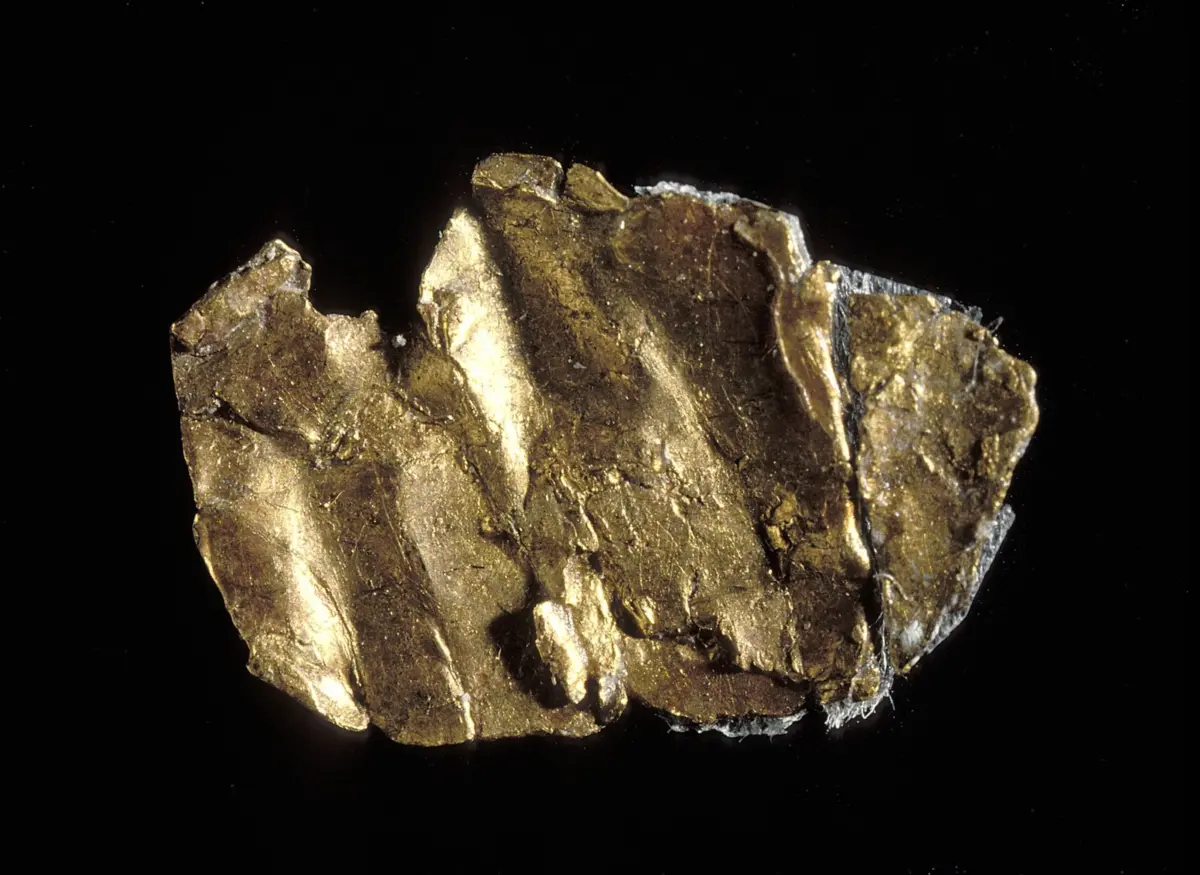
On January 24, 1848, in the quiet, pine-shaded foothills of the Sierra Nevada mountains, a carpenter named James Marshall peered into the tailrace of a sawmill he was constructing for pioneer John Sutter and spotted something glinting in the shallow water. That small flake of metal—weighing mere fractions of an ounce—triggered an explosive, chaotic influx of humanity into a geographically isolated, politically contested frontier. It was the genesis of the California Gold Rush.
More than a century and a half later, acclaimed historian Nathaniel Philbrick returns to this seismic epoch in his compelling new book, The Rush: California Gold, the Civil War and the Making of the Modern World. Philbrick argues that Marshall’s discovery was not merely a localized historical curiosity or a quaint chapter of Western lore. Rather, it was a profound catalyst that forced a fragile, fledgling American republic hurtling toward a violent existential reckoning over slavery, imperial expansion, and the very soul of national identity.
Bridging the gap between the mid-19th-century frontier and the digital landscapes of contemporary Silicon Valley, The Rush re-examines how the unbridled momentum of accelerated industrialization, technological disruption, and raw ambition laid the foundational blueprint for modern American life.
Read Also
Detailed Chronology: From the Sierra Foothills to the Global Stage
To understand how a fleck of metal in Sutter’s Mill reshaped the globe, historian Nathaniel Philbrick traces a deliberate, high-stakes timeline of events that connected the remote West Coast directly to the political parlors of Washington, D.C., and the battlefields of the American Civil War.
January 1848: The Fateful Discovery
When James Marshall plucked the gold nugget from the American River, the territory of California was still in the immediate aftermath of the Mexican-American War. News of the strike initially met with skepticism in San Francisco and the East Coast. However, by late 1848, confirmation by President James K. Polk in his State of the Union address transformed whispered rumors into an international migration stampede.
/https://tf-cmsv2-smithsonianmag-media.s3.amazonaws.com/filer_public/9d/c7/9dc74015-d150-42ac-81a6-6af173b2c2fe/sia-98-4800.jpg)
1849–1850s: The Geopolitical Tightrope
The sudden influx of hundreds of thousands of fortune-seekers—the legendary "Forty-Niners"—upended the delicate demographic and political balance of the United States. At the time, the Union consisted of a precarious equilibrium: 15 slave states and 15 free states. California’s rapid, organic push for statehood as a free state threatened to shatter this congressional truce. The ensuing legislative compromises, most notably the Compromise of 1850, intensified sectional tensions, accelerated the fugitive slave debates, and drew the nation irreversibly toward the abyss of civil war.
The 1860s: Rails, Labor, and Subversion
As the nation tore itself apart on Eastern battlefields, the West Coast was bound to the Union through feats of engineering and corporate ambition that required staggering human tolls. Philbrick highlights the stark dichotomy of the era: while future railroad barons planned the monumental Central Pacific line, thousands of Chinese immigrant laborers braved lethal, intolerable conditions to blast tunnels through the Sierra Nevada.
Amidst this industrial acceleration, extraordinary figures carved out spaces for resistance and justice. Philbrick elevates the remarkable story of Mary Ellen Pleasant, a Black entrepreneur who amassed a fortune building a laundry empire in San Francisco. Pleasant utilized her immense wealth to quietly finance abolitionist movements and covertly support the anti-slavery crusade, embodying the complex, multi-layered social landscape of Gold Rush-era California.
The Late 19th to 20th Centuries: Cultural Acceleration
The technological and cultural momentum generated by the Gold Rush did not dissipate with the exhaustion of placer deposits. The infrastructure of extraction birthed heavy machinery, modern banking systems, and speculative capitalism. Philbrick traces this continuous line of acceleration forward, demonstrating how the pioneering spirit and ruthless ingenuity of the 1840s and 1850s directly enabled subsequent American industrial revolutions, including the birth of motion pictures and mass entertainment.
Supporting Context & Metrics: The Human and Economic Toll of "The Rush"
Philbrick’s historical synthesis relies on a vast body of economic data, demographic shifts, and social studies that paint a vivid portrait of California during its formative decades. The numbers alone reveal a society evolving at a breakneck, destabilizing pace.
/https://tf-cmsv2-smithsonianmag-media.s3.amazonaws.com/filer_public/9d/c7/9dc74015-d150-42ac-81a6-6af173b2c2fe/sia-98-4800.jpg)
- Demographic Upheaval: In 1848, the non-Indigenous population of California was sparse, numbering only a few thousand Californios and American settlers. By 1860, the population had skyrocketed past 380,000, transforming a sleepy borderland into a bustling economic hub almost overnight.
- Global Migration: The promise of wealth drew not only white Americans from the East Coast, but waves of immigrants from Mexico, South America, Europe, Australia, and China, turning San Francisco into one of the most ethnically diverse and volatile cities on the planet.
- The Darker Realities: As Philbrick notes, life in California was intensely stratified. While white Americans found unprecedented economic freedom and upward mobility, Indigenous populations faced catastrophic, state-sanctioned genocide and displacement. Non-white miners faced systemic legal discrimination, exorbitant foreign miner taxes, and rampant racial violence.
- Institutional Wealth: The capital extracted from the earth—billions of adjusted dollars in gold—funded early American corporate monopolies, established global shipping lanes, and capitalized the financial institutions that would underwrite future technological epochs.
Official Perspectives and Critical Analysis
Historians, cultural critics, and literary reviewers have lauded The Rush for its ability to connect disparate threads of American history into a cohesive, sweeping narrative.
In public commentary surrounding the book’s release, literary analysts have emphasized Philbrick’s skill in balancing epic geopolitical history with intimate human portraits. Rather than presenting the Gold Rush as a romanticized frontier adventure populated solely by plucky prospectors, Philbrick exposes the brutal underbelly of colonial expansion, systemic racism, and environmental degradation.
Scholars of the American Civil War have particularly praised Philbrick’s central thesis: that the governance of the Western territories cannot be viewed as a peripheral sideshow to the conflict between North and South. Instead, the fight over the expansion of slavery into California and the subsequent control of transcontinental trade routes served as vital accelerants to the national fracture.
Furthermore, economic historians have noted the prescience of Philbrick’s final chapters, which examine the enduring cultural DNA of the West Coast. The appetite for high-risk speculation, rapid technological disruption, and libertarian individualism forged in the mining camps of 1849 directly echoes through the corporate corridors of modern tech giants.
Future Outlook: Tracing the Gold Rush to Silicon Valley
In the concluding chapter of The Rush, titled "Palo Alto," Philbrick draws a direct, unbroken line from the pickaxes and sluice boxes of the 19th century to the server racks and venture-capital boardrooms of modern Silicon Valley.
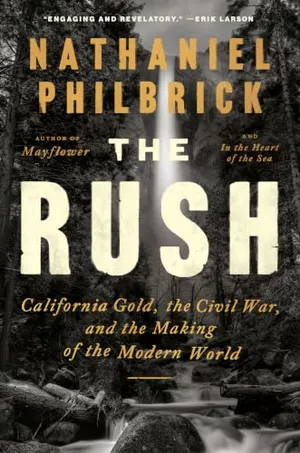
This conceptual leap anchors the book’s broader warning about the nature of American progress. Californians of the 1840s and 1850s grappled with a fundamental identity crisis—wrestling over questions of inclusion, exploitation, wealth concentration, and national purpose—that modern Americans continue to debate with equal urgency today.
The digital revolution, much like the mineral bonanza that preceded it, has promised democratization and boundless freedom while simultaneously fueling vast economic inequality, housing crises, and profound societal disruption. By framing the modern tech boom as the direct spiritual and economic descendant of the California Gold Rush, Philbrick suggests that the relentless pursuit of disruption is the defining engine of American history.
As Philbrick starkly observes in The Rush, whether citizens embrace or resist this relentless pace of change, "we are all passengers on a hurtling train." Understanding how that train got up to speed—and recognizing the human costs paid by those who laid its tracks—remains essential for navigating the uncertain terrain of the modern world.




Comments
Facebook App ID not configured. Please add it in the Customizer.