
For over nine decades, Writer’s Digest has stood as an indispensable lighthouse for the literary community, guiding generations of aspiring and established authors through the often-turbulent waters of the publishing industry. As the literary landscape continually evolves—shaped by digital innovation, shifting reader habits, and new avenues for independent creators—the foundational needs of storytellers remain unchanged: validation, professional development, and community.
In this comprehensive roundup, we examine three major initiatives currently steering the Writer’s Digest ecosystem: the launch of the 96th Annual Writing Competition (with its critical early-bird deadline), an insightful masterclass on the psychology of book cover design via Writer’s Digest Presents, and the rapidly filling 2027 Italy Writing Retreat set against the picturesque backdrop of the Tuscan countryside.
Executive Overview
The contemporary literary marketplace is more competitive, yet more democratized, than at any point in history. Authors today are tasked not only with producing compelling prose but also with understanding the nuances of book marketing, visual branding, and international networking. To address these multifaceted demands, Writer’s Digest has deployed a triad of strategic opportunities for writers looking to elevate their careers in 2027.
Read Also
At the forefront is the 96th Annual Writing Competition, a historic contest boasting nearly 500 potential winners across multiple genres. Serving as a crucial launchpad, the competition connects emerging talent directly with industry gatekeepers—literary agents and acquisitions editors actively seeking fresh voices.
Simultaneously, the brand continues to expand its educational footprint through digital media. The latest installment of the Writer’s Digest Presents podcast and video series tackles the critical visual element of modern publishing: book cover design. Senior Editor Michael Woodson’s conversation with designer Elisha Zepeda bridges the gap between artistic vision and commercial viability.
Finally, for those seeking immersive, distraction-free environments to hone their craft, the 2027 Writer’s Digest Italy Writing Retreat offers a rare blend of intensive workshops and cultural enrichment. With spots rapidly dwindling for the April 2027 excursion to Tuscany, demand underscores a post-pandemic renaissance in experiential, community-based learning for writers.
Detailed Chronology: Milestones on the Road to 2027
To understand the weight of these current initiatives, it is helpful to contextualize them within the broader timeline of literary stewardship and upcoming deadlines that writers must mark on their calendars.
A Legacy Spanning Nearly a Century
- 1930s–Present: For more than 90 years, the Writer’s Digest Annual Writing Competition has functioned as a vital barometer for emerging literary talent. By opening its doors to all genres—from genre fiction and creative non-fiction to poetry and middle-grade manuscripts—the contest has helped launch the careers of countless authors who went on to secure traditional book deals or build successful self-publishing empires.
- May 5, 2027: The critical early-bird deadline for the 96th Annual Writing Competition. Submissions received by this date not only qualify for reduced entry fees but also initiate the long editorial pipeline that culminates in the announcement of nearly 500 winners.
The Retreat and Educational Timeline
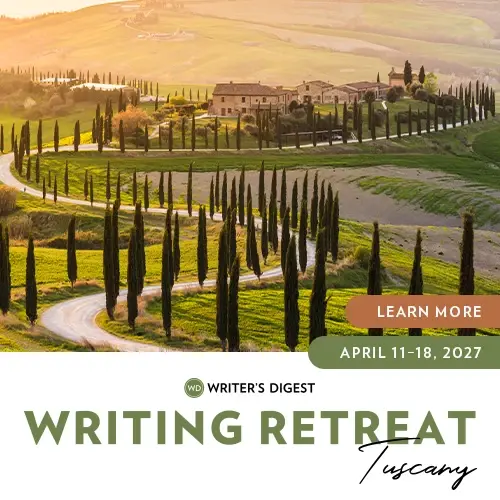
- April 11 – April 18, 2027: The scheduled dates for the Writer’s Digest Italy Writing Retreat 2027. Attendees will spend a transformative week in the Tuscan countryside balancing dedicated writing blocks with instructional seminars.
- Early 2027 / Leading Up to the Tour: Editorial leadership—including Editor-in-Chief Amy Jones and literary agent Jessica Berg—conducted comprehensive digital outreach, including a free, widely viewed webinar Q&A designed to demystify the logistics, itinerary, and curriculum of the Italian retreat for prospective attendees.
- Ongoing (2027 Broadcast Cycle): The release of ongoing digital programming, notably the deep-dive episode of Writer’s Digest Presents featuring designer Elisha Zepeda, providing year-round masterclass-level education accessible to writers globally via YouTube and podcast platforms.
Supporting Context & Metrics: Navigating the 96th Annual Writing Competition
The statistics surrounding the Writer’s Digest Annual Writing Competition speak volumes about its scale and prestige. With nearly 500 winners chosen annually, this contest offers one of the deepest prize pools in the literary world. Unlike hyper-exclusive competitions that single out only a first, second, and third place, this broad recognition structure is intentionally designed to reward a wide spectrum of voices, giving emerging creators tangible milestones to add to their query letters and author bios.
Why the Competition Matters in an Agent-Driven Market
For a debut author, breaking through the slush pile of a literary agency can feel insurmountable. Agents receive thousands of queries annually, often retaining only a fraction of one percent for representation.
Placing in a respected, long-running competition like the Writer’s Digest Annual provides an immediate stamp of validation. When an author’s query letter includes the phrase "Winner of the 96th Annual Writer’s Digest Writing Competition," it signals to agents and editors that the manuscript has already undergone rigorous evaluation by professional readers and judges.
Key Categories and Eligibility
The competition is structured to accommodate a diverse array of literary expressions. While official category guidelines should be verified directly on the platform’s submission portal, traditional divisions typically encompass:
- Inspirational Writing
- Memoir / Personal Essay
- Genre Fiction (Sci-Fi, Fantasy, Romance, Thriller/Suspense)
- Mainstream / Literary Fiction
- Rhyming Poetry & Non-Rhyming Poetry
- Children’s / Young Adult Fiction
Writers are encouraged to prepare their manuscripts well in advance of the May 5, 2027 early-bird deadline to take advantage of entry incentives and ensure ample time for polishing.
Official Insights & Masterclasses: The Mechanics of Modern Book Covers
While writing the manuscript is the author’s primary battle, packaging the book for a discerning public is equally critical. In the latest episode of Writer’s Digest Presents, Senior Editor Michael Woodson sat down with professional book cover designer Elisha Zepeda to dissect the visual psychology of modern publishing.
Traditional Publishing vs. Self-Publishing: The Design Divide
One of the core themes of Woodson and Zepeda’s discussion centers on the contrasting workflows of traditional publishing houses versus independent (self-) publishing.
- In Traditional Publishing: Authors rarely have final say over their book covers, though houses generally consult them. The design process is driven by marketing departments, sales data, and overarching imprint branding. The goal is to fit seamlessly into a marketable genre category while maintaining a high-art aesthetic that appeals to traditional bookstore buyers and reviewers.
- In Self-Publishing: The indie author acts as the executive producer of their work. They must hire, collaborate with, and direct designers like Zepeda directly. This grants total creative control but places the burden of market research squarely on the author’s shoulders. A poorly designed indie cover can instantly alienate readers and signal amateurism, regardless of the quality of the interior prose.
Current Trends and Design Refreshes
Zepeda shared insights into what is currently captivating the design world—such as minimalist typography, tactile foil stampings, and moody, atmospheric photographic compositions—while also pointing out tropes that are beginning to feel oversaturated and in desperate need of a refresh.
For authors navigating the visual landscape, the episode serves as an essential reminder: readers do judge a book by its cover, and investing time or capital into professional design is non-negotiable for commercial success. Readers can catch up on this episode and explore the complete video archive via the Writer’s Digest YouTube channel.
Experiencing the Craft: The 2027 Italy Writing Retreat
For writers seeking a profound psychological and creative reset, digital masterclasses can only go so far. Sometimes, physical relocation and immersion are necessary to break through chronic writer’s block. Enter the Writer’s Digest Italy Writing Retreat 2027.
The Tuscan Environment
Scheduled for April 11–18, 2027, this exclusive retreat transports participants to the serene Tuscan countryside. Surrounded by rolling vineyards, historic architecture, and quiet olive groves, attendees are given what every writer craves most: uninterrupted time.
The itinerary balances structured workshops led by publishing professionals with ample solitude for drafting, revising, and contemplating. Furthermore, the cultural immersion—featuring local culinary experiences and fellowship with fellow writers—fosters an environment where creativity thrives naturally.
Demystifying the Retreat: Free Webinar Q&A
Because investing in an international writing retreat is a significant commitment, Writer’s Digest Editor-in-Chief Amy Jones and literary agent Jessica Berg hosted a comprehensive, free webinar Q&A.
Designed to address logistical concerns, curriculum expectations, and networking opportunities, the recorded session is publicly available on YouTube. During the webinar, Jones and Berg emphasized that the retreat is tailored for writers at all stages of their journey—whether they are outlining a debut novel, polishing a completed memoir, or seeking strategic advice on navigating the agency landscape.
With only a few spots left as of the latest enrollment metrics, prospective attendees are urged to secure their reservations through the official Writer’s Digest Shop before capacity is officially reached.
Future Outlook: The Evolving Role of the Author in 2027 and Beyond
As we look toward the remainder of 2027 and into the next decade, the literary industry remains a space of dynamic transformation. Artificial intelligence, shifting social media algorithms, and changing global reading habits mean that authors can no longer simply write in a vacuum.
However, initiatives like the ones spearheaded by Writer’s Digest prove that the core tenets of the writing life remain anchored in human connection and professional craftsmanship:
- Validation through Competition: Entering contests like the 96th Annual Writing Competition provides an objective benchmark for quality and opens doors to traditional gatekeepers.
- Multidisciplinary Education: Understanding elements outside the text—such as cover design, market positioning, and visual branding—separates hobbyists from career professionals.
- Community and Immersion: Retreating to spaces like Tuscany reminds writers that storytelling is both a deeply personal internal exploration and a shared global dialogue.
Whether you choose to submit your master manuscript before the May 5, 2027 early-bird deadline, study the design philosophies of industry veterans, or pack your bags for a transformative week in Italy, Writer’s Digest continues to provide the roadmap, the tools, and the community necessary to turn literary ambitions into published realities.



Comments
Facebook App ID not configured. Please add it in the Customizer.