
Executive Overview
The modern digital media ecosystem prides itself on infinite choice and instant access. For decades, consumers were told that the physical limitations of the VHS tape, the DVD, and the Blu-ray disc were relics of an analog past—hurdles that cloud-based distribution and streaming platforms had definitively conquered. Yet, a peculiar and unsettling phenomenon has quietly unfolded across major subscription video-on-demand (SVOD) services: the silent evaporation of critically acclaimed cinema.
Nowhere is this modern paradox more sharply illustrated than in the recent, unexplained disappearance of Andrew Patterson’s acclaimed 2019 sci-fi mystery, The Vast of Night. Originally distributed by Amazon Studios as a platform exclusive and stripped of any physical home-video release, the film vanished from Prime Video without warning. For weeks, subscribers trying to stream the movie encountered a digital dead end, while inquiries directed at the studio were met with a wall of silence.
The mystery has since been partially unraveled through industry reporting, revealing that director Andrew Patterson has successfully reacquired the rights to his debut feature and is actively seeking new distribution partners. While this represents a rare victory for an independent filmmaker reclaiming control over their artistic output, the episode serves as a stark wake-up call. It exposes the fragile, ephemeral nature of cloud-based libraries where multi-million-dollar artistic works can vanish overnight due to shifting corporate strategies, expiring licensing rights, or quiet catalog purges. This comprehensive investigation examines the chronology of The Vast of Night’s disappearance, the structural flaws of modern digital distribution, the growing pushback from creators, and what this means for the future of film preservation.
Read Also
Detailed Chronology: How The Vast of Night Disappeared
To understand how a critically lauded motion picture can simply cease to be legally accessible to the public, one must trace the timeline of The Vast of Night from its indie roots to its mysterious digital vanishing act.
Phase 1: The Indie Darling and the Amazon Acquisition
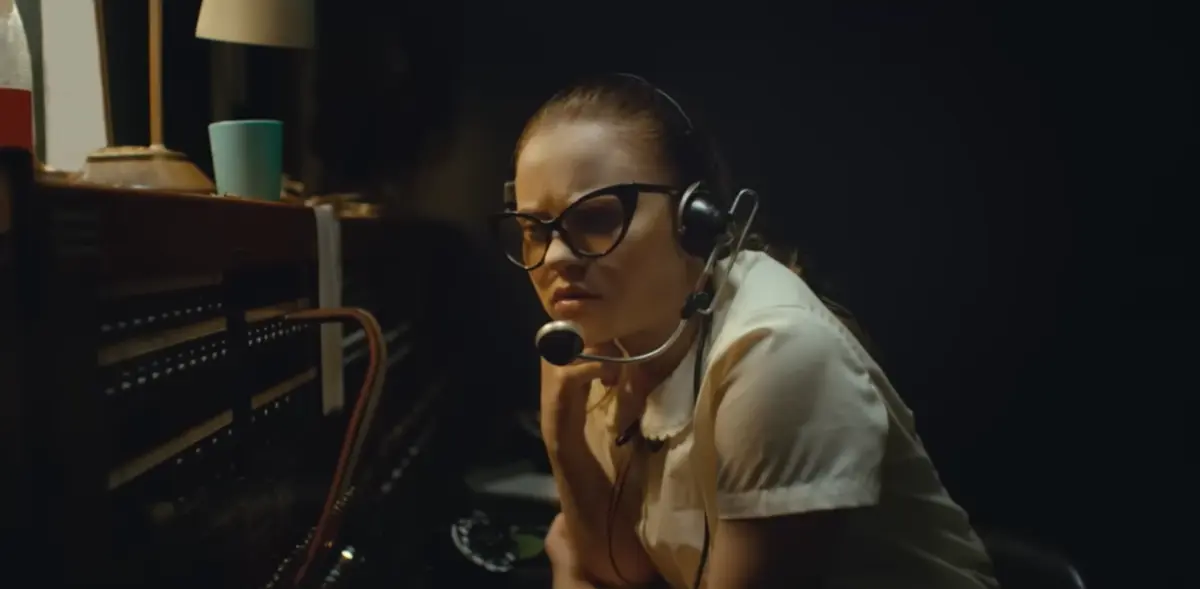
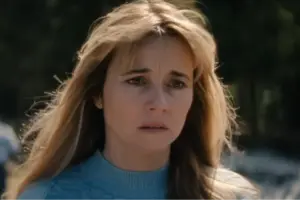
Written, directed, and produced by Andrew Patterson on a micro-budget in rural Texas, The Vast of Night premiered at the Slamdance Film Festival in January 2019 to immediate, rapturous acclaim. Set in 1950s New Mexico, the film follows a charismatic young switchboard operator and a midnight radio DJ who stumble upon a strange audio frequency that could upend the world.
Recognizing its unique cinematic vernacular and intense atmosphere, Amazon Studios acquired the worldwide distribution rights later that year. The film was given a modest theatrical release in May 2020 before arriving exclusively on Prime Video. For millions of locked-down viewers during the height of the COVID-19 pandemic, The Vast of Night became an instant cult classic, earning praise for its sweeping tracking shots, brilliant sound design, and palpable tension.
Phase 2: The Silent Evacuation
Fast-forward to late 2024 and early 2025. As Patterson began garnering critical buzz for his sophomore directorial effort, The Rivals of Amziah King, cinephiles attempting to revisit his breakout debut noticed something alarming: The Vast of Night was no longer available on Prime Video.
A thorough search across all major digital storefronts revealed a chilling reality. Because Amazon Studios had treated the film as a streaming-exclusive asset, no physical media editions—such as standard Blu-ray or 4K Ultra HD discs—had ever been manufactured for the general public. Consequently, the movie was rendered entirely un-streamable and legally un-purchasable anywhere in the world. Industry journalists and fan communities reached out to Amazon for comment, seeking to understand whether the removal was due to a temporary licensing glitch or a permanent catalog write-down. The inquiries were met with total silence.
Phase 3: The Rights Reacquisition and the Path Forward
The mystery was finally cracked when writer and filmmaker C. Robert Cargill shared an update via social media platform Bluesky, following conversations with Patterson himself. According to Cargill, Patterson had systematically maneuvered to acquire the intellectual property and distribution rights back from the corporate apparatus.
As of this writing, Patterson is actively engaged in discussions with independent distribution partners. The primary objective is twofold: to reintroduce The Vast of Night to a major streaming platform where audiences can legally view it once more, and, crucially, to finally secure a physical media release for collectors and cinephiles. While no concrete release dates or platform partners have been officially announced, the update offers a rare, encouraging pivot away from permanent media loss.
Supporting Context & Metrics: The Crisis of Digital Erasure
While the rescue of The Vast of Night is a welcome development, it is far from an isolated incident. The broader entertainment industry is undergoing a systemic restructuring, where digital platforms routinely prune their libraries to cut costs, avoid residual payments, or optimize tax write-offs.
The Shrinking Digital Footprint
The modern streaming ecosystem is built on a foundation of shifting digital rights. Unlike physical libraries where ownership is permanent, subscription streaming operates on temporary leases. When those leases expire, or when corporate priorities shift, entire libraries of television shows and films can vanish overnight.
Consider the following metrics and milestones that define the current crisis:
- The Tax Write-Off Era: Following massive corporate mergers and post-pandemic subscriber corrections, major media conglomerates have increasingly treated completed or cataloged films and television series as financial liabilities. Projects are shelved or scrubbed entirely from servers to generate tax write-downs, a practice that leaves creators with no legal recourse to showcase their completed works.
- The PlayStation Digital Purge: Demonstrating that the problem extends far beyond subscription streaming, platforms like the PlayStation Store recently announced plans to delist over 550 digital movie and television titles due to expiring licensing agreements with content providers like StudioCanal. Shockingly, even consumers who had paid good money to "own" these digital copies outright will find their access revoked permanently—a glaring illustration of the adage, "If buying isn’t owning, piracy isn’t stealing."
- The Physical Media Drought: Industry analysts note that physical media sales have declined precipitously over the past decade, leading studios to slash their output of Blu-rays and 4K discs. For mid-budget dramas, indie features, and streaming originals, physical releases have become the exception rather than the rule. When these films leave their native streaming platforms, they enter a legal and cultural void.
| Distribution Model | Permanence | Consumer Control | Risk of Erasure |
|---|---|---|---|
| Physical Media (Blu-ray/4K) | Permanent (barring physical damage) | High (true ownership) | Minimal (shelf-stable) |
| Digital Purchase (VOD) | Conditional (tied to platform terms) | Moderate (licensing-dependent) | Moderate (delisting/rights expiry) |
| Subscription Streaming (SVOD) | Temporary (lease-dependent) | Low (access-dependent) | High (silent removal/tax write-offs) |
Official Statements & Industry Perspectives
The vulnerability of digital art has galvanized a vocal coalition of filmmakers, writers, and industry insiders who are no longer willing to let their life’s work vanish into corporate aether.
C. Robert Cargill’s intervention on behalf of Andrew Patterson highlighted not only the logistical hurdles independent creators face, but also the emotional toll of seeing one’s art rendered inaccessible. In sharing the news of Patterson’s rights acquisition, Cargill underscored how fragile the digital distribution model has become for young artists whose debut features are entirely dependent on the whims of a single tech conglomerate.
Other prominent filmmakers have begun taking proactive measures to safeguard their legacies. Director Ryan Coogler made waves by ensuring that he secured the long-term rights to his original cinematic projects, setting a precedent for contemporary auteurs who demand greater autonomy over how their films are distributed, archived, and monetized. Similarly, a growing number of directors are inserting clauses into their contracts guaranteeing physical media releases and theatrical windows to protect their work from falling victim to exclusive, closed-ecosystem digital imprisonment.
While digital hoarder communities advocate for a total return to physical media as the ultimate safeguard, industry analysts point out that while enthusiastic, this solution is increasingly impractical for casual consumers. Instead, the consensus among cultural preservationists is that legal frameworks must evolve to mandate structural archiving, compulsory licensing options for abandoned content, and greater transparency from streaming giants regarding content removal.
Future Outlook: A New Paradigm for Distribution Rights?
The saga of The Vast of Night offers both a cautionary tale and a glimmer of hope for the future of digital media. It lays bare the inherent dangers of entrusting our cultural history exclusively to cloud-based servers managed by profit-driven technology companies.
However, the silver lining lies in the changing posture of creators themselves. We are slowly inching toward an era where artists are asking the hard questions about distribution rights before signing away their work. The push for hybrid distribution models—where films enjoy a streaming run without sacrificing physical media potential or permanent accessibility—is gaining momentum.
When The Vast of Night eventually returns to the digital marketplace, hopefully accompanied by a long-overdue physical release, it should serve as a permanent touchstone for the industry. It reminds us that cinema is a precious cultural artifact that requires active stewardship, legal protection, and decentralized access to survive. Until the streaming ecosystem establishes robust, consumer-friendly preservation standards, independent creators fighting for their own catalog rights will remain the frontline defense against the digital dark age.

Comments
Facebook App ID not configured. Please add it in the Customizer.