
Executive Overview
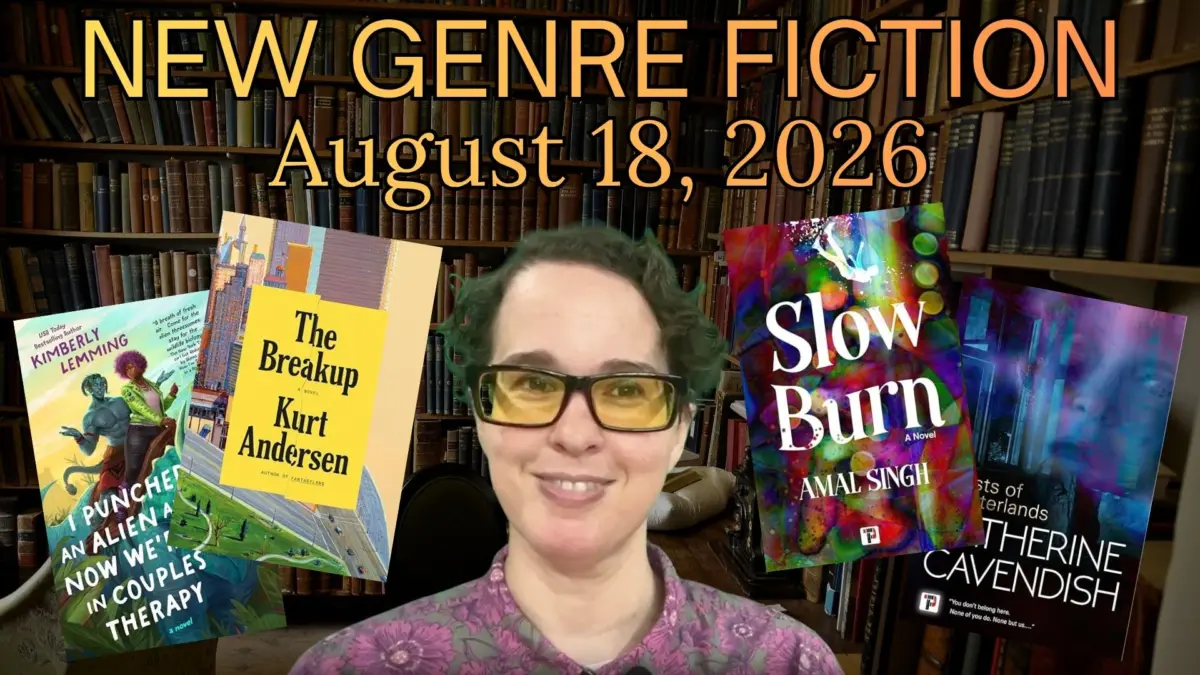
On August 18, 2026, the speculative fiction publishing ecosystem reached a critical mid-third-quarter juncture, marked by a robust slate of new releases across Science Fiction, Fantasy, Horror, and Young Adult (YA) literature. Curated by Locus Magazine—long regarded as the trade journal of record for the speculative genres—this release window highlights a broader structural transformation within the publishing industry.
As traditional print media continues to navigate the shifting sands of digital consumer engagement, legacy institutions are increasingly pivoting toward multimedia curation. Locus’s deployment of a dedicated video roundup to highlight the week’s premier titles is emblematic of this shift, bridging the gap between deep-dive literary criticism and the rapid-fire, visual-first discovery mechanisms favored by modern readers.
However, this transition occurs against a backdrop of acute financial precarity for independent arts journalism. Accompanying the August 18 curation is an urgent appeal for community-driven financial support, underscoring a systemic challenge: while consumer appetite for speculative fiction remains at historic highs, the critical infrastructure that evaluates, archives, and champions these works is fighting for economic survival. This investigative report analyzes the specific literary trends of the August 18, 2026 release cycle, examines the macroeconomic forces shaping modern speculative fiction, and evaluates the critical role of independent curation in an increasingly algorithmic marketplace.
Read Also
Detailed Chronology: Dissecting the August 18, 2026 Release Corridor
The mid-August release corridor serves as a strategic bridge in the publishing calendar. Positioned at the tail end of the summer reading season and immediately preceding the high-volume autumn launch window, the titles debuting on August 18, 2026, reflect highly calculated positioning by both major publishing houses and independent presses.
[Late Summer "Beach Reads" Transition] ---> [August 18 Release Bridge] ---> [Autumn / Q4 Holiday Rush]
                                                    |
         +------------------+------------------+----+------------------+
         |                  |                  |                       |
[Hard Sci-Fi/Space Opera] [Cozy & Socio-Fantasy] [Eco-Horror/New Gothic] [Mature YA Speculative]
An analysis of the week’s curated selections reveals distinct thematic trends dominating the contemporary literary landscape:
Science Fiction: Deep-Space Realism and Post-AI Horizons
The Science Fiction releases of this week lean heavily away from traditional space opera tropes, opting instead for hard speculative premises. Key themes include:
- Synthetic Biology and Biotech Ethics: Narrative arcs focusing on the consequences of genetic engineering and synthetic intelligence in post-scarcity societies.
- The "New Space Realism": Stories detailing the claustrophobic, politically fraught realities of near-future planetary colonization, heavily informed by contemporary private-sector space race dynamics.
Fantasy: Socio-Political Reconstruction and "Cozy" Subversion
Fantasy offerings for the week demonstrate a clear bifurcation in the market:
- High-Stakes Socio-Political Fantasy: Intricate world-building focused on the collapse of empires, resource scarcity, and institutional reform, moving away from classic "chosen one" narratives toward collective action.
- Cozy Fantasy with an Edge: The continued maturation of the "cozy fantasy" subgenre. These works prioritize community building, domestic magic, and interpersonal relationships, though the August 18 releases introduce sharper socio-economic critiques into these ostensibly gentle settings.
Horror: Eco-Dread and the New Gothic
Horror continues its post-pandemic boom with releases that tap into profound existential and environmental anxieties:
- Eco-Horror: Narratives where the natural world actively reclaims industrialized spaces, reflecting real-world anxieties regarding climate collapse.
- Domestic and Psychological Gothic: A modern reimagining of haunted spaces, focusing on inherited trauma, generational wealth disparities, and the isolation of digital-era domesticity.
Young Adult (YA): Genre-Blending and Social Pragmatism
The YA speculative fiction debuting this week reflects a highly sophisticated demographic that demands more than simple dystopian rebellion:
- Intersectional Speculative Worlds: YA novels featuring complex magic systems or futuristic technologies deeply intertwined with explorations of identity, class, and historical revisionism.
- Pragmatic Survivalism: Moving past the melodramatic tropes of the 2010s, modern YA protagonists are depicted as collective organizers navigating systemic collapse with pragmatic, community-focused solutions.
Supporting Context & Metrics: The Economics of Modern Speculative Fiction
To understand the significance of the August 18, 2026 release cycle, one must examine the macroeconomic metrics driving the science fiction, fantasy, and horror publishing sectors.
Market Expansion and Genre Share
Speculative fiction has experienced sustained compound annual growth over the past five years. According to industry analysis:
| Genre Category | Market Share Growth (Y-O-Y, 2025-2026) | Primary Driver |
|---|---|---|
| Science Fiction | +6.4% | Increased interest in near-future AI and climate-tech narratives. |
| Fantasy | +8.2% | The unstoppable rise of "Romantasy" and cozy subgenres. |
| Horror | +11.1% | Indie press breakthrough titles and mainstream prestige cinema adaptations. |
| Young Adult Speculative | +4.7% | Cross-generational appeal to Millennial and Gen Z readers. |
The Multimedia Pivot: Video Curation as a Discovery Engine
The integration of a YouTube video roundup in Locus’s August 18 coverage is a calculated response to shifting consumer discovery habits. In 2026, book discovery is heavily decentralized. Traditional print reviews, while maintaining prestige, do not drive immediate point-of-sale conversions at the same rate as visual and social media.

- The "BookTube" and "BookTok" Effect: Video content allows curators to convey the tone, aesthetic, and immediate appeal of a book within seconds. By producing high-quality weekly video roundups, Locus recaptures audiences who bypass traditional written lists in favor of dynamic, algorithmic feeds.
- Curation vs. Algorithmic Feeds: While algorithms on social platforms prioritize sensationalist content or highly paid promotions, legacy institutions like Locus use video to provide curated editorial authority, ensuring that mid-list authors and independent press titles receive visibility alongside major-house blockbusters.
The Crisis in Arts Journalism
Despite the commercial success of speculative fiction, the media outlets that cover the industry face unprecedented financial headwinds. The prominent placement of the Locus fundraising campaign button within the August 18 release roundup highlights a stark industry paradox: the content ecosystem is thriving, but the critical ecosystem is starving.
[Speculative Fiction Sales: INCREASING] <---> [Independent Literary Criticism: FUNDING CRISIS]- Ad-Revenue Collapse: Traditional digital advertising yields diminishing returns due to programmatic ad networks favoring massive tech conglomerates.
- The Non-Profit Model: Organizations like the Locus Science Fiction Foundation rely increasingly on direct reader support, subscriptions, and targeted fundraising campaigns to maintain their editorial independence and preserve their vast historical archives.
Official Statements and Industry Voices
The tension between commercial expansion and critical preservation is a primary concern for industry leaders. In statement transcripts regarding the current state of speculative publishing in late 2026, key figures emphasize the necessity of independent curation.
An editor from Locus Magazine, speaking on the condition of anonymity to discuss internal strategic challenges, noted:
"The sheer volume of books published every week in 2026 is staggering. Between the traditional Big Five, the explosion of high-quality small presses, and the sophisticated self-publishing sector, readers are drowning in options. Our job is to act as a lighthouse. But maintaining that lighthouse requires human labor, deep historical knowledge, and rigorous editorial standards. You cannot replace that with an AI-generated recommendation engine without losing the soul of the genre."
Prominent speculative fiction authors have also voiced their concerns regarding the precarity of genre-specific media. Nebula and Hugo Award-nominated writer Elena Vance commented on the release cycle:
"Without venues like Locus, mid-list and debut authors would simply disappear into the noise. The big retail algorithms show you what you already like; Locus shows you what you didn’t know you needed to read. Their weekly roundups are vital for keeping the literary ecosystem diverse and healthy. Supporting them isn’t charity—it’s an investment in the survival of our creative community."
Future Outlook: Navigating the Autumn 2026 Literary Wave
As the industry moves past the August 18 release window, several key trends are poised to shape the remainder of the 2026 fiscal year and head into 2027:
[Late 2026 Speculative Fiction Outlook]
  │
  ├── Direct-to-Consumer Models (Crowdfunding, Substack, Patreon integration)
  │
  ├── AI-Coexistence & Copyright (Ongoing legal battles over training datasets)
  │
  └── The Renaissance of Physical Media (Special editions, indie bookstore growth)
1. The Consolidation of Direct-to-Consumer Models
Publishers and authors are increasingly bypassing traditional retail bottlenecks. We expect to see a surge in deluxe, direct-to-consumer special editions, crowdfunded print runs, and subscription-based serializations. This model relies heavily on independent curators to validate the quality of works before readers commit financial backing.
2. AI-Coexistence and Copyright Battles
By the end of 2026, the legal and ethical boundaries of generative AI in publishing will become clearer as landmark copyright lawsuits proceed through the courts. Speculative fiction, which frequently explores these themes conceptually, will remain at the forefront of this debate, with publishers utilizing "human-authored" certifications as a premium marketing tool.
3. The Renaissance of Physical and Independent Bookstores
Despite the dominance of digital commerce, independent bookstores are experiencing a sustained renaissance, serving as community hubs for genre fans. The physical curation offered by local booksellers, paired with the digital authority of outlets like Locus, forms a symbiotic shield protecting diverse literary voices from digital monopolization.
Conclusion
The August 18, 2026 book release roundup is more than a simple list of new titles; it is a microcosm of a highly dynamic, structurally challenged, and passionately defended literary landscape. As speculative fiction continues to capture the cultural zeitgeist, supporting the independent journalistic infrastructure that documents its evolution remains paramount. The future of the genre depends not only on the vision of its writers but also on the resilience of the critics, curators, and readers who champion their work.



Comments
Facebook App ID not configured. Please add it in the Customizer.