
Executive Overview
In the grand theater of international sport, few phenomena match the complex psychological and cultural gravity of the FIFA World Cup. Beyond the athletic contest lies an elaborate machinery of historical grievances, hyper-nationalism, and what can only be described as structured mass delusion. Nowhere was this more visible than during the dramatic narrative arc of the recent tournament, culminating in a clash of titans where the defending champions, Argentina, collided with a clinical, ideologically disciplined Spanish side.
The tournament laid bare an uncomfortable truth about modern fandom: the line separating athletic appreciation from unhinged tribalism has effectively evaporated. Through an investigative lens, this report examines how national identity, historical trauma—ranging from the Falklands War to Diego Maradona’s 1994 expulsion—and the commodification of emotion coalesce on the global stage. Ultimately, modern fandom functions not merely as a leisure-time preference, but as a dangerous sociological pressure valve that, when ruptured, threatens to spill over into global politics, art, and daily social discourse.
Detailed Chronology: From Locker Room Chants to the Ultimate Showdown
The Weight of Ghostly Legacies: Argentina’s Pre-Tournament Narrative
Even by the eccentric standards of soccer folklore, the Argentine national team’s viral locker room anthem set a new benchmark for historical revisionism and grievance packaging. The chant—proposing that manager Lionel Scaloni would "avenge the Cup stolen from number ten!" thirty-two years later—invokes a web of ancestral resentment.
Read Also
Investigating the timeline leads back to 1994 and North America, where Argentina exited in the Round of 16 following a 3–2 defeat to Romania. Yet, the historical record complicates the grievance. Diego Maradona, far from being at the peak of his powers, had been expelled from the tournament after testing positive for five ephedrine metabolites, compounding a downward career trajectory that included a 1991 cocaine ban.
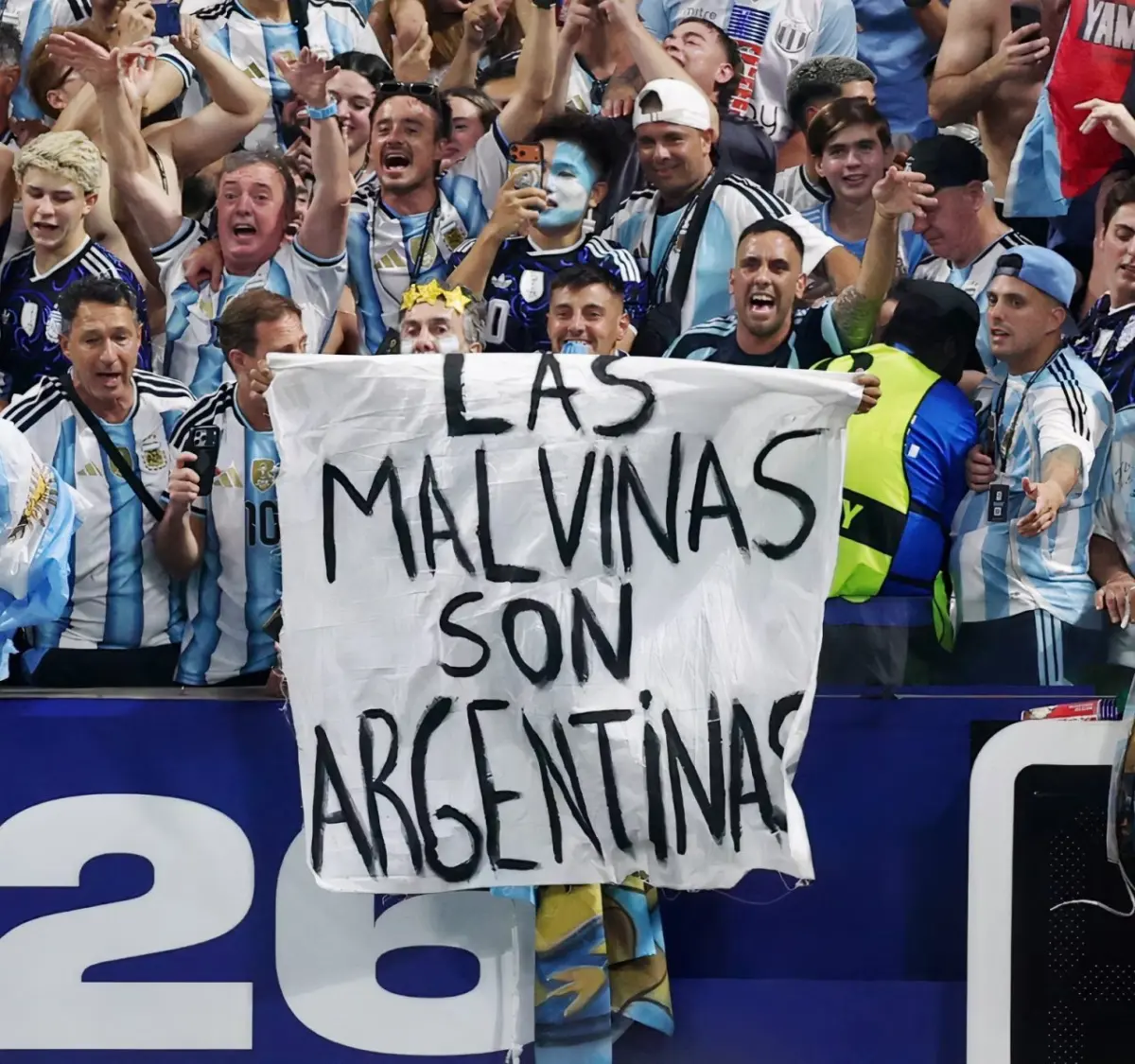
Logic, however, is rarely a prerequisite for athletic motivation. To the Argentine faithful, the narrative was airtight: Maradona was wronged; therefore, the nation was wronged. This self-sealing fan logic seamlessly stitched together disparate historical wounds—from the 1994 World Cup exit to the 1982 Falklands (Malvinas) War—turning athletic competition into an arena for proxy revenge.
[Historical Grievance: 1982 Malvinas / 1994 Maradona Ban]
                          │
                          ▼
             [The Fan Logic Engine]
     (Translating collective trauma into sporting destiny)
                          │
                          ▼
        [The Tournament: Cynical Mastery & Drama]
                          │
                          ▼
       [The Final Showdown: Spain vs. Argentina]
The Semifinal Crucible: Tactical Extremism vs. Historical Myth-Making
As the tournament progressed into its penultimate stages, matches transformed into ideological battles. The semifinal pairing between Argentina and England offered a case study in modern athletic theatre. For the first hour, both sides engaged in a festival of defensive posture and tactical shithousery.
England, taking a 55th-minute lead, essentially abandoned progressive soccer to retreat into a historical re-enactment of defensive stoicism—evoking national tropes of Dunkirk and the Blitz. Yet, this bunker mentality merely invited Lionel Messi to dissect them, proving once again that historical grit is no match for transcendent genius.
Simultaneously, the other semifinal pitted French "great-man" tactical theory against Spain’s methodical, ideological collective. Spain’s dominance of possession ultimately dismantled the French reliance on individual brilliance, setting the stage for a final that would juxtapose Spanish geometric precision against Argentina’s combative, chaotic desperation.
The Final: Spain’s Geometry Meets Argentina’s Terminal Melodrama
The World Cup final was a masterclass in inevitability. Urged by Messi to "stay calm… and just play," the Argentine side nevertheless succumbed to the gravitational pull of their own mythology. Burdened by the weight of the Malvinas, El Diego, and an aging Messi-ah, Argentina played less like a soccer team and more like a manifestation of fan neurosis.
- Statistical Divide: Spain’s Rodri anchored a relentless midfield, completing 101 passes while suffocating Argentine transitions.
- The Chaos Index: Argentina spent more energy attempting to draw technical red cards against Spanish players (one notable effort) than registering shots on target (zero).
- The Climax: After 90 minutes of industrial-scale fouling, tactical disruption, and referee-hounding, Spain broke the deadlock in extra time, securing a 1–0 victory that was simultaneously the most one-sided and emotionally exhausting match of the decade.
Supporting Context & Metrics: The Anatomy of Fandom
The Etymology of Fanaticism
To understand the modern spectator, one must consult Samuel Johnson’s 1773 dictionary, which defines a fanatick as "an enthusiast; a man mad with wild notions of religion." The word derives from the Latin fanum, meaning temple or shrine.
Modern fan studies confirm that contemporary fandom is an active, co-creative enterprise. Spectators do not merely consume sport; they manufacture its cultural meaning through rituals, chants, face paint, and collective myth-making.
┌───────────────────────────┬──────────────────────────────────────────┐
│ Dimension                 │ Sociological Manifestation               │
├───────────────────────────┼──────────────────────────────────────────┤
│ Etymological Root         │ Fanum (Temple / Shrine)                  │
│ Behavioral Expression     │ Ritualistic face-painting, chanting      │
│ Economic Dynamic          │ Charismatic economy (caring = control)   │
│ Psychological Function    │ Quarantine zone for collective excess    │
└───────────────────────────┴──────────────────────────────────────────┘
The Geopolitical Subtext: The Falklands (Malvinas) Shadow
The shadow of the 1982 Falklands War loomed heavily over the tournament’s cultural exchanges. Triggered by a flailing Argentine military junta seeking to manufacture nationalist fervor and exploited by Margaret Thatcher to galvanize her own political fortunes, the brief conflict cost 907 lives.
Decades later, this geopolitical trauma has been safely digested into athletic fandom. As demonstrated by post-match interviews—where an Argentine player’s relative proclaimed, "We might not have the fourth star, but we have the Falklands for ourselves"—the objective reality of sovereign territory matters far less than the emotional currency of symbolic victory.
Official Statements & Public Discourse
The collision between sport, politics, and raw human emotion drew commentary from high-ranking figures across the globe, highlighting the porous boundary between athletic competition and international relations.
-
Lionel Messi (Post-Match Address to the Squad):
"Estemos tranquilos, muchachos. Olvidémonos de todos, solo juguemos."
(Let’s stay calm, boys. Let’s forget everything, just play.)
Context: Messi’s desperate plea for his teammates to abandon the crushing weight of national historical grievances and focus purely on the tactical reality of the pitch. -
Barbara Paredes (Family Member of Argentine Midfielder Leandro Paredes):
"Getting this far and beating England meant everything to us. We might not have the fourth star, but we have the Falklands for ourselves."
Context: Illustrating the seamless substitution of geopolitical defeat for athletic validation within the fan psyche. -
Margaret Thatcher (Reflecting on the 1982 Conflict):
"Today has put the Great back into Britain."
Context: Demonstrating how political leaders historically leverage military conflict for the exact same dopamine hits sought by modern sports fans.
Future Outlook: The Leakage of Fandom into Global Society
As the confetti clears and the global television apparatus pivots to the next commercial cycle, a more sobering reality sets in. The World Cup functions as a brilliantly engineered quarantine zone—a controlled environment where tribal hatreds, nationalistic pride, and unbridled sadism can be safely vented without destabilizing the international order.
However, the structural integrity of this container is failing. The aggressive, grievance-fueled behaviors perfected in soccer stadiums—where nuance is abandoned, retroactive prophecy replaces analysis, and opponents are moralized into existential enemies—are no longer safely siphoned off into sport.
Instead, the moods and manners of modern fandom are hemorrhaging directly into art, gender discourse, and global politics. If the contemporary spectator’s primary lesson is that caring equals control and that historical lies are superior to objective truths, the consequences will extend far beyond extra time on the pitch. The madness of the stands is rapidly becoming the madness of the world.





Comments
Facebook App ID not configured. Please add it in the Customizer.