The modern publishing ecosystem is undergoing a quiet, continuous evolution. For many authors, the traditional path of working with an independent or mid-sized publishing house offers a collaborative launchpad, but it does not guarantee lifelong operational stability for their catalog. When Audrey Press closed its doors last year, it triggered a complex sequence of rights reversions, administrative hurdles, and digital distribution challenges for its former authors.
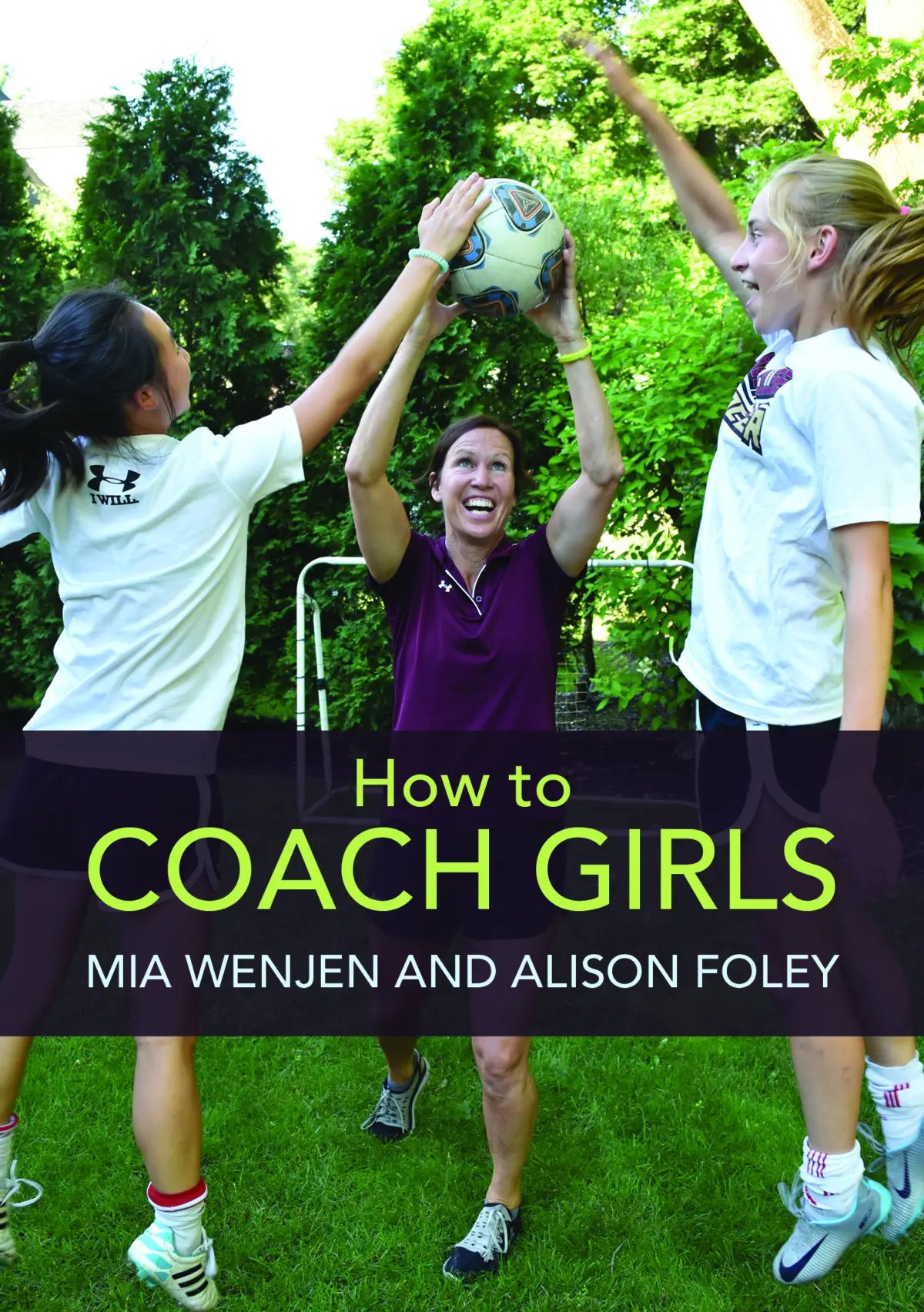
This report examines the intricate, multi-step journey undertaken by author Mia Wenjen to reclaim, redesign, and independently relaunch her seminal sports-parenting guide, How to Coach Girls (co-authored with Alison Foley). What began as a routine rights reversion evolved into a masterclass in modern indie publishing logistics—highlighting the friction points of platform-specific formatting rules, the administrative burden of replacing International Standard Book Numbers (ISBNs), and the strategic reliance on competing print-on-demand (POD) networks to bypass platform roadblocks.
By analyzing Wenjen’s experience, this article explores the structural realities facing authors who transition from traditional publishing arrangements to self-publishing models, offering a granular look at the technical obstacles of digital distribution, the economics of small-scale inventory management, and the resilient demand for specialized instructional literature in youth sports.
Detailed Chronology: From Publisher Closure to Independent Relaunch
The lifecycle of an independently published or small-press book is heavily dictated by supply chain mechanics, legal frameworks, and digital gatekeepers. The path of How to Coach Girls back to the commercial marketplace illustrates the arduous timeline an author must navigate when a publisher ceases operations.
Phase 1: Rights Reversion and Inventory Depletion
When Audrey Press dissolved, the contractual rights to Wenjen’s backlist—specifically How to Coach Girls and The Elusive Full Ride Scholarship: How to Play Sports in College—reverted directly to the author. For many creators, rights reversion is a welcome liberation, but it instantly shifts the burden of warehousing, marketing, fulfillment, and digital distribution onto the individual.
Initially, Wenjen managed the remaining physical inventory of How to Coach Girls through direct sales on her personal website. Slowly, methodically, those copies depleted. (Note: A surplus of The Elusive Full Ride Scholarship remains in stock.) However, the tipping point arrived not from a proactive marketing campaign, but from an unsolicited piece of reader correspondence. An email from a coach and parent named Jana inquired about the book’s sudden disappearance from major online retailers, emphasizing its reputation as an essential resource for developing young female athletes and mentoring new head coaches.
Phase 2: Design Redirection and Intellectual Property Scrubbing
Moved by the reader’s request, Wenjen committed to self-publishing the title. This administrative undertaking required professional design intervention. She partnered with Beam Studio, a creative production agency, to execute essential structural updates:
ISBN Replacement: Retiring the defunct publisher’s ISBN and registering a new, author-controlled identifier.
Branding Rectification: Scrubbing all remaining visual assets tied to the defunct publisher. During this audit, the team uncovered lingering Audrey Press logos embedded on both the back cover and an interior page layout—elements that, if left unaddressed, would violate retail distribution guidelines and create brand confusion.
Phase 3: The KDP Formatting Wall
With the assets revised, the next logical step was uploading the interior and exterior PDF files to Amazon Kindle Direct Publishing (KDP), the dominant digital publishing portal for independent authors.
What should have been a standard digital ingestion process quickly devolved into a technical deadlock. KDP’s automated quality-control algorithms repeatedly rejected the PDF proofs. The primary point of failure centered on "bleeds"—the printing technique where color or imagery extends right to the edge of the page, requiring precise millimeter margins to avoid white lines during trimming. Despite multiple design iterations and formatting adjustments tailored to KDP’s rigid specifications, the platform’s automated validation software continually flagged the files, leaving the book in a state of purgatory.
Phase 4: Pivoting to IngramSpark and Hybrid Distribution
Recognizing the limitations of relying exclusively on a single platform’s proprietary ecosystem, Wenjen pivoted to IngramSpark, KDP’s primary competitor in the print-on-demand space.
Unlike Amazon’s restrictive automated vetting protocols, IngramSpark’s ingestion engine processed the exact same PDF layout files without a single rejection error. While IngramSpark successfully cleared the titles for global distribution—including listing the book for sale on Amazon through wholesale channels—this alternative route introduced a new variable: velocity.
Wholesale distribution networks inherently operate on longer fulfillment and synchronization cycles than direct-to-consumer platforms. Consequently, administrative projections indicate that it may take up to thirty days for How to Coach Girls to dynamically populate and reflect active ordering status natively across Amazon’s vast marketplace search architecture.
Phase 5: Bridging the Gap with Direct-to-Consumer Fulfillment
Anticipating potential listing delays on major retail networks, Wenjen adopted an agile inventory strategy. Rather than waiting passively for IngramSpark’s catalog syndication to complete, she placed a direct wholesale print order for physical copies through IngramSpark to supply her personal e-commerce website. By doing so, she established a resilient fulfillment bridge: physical copies would be available to readers via direct purchase significantly faster than Amazon could complete its internal marketplace indexing.
Supporting Context & Metrics: The Youth Sports Literature Niche
To fully appreciate the commercial necessity of keeping How to Coach Girls in print, one must evaluate the macro environment of youth athletics and gender equity in sports.
The Landscape of Girls’ Sports Coaching
Co-authored by Mia Wenjen and veteran collegiate soccer coach Alison Foley, How to Coach Girls fills a critical gap in athletic literature. Historically, coaching paradigms have been developed through a male-centric lens. Research from organizations like the Women’s Sports Foundation demonstrates that girls drop out of sports at twice the rate of boys by adolescence, often driven by a lack of empathetic mentorship, confidence-building frameworks, and specialized communication strategies.
The market demand for literature that addresses these nuances is robust:
The Mentorship Gap: Many volunteer and early-career head coaches are parents or young adults thrust into leadership positions without formal pedagogical training in coaching female athletes.
Longevity in Athletics: Books that provide actionable strategies for fostering self-esteem, managing team dynamics, and navigating athletic politics consistently outperform generic coaching manuals in organic search and word-of-mouth recommendations.
Self-Publishing Logistics and the POD Dilemma
Wenjen’s struggle with KDP versus IngramSpark underscores a broader economic reality for independent authors navigating print-on-demand (POD) technology:
Feature / Metric
Amazon KDP
IngramSpark
Setup Speed
Rapid (when files pass automated checks)
Moderate to Slow (broader distribution syndication)
File Strictness
High (frequently rejects bleeds and edge cases)
Moderate (more accommodating of standard prepress files)
Global Reach
Dominant within the Amazon ecosystem
Extensive wholesale network (libraries, indie bookstores, global retailers)
Control & Margin
High margin on direct Amazon sales; walled garden
Broader distribution reach, wholesale discount requirements
For creators facing file rejection loops, diversifying distribution channels is no longer just a luxury—it is an operational necessity to mitigate platform risk.
Official Statements and Industry Insights
Reflecting on the emotional and logistical weight of the relaunch, Mia Wenjen’s experience highlights the human element behind indie publishing analytics. When asked about the catalyst that pushed her to undertake the grueling re-engineering of the book, she points directly to reader engagement:
"Can you tell me how I can get a copy of this book? I’ve looked everywhere I can think of and it’s nowhere to be found. All the reviews I’ve read say it’s the best book and I want to read it and gift it to one of my daughters’ head coaches who is starting her coaching career."
— Jana, Reader and Youth Sports Supporter
This testimonial served as the emotional ROI that justified the financial and technical expenditure of hiring Beam Studio, re-registering ISBNs, scrubbing legacy publisher metadata, and troubleshooting POD software incompatibilities.
Industry analysts note that small-press closures will likely become more frequent as economic pressures impact independent publishing houses. Consequently, authors holding backlist titles must increasingly master the technical competencies of asset management, digital rights administration, and multi-channel supply chain logistics.
Future Outlook: The Resilient Backlist
The successful rescue and independent relaunch of How to Coach Girls serves as a case study in modern publishing resilience. By refusing to let a defunct press consign a vital resource to permanent out-of-print status, Wenjen has secured the future of her instructional catalog.
As the book completes its integration into IngramSpark’s global distribution network and works its way back onto Amazon’s storefront, the operational blueprint is clear:
Auditing Assets: Complete identification and removal of legacy publisher branding.
Platform Diversification: Utilizing secondary POD networks when primary gatekeepers impose arbitrary formatting blocks.
Hybrid Fulfillment: Leveraging direct-to-consumer e-commerce channels to maintain sales momentum while wholesale syndication catches up.
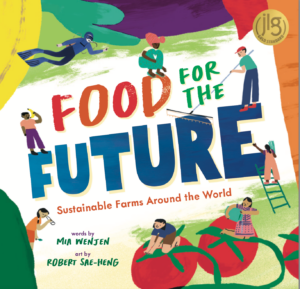
For coaches, parents, and young athletes, the return of How to Coach Girls ensures that specialized, empowering mentorship guides remain accessible to the next generation of sports leaders. Meanwhile, Wenjen’s broader literary footprint—spanning diverse children’s picture books, historical biographies (Postcards from Malcolm X: How Yuri Kochiyama Became a Civil Rights Activist, We Sing from the Heart), and environmental education titles (Food for the Future: Sustainable Farms Around the World, The Traveling Taco)—continues to thrive across multiple publishing houses and independent channels alike.









Comments
Facebook App ID not configured. Please add it in the Customizer.