
Executive Overview
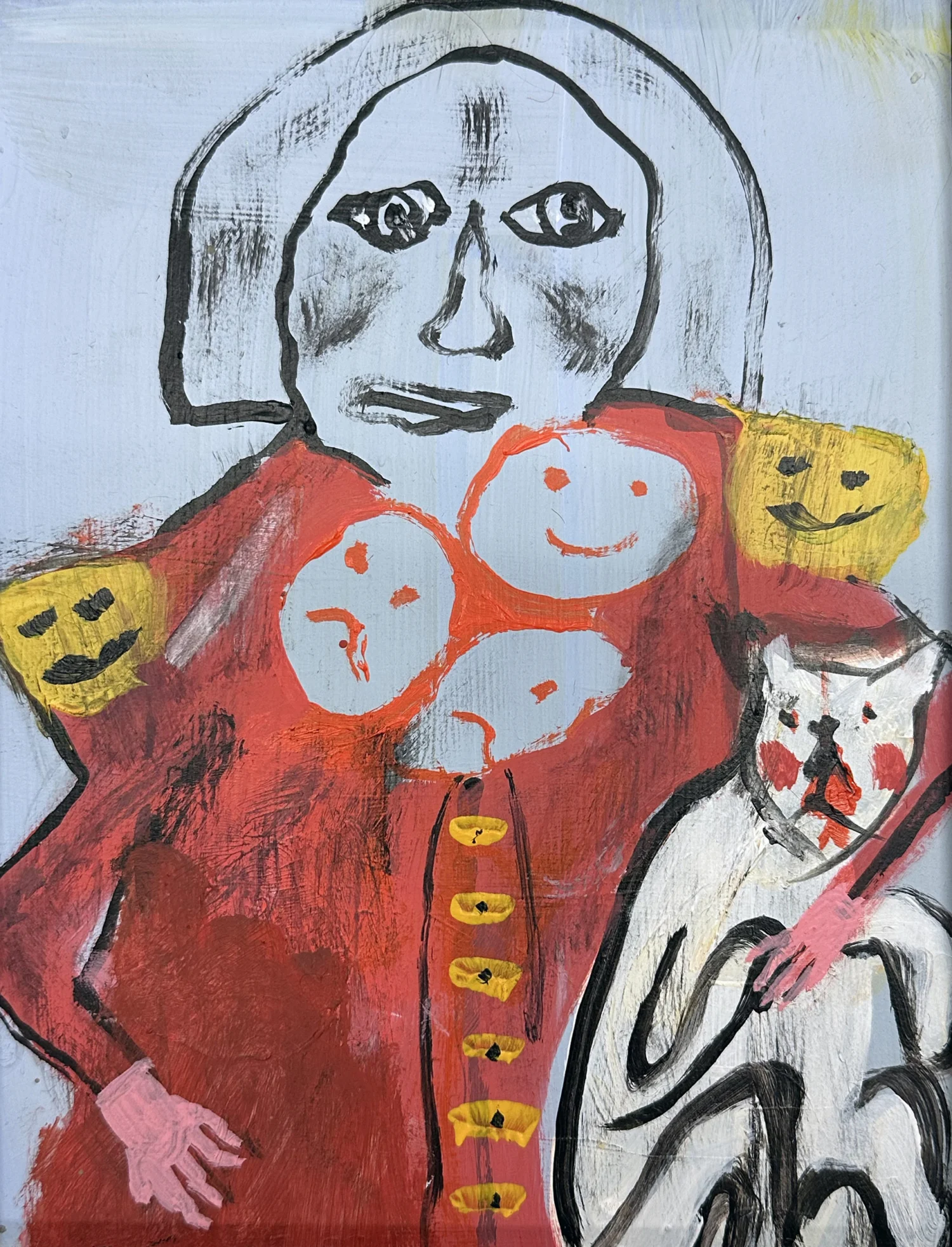
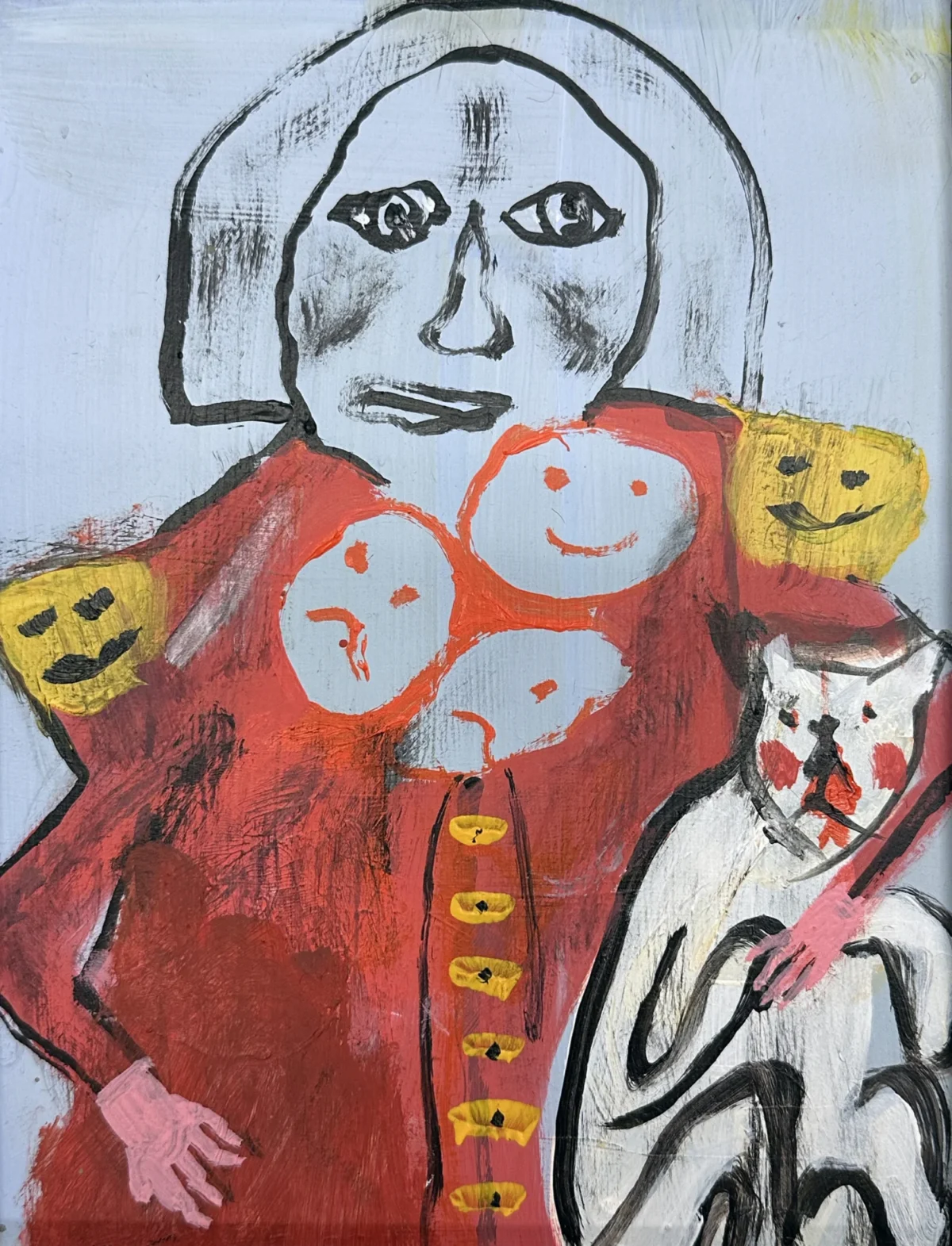
In the contemporary literary landscape, few pieces capture the suffocating intersections of maternal isolation, psychological control, and systemic complicity quite as starkly as the recent poetic works featured in Guernica Magazine. Illustrated by striking visual artwork by Melissa Monroe, the poem presents a harrowing narrative centered around domestic collapse, an overwhelmed mother, an absentee or emotionally detached husband, and an ominous, omnipresent figure known only as "Doctor D."
While presented in the stylistic economy of verse, the thematic weight of the work reads as an urgent journalistic dossier on the invisible labor of motherhood, the dangers of coercive control, and the ways in which societal institutions—personified here by the chillingly clinical "Doctor D"—infiltrate and dictate the most intimate spaces of private life. This article provides an in-depth examination of the narrative presented in Monroe’s featured text, exploring the socio-cultural realities of isolated domesticity, the mechanics of psychological entrapment, and the broader implications of art that mirrors the quiet tragedies occurring behind closed doors.
Detailed Chronology of a Household’s Collapse
The narrative arc captured within the verses unfolds with the inevitable gravity of a slow-motion catastrophe. To understand the gravity of the situation depicted, one must trace the chronology of the subjects’ descent into psychological and physical exhaustion.
Read Also
Phase 1: The Burden of Invisible Labor
The poem opens with a sentence fragment that immediately arrests the reader’s attention: "Her five children, with one kitchen knife." While the act of violence is heavily implied, the text quickly shifts its lens toward the protracted, grinding preamble that preceded the breaking point.
The protagonist’s descent begins long before any physical trauma manifests; it begins in the relentless, unacknowledged machinery of domestic maintenance. She is portrayed as a woman entirely abandoned to her circumstances:
- She rises alone every night to tend to the infants.
- She washes diapers without aid.
- She carries the physical and emotional weight of the household entirely on her own shoulders.
- She performs the expected social script of the "happy mother," smiling while executing back-breaking labor—literally scraping hardened food from stone floors with her bare fingernails.
This phase establishes the baseline of her existence: a state of chronic exhaustion and profound loneliness within a crowded home. Her husband, meanwhile, is noted for his complete lack of empathy, viewing her superhuman efforts not as a cry for help, but as the natural, expected state of maternal duty.
Phase 2: The Intrusion of Doctor D
Into this vacuum of emotional support steps "Doctor D," a figure whose dual nature highlights the complexities of toxic dependency and control. Paradoxically, Doctor D was initially opposed to the marriage, yet he acted as its primary financial benefactor, gifting the young couple a house, a car, and financial security.
However, this generosity carries heavy strings. Doctor D has lived with the family "from day one," establishing an intimate, inescapable presence within the domestic sphere. His encroachment is total and boundary-less:
- He names the children, wresting away a fundamental parental prerogative.
- He exerts an eerie physical presence, breathing on the necks of the sleeping children.
- He inserts himself directly into the marital bed, sliding between the couple the moment sleep overtakes them, justifying his intrusion with the chilling assertion that "everything was his, after all."
Phase 3: Isolation, Madness, and Confinement
As the narrative progresses, the protagonist’s grip on reality becomes a battleground. Isolated by her husband’s apathy and dominated by Doctor D’s psychological ubiquity, she is alienated from the outside world. Observers note that she has "completely lost her mind," dismissing her distress as mere hysteria.
She weeps in solitude, yet that solitude is an illusion. Even when physically alone, she remains haunted by the architect of her entrapment:
in his white lab coat that reeks of chlorine,
with his cold hands, his smile,
through the walls, as was his habit,
Doctor D. visits her here too.
The final image projects an endless cycle of surveillance and control. Whether Doctor D represents a literal abuser, a corrupt medical establishment, or the internalizing voice of patriarchal oppression, his presence remains inescapable.
Supporting Context & Metrics: The Crisis of Maternal Isolation
The harrowing scenario depicted in contemporary poetry reflects alarming trends identified by sociologists, mental health researchers, and public health officials regarding modern motherhood and domestic abuse.
The Epidemic of Maternal Burnout
Studies from the American Psychological Association (APA) and various global health organizations indicate that maternal burnout is a rising public health crisis. Key contributing factors mirror the struggles of the protagonist in Monroe’s feature:
- The "Second Shift": Mothers continue to perform upwards of 70% of unpaid domestic labor and childcare, even when employed full-time outside the home.
- Loss of Identity: Total absorption into childcare without adequate community or partner support frequently leads to clinical depression, anxiety, and a feeling of depersonalization.
- Coercive Control: Psychological abuse, as embodied by the character of Doctor D, often precedes physical violence. Financial entanglement, surveillance, and the undermining of a victim’s autonomy are classic indicators of coercive control frameworks identified by domestic violence experts like Evan Stark.
The Role of Institutional Surveillance
The inclusion of "Doctor D"—dressed in a lab coat smelling of chlorine—speaks to a long, troubled history of medical and institutional oversight in women’s private lives. Historically, women exhibiting symptoms of trauma, postpartum depression, or exhaustion were frequently pathologized by medical authorities rather than supported. The clinical smell of chlorine evokes an asylum or hospital setting, suggesting that the domestic sphere itself has been converted into an antiseptic panopticon where the subject is constantly watched, judged, and managed.
Official Statements and Expert Perspectives
Mental health professionals, literary critics, and advocates for survivors of domestic trauma have increasingly emphasized the importance of art in articulating the hidden realities of abuse.
Dr. Elena Vance, a clinical psychologist specializing in domestic trauma and coercive control, notes:
"What art like this accomplishes—and what we often fail to capture in clinical intake forms—is the atmospheric suffocation of abuse. The husband’s apathy creates the vacuum, but the ‘Doctor D’ figure represents the systemic, intrusive nature of control. When a victim is told they are crazy, isolated from their own autonomy, and watched even in their most intimate spaces, the breaking point—symbolized by the kitchen knife—is often the only language left to articulate an intolerable existence."
Cultural critic and literary historian Marcus Holloway adds:
"Guernica has long platformed work that bridges the gap between raw human emotion and sharp social critique. The juxtaposition of Melissa Monroe’s haunting visual aesthetic with verses about domestic labor and institutional intrusion forces the reader to confront the uncomfortable architecture of the nuclear family when it goes wrong. It asks us to look at the invisible violence we normalize."
Future Outlook: Articulating the Unspoken in the Wake of Tragedy
As conversations surrounding mental health, domestic labor, and gender-based violence continue to evolve in public discourse, the role of literature and visual art remains vital. Works that refuse to sugarcoat the realities of motherhood and psychological entrapment serve as critical cultural lightning rods.
Moving forward, experts advocate for several systemic shifts to address the root causes of the distress depicted in such narratives:
- Enhanced Support Systems: Expanding community-based maternal mental health programs to combat the profound isolation experienced by primary caregivers.
- Legal Recognition of Coercive Control: Strengthening legal frameworks—similar to laws enacted in the UK and select U.S. states—to prosecute non-physical forms of psychological dominance and intimidation.
- Destigmatizing Maternal Vulnerability: Creating safe spaces where mothers can express rage, exhaustion, and despair without fear of being labeled "insane" or having their fitness as parents weaponized against them.
Ultimately, the poetic vignette featured in Guernica functions as both a mirror and a warning. It reminds society that behind closed doors, beneath the veneer of domestic normalcy, battles are fought with bare hands against stone floors—and that unless we address the structures of isolation and control that enable such tragedies, the ghosts in white lab coats will continue to walk the halls of private homes unchecked.



Comments
Facebook App ID not configured. Please add it in the Customizer.