

Executive Overview
For decades, the horror genre has been culturally categorized by its visceral imagery—the splash of arterial blood, the snap of bone, the grotesque reconfiguration of human anatomy. Authors of extreme horror and body horror are frequently asked how they summon the stomach to invent and detail such grotesque physical fates for their creations. Yet, for many contemporary writers pushing the boundaries of speculative fiction, the physical carnage is merely the wrapping on a much more disturbing package.
When A.P. Thayer set out to write Tapeworm, a novel steeped in visceral body horror and grotesque desert anomalies, readers naturally inquired about the difficulty of dreaming up physical gore. Thayer’s response challenges traditional assumptions about what makes dark fiction truly taxing to produce. While chronicling the bloody demises of characters certainly unsettled the author’s stomach during drafting, it was the psychological burden of inhabiting the story’s protagonist, Vic, that truly exhausted them.
Writing through the lens of a deeply flawed, self-deceiving, and morally bankrupt narrator meant spending hours swimming in the toxic waters of jealousy, vanity, unbridled lust, and toxic pride. Ultimately, Thayer discovered a profound truth of modern psychological horror: inventing physical body horror is "small potatoes" compared to the grueling task of mirroring humanity’s darkest internal impulses through a deeply compromised viewpoint character.
Read Also

This literary phenomenon—where visceral, externalized horror serves as a mask for deeply uncomfortable emotional and philosophical truths—is enjoying a renaissance. To explore this intersection of physical terror and psychological rot, we examine five monumental works of contemporary dark fiction that use external monstrosities to expose the terrifying fragility and corruption of the human soul.
Detailed Chronology: The Evolution of Psychological Body Horror
The trajectory of horror fiction has steadily shifted over the past century from externalized monsters (vampires, ghosts, slashers) toward internalized explorations of trauma, denial, and interpersonal cruelty. Understanding this evolution helps contextualize why contemporary audiences resonate so deeply with narratives that trade cheap jumpscares for existential dread.
- Mid-20th Century: Horror literature primarily relied on gothic traditions and supernatural entities. While psychological thrillers existed, the marriage of severe body horror and deep philosophical critique of human social structures remained largely underground.
- Late 20th Century: The rise of splatterpunk and extreme horror brought explicit gore to the forefront. However, these works were frequently dismissed as sensationalist pulp, lacking deeper artistic or emotional resonance.
- The 21st-Century Shift (The Contemporary Era): Authors began synthesizing the visceral shock of extreme horror with high-literary techniques. Writers realized that physical mutations and grotesque societal collapses provide a perfect canvas to explore systemic failures, domestic trauma, grief, and self-delusion.
- Present Day: Works like Thayer’s Tapeworm and the curated list of companion novels below represent the pinnacle of this synthesis. In these stories, the monsters—whether they are carnivorous factories, rural folk traditions, surreal aging facilities, or pesticide-laced rural landscapes—are secondary to the agonizing internal reckonings of the protagonists. The true terror lies in realizing that the characters are often just as monstrous as the environments threatening to consume them.
Supporting Context & Metrics: The Anatomy of Modern Fear
Why do readers flock to stories that deliberately induce psychological exhaustion and emotional distress? Literary analysts and publishing metrics indicate a surging demand for "transgressive literary fiction" and elevated horror.
According to recent genre consumption data, readers are increasingly fatigued by predictable narratives with neat, redemptive arcs. Instead, they seek out fiction that mirrors the complex, often frightening realities of the modern socio-political and emotional landscape.
- The Paradox of Visceral Comfort: Psychological studies on horror consumption suggest that reading extreme fiction provides a safe emotional sandbox. Confronting extreme scenarios—such as systemic cannibalism, grief-induced hallucinations, or memory loss—allows readers to process real-world anxieties regarding institutional corruption, aging, and loss of control.
- The Burden of the Unreliable Narrator: As Thayer noted with Vic, characters who lie to themselves are infinitely harder to write—and often more compelling to read—than straightforward heroes or villains. When a protagonist’s internal justification for their actions crumbles, the reader experiences a profound sense of cognitive dissonance.
- The Intersection of Ecology and Horror: A striking trend in contemporary horror (exemplified by works like Fever Dream and Epiphany) is the integration of ecological collapse and industrial poisoning into personal tragedy. Fear is no longer just lurking in the dark woods; it is in the air, the water, and the very food supply, mirroring real-world anxieties about environmental degradation.
Curated Explorations: Five Masterworks Where the Real Horror is Within
If you are drawn to narratives where physical terror masks a deeper, more uncomfortable psychological rot, these five masterworks offer a masterclass in literary dread.
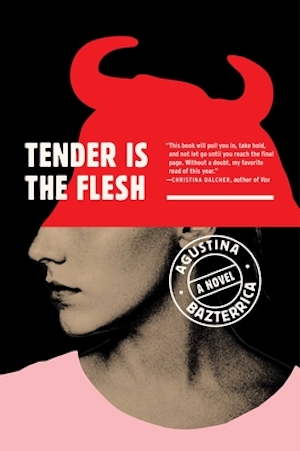
1. Tender is the Flesh by Agustina Bazterrica
In Bazterrica’s chilling dystopian masterpiece, a viral contamination renders all animal meat poisonous to humans, prompting society to legalize the breeding, processing, and consumption of human beings—euphemistically rebranded as "special meat."

The psychological horror anchors itself around Marcos, a slaughterhouse executive who vocally opposes the moral degradation of his world. He tells himself—and anyone who will listen—that he stays in the industry solely to support his ailing, dementia-stricken father out of sheer lack of alternatives. However, when Marcos is gifted a prime female "unit" of meat, his internal rationalizations begin to crack. Bazterrica brilliantly exposes how easily humans adapt to atrocity, weaponizing self-deception to justify monstrous acts under the guise of necessity and the desperate desire to rebuild a family.
2. Hurricane Season by Fernanda Melchor
Set in a suffocatingly impoverished rural Mexican village, Melchor’s brutal, stream-of-consciousness novel investigates the murder of a local woman branded as a witch. Eschewing traditional formatting, Melchor utilizes unending run-on sentences in each chapter, forcing the reader into the breathless, feverish minds of various townsfolk.
While the novel contains harrowing acts of sexual and physical violence, the most devastating aspect is the chillingly cold, callous manner in which humans treat one another when trapped in the grinding gears of generational poverty and systemic terror. The narrators are so deeply flawed and reactive that their cruelties are met with equally brutal reciprocation. By the time the reader sifts through the layers of contradictions, lies, and inherited trauma, the murder of the witch is revealed to be merely a symptom of a much larger, sickening societal rot.

3. Epiphany by J.V. Gachs
Blending traditional prose with an immersive epistolary structure—incorporating news articles, leaked emails, and podcast transcripts—Gachs crafts a suffocating puzzle box of grief and paranoia. The story follows Estela, who receives devastating news: moments after hearing her unborn child’s heartbeat for the first time, she learns her wife, Carol, has died by suicide.
Desperate to understand Carol’s final act, Estela immerses herself in her late partner’s unfinished true-crime podcast, which investigated a gruesome family annihilation attributed to an incarcerated woman. As Estela descends deeper into the case, she begins entertaining Carol’s wild claims that a malevolent forest entity was responsible for the murders. Yet, the true horror materializes internally, as Estela starts experiencing terrifying doubts about the growing life inside her womb and its sinister connection to Carol’s obsession.
4. We Spread by Iain Reid
Shifting the lens from youth and midlife crises to the twilight years, Iain Reid’s We Spread explores a terrifyingly mundane yet surreal horror: the erosion of memory and identity. Following the death of her partner, an elderly woman named Penny attempts to live independently until a severe fall forces her into an upscale, highly regulated assisted living facility.
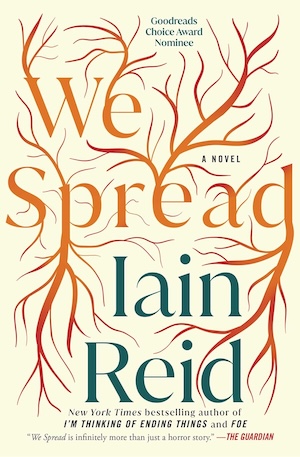
Upon arrival, staff members inform Penny that she and her late partner had arranged her residency years prior—a memory Penny entirely lacks. As the narrative progresses, reality frays. Penny experiences compounding memory loss, surreal encounters, and an eerie sense that the sprawling forest surrounding the facility is expanding infinitely—mirroring her growing suspicion that the residents are slowly merging into a single, collective organism. The dread does not stem from external monsters, but from the terrifying inevitability of aging and the loss of agency over one’s own mind.
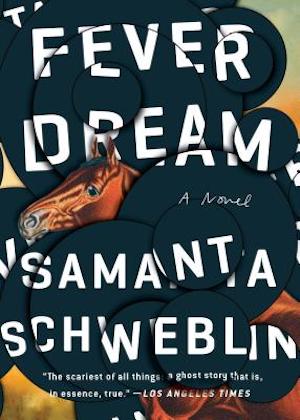
5. Fever Dream by Samanta Schweblin
A masterclass in economic storytelling and mounting unease, Schweblin’s Fever Dream utilizes a challenging dialogue-driven point-of-view to examine ecological disaster and parental terror. The narrative centers on Amanda, a woman lying in a rural clinic, conversing with a strange child named David as she pieces together a catastrophe involving toxic pesticides that poisoned an entire village.
The surface-level horror involves environmental poisoning and arcane rural rituals, but the true emotional core is Amanda’s obsessive calculation of "rescue distance"—the hypothetical perimeter within which she can protect her daughter, Nina. As the story unfolds, Amanda realizes that no amount of vigilance, anxiety, or physical proximity can shield a child from systemic catastrophe. It is an unforgettable novel designed to leave readers profoundly unsettled long after the final page.
Future Outlook: The Ongoing Ascent of Psychological Horror
As literature continues to evolve in response to an increasingly complex and anxiety-inducing world, the boundary between genre fiction and literary fiction will continue to dissolve. Authors like A.P. Thayer, exploring the miserable depths of unreliable protagonists in works like Tapeworm, prove that audiences are hungry for horror that refuses to offer easy catharsis.
Looking forward, we can anticipate a continued focus on narratives that interrogate systemic failures, internal corruption, and psychological endurance. The monsters under the bed and the serial killers in the woods will always have a place on the shelf, but the stories that linger—the ones that exhaust, challenge, and fundamentally change us—will continue to be those that force us to look squarely into the distorted mirror of the human mind.


Comments
Facebook App ID not configured. Please add it in the Customizer.