

Executive Overview
In an era defined by lightning-fast information cycles, ubiquitous digital connectivity, and algorithms designed to maximize engagement through sensationalism, contemporary youth face an unprecedented challenge: discerning fact from fiction. To address this urgent pedagogical need, the literacy advocacy organization Read Your World has officially released its newest educational resource: "Beyond Screens: Teaching Kids to Think Critically in a Digital World."
Designed as a comprehensive, multi-faceted toolkit for educators, librarians, and parents, this free classroom kit arrives at a critical juncture in modern education. As children spend more of their formative years interacting with digital screens and social media platforms, the lines between verified journalism, sponsored content, and deliberate misinformation have blurred. "Beyond Screens" offers a strategic roadmap for moving young minds beyond passive consumption, transforming them into active, analytical producers and consumers of media.
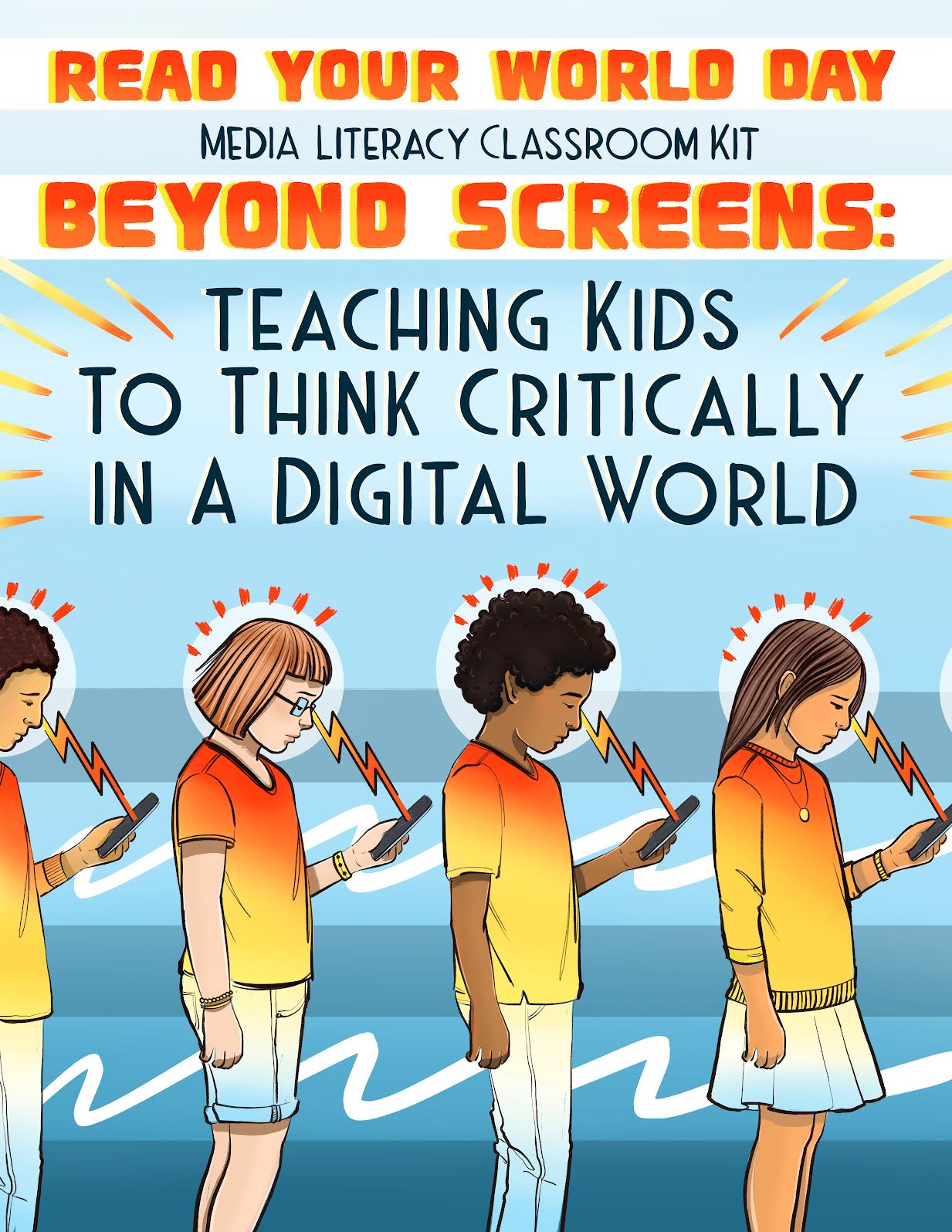
The newly minted kit features an extensive array of resources, including 18 curated children’s books focused explicitly on media literacy and fake news, complimentary fact-checking tools, interactive hands-on games, ready-to-use lesson plans, and dedicated podcast episodes paired with Social-Emotional Learning (SEL) guides and printable worksheets. By marrying screen-free tactile learning methods with modern digital awareness, the kit provides an innovative framework for building foundational critical-thinking skills without requiring continuous screen time. This comprehensive report explores the genesis of the kit, its structural components, the broader educational landscape surrounding media literacy, and the future outlook for digital pedagogy.
Read Also
Detailed Chronology: The Evolution of "Beyond Screens"
The journey toward developing "Beyond Screens: Teaching Kids to Think Critically in a Digital World" reflects a systematic response to shifting societal paradigms in education and technology.
Phase 1: Identifying the Digital Literacy Gap (2020–2023)
As virtual and hybrid learning models surged during the early 2020s, educators observed an exponential rise in children’s digital dependency. While technology democratized access to information, it simultaneously exposed young learners to unvetted narratives, deepfakes, and echo chambers. Recognizing a gap in traditional curricula—which often prioritize technical proficiency over cognitive critique—Read Your World began conceptualizing an intervention centered on literature-based media literacy.
Phase 2: Collaborative Curriculum Development (2024–2025)
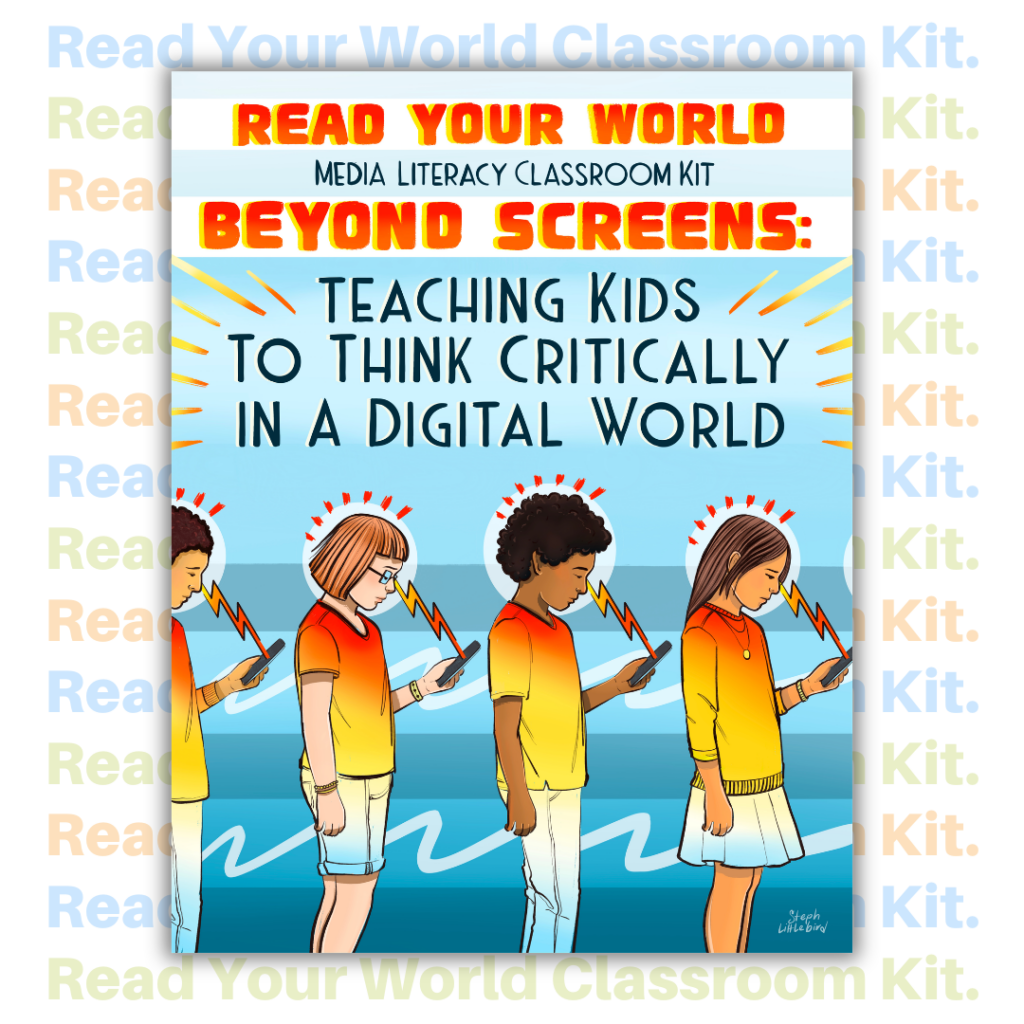
During this developmental phase, educational consultants, children’s literature experts, and classroom teachers collaborated to curate a targeted reading list. Unlike standard academic bibliographies, this selection was designed to mirror diverse lived experiences while tackling complex themes such as algorithmic bias, propaganda, and digital citizenship. Concurrently, illustrator Steph Littlebird was commissioned to develop the project’s signature poster artwork, capturing the conceptual transition from passive screen viewing to active, mindful engagement.

Phase 3: Official Release and Global Rollout (2026)
In the current release cycle, Read Your World officially launched the downloadable kit to the global educational community at zero cost. The rollout was supported by cross-platform digital campaigns, teacher workshops, and integrated partnerships with independent bookstores and literacy networks. Early adoption metrics indicate rapid uptake across elementary and middle school classrooms, signaling an intense appetite for actionable, high-quality media literacy tools.
Supporting Context & Metrics: The Crisis of Misinformation in Youth
To fully understand the gravity of the "Beyond Screens" initiative, one must examine the broader socio-technological ecosystem in which today’s children are raised. Recent studies from educational research institutes highlight alarming trends regarding youth media consumption:

- Pervasive Exposure: Recent data indicates that children aged eight to twelve spend an average of four to six hours daily interacting with screen media, much of it on platforms driven by algorithmic content recommendations.
- The Verification Deficit: Multiple independent studies on media cognition reveal that a vast majority of students struggle to distinguish between native advertising ("sponsored content") and legitimate news articles.
- The SEL Connection: Misinformation is rarely a purely cognitive issue; it frequently exploits emotional vulnerabilities—fear, outrage, and confirmation bias—making the integration of Social-Emotional Learning (SEL) with media literacy an absolute necessity.
Inside the Toolkit: Core Components
The strength of "Beyond Screens" lies in its holistic, multidisciplinary approach. The kit is broken down into several distinct pillars designed to engage diverse learning styles:
- Curated Literature (18 Titles): The kit highlights carefully selected children’s books that use narrative structures to teach skepticism, perspective-taking, and investigative inquiry. These stories serve as safe entry points for discussing complex topics like source credibility and systemic bias.
- Screen-Free Critical Thinking Games: Recognizing that "digital fatigue" is a real barrier in modern classrooms, the kit integrates tactile, analog activities and games that force students to puzzle through logical fallacies, source verification, and point-of-view analysis without looking at a monitor.
- Fact-Checking Tools and Lesson Plans: Educators receive plug-and-play lesson plans equipped with age-appropriate verification frameworks. These frameworks teach students foundational investigative questions: Who created this? What is their motive? What evidence is missing?
- Multimedia Integration: Accompanying podcast episodes, complete with SEL-focused reflection guides and printable worksheets, allow teachers to bridge auditory learning with emotional regulation, helping kids process the anxiety that often accompanies sensationalized news cycles.
Official Statements and Educational Philosophy
Educational leaders and contributors behind the project emphasize that teaching media literacy is no longer an elective or an advanced academic skill—it is a core pillar of modern democratic participation.

"In an environment where anyone can publish anything, teaching children how to question information constructively is just as important as teaching them how to read it," notes an advisory educator associated with the Read Your World initiative. "We cannot simply shield children from the digital world; we must arm them with the cognitive armor required to navigate it safely, ethically, and intelligently."
Illustrator Steph Littlebird, whose visual artwork anchors the campaign, has shared insights regarding her creative process in capturing the essence of the project. Through vibrant imagery and symbolic motifs, the official poster serves as a visual reminder that true critical thinking requires stepping back, questioning the frame, and looking beyond the flat surface of a screen.

Furthermore, Read Your World has a rich history of releasing targeted, high-impact classroom kits addressing systemic societal challenges. "Beyond Screens" joins a prestigious lineage of previous educational releases, including:
- Building Community with Bilingual Books
- Climate Change and Understanding Environmental Justice
- Mental Health Support for Stressful Times
- Structural Racism & Activism
- Understanding Poverty in America and Classroom Empathy Kits
By contextualizing media literacy alongside these vital social justice and wellness topics, the organization underscores that digital habits are deeply intertwined with civic responsibility and mental well-being.

Future Outlook: The Road Ahead for Digital Pedagogy
As artificial intelligence, deepfake technology, and generative media continue to evolve at a breakneck pace, the landscape of digital information will only grow more complex. The skills taught in foundational kits like "Beyond Screens" represent the first line of defense in preserving a shared factual reality for future generations.
Moving forward, the primary challenge for educators will be scalability and continuous adaptation. As new digital platforms emerge, curriculum developers must regularly update pedagogical toolkits to address novel forms of digital persuasion. However, the foundational principles championed by Read Your World—curiosity, emotional self-regulation, rigorous source checking, and empathy—remain timeless.

By offering this comprehensive resource entirely free of charge, Read Your World ensures that underfunded schools, rural districts, and marginalized communities have equitable access to top-tier media literacy education. As educators download and implement "Beyond Screens" in classrooms worldwide, the initiative stands as a beacon of proactive hope, proving that with the right tools, the next generation can be guided to look beyond the screens and see the world clearly.
Educators, parents, and librarians interested in transforming media consumption habits can download the free "Beyond Screens: Teaching Kids to Think Critically in a Digital World" classroom kit directly through the official Read Your World platform.





Comments
Facebook App ID not configured. Please add it in the Customizer.