For decades, popular culture has cast sharks as the merciless villains of the deep blue. Driven by sensationalized television programming, cinematic blockbusters, and an over-reliance on the "man-eater" narrative, public perception of these apex predators has tilted heavily toward terror. When children—and adults alike—binge-watch high-octane television marathons like Shark Week, it is easy to develop a skewed, fear-induced impression of these vital marine creatures.
However, as marine scientists and conservationists frequently point out, the reality of the ocean is vastly different from Hollywood fiction. The truth is stark: despite their fearsome reputations, humans pose a far greater existential threat to sharks than they do to us. Every single year, human activities result in the slaughter of more than 100 million sharks.
As the annual wave of ocean-themed programming approaches, a vital educational shift is occurring. Educators, parents, and literary advocates are turning to children’s books, graphic novels, and historical biographies to reframe the narrative. By exploring the lives of pioneering marine scientists, diving deep into rich maritime mythologies, and examining scientifically grounded literature, young readers can replace baseless panic with informed respect, understanding, and stewardship.
Detailed Chronology: From Fear to Conservation in Marine History
To understand how our cultural relationship with sharks has evolved, it is helpful to trace the timeline of human interaction, scientific discovery, and literary documentation surrounding these animals.
Prehistoric Era (385–359 Million Years Ago): Long before the dawn of humanity, ancient shark ancestors like the Cladoselache patrolled the Devonian seas. As documented in modern paleo-history texts, these creatures established themselves as nature’s ultimate evolutionary survivors, predating even the dinosaurs.
Traditional Maritime Eras: In indigenous cultures—most notably in Hawaiian and Pacific Island mythology—sharks were historically viewed with a complex blend of reverence and awe. They were frequently deified as ancestral guardians (‘aumākua), benevolent protectors, or powerful water gods, rather than dismissed as mindless killers.
The Mid-20th Century (The Rise of Modern Marine Biology): For centuries, scientific knowledge of live sharks in their natural habitat was virtually nonexistent. This changed dramatically due to the pioneering field research of Dr. Eugenie Clark. Often hailed as the "Shark Lady," Clark broke through deep-seated gender barriers in academia to become the very first scientist to study live sharks in the wild, fundamentally altering humanity’s scientific understanding of their intelligence and behavior.
The Late 20th Century (The Cinematic Shift): Cultural fear reached an unprecedented fever pitch with the release of modern thriller films and early television specials. This era cemented an aggressive, predatory stereotype in the global consciousness, triggering decades of overfishing and ecosystem disruption.
The 21st Century (The Conservation & Literary Renaissance): A new wave of marine conservationists—such as underwater ranger Cristina Zenato, who pioneered the delicate art of removing fishing hooks from live sharks—began shifting the public discourse. Simultaneously, publishers began filling library shelves with progressive, science-based children’s literature, graphic memoirs, and historical non-fiction designed to educate the next generation of ocean protectors.
Supporting Context & Metrics: The Human-Shark Dynamic
To properly contextualize the reading choices available to young minds, we must look at the hard data and ecological realities governing our oceans today.
The Statistical Reality
100 Million+: The estimated number of sharks killed by humans annually, largely driven by overfishing, accidental bycatch, and the illegal global trade for shark fin soup.
The "Mistaken Identity" Phenomenon: Extensive marine research—including studies highlighted by publications like the Daily Mail—demonstrates that shark attacks on humans are remarkably rare and almost always a tragic case of mistaken identity. When surfers or swimmers skim the surface of the water, their silhouettes closely mimic those of a shark’s natural prey, such as seals.
Ecosystem Guardians: Sharks are apex predators that play an indispensable role in maintaining the health and balance of marine ecosystems. By culling sick or weak marine life and regulating prey populations, they ensure the overall vitality of the ocean’s food webs.
Official Statements & Expert Perspectives
Educational and scientific communities have long advocated for a balanced, fact-based approach when introducing children to marine biology.
Prominent children’s book authors and reviewers have continuously emphasized that emotional intelligence regarding wildlife must be cultivated early. As noted by literary reviewers and educational specialists examining works like Jess Keating’s Shark Lady:
"The truth is, despite their fearsome reputations, humans are much more dangerous to sharks than they are to us. Every year, humans kill more than 100 million sharks. It’s important to treat sharks with respect, but there is no need to fear them."
— From Shark Lady: The True Story of How Eugenie Clark Became the Ocean’s Most Fearless Scientist
Furthermore, academic reviews of middle-grade fiction and non-fiction—such as those published by Ms. Yingling Reads—highlight the critical need for literature that blends scientific accuracy with compelling storytelling. Whether a child is reading about structural marine engineering in Captain Aquatica’s Awesome Ocean or exploring the historical context of the coastal events of 1916 in graphic novel adaptations by Lauren Tarshis and Georgia Ball, expert consensus points to one undeniable truth: literacy is the ultimate antidote to irrational fear.
A Curated Guide: Shark Literature and Media for Young Readers
To help children transition from anxiety to fascination, here is an extensive, categorized compendium of top-tier children’s books, graphic novels, and non-fiction titles.
1. Pioneering Biographies: The Scientists Who Changed the Tides
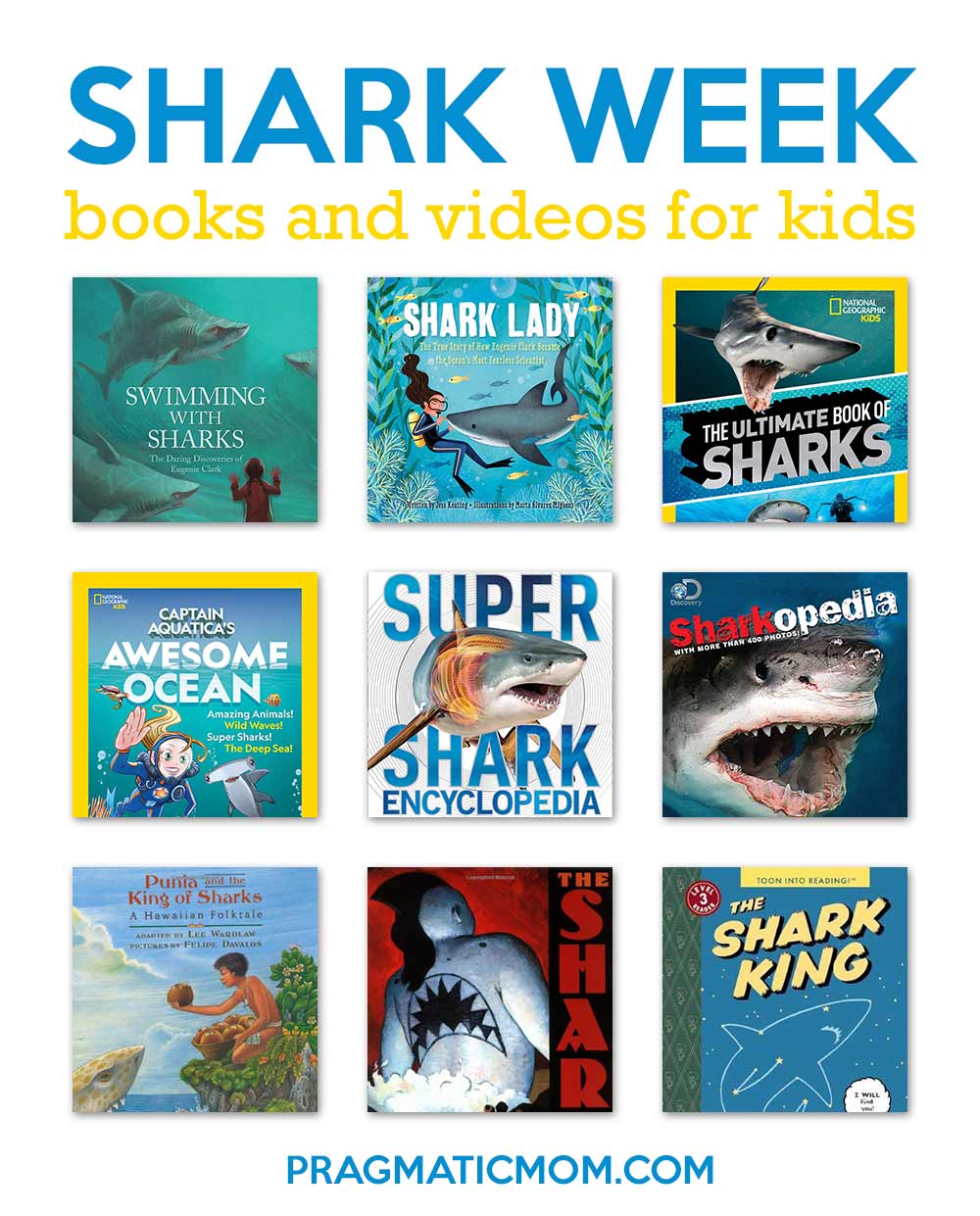
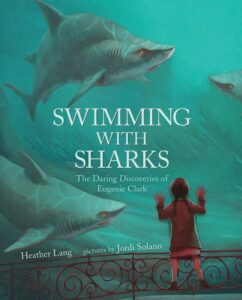
Swimming With Sharks: The Daring Discoveries of Eugenie Clark by Heather Lang, illustrated by Jordi Solano
Age Range: 5 and up
Overview: This picture book biography details how Eugenie Clark became the first scientist to study sharks in their natural habitat, shattering the gender glass ceiling in a male-dominated field and proving that sharks are intelligent animals rather than mindless monsters.
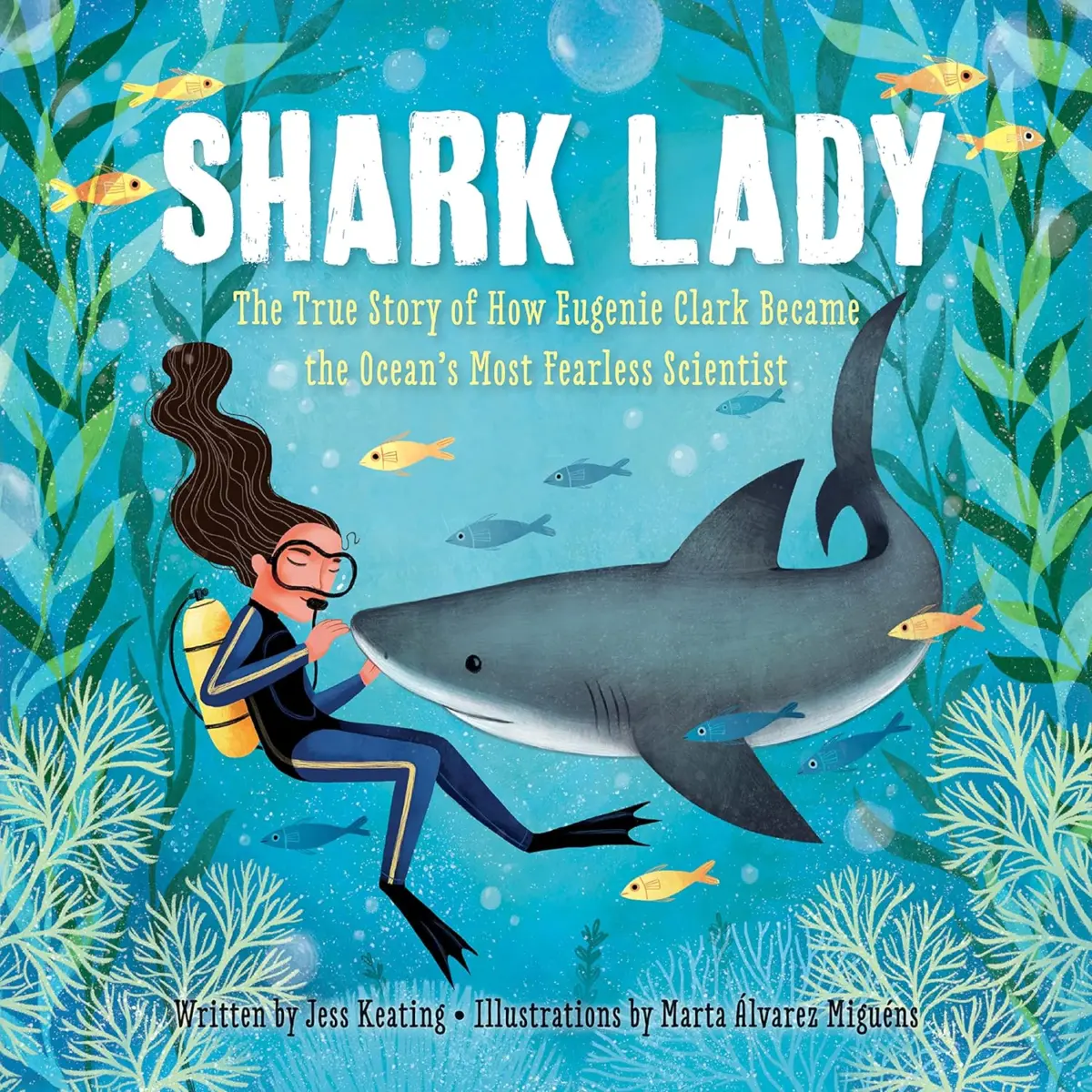
Shark Lady: The True Story of How Eugenie Clark Became the Ocean’s Most Fearless Scientist by Jess Keating, illustrated by Marta Alvarez Miguens
Age Range: 4 and up
Overview: Focusing on Clark’s childhood fascination—where her mother provided an aquarium that served as her laboratory—this book details her academic triumphs, her discovery of three new species in the Red Sea, and her lifelong crusade for shark conservation.
Sharks Unhooked: The Adventures of Cristina Zenato, Underwater Ranger by Patricia Newman, illustrated by Becca Hall
Age Range: 6 and up
Overview: Tracing Cristina Zenato’s journey from an Italy-born child dreaming of the sea to a master shark expert in the Bahamas, this book chronicles how she built individual relationships with wild sharks to safely remove embedded fishing hooks from their fins.
2. Comprehensive Non-Fiction: Facts, Science, and Ecosystems
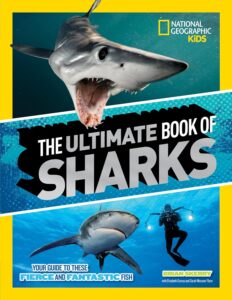
The Ultimate Book of Sharks from National Geographic Kids
Age Range: 9 and up
Overview: A gold standard for young researchers, this book covers swimming speeds, global habitats, anatomical breakdowns, and introduces readers to obscure species like cat sharks and tasseled wobbegongs, complete with a comprehensive index and striking photography.
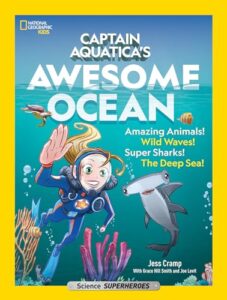
Captain Aquatica’s Awesome Ocean by Jess Cramp with Grace Hill and Joe Leavit
Age Range: 8 and up
Overview: Blending graphic novel-style micro-adventures featuring Captain Aquatica and her hammerhead shark companion Finn with deep-dive informational text, this book explores waves, weather, underwater engineering, and marine conservation.
Sharks: a Mighty Bite-Y History by Miriam Forster
Age Range: 8 and up
Overview: A chronological journey that starts with the ancient Cladoselache shark of the Devonian period (385–359 million years ago) and features specialized "ToolBox" inserts explaining shark skin, anatomy, senses, and nurseries.
Super Shark Encyclopedia and Other Creatures of the Deep by DK
Overview: An exhaustive visual guide that utilizes cutting-edge photography and layout design to break down the sheer diversity of underwater predators.
Sharkopedia by Discovery Channel
Overview: An encyclopedic dive into the networks and behaviors of oceanic predators, ideal for curious minds seeking raw data and high-definition imagery.
3. Cultural Heritage: Hawaiian Mythology and Folktales
Punia and the King of Sharks: A Hawaiian Folktale adapted by Lee Wardlaw, illustrated by Felipe Davalos
Age Range: 4 and up
Overview: A traditional tale where young Punia uses clever wits to outsmart the King of Sharks—who rules over local lobsters—to secure food for himself and his mother.
The Shark God by Rafe Martin, illustrated by David Shannon
Age Range: 4 and up
Overview: A touching narrative highlighting the benevolent nature of the Hawaiian Shark God, who steps in to rescue innocent children from an unjust royal decree.
The Shark King by R. Kikuo Johnson
Age Range: 4 and up (Graphic Novel)
Overview: A bittersweet graphic novel exploring the romance between a human maiden and the disguised Shark God, blending folklore with sequential art.
4. Middle-Grade Novels and Graphic Adaptations
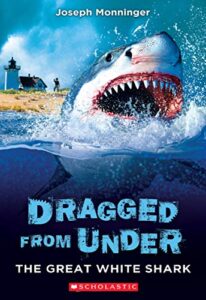
The Bull Shark (Dragged From Under #1) and The Great White Shark (Dragged From Under #2) by Joseph Monninger
Age Range: 8 and up
Overview: These engaging middle-grade novels follow Barn Whimbril, a scientifically minded boy living in Florida who investigates canal ecosystems, uncovers human behaviors (such as food scrap dumping) that inadvertently attract sharks, and fights to protect the animals from illegal local retaliation.
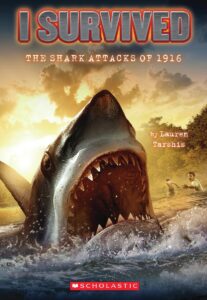
I Survived the Shark Attacks of 1916 by Lauren Tarshis and Haus Studio, adapted by Georgia Ball
Age Range: 7 and up (Graphic Novel)
Overview: Adapting the beloved historical survival series into a graphic novel format, this book integrates historical notes and graphic illustrations to analyze the historical context of coastal shark encounters.
Fins: A Sharks Incorporated Novel by Randy Wayne White
Age Range: 8 and up
Overview: Set against the backdrop of Florida’s blacktip shark migration, this environmental mystery follows three kids who form "Sharks, Inc." to tag sharks for marine biologist Doc Ford while evading illegal shark-fin poachers.
5. Inspirational Autobiographies and Fun Novelties
Soul Surfer: A True Story of Faith, Family, and Fighting to Get Back on the Board by Bethany Hamilton, Rick Bundschuh, and Sheryl Berk
Age Range: 8 and up
Overview: The powerful autobiography of professional surfer Bethany Hamilton, detailing her survival of a tiger shark attack, her emotional recovery, and her resilience in returning to competitive surfing.
Shark vs. Train by Chris Barton, illustrated by Tom Lichtenheld
Age Range: 4 and up
Overview: A delightfully absurd, laugh-out-loud picture book that pits a shark against a train in everyday absurd scenarios like marshmallow roasting and tightrope sword fighting, helping young children view sharks with lighthearted amusement.
Encyclopedia Prehistorica: Sharks and Other Sea Monsters by Robert Sabuda and Matthew Reinhart
Age Range: 5 and up
Overview: A masterclass in paper engineering, this pop-up book combines intricate papercraft with fascinating prehistoric marine facts.
Future Outlook
As environmental education continues to evolve, the cultural trajectory surrounding apex ocean predators is undergoing a much-needed transformation. The transition from blind terror to informed advocacy relies heavily on early literacy, immersive science communication, and media that emphasizes coexistence over conflict.
By replacing sensationalized fiction with factual literature, parents, educators, and authors are ensuring that the next generation grows up viewing sharks not as monsters to be feared, but as irreplaceable guardians of our global waters. Through continued conservation efforts, robust literary resources, and a commitment to scientific truth, humanity can look toward the future of our oceans with mutual respect, wonder, and profound stewardship.




Comments
Facebook App ID not configured. Please add it in the Customizer.