

Executive Overview
The transition into the "empty nest" phase of family life is often characterized by a profound emotional pivot. Parents who have spent decades curating schedules, attending school events, and managing household logistics suddenly find themselves facing quiet hallways and an abundance of unstructured time. While the initial adjustment period can carry a bittersweet pang of nostalgia, it frequently gives way to a liberating chapter of personal reinvention.
For many couples, this newfound autonomy unlocks the potential for spontaneous travel—an endeavor that looks vastly different when undertaken without children in tow. Gone are the days of negotiating itineraries around nap times, snack schedules, or the fleeting attention spans of younger travelers. Instead, empty nesters are discovering the profound joy of slow travel, unhurried cultural immersion, and deep dives into the arts.
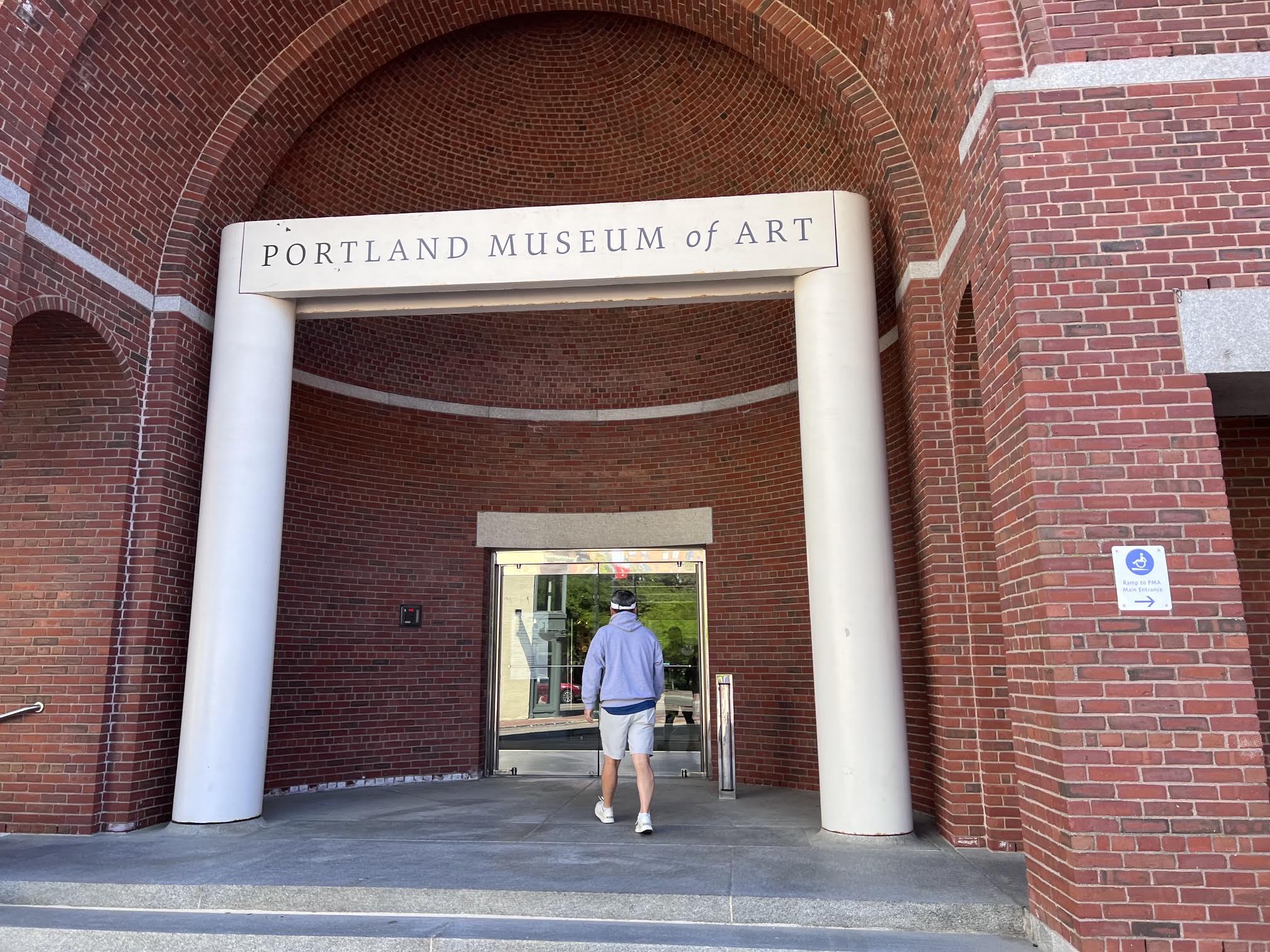
A prime example of this domestic renaissance is found in the cultural vibrancy of Portland, Maine. Long celebrated for its picturesque coastline and stellar culinary scene, Portland also houses world-class institutions like the Portland Museum of Art (PMA). This article explores the evolving landscape of empty-nest travel, examining how parents who once rushed through cultural excursions to accommodate restless children can now savor every brushstroke. Furthermore, this piece highlights how a lifelong appreciation for the arts often circles back to influence the next generation, creating a lasting legacy of creativity and cultural patronage.
Read Also
Detailed Chronology: From Family Logistics to Unhurried Exploration
The Early Years: Cultural Excursions on a Clock
Raising children with an appreciation for history, literature, and the visual arts is a deliberate parenting strategy. For years, family vacations and weekend outings often included mandatory stops at local history museums, science centers, and art galleries. However, any parent attempting to introduce impressionist masterpieces to a restless eight-year-old knows the reality of the experience: the "ticking clock."

- The Negotiation Phase: Museum visits during the active parenting years are rarely leisurely. They involve strategic negotiations—promises of ice cream in exchange for quiet contemplation, or brisk marches past priceless canvases to reach the interactive children’s wing.
- The Pacing Dilemma: While parents might wish to linger before a Monet or a Winslow Homer, the collective energy level of the family unit usually dictates a swift exit. Art appreciation becomes a brief, highly curated exposure rather than a deep, meditative experience.
- The Seeds of Inspiration: Ironically, these rushed childhood excursions often leave a permanent mark. Exposure to galleries and museums plants creative seeds that flourish later in life. In many families, children raised visiting museums evolve into dedicated practitioners and patrons of the arts. For instance, children who once complained about museum fatigue can grow up to attend art colleges, pursue careers in design, or become active collectors of contemporary and classical works.
The Turning Point: Embracing the Empty Nest
As the final child packs their bags for college or independent living, the household dynamic shifts irrevocably.
- Phase One (The Silence): The initial phase is marked by physical quiet and emotional adjustment. The absence of daily routines tied to school buses and extracurricular drop-offs creates a temporal vacuum.
- Phase Two (The Realization): Slowly, couples begin to realize the immense scale of their newly reclaimed freedom. Weekends no longer belong to soccer tournaments or parent-teacher association meetings. Schedules become entirely self-directed.
- Phase Three (The Travel Renaissance): This realization naturally culminates in the rediscovery of travel. Unburdened by oversized strollers, car seats, and packed schedules, empty nesters can finally travel on their own terms. Destinations are chosen not for their child-friendly amusement parks, but for their architectural heritage, culinary innovation, and cultural depth.
Supporting Context & Metrics: The Rise of Empty-Nest Tourism
The phenomenon of empty-nest travel is not merely an anecdotal lifestyle shift; it is a significant economic and cultural trend within the modern tourism industry. Travel analysts and demographic researchers have noted distinct shifts in how older adults consume leisure travel.

Demographic Shifts in Travel Preferences
According to recent hospitality and tourism data, travelers aged 50 and older—particularly those who have recently transitioned into the empty-nest phase—represent one of the fastest-growing segments in the travel industry. Unlike younger demographics who prioritize high-velocity adventure travel, or families focused on all-inclusive resorts, empty nesters display distinct characteristics:
- Preference for Cultural Immersion: Studies indicate that over 65% of empty-nest travelers prioritize cultural destinations, museums, historical sites, and local culinary experiences over traditional leisure or beach vacations.
- Extended Stays and Slow Travel: Without the constraints of school calendars or rigid vacation allotments, mature couples are staying longer at destinations, allowing for deeper engagement with local communities.
- Spontaneous Regional Travel: Proximity travel—short road trips or regional flights to vibrant secondary cities—has surged. Couples are increasingly exploring cultural hubs within a three-to-four-hour radius of their homes, valuing convenience paired with high-end cultural offerings.
The Economic Impact on Regional Art Hubs
Cities like Portland, Maine, have seen a noticeable influx of cultural tourists seeking precisely this type of experience. The synergy between a thriving culinary scene and accessible, world-class cultural institutions makes Portland an ideal case study in modern regional tourism.

- Museum Attendance Metrics: Mid-sized museums, such as the Portland Museum of Art, report a steady increase in adult-only admissions during shoulder seasons (spring and autumn), driven largely by mature travelers and empty nesters seeking peaceful gallery environments.
- Cross-Pollination of Arts and Dining: Economic development reports from coastal New England highlight that cultural tourists spend an average of 40% more per day on local dining, boutique lodging, and specialty retail shops compared to traditional family travelers, directly benefiting local artisans and independent restaurateurs.
Official Statements & Expert Perspectives
To understand the deeper psychological and cultural shifts associated with this travel renaissance, industry experts, travel writers, and cultural historians offer valuable insights.
The Psychology of Adult Travel
Dr. Elena Vance, a cultural psychologist specializing in life-stage transitions, notes that traveling without children allows couples to reconnect not just as parents, but as partners with individual intellectual curiosities.

"When children leave the home, parents undergo a profound identity shift. Reclaiming travel as an adult-only activity is a vital mechanism for this transition. It allows individuals to return to the hobbies, aesthetic interests, and curiosities they may have sidelined during the intensive child-rearing years. Visiting an art museum without the pressure of managing a child’s boredom transforms the experience from a chore into a restorative, meditative practice."
Perspectives on Regional Cultural Tourism
Local tourism advocates in Maine emphasize the unique appeal of destinations that combine natural beauty with intellectual stimulation. Marcus Sterling, director of regional cultural initiatives, highlights the changing profile of visitors to the Portland Museum of Art:

"We are seeing a noticeable evolution in our visitor demographics. While school groups and families remain vital to our mission, there is an undeniable surge in couples taking weekend getaways. These visitors are looking for depth. They want to spend an entire afternoon in the impressionist wing without looking at their watches. Portland offers that rare combination of world-class art, maritime history, and an exceptional culinary landscape that appeals directly to this discerning audience."
The firsthand experience of travelers mirrors these expert observations. Reflecting on a recent trip to the Portland Museum of Art, one empty nester shared:

"The Portland Museum of Art in Maine is simply wonderful. I almost missed the wing with all the incredible impressionist art, but luckily, my husband spotted that part of the museum. Portland is a really fun city with great food. For us, it’s just a short drive. We will be back!"
This simple testimony encapsulates the core appeal of empty-nest travel: serendipitous discoveries, shared attentiveness, and the sheer luxury of time.

Future Outlook: The Expanding Horizon for Mature Travelers
As demographic trends point toward an aging population characterized by active, healthy lifestyles well into retirement age, the market for empty-nest cultural travel is poised for continuous expansion.
Emerging Trends in Art and Culinary Tourism
- Curated Weekend Itineraries: Travel agencies and local tourism boards are increasingly tailoring packages specifically for empty nesters, combining museum memberships, private gallery tours, and chef’s-table dining experiences.
- Technological Enhancements in Museums: Institutions are adopting augmented reality (AR) and self-guided audio narratives that cater to adults seeking deeper contextual history behind collections, allowing visitors to engage with art at their own pace.
- The Lifelong Learning Movement: Educational travel programs, university-affiliated alumni tours, and art-history weekend workshops are seeing unprecedented demand as empty nesters seek out intellectually enriching vacations.
Continuing the Legacy
The journey from dragging reluctant children through echoing museum halls to savoring quiet impressionist wings as an empty nester represents a full-circle moment in parenting and personal growth. The seeds planted decades ago—introducing children to museums, books, and creative expression—often bear fruit in unexpected ways, producing college graduates who pursue the arts, children who become collectors, and parents who finally have the time to look closely at the world around them.

As more couples embrace this liberating phase of life, regional cultural centers like Portland, Maine, will continue to serve as sanctuaries of inspiration. With short drives, vibrant culinary scenes, and halls filled with timeless masterpieces, the empty nest is not an ending, but rather the beginning of an unhurried, beautifully curated adventure.





Comments
Facebook App ID not configured. Please add it in the Customizer.