
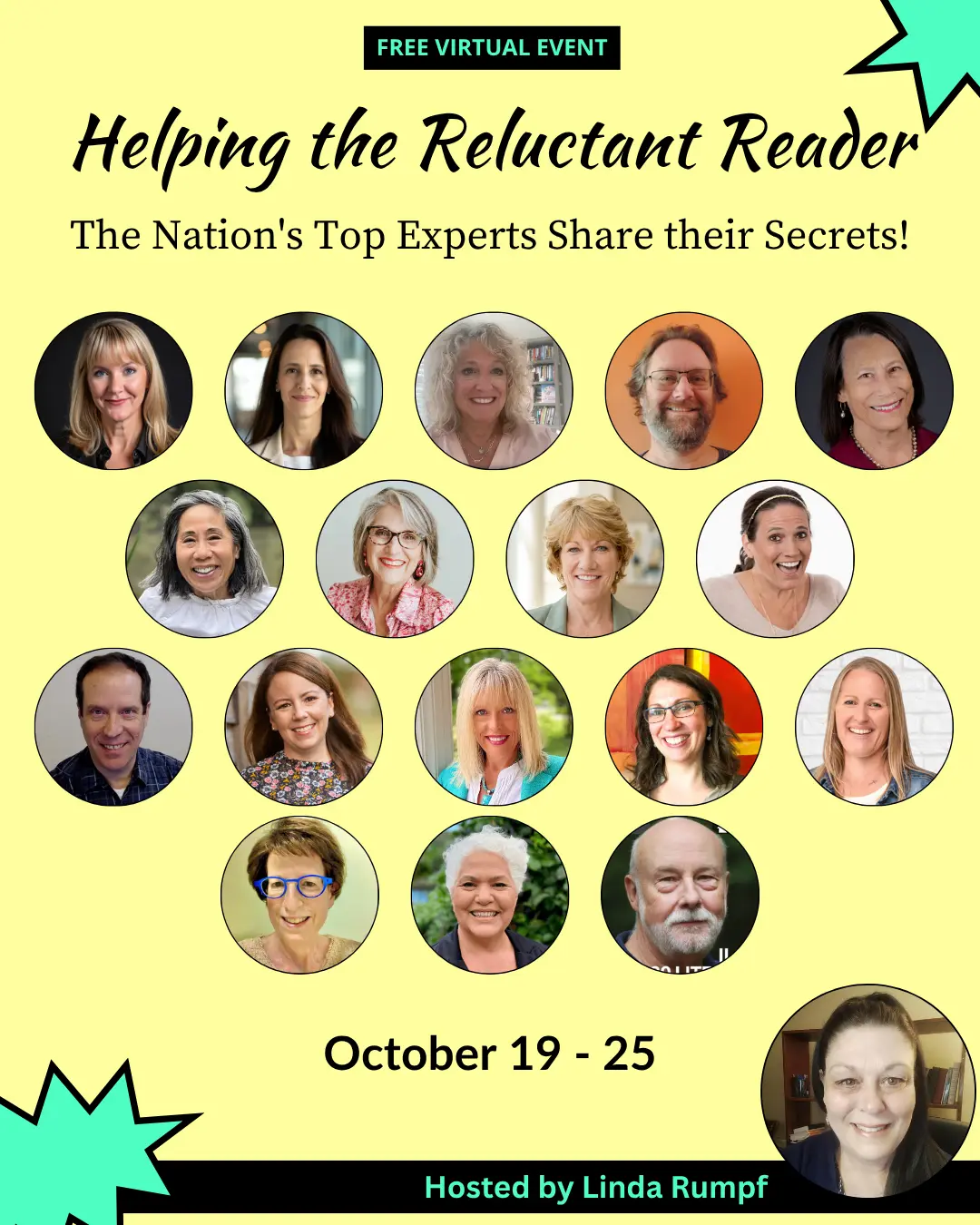
Executive Overview
Literacy is widely celebrated as the foundational cornerstone of academic achievement, lifelong learning, and personal empowerment. Yet, for thousands of children and the educators and parents guiding them, the journey to literacy is fraught with frustration, anxiety, and heartbreak. Despite best efforts to cultivate a comfortable, inviting reading environment at home and in the classroom, many children continue to experience profound reading reluctance. For some, this resistance stems from generalized reading anxiety; for others, it is the lingering psychological fallout of unresolved reading trauma born from years of past academic struggles and failures.
To address this pressing educational challenge, the global literacy community is gathering for the 2026 Close the Reading Gap Summit. Designed specifically as a free, accessible resource for parents, educators, and literacy specialists, this year’s multi-day virtual event centers around a singularly urgent theme: Helping the Reluctant Reader.
Far too often, children who resist reading are unfairly labeled as lazy, unmotivated, or defiant. In reality, these behaviors are frequently outward manifestations of deep-seated frustration—exhaustion from repeatedly feeling like they are doing it “wrong” or failing to make measurable progress. The overarching mission of the 2026 summit is to dismantle these counterproductive labels and provide adults with the actionable tools, psychological insights, and pedagogical strategies needed to “flip the script.”
Read Also
By equipping stakeholders with evidence-based methodologies ranging from morphology and poetry to scaffolding and the strategic deployment of enticing books, the summit promises a paradigm shift. Because reading and writing are inextricably linked, the event also features dedicated programming designed to transform hesitant writers into confident, "Brave Writers." This comprehensive report provides an in-depth look at the summit’s chronology, the systemic context of reading reluctance, expert perspectives, and the future outlook for childhood literacy interventions.
Detailed Chronology: A Day-by-Day Breakdown of the 2026 Summit
Spanning a robust seven-day schedule, the 2026 Close the Reading Gap Summit brings together some of the most respected researchers, authors, and practitioners in the field of education. Each day of the summit is meticulously curated to target a specific pillar of literacy development, moving participants from foundational diagnostic understanding to advanced engagement strategies.
+-----------------------------------------------------------------------------------+
|                        2026 SUMMIT CHRONOLOGICAL OVERVIEW                         |
+-------------------+---------------------------------------------------------------+
| Day One           | Working With Reluctant Readers                                |
| Day Two           | Turning Reluctant Writers into Brave Writers                  |
| Day Three         | Psychology of Reading Refusal: Scaffolding & Flipping Scripts |
| Day Four          | Teaching so They Can’t Fail                                   |
| Day Five          | Fun with Words: Morphology and Poetry                         |
| Day Six           | Enticing Books: Your Secret Weapon                            |
| Day Seven         | More Amazing Strategies for Winning Them Over                 |
+-------------------+---------------------------------------------------------------+
Day One: Working With Reluctant Readers
The summit kicks off with a heavy-hitting panel focused on the root causes of reading resistance. Featuring renowned literacy experts Dr. Louisa Moats, Nora Chahbazi, Emily Gibbons, and Dr. Marnie Ginsberg, Day One establishes the scientific and structural baseline for understanding why children pull away from text. Attendees will explore how explicit, systematic instruction can unburden struggling readers and how educators can identify early warning signs of reading trauma.
Day Two: Turning Reluctant Writers into Brave Writers
Because literacy is a dual-engine vehicle comprising both receptive skills (reading) and expressive skills (writing), Day Two is dedicated entirely to the written word. Noted educator and author Julie Bogart takes center stage to address the paralyzing perfectionism that often keeps children from putting pencil to paper. Participants will learn how to foster low-stakes, high-creativity writing environments that nurture autonomous thinkers and confident authors.
Day Three: Understanding the Psychology of Reading Refusal
Addressing the emotional and cognitive blocks of literacy, Day Three delves deep into the mental health aspects of academic struggle. Dr. Melanie Wilson, Melanie Jeffrey, and Sarah Collins lead sessions on the psychology of reading refusal. The core focus centers on keeping learning tasks bite-sized, implementing effective cognitive scaffolding, and executing the psychological pivot required to "flip the script" on failure-oriented mindsets.
Day Four: Teaching so They Can’t Fail
Designing foolproof instructional loops is the theme of Day Four. Educators Kurt Engelmann and Sherrie Rain present frameworks designed to eliminate the trial-and-error despair that alienates vulnerable learners. By engineering lessons that ensure immediate, repeatable successes, instructors can help rebuild a child’s fractured academic self-esteem.
Day Five: Fun with Words
Moving beyond mechanical decoding, Day Five injects creativity, rhythm, and structural appreciation back into language arts. Dr. Pete Bowers and Dr. Tim Rasinski explore how morphology—the study of word parts and origins—and poetry can spark genuine curiosity. Rather than viewing words as isolated obstacles, children learn to see them as interconnected puzzles waiting to be solved.
Day Six: Enticing Books: Your Secret Weapon
Curating the right reading material can make or break a child’s literacy journey. Day Six features an expert panel consisting of Mia Wenjen, Joanne Kaminski, and Lori Josephson. These speakers examine how targeted, high-interest, and culturally relevant book selection can act as a covert catalyst, transforming passive resisters into enthusiastic page-turners.
Day Seven: Winning Them Over for the Long Haul
The summit concludes with a dynamic session focused on sustaining long-term reading habits. Emily Laidlaw and Kim Yarson share innovative, field-tested strategies for maintaining momentum, reinforcing positive associations with text, and ensuring that the gains made during the summit translate into lifelong reading habits at home and in the classroom.

Supporting Context & Metrics: Decoding Reading Trauma and Reluctance
To truly appreciate the value of the Close the Reading Gap Summit, one must examine the systemic realities of modern childhood literacy. National educational assessments consistently indicate that a significant percentage of students read below grade level. When children fall behind, the traditional classroom environment can inadvertently create a pressure cooker of academic anxiety.
The Anatomy of Reading Trauma
Reading trauma is not a formal clinical diagnosis, but it is a widely recognized phenomenon among educational psychologists. It occurs when a child experiences repeated, public failures in decoding, pronunciation, or comprehension. Over time, these micro-traumas condition the child’s nervous system to associate reading with humiliation, inadequacy, and stress.
When a child slams a book shut, crosses their arms, or claims they "hate reading," parents and teachers frequently misinterpret this as laziness or behavioral defiance. In reality, it is a classic self-preservation mechanism. Avoiding the task protects the child from confronting their perceived intellectual limitations.
Flipping the Script: The Power of Targeted Tools
As the summit’s organizers emphasize, reversing this dynamic does not require an overhaul of the entire educational system; rather, it hinges on targeted, high-impact interventions. Key components of this turnaround include:
- Micro-Scaffolding: Breaking down long chapters or dense paragraphs into digestible, manageable segments to reduce cognitive overload.
- Affective Safety: Creating an environment where mistakes are reframed as essential stepping stones of neurological growth rather than permanent proof of failure.
- Autonomy in Selection: Allowing children to choose books based on personal interest—whether graphic novels, non-fiction magazines, or fantasy series—rather than arbitrary reading level assignments.
Official Perspectives and Expert Insights
The line-up for the 2026 summit represents a convergence of top-tier academic research and frontline classroom experience. Speakers like Dr. Louisa Moats have long championed the science of reading, advocating for structured literacy approaches that explicitly teach phonics, syntax, and semantics. Meanwhile, voices like Julie Bogart bring a human-centric, holistic approach to writing, emphasizing that emotional safety must precede academic output.
The Intersection of Reading and Writing
A central thesis of the 2026 event is the symbiotic relationship between literacy’s two primary pillars. As expert commentary notes, children who struggle to decode text often struggle to encode their thoughts onto paper. Conversely, unlocking the mechanics of writing gives students a deeper, structural appreciation for how books are constructed. By addressing both simultaneously—elevating reluctant readers while transforming hesitant writers into "Brave Writers"—the summit offers a comprehensive solution to holistic literacy development.
Future Outlook: A Collaborative Path Forward for Educators and Parents
The 2026 Close the Reading Gap Summit arrives at a critical juncture in educational evolution. As schools continue to navigate post-pandemic learning gaps and the increasing digital distractions competing for children’s attention, fostering a genuine, lifelong love of reading is more challenging—and more essential—than ever.
Events like this summit underscore a vital truth: literacy instruction cannot rely solely on drill-and-kill mechanics or rigid adherence to outdated pedagogical models. It requires empathy, structural flexibility, and an acute awareness of the psychological barriers that impede learning.
By bridging the gap between parents and educators, the summit fosters a unified front. When adults are armed with the right tools—whether it is understanding morphology, implementing structured scaffolding, or simply selecting the right enticing book—the narrative changes. Children stop viewing reading as a chore to be endured and begin experiencing it as a window of opportunity.
How to Participate
Registration for the 2026 Close the Reading Gap Summit is completely free, ensuring that high-level literacy resources remain accessible to all parents, educators, and specialists regardless of socioeconomic background. Interested parties can secure their spot and review the complete schedule by visiting the official registration portal via the designated Summit Registration Link.
Don’t miss the opportunity to join this transformative event. By learning how to flip the script, you can help the children in your life step out of the shadow of past reading failures and into a bright, literate future.





Comments
Facebook App ID not configured. Please add it in the Customizer.