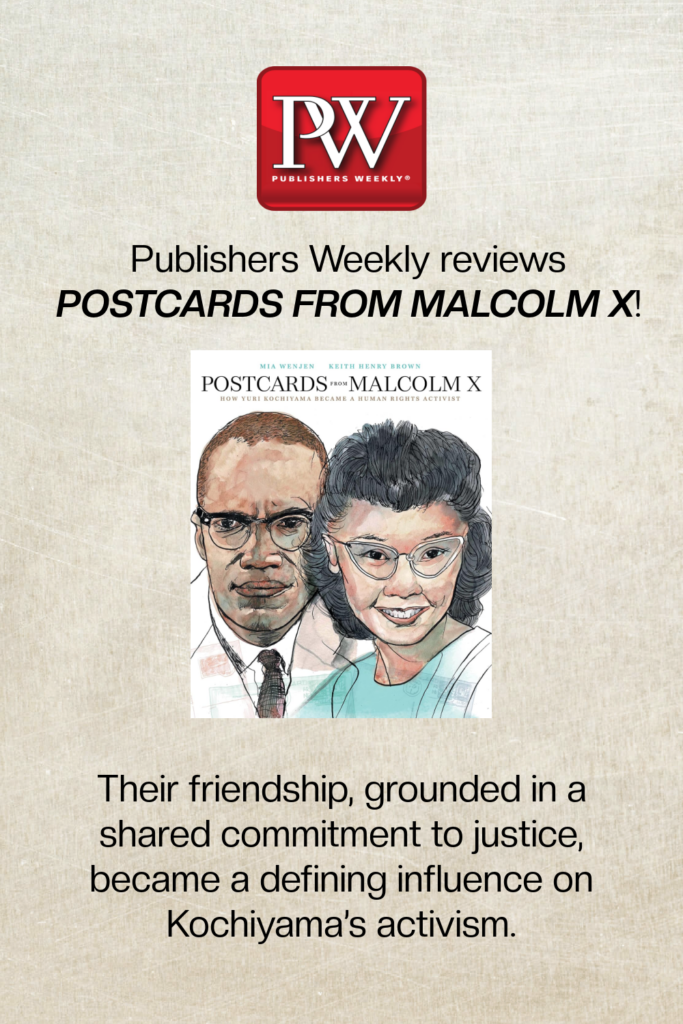
In the realm of contemporary children’s literature, few biographical picture books bridge historical intersectionality and youthful accessibility as powerfully as Postcards from Malcolm X: How Yuri Kochiyama Became a Human Rights Activist. Written by acclaimed author Mia Wenjen with illustrations by Keith Henry Brown and published by Red Comet Press, this 42-page work has earned critical acclaim from major literary authorities, most recently culminating in a glowing review from Publishers Weekly.
Aimed at readers ages 8 to 12, the book chronicles the extraordinary life of Japanese American civil and human rights activist Yuri Kochiyama (1921–2014). From her formative years in the shadow of World War II to her historic, deep-rooted friendship with Malcolm X in Harlem, Kochiyama’s life serves as a blueprint for cross-cultural solidarity. This article provides a comprehensive look at the book’s narrative architecture, its reception by premier trade publications like Publishers Weekly, Kirkus Reviews, and the School Library Journal, and its broader cultural significance in modern educational landscapes.
Detailed Chronology: The Evolution of an Activist
The Formative Tragedy of World War II
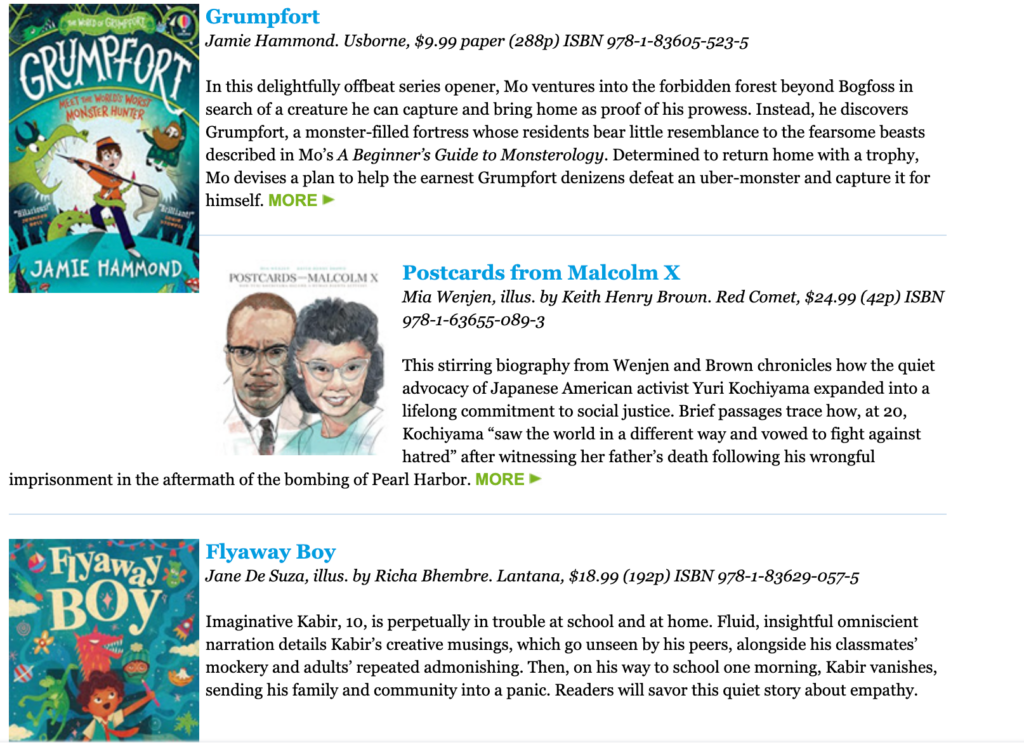
The narrative core of Postcards from Malcolm X begins during a turbulent era in American history. At the age of 20, Yuri Kochiyama—then living a relatively quiet life—experienced a paradigm-shifting trauma. Following the tragic bombing of Pearl Harbor, her father was wrongfully imprisoned by the United States government, an ordeal that ultimately led to his untimely death.
As Publishers Weekly notes in its stirring review, witnessing this systemic injustice caused a young Kochiyama to "see the world in a different way and vowed to fight against hatred." When her family, along with tens of thousands of other Japanese Americans, was forcibly uprooted and sent to an unjust incarceration camp, Kochiyama packed her most essential weapon for survival and connection: stationery, envelopes, and stamps.
For Kochiyama, correspondence was never merely a pastime; "letters were her lifeline," serving as her primary vehicle for protest, psychological endurance, and community building. This early reliance on the written word lays the thematic foundation for the entire book, illustrating how communication can bridge isolation and lay the groundwork for collective resistance.
Migration to Harlem and Cross-Cultural Solidarity
Following the conclusion of World War II, Kochiyama married and eventually settled in Harlem, New York. Far from retreating into domesticity, she immersed herself in the vibrant, high-stakes civil rights movements of the era. Alongside her family, Kochiyama actively participated in demonstrations advocating for the labor rights of Black and Puerto Rican workers.
It was during this era of grassroots organizing that her path crossed with one of the most prominent figures of the twentieth century. Following an arrest during a political protest, Kochiyama found herself inside a Brooklyn courthouse. There, she met Malcolm X.
This initial meeting blossomed into a profound, intellectually stimulating friendship grounded in a shared, uncompromising commitment to global justice. When Malcolm X traveled overseas in 1964, the two maintained a steady correspondence. Their letters, postcards, and shared ideological growth became a defining, transformative influence on Kochiyama’s lifelong trajectory as a human rights champion.
Supporting Context & Metrics: Critical Reception and Literary Impact
Critical Acclaim Across Major Platforms
The release of Postcards from Malcolm X has been met with widespread critical praise, signaling its importance within the children’s nonfiction genre. Trade reviews have consistently highlighted Wenjen’s ability to render complex socio-political histories into accessible, inspiring narratives for middle-grade readers.
Publishers Weekly: Praised the book as an "approachable and energetic portrait of an activist," specifically commending the seamless integration of biographical narrative with historical context. The review highlighted how conversational prose and loose ink-and-watercolor artwork capture the genuine warmth of the bond between Kochiyama and Malcolm X.
Kirkus Reviews: Recognized the title for its vital contribution to multicultural literature, emphasizing the book’s effectiveness in teaching young readers about lesser-known intersections of Asian American and African American solidarity.
School Library Journal: Celebrated the book’s classroom utility, noting that the extensive back matter provides educators and young historians with the necessary tools to explore the civil rights movement beyond standard textbook narratives.
Book Specifications and Educational Integration
Published by Red Comet Press, Postcards from Malcolm X is designed with meticulous attention to both aesthetic and educational standards:
ISBN-13: 978-1-63655-089-3
Retail Price: $24.99
Page Count: 42 pages
Target Audience: Ages 8–12 (Grades 3–7)
Artistic Medium: Loose ink and watercolor illustrations by Keith Henry Brown, designed to evoke the organic, personal nature of letters and postcards.
Official Statements and Creator Insights
In recent promotional releases, interviews, and multimedia content surrounding the launch of Postcards from Malcolm X, author Mia Wenjen and illustrator Keith Henry Brown have shared profound insights into the motivation behind bringing Yuri Kochiyama’s story to a younger demographic.
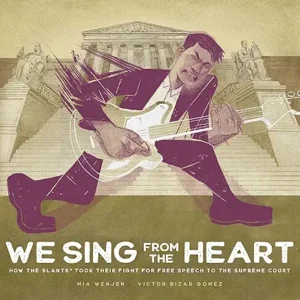
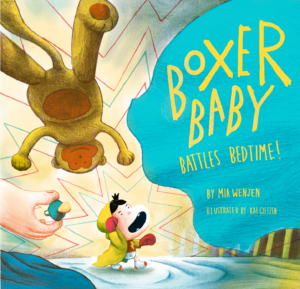
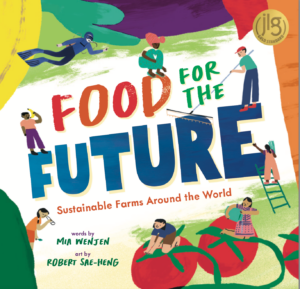
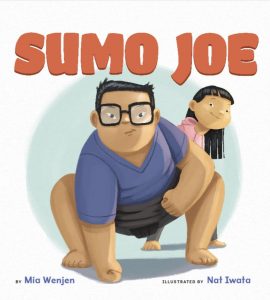
Wenjen, known for her dedication to highlighting diverse historical figures and multicultural narratives—such as Barbed Wire Between Us, Fortune Cookies for Everyone!, and We Sing from the Heart—has repeatedly emphasized the urgency of teaching children about cross-racial solidarity.
"Yuri Kochiyama’s life proves that fighting for justice is not bound by racial or cultural lines," Wenjen notes in discussions regarding her biographical works. "When we show young readers how a single individual used pen, paper, and persistent empathy to connect with leaders like Malcolm X, we give them a tangible framework for their own activism."
Keith Henry Brown’s artistic direction similarly aims to humanize historical icons. By employing loose ink-and-watercolor strokes, Brown avoids rigid, overly formal depictions, allowing the emotional resonance of friendship, resilience, and hope to take center stage. The artistic style mirrors the epistolary theme of the book: fluid, personal, and direct.
Future Outlook: The Expanding Legacy of Yuri Kochiyama in Schools
As educational curricula increasingly embrace diverse, intersectional histories, books like Postcards from Malcolm X are poised to become foundational texts in elementary and middle school classrooms. The work arrives at a critical juncture where educators are actively seeking literature that transcends single-narrative histories of the civil rights movement.
By illustrating how an ordinary person subjected to unconstitutional imprisonment could transform personal grief into global advocacy, Wenjen and Brown offer a blueprint for youth empowerment. Coupled with extensive back matter, reading guides, and digital resources—including the official book trailer and author Q&As—Postcards from Malcolm X ensures that Yuri Kochiyama’s legacy of coalition-building will continue to educate and inspire generations to come.











Comments
Facebook App ID not configured. Please add it in the Customizer.