In an era dominated by hyper-curated social media feeds, narrow societal definitions of beauty, and pervasive digital pressures, cultivating a healthy body image and self-worth in children has never been more urgent. Long before adolescents navigate the complexities of identity, younger children—often as early as preschool age—absorb subconscious messages about size, physical features, physical abilities, and societal norms from their surrounding environments.
Fortunately, a growing literary movement is challenging these toxic paradigms. Authors, illustrators, and developmental experts are curating a vital counter-narrative through children’s literature, picture books, and middle-grade novels. These works move past superficial aesthetics, redefining physical forms through the lenses of functionality, emotional resilience, cultural representation, and disability justice.
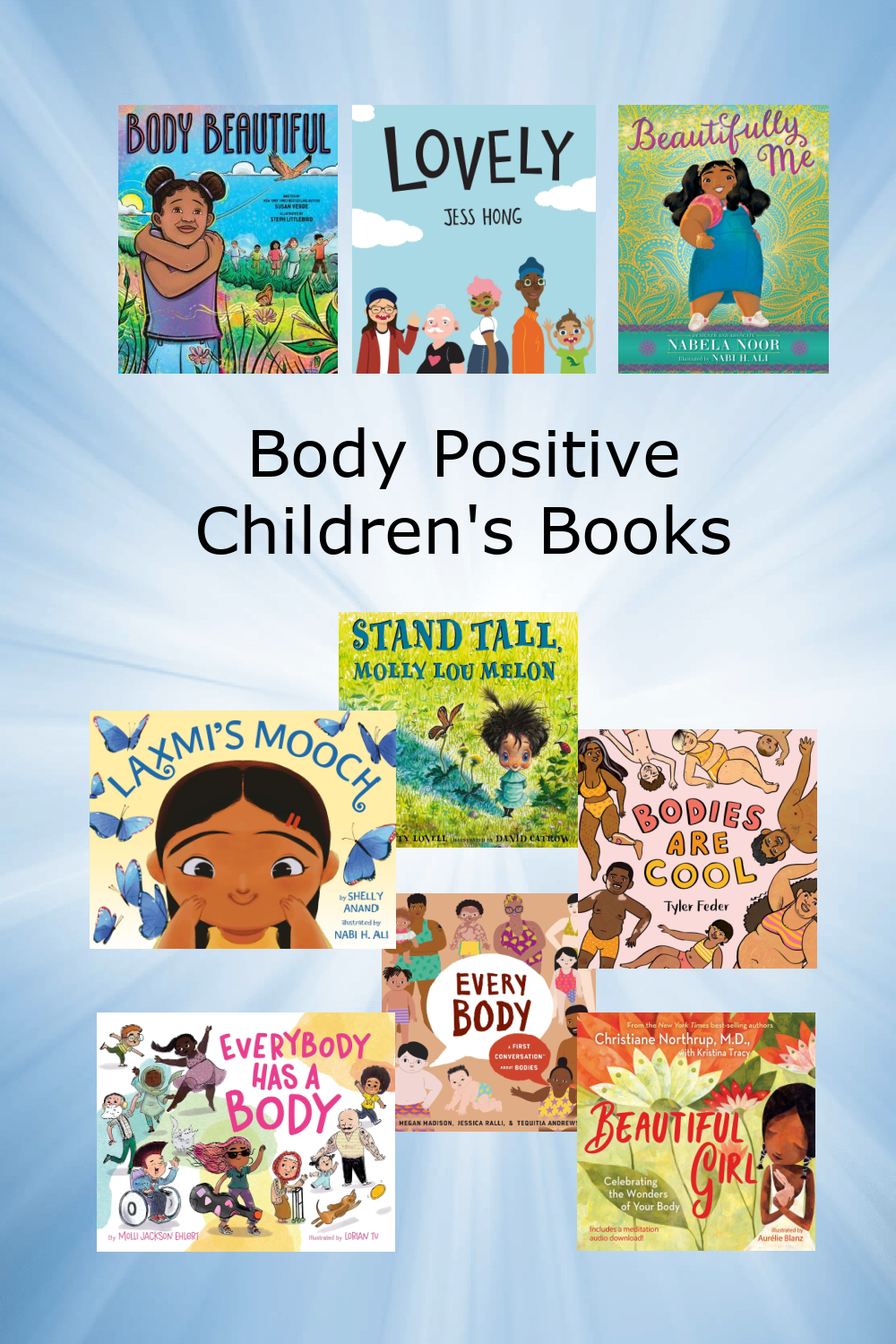
This comprehensive review examines a curated selection of contemporary children’s and middle-grade books that address body positivity, self-acceptance, and inclusivity. Inspired by Susan Verde’s latest picture book, Body Beautiful, this guide analyzes how modern literature equips children, parents, educators, and caregivers with the conversational tools needed to dismantle fatphobia, combat ableism, reject racialized microaggressions, and foster enduring self-love.
Detailed Chronology & Literary Landscape: The Evolution of Body Positivity in Kids’ Books
Historically, children’s literature often skirted around or inadvertently reinforced harmful tropes regarding physical appearance—frequently depicting characters with physical differences as subjects of pity, humor, or villainy. Over the past decade, however, the publishing landscape has undergone a profound transformation. The timeline of body-positive children’s literature has shifted from vague messages about "inner beauty" to explicit, intersectional conversations about body diversity, fat activism, neurodiversity, and accessibility.
Phase One: Foundation of Individual Self-Worth (Early 2000s)
Early milestones in this genre focused primarily on individual self-esteem against localized bullying or insecurity.
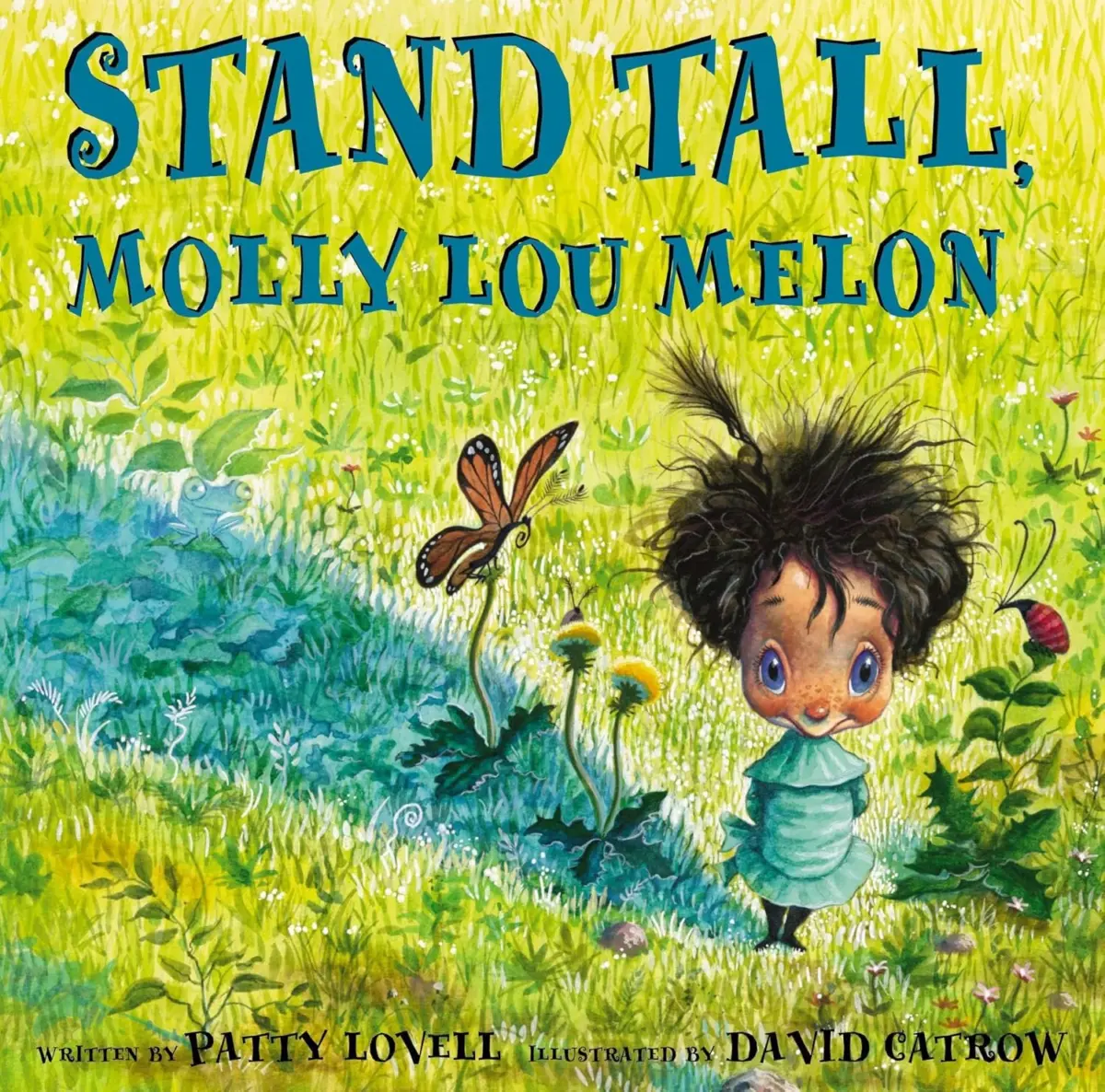
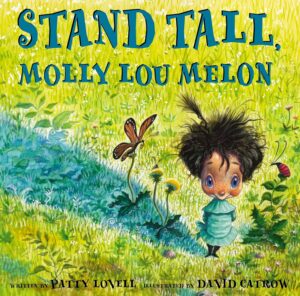
Stand Tall, Molly Lou Mellon by Patty Lovell (illustrated by David Catrow) laid early groundwork for celebrating physical traits that stray from conventional norms—such as buck teeth and short stature—transforming perceived flaws into sources of personal power.
Phase Two: Expanding the Definition of Representation (Mid-2010s to 2020)
As conversations regarding diversity broadened, authors began exploring how cultural backgrounds intersect with body image and appearance-based microaggressions.
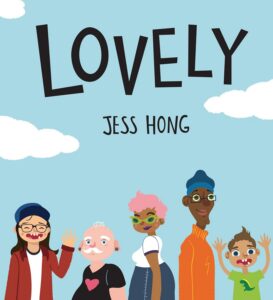
Lovely by Jess Hong introduced minimalist, highly diverse imagery to validate that all types of bodies, styles, and configurations are wonderful and unique.
Abigail the Whale by Davide Cali tackled psychological reframing, teaching children how positive thinking and growth mindsets can overcome size-based bullying.
Phase Three: Intersectional, Systemic, and Activist Literature (Present Era)
Today’s children’s literature directly confronts systemic issues like fatphobia, ableism, racism, and accessibility. Books are no longer just gentle allegories; they are direct educational tools designed to help preschoolers and older children unpack societal biases.
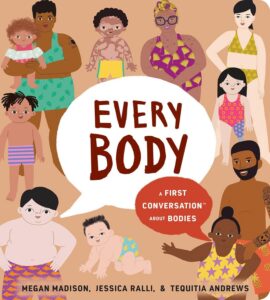
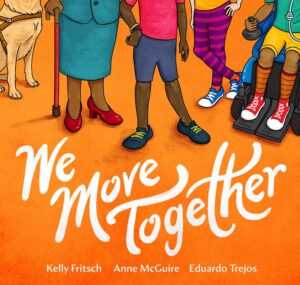
Works like Every Body: A First Conversation about Bodies by Megan Madison and Jessica Ralli, and We Move Together by Kelly Fritsch and Anne McGuire, explicitly introduce concepts of disability justice and body diversity to very young audiences.
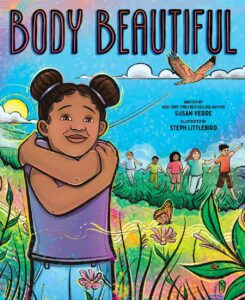
Recent releases like Susan Verde’s Body Beautiful (illustrated by Steph Littlebird) continue this vital evolution, framing the body not as an ornament to be judged, but as an instrument of wonder, wisdom, and survival.
Supporting Context & Metrics: Why Early Intervention Matters
Childhood psychologists and public health researchers emphasize that body dissatisfaction frequently manifests during early childhood. According to studies highlighted by organizations dedicated to pediatric mental health, children as young as six years old express concerns about their weight or body shape, often mirroring the anxieties and internalized biases expressed by parents, older siblings, and media figures.
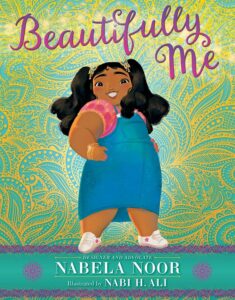
The Impact of Internalized Biases: As illustrated in books like Nabela Noor’s Beautifully Me, children are acute observers of adult self-talk. Comments about "needing to lose weight" or criticizing one’s own "big tummy" directly shape a child’s internal monologue regarding their own physical form.
The Digital Pervasiveness: Social media algorithms bombard developing minds with unrealistic, narrowly conforming beauty standards long before they reach middle school. Providing literature that counters these aesthetics acts as a crucial psychological buffer.
Intersectionality and Representation: Body image issues do not affect all children equally. Marginalized youth frequently face compounded pressures stemming from racialized physical features (e.g., hair texture, eye shape, or skin tone) alongside traditional weight-based stigmatization. Intersectional children’s literature ensures that every child sees their inherent worth validated on the page.
Curated Book Reviews: Essential Titles for Body Positivity & Inclusivity
1. Beautifully Me by Nabela Noor, illustrated by Nabi H. Ali
Target Audience: Picture book, ages 2 and up
Synopsis & Impact: It is Zubi’s first day of school, and she begins the morning full of excitement. However, her joy is quickly dampened as she overhears negative self-talk from her family members regarding their bodies and weight. At school, a classmate makes a critical comment about appearance, turning Zubi’s milestone day into a confusing and painful experience. Seeking control, Zubi decides to go on a diet, shocking her family into recognizing the harmful impact of their own body commentary. They apologize, explain their own unhealed insecurities, and uplift Zubi, whose name means "loving and understanding."
Key Takeaway: A powerful reminder that children absorb the words adults say about themselves, making parental self-compassion vital to child development.
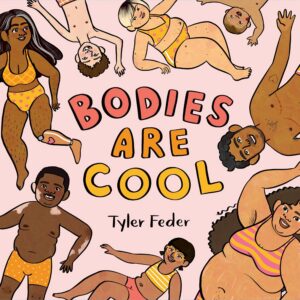
2. Bodies Are Cool by Tyler Feder
Target Audience: Picture book, ages 2 and up
Synopsis & Impact: Tyler Feder delivers an exuberantly illustrated, radically inclusive celebration of all body types. From scars, body hair, and rolls to wheelchairs, limb differences, and diverse skin tones, this book leaves no body out. It is designed as an enthusiastic read-aloud chant that encourages children to celebrate physical diversity with joy and pride.
Key Takeaway: Normalizing differences early eliminates shame and builds a foundational culture of body appreciation.
3. Stand Tall, Molly Lou Mellon by Patty Lovell, illustrated by David Catrow
Target Audience: Picture book, ages 2 and up
Synopsis & Impact: Armed with the wise counsel of her grandmother, Molly Lou Mellon faces the world with absolute self-assurance. When a schoolyard bully tries to belittle her short stature and buck teeth, Molly Lou leans into her unique traits—smiling widely, speaking with a strong voice, and standing tall. Her unwavering confidence ultimately wins over her peers and disarms the bully.
Key Takeaway: Confidence and self-love serve as natural shields against bullying and social intimidation.
4. Every Body: A First Conversation about Bodies by Megan Madison and Jessica Ralli, illustrated by Tequitia Andrews
Target Audience: Picture book, ages 3 and up
Synopsis & Impact: Taking a serious, didactic, and deeply thoughtful approach, this book is specifically engineered to jumpstart crucial conversations between adults and preschoolers. It covers complex topics with age-appropriate clarity, including ableism, body diversity, disability justice, fatphobia, fat activism, and fundamental body affirmation.
Key Takeaway: Introduces systemic social justice concepts in a digestible format for early childhood development.
5. Body Beautiful by Susan Verde, illustrated by Steph Littlebird
Target Audience: Picture book, ages 4 and up
Synopsis & Impact: Serving as the primary inspiration for this literary collection, Susan Verde and Steph Littlebird present a refreshing paradigm shift. Instead of focusing on outward appearance, Body Beautiful frames the human body as a marvel of functional capability, emotional expression, and deep internal wisdom. It directly counters the rigid, narrow definitions of beauty pushed by modern media.
Key Takeaway: Shifting the focus from how a body looks to what a body can do and feel fosters deep psychological resilience.
6. Lovely by Jess Hong
Target Audience: Picture book, ages 4 and up
Synopsis & Impact: Utilizing sparse text and bold, vibrant illustrations, Jess Hong dismantles the narrow parameters of traditional beauty standards. The book champions a wide, inclusive definition of "lovely" that embraces everyone, ensuring that differences are celebrated as weird, wonderful, and entirely normal.
Key Takeaway: Beauty is expansive, pluralistic, and entirely non-conforming.
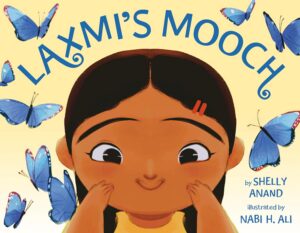
7. Laxmi’s Mooch by Shelly Anand, illustrated by Nabi H. Ali
Target Audience: Picture book, ages 4 and up
Synopsis & Impact: When Laxmi’s classmates point out the dark hairs on her upper lip, she spends an agonizing day feeling embarrassed and self-conscious. Upon returning home, her parents offer a warm, body-positive reassurance: everyone has hair on their bodies, and unique traits are natural and beautiful. Armed with this wisdom, Laxmi returns to school the next day ready to share this empowering truth with her peers.
Key Takeaway: Challenging grooming norms and body hair stigmas helps children embrace their natural biological realities without shame.
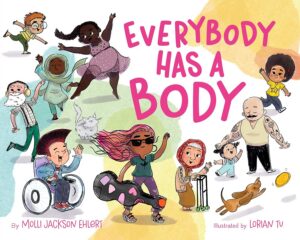
8. Every Body Has a Body by Molli Jackson Ehlert, illustrated by Lorian Tu
Target Audience: Picture book, ages 4 and up
Synopsis & Impact: This book pivots entirely toward somatic functionality. Reminding young readers that bodies are designed to move us through the world, experience sensations, and perform daily tasks, it emphasizes that while bodies look vastly different from one another, their shared purpose is universal.
Key Takeaway: A utilitarian and grounding approach to body appreciation that values action over aesthetics.
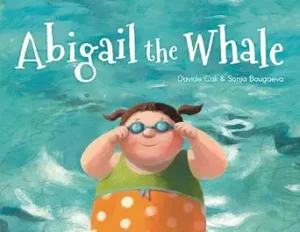
9. Abigail the Whale by Davide Cali, illustrated by Sonja Bougaeva
Target Audience: Picture book, ages 5 and up
Synopsis & Impact: Teased in her swimming class for making a massive splash upon diving in, Abigail is cruelly dubbed "a whale." Her swim coach intervenes, offering a mental strategy: to feel light, one must think light, like a fish or a bird. Abigail applies this principle across various aspects of her life—imagining herself as a kangaroo for high jumps or a statue during medical shots. By the next swimming lesson, she dives off the high dive with absolute grace.
Key Takeaway: Teaches growth mindsets, cognitive reframing, emotional empathy, and the incredible power of positive self-talk.
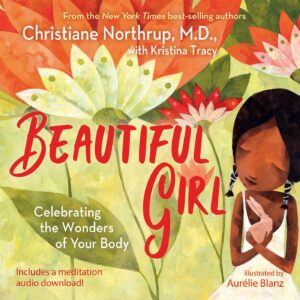
10. Beautiful Girl: Celebrating the Wonders of Your Body by Christiane Northrup, M.D. and Kristina Tracy, illustrated by Aurelie Blanz
Target Audience: Picture book, ages 5 and up
Synopsis & Impact: Acting as a gentle precursor to traditional adolescent health discussions, this book utilizes rich, inspirational metaphors to help young girls understand and celebrate their growing, changing bodies. It provides nurturing guidance rooted in medical expertise and emotional intelligence.
Key Takeaway: Prepares young girls for bodily maturation with grace, science, and enthusiastic positivity.
11. We Move Together by Kelly Fritsch and Anne McGuire, illustrated by Eduardo Trejos
Target Audience: Picture book, ages 6 and up
Synopsis & Impact: Centered on disability justice, accessibility, and ableism, this picture book demonstrates how communities thrive when barrier-free environments are created for everyone. It underscores that all bodies possess unique strengths and needs, and that true community leaves no body behind.
Key Takeaway: Fosters inclusivity and collective responsibility regarding physical accessibility and disability rights.
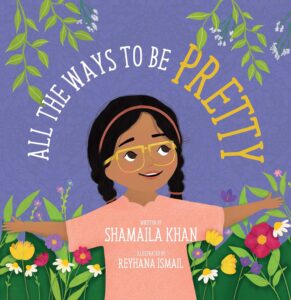
12. All the Ways to Be Pretty by Shamila Khan, illustrated by Reyhana Ismail
Target Audience: Picture book, ages 7 and up
Synopsis & Impact: Written specifically to help Muslim parents guide their daughters through complex societal beauty expectations, Shamila Khan redefines beauty through the prism of character traits. Intelligence, bravery, wisdom, piousness, resilience, and kindness take center stage, emphasizing that internal virtues far outweigh physical aesthetics.
Key Takeaway: Anchors self-worth in moral character, intellect, and spiritual resilience rather than physical appearance.
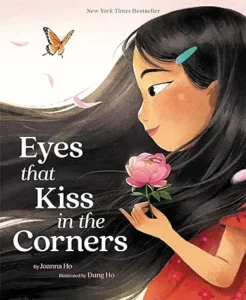
13. Eyes that Kiss in the Corners by Joanna Ho, illustrated by Dung Ho
Target Audience: Picture book, ages 4 and up
Synopsis & Impact: A young Taiwanese girl realizes her eyes are shaped differently from those around her. Through a deeply reflective journey, she connects her physical features to the powerful women in her family—her mother, grandmother, and little sister—whose eyes "kiss in the corners" and hold stories of the past and hope for the future. Drawing strength from her heritage, she discovers profound self-love.
Key Takeaway: Celebrates cultural identity and ethnic features as a direct source of generational power and personal beauty.
14. The Big Bath House by Kyo Maclear, illustrated by Gracey Zhang
Target Audience: Picture book, ages 4 and up
Synopsis & Impact: A joyful exploration of Japanese culture, this book chronicles a visit to a public bathhouse shared by aunts, cousins, and generations of women. The narrative revels in the physical reality of female bodies in all their forms—sprouting and gangly, saggy and jiggly, cozy and creased—celebrating them as entirely natural and beautiful.
Key Takeaway: Promotes intergenerational body acceptance and cultural connection within family structures.
15. The Ouchiest Words by Debbie Min, illustrated by Putri Ayu Sekarmentari
Target Audience: Picture book, ages 4 and up
Synopsis & Impact: Nari faces intense anti-Asian bullying at school, including verbal taunts and physical microaggressions like classmates pulling back their eyelids. Observing another student named Patty handle bullying without internalizing it inspires Nari to build verbal coping mechanisms and utilize positive self-talk.
Key Takeaway: Equips children with strategies to combat targeted racial harassment and build emotional resilience.
16. A Kids Book About Body Image by Rebecca Alexander
Target Audience: Mostly non-illustrated picture book, ages 5 and up
Synopsis & Impact: Written by the founder of AllGo (a community review platform rating public spaces for plus-size accessibility), this book is designed for joint reading between adults and children. Alexander candidly shares her personal struggles with body image, fluctuating between self-love and size-based insecurities, while directly addressing media and social pressures.
Key Takeaway: Honest adult vulnerability opens the door for children to express and process their own complex body image feelings.
17. The Comeback: A Figure Skating Novel by E.L. Chen
Target Audience: Middle grade, ages 8 and up
Synopsis & Impact: Maxine, a young skater from a diverse cultural background, navigates school pressures and appearance-based microaggressions, going so far as to use adhesive to alter her eyelid shape. With the mentorship of an older skater and swift administrative intervention against discriminatory behavior, Maxine embarks on a journey toward authentic self-acceptance amidst the demanding world of competitive sports.
Key Takeaway: Addresses systemic microaggressions and self-perception in competitive youth sports environments.
Official Statements & Expert Perspectives
Literary critics, educators, and public health advocates consistently underscore the transformative power of inclusive storytelling.
"When children open a book and see their physical traits, cultural heritage, and unique abilities reflected with dignity and joy, the psychological shift is monumental. We are not just teaching them how to read; we are teaching them that they belong in the world exactly as they are." — Child Literacy and Diversity Coalition
Furthermore, experts in body image research stress that proactive literary intervention acts as an inoculation against eating disorders and mental health crises in later youth. By introducing concepts of body neutrality and functionality early on, parents and educators provide children with cognitive tools to deflect external judgment.
Future Outlook: The Path Forward for Inclusive Children’s Literature
As the publishing industry continues to champion diverse voices, the future of children’s literature regarding body positivity looks promising. Publishers are increasingly prioritizing intersectional narratives that acknowledge how race, disability, socioeconomic status, and gender identity intersect with body image.
However, the responsibility does not rest solely on authors and illustrators. Parents, educators, and librarians play a vital role in actively curating bookshelves that reflect true human diversity. By utilizing resources like the books outlined in this guide, adults can foster environments where children learn to view their bodies not as objects of scrutiny, but as miraculous vessels for living, moving, feeling, and changing the world.
Special Giveaway Announcement
To celebrate the release of Susan Verde’s inspiring new book, Body Beautiful, a complimentary copy is currently being given away! To enter the giveaway, please leave a comment below sharing your favorite children’s book that promotes body positivity and self-love.
(Note: As an Amazon Associate, qualifying purchases made through links in this article support ongoing literary advocacy and multicultural book reviews.)






Comments
Facebook App ID not configured. Please add it in the Customizer.