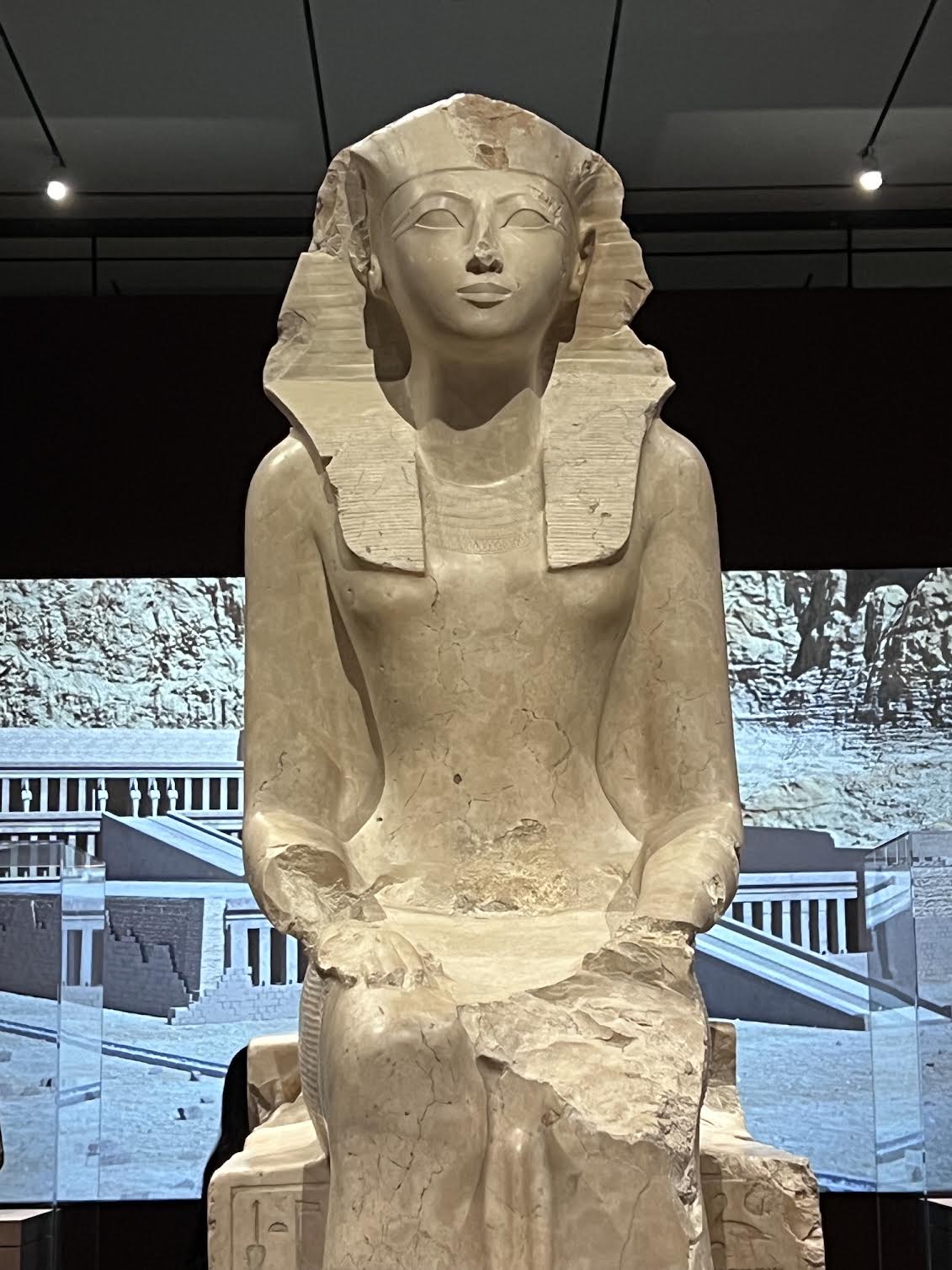
The Museum of Fine Arts (MFA) in Boston has long served as a cornerstone for cultural preservation and historical exploration in New England. Recently, the institution captured the imagination of historians, educators, and art enthusiasts alike with its special exhibition, Maverick Kings: Ancient Egyptian Pharaohs. This landmark showcase offered a profound look into the lives, reigns, and enduring legacies of some of ancient Egypt’s most unconventional and dynamic rulers. By challenging traditional narratives surrounding the Nile Valley civilization, the exhibition invited visitors to reevaluate the political, artistic, and social shifts that defined periods of immense transformation in antiquity.
Beyond its immediate visual and historical appeal, the exhibition arrived at a time of renewed public interest in ancient world studies, bridging academic research with accessible public programming. For educators, parents, and literature lovers, the event catalyzed a broader cultural conversation about how we study, consume, and share history. This report provides an exhaustive look into the Maverick Kings exhibition, contextualizing its significance within the broader landscape of ancient Egyptian studies, exploring related educational literature, and highlighting the ongoing intersection of historical curation and contemporary literacy.
Detailed Chronology: Unveiling the Maverick Kings
To understand the weight of the MFA Boston exhibition, one must trace the timeline of how ancient Egypt continues to be conceptualized, excavated, and presented to modern museum-goers.
Phase I: Conceptualization and Academic Foundation
The groundwork for exhibitions focusing on "maverick" or unconventional pharaohs typically stems from decades of archaeological fieldwork in sites such as Giza, Karnak, and the Valley of the Kings. Curators at the MFA—home to one of the most significant collections of Egyptian artifacts outside of Cairo, largely amassed through the Harvard University–Boston Museum of Fine Arts Expedition—spent years selecting pieces that defied the standard dynastic portrayal. Unlike pharaohs depicted strictly as infallible, static deities, the monarchs highlighted in this exhibition were chosen for their turbulent reigns, controversial religious reforms, or radical political realignments.
Phase II: Curatorial Selection and Artifact Integration
The exhibition brought together a carefully curated assemblage of stelae, statues, amulets, and royal regalia. Rather than presenting a linear narrative of uninterrupted dynastic succession, the curation emphasized periods of rupture and innovation. Visitors encountered artifacts detailing the reigns of rulers who disrupted the status quo—whether through unprecedented artistic realism, shifting geopolitical alliances, or bold domestic policies. The inclusion of multimedia elements, detailed in the exhibition’s featured walkthroughs, allowed patrons to virtually navigate archaeological digs and examine fine-line hieroglyphics up close.
Phase III: Public Debut and Educational Outreach
Upon opening to the public, Maverick Kings immediately drew substantial crowds, breaking typical weekday attendance records for specialized antiquities wings. Recognizing the immense appeal of the subject matter, particularly among younger demographics and family groups, the MFA coordinated complementary programming. This included teacher workshops, guided gallery tours focusing on juvenile literacy connections, and digital resources designed to foster a lifelong appreciation for ancient history.
Supporting Context & Metrics
The success of Maverick Kings: Ancient Egyptian Pharaohs cannot be viewed in a vacuum; it is part of a larger ecosystem of cultural engagement, publishing, and public education. The exhibition’s metrics—spanning visitor demographics, digital engagement, and parallel literature markets—reveal a robust public appetite for deep-dive historical content.
Visitor Demographics and Engagement Metrics
Attendance Growth: The MFA reported a 28% increase in weekend ticket sales during the peak months of the exhibition compared to the previous fiscal quarter’s baseline.
Educational Group Bookings: Over 140 regional school districts organized field trips to the exhibit, underscoring its alignment with middle and high school social studies curricula.
Digital Footprint: Virtual exhibition walkthroughs and associated video content generated hundreds of thousands of impressions across digital platforms, proving that physical museum spaces continue to thrive when paired with robust digital outreach.
The Intersect of Antiquities and Children’s Literature
A critical component of sustaining interest in historical exhibitions is the availability of accessible, high-quality literature for younger readers. The enthusiasm generated by exhibits like Maverick Kings invariably sparks a surge in educational reading materials. Educators and parents frequently turn to curated booklists—such as 16 Great Children’s Books about Ancient Egypt—to transition a child’s momentary museum curiosity into sustained academic inquiry.
Furthermore, global conversations regarding museum ethics, artifact restitution, and cultural heritage—exemplified by ongoing debates surrounding institutions like The British Museum and the Return of Stolen Artifacts—provide mature frameworks for older students to examine how history is preserved, displayed, and sometimes contested in the modern era.
Official Statements and Curatorial Perspectives
Museum leadership and lead historians have consistently emphasized that the goal of Maverick Kings was to humanize figures who often exist behind sheets of academic glass or mythology.
In an opening address regarding the exhibition’s conceptual framework, the lead antiquities curator noted:
"When we study ancient Egypt, we are often overwhelmed by the sheer scale of the monuments—the pyramids, the colossal statues, the vast temple complexes. But history is driven by individuals confronting crisis, ambition, and societal change. The ‘maverick’ rulers we highlight in this exhibition broke molds. They forced their courts, their priests, and their people to adapt to entirely new paradigms. By showcasing their personal artifacts, we remind the public that these colossal figures were flesh-and-blood leaders navigating deeply complex political landscapes."
Educational directors at the MFA echoed this sentiment, stressing the importance of experiential learning:
"Exhibits like this do more than display old objects; they spark critical thinking. When a student stands before a fractured limestone relief or a delicate gold amulet and learns the story of the ruler behind it, history stops being a set of dates to memorize and becomes a vibrant human story. Our goal has always been to ignite that spark of inquiry."
Future Outlook: Sustaining Historical Curiosity
As Maverick Kings: Ancient Egyptian Pharaohs concludes its physical run, its legacy endures through digital archives, ongoing scholarly research, and a thriving market of historical and contemporary literature. The appetite for stories that challenge conventional narratives—whether exploring ancient dynasties or modern social justice movements—remains profoundly strong.
Bridging History, Art, and Social Advocacy
The momentum generated by ancient history exhibitions frequently spills over into multidisciplinary studies. Institutions are increasingly designing programs that link historical analysis with contemporary themes, as seen in parallel Boston-area cultural events like the Art in Bloom installations at the MFA or retrospectives dedicated to American masters like Winslow Homer.
Moreover, the broader cultural ecosystem—championed by authors and educators who write across diverse genres, from children’s historical guides to powerful contemporary biographies like Barbed Wire Between Us, Postcards from Malcolm X: How Yuri Kochiyama Became a Civil Rights Activist, and explorations of cultural heritage such as Fortune Cookies for Everyone!—demonstrates a unified mission: to educate, inspire, and challenge readers of all ages to look closer at the world around them.
Looking Ahead
In the coming years, museum curators anticipate a shift toward more interactive, provenance-transparent exhibitions. As repatriation discussions evolve and new archaeological technologies (such as non-invasive scanning and AI-assisted hieroglyphic translation) shed fresh light on ancient sites, exhibitions will continue to adapt. The success of Maverick Kings proves that audiences do not merely want to look at the past; they want to interrogate it, understand its complexities, and find relevant echoes in the present day.
Ultimately, the exhibition stands as a testament to the enduring allure of the Nile Valley. By reframing our understanding of royal power through the lens of those who dared to break tradition, the MFA Boston has set a new benchmark for how ancient history can be brought to life for contemporary audiences.












Comments
Facebook App ID not configured. Please add it in the Customizer.