
Executive Overview
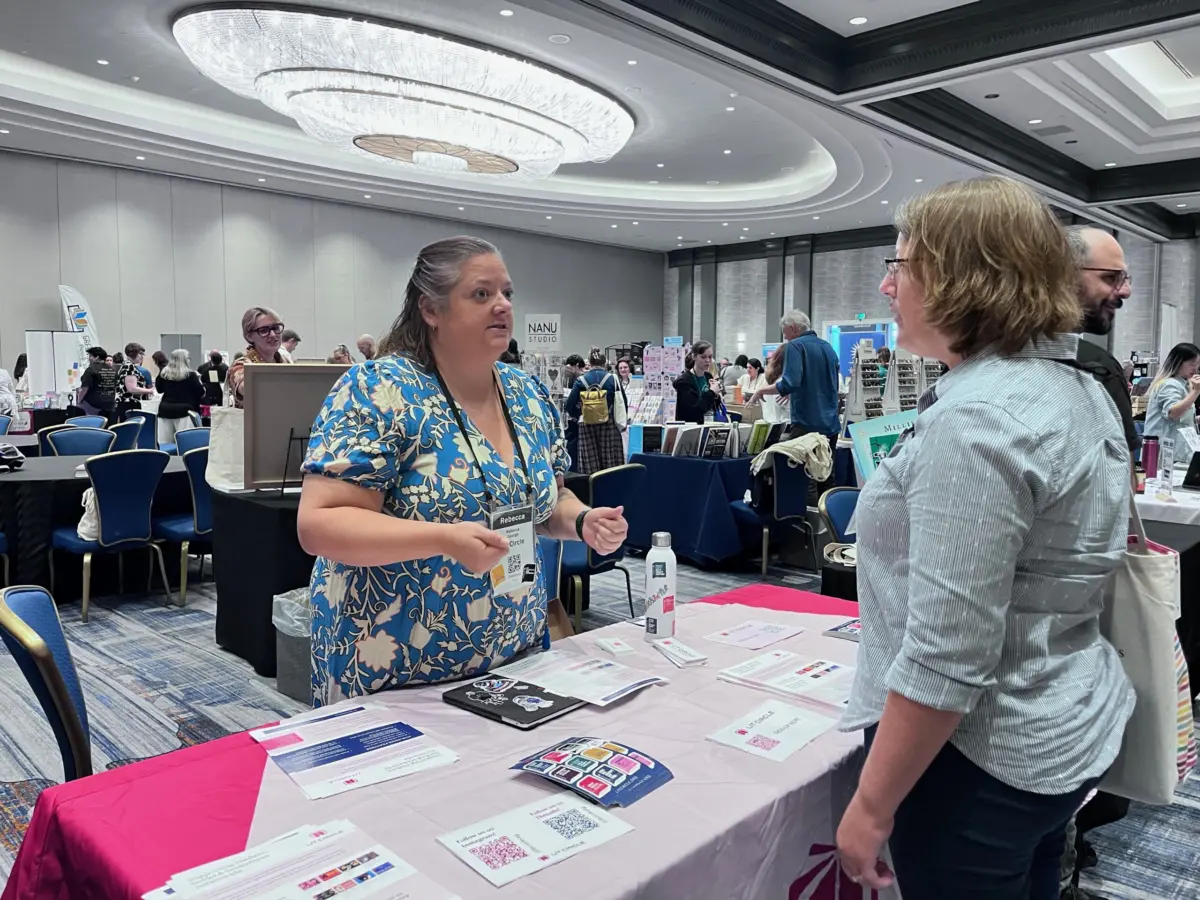
In the wake of the turbulent post-pandemic retail landscape, the independent bookstore community has suffered a series of devastating blows, punctuated most notably by the January closure of Chicago’s beloved Volumes Bookcafe after more than a decade in operation. Yet, out of the ashes of retail heartbreak often emerges inventive resilience. Rebecca George, co-owner of the now-closed literary hub, is pivoting from physical bookselling to digital infrastructure. Together with Patrick DiMichele—a seasoned technology consultant and longtime Volumes patron—George has engineered and begun rolling out Lit Circle, an ambitious, free-to-use digital platform explicitly designed to bridge the gap between avid readers and the independent bookstores, literary festivals, libraries, and book clubs hosting touring authors.
Positioned by its creators as the literary equivalent of Bandsintown—the ubiquitous concert-tracking app used by millions of live-music enthusiasts—Lit Circle seeks to solve one of the most stubborn, persistent challenges facing the modern publishing ecosystem: event discoverability. For decades, the promotion of author events relied heavily on local print media, independent newspapers, and physical bulletin boards. Today, with the widespread contraction of local journalism and the capricious, ad-driven volatility of social media algorithms, getting "butts into seats" at independent bookstores has become an uphill battle.
Lit Circle’s database acts as a centralized clearinghouse, tracking author readings, signings, panel discussions, and literary festivals across the country. By utilizing localized push notifications, custom filters, and direct ticketing links tied to independent ecosystems like Bookshop.org and Libro.fm, the platform aims to revitalize foot traffic for indie shops while immunizing them against the algorithmic whims of Meta, Google, and other tech monopolies. Following a successful beta-testing phase in the Chicagoland area throughout the summer, the platform is expanding to Philadelphia, with a nationwide rollout slated for the coming weeks. Crucially, the platform draws a hard line in the sand: Lit Circle is exclusively for independent cultural spaces, explicitly excluding corporate-owned chains such as Barnes & Noble and Books-A-Million.
Read Also
Detailed Chronology: The Evolution of Lit Circle
The conceptualization, development, and phased rollout of Lit Circle trace a deliberate trajectory forged from grassroots bookselling expertise and tech-industry precision.
Phase One: The Retail Crucible and Conceptual Genesis (January – Spring 2024)
The seeds of Lit Circle were sown during the final chapters of Volumes Bookcafe. For over ten years, George operated at the coalface of independent bookselling, experiencing firsthand the profound joy of a packed author event and the crushing frustration of an empty room. When Volumes permanently closed its doors in January, George faced a critical juncture. Rather than leaving the literary industry entirely, she identified a systemic infrastructure failure.
Concurrently, Patrick DiMichele, a software and technology consultant who had spent years browsing the shelves at Volumes, shared George’s concerns regarding the structural disconnect between authors on tour and the readers eager to meet them. Recognizing that the problem was fundamentally technological rather than cultural, the pair joined forces. George provided the deep industry insights, publisher relationships, and bookseller perspective, while DiMichele engineered the database architecture and user interface.
Phase Two: Chicagoland Beta Testing (Summer 2024)
Before scaling nationally, George and DiMichele brought Lit Circle into the wild via a localized beta test throughout the broader Chicagoland area. This testing phase was crucial for stress-testing the event-scraping mechanisms, refining user notification parameters, and gathering qualitative feedback from both indie booksellers and consumers.
During this trial period, booksellers reported that the interface successfully reduced the friction associated with cross-promoting events. Readers, meanwhile, praised the platform’s ability to aggregate events that were previously scattered across dozens of individual bookstore newsletters and disparate social media pages.
Phase Three: The Philadelphia Expansion and National Rollout (August 2024 onward)
LitCircle officially entered its multi-city expansion phase with a launch in Philadelphia, strategically timed to precede the city’s metro-area-wide book crawl on August 22. This expansion serves as a blueprint for the platform’s immediate future: "opening the gates" to incorporate metro areas across the United States sequentially.
As the platform scales geographically, DiMichele and George are systematically integrating independent bookstores, comic shops, and local libraries into the national database. Publishers are also being onboarded, gaining direct access to the platform’s backend to push national tour schedules straight to hyper-targeted, local audiences.
Supporting Context & Metrics: The Crisis of Discoverability
To understand why Lit Circle is arriving at a critical juncture for the literary trade, one must examine the macro-level socioeconomic shifts that have upended cultural marketing over the past fifteen years.
The Collapse of Local Print Media
Historically, independent bookstores relied heavily on the "book review" and "local events" sections of regional newspapers, alternative weeklies, and city magazines to advertise author tours. The relentless economic contraction of the local press—marked by the shuttering of hundreds of newspapers and the drastic downsizing of arts and culture reporting across those that survived—eviscerated this pipeline. Today, an indie bookstore in the Midwest or the Mid-Atlantic can rarely count on a free preview or a calendar listing in a daily broadsheet.
The Algorithm Trap
When print media faded, booksellers pivoted aggressively to digital ecosystems, primarily Facebook and Instagram. Initially, these social media platforms offered organic reach, allowing bookstores to connect directly with followers who opted into their feeds. However, as platform monetization models matured, organic reach plummeted.
George notes that bookstores are now entirely "at the mercy of algorithms." An establishment can spend hours crafting a visually appealing post about an upcoming Pulitzer Prize-winning author’s reading, only for the platform to gatekeep that content behind pay-to-play ad structures that small retail businesses cannot sustainably afford. Furthermore, consumers are suffering from digital fatigue. Expecting readers to manually subscribe to, and parse through, the weekly newsletters of fifty different authors and twenty local bookstores is an unrealistic expectation.
The Economic Imperative: Getting "Butts in Seats"
The stakes for independent bookstores extend far beyond ticket sales for individual events. Author readings serve as the lifeblood of indie retail margins. When a reader attends an event, they rarely leave with only the author’s featured book. They browse the tables, purchase staff picks, interact with booksellers, and invest in the physical community space.
By streamlining discoverability, Lit Circle directly addresses the conversion funnel. When a user receives a timely ping alerting them that a favored author—or an exciting debut novelist writing in their favorite genre—is speaking just three miles away, the friction of attendance vanishes, transforming passive social media scrollers into active, foot-traffic-generating consumers.
Official Statements and Industry Philosophy
In interviews detailing the launch of Lit Circle, Rebecca George has been transparent about her motivations, structural philosophies, and the ethical boundaries guiding the platform’s development.
The Bandsintown Vision
"I hope the platform becomes for the book world what Bandsintown is for the music industry," George told Publishers Weekly. This concise mission statement clarifies the platform’s utility. Just as music fans do not rely on chance to discover when their favorite indie band is playing a local venue, book lovers should not have to stumble blindly across a poster taped to a lamppost or an ephemeral Instagram story to catch a literary icon in their hometown.
The Anti-Corporate Stance
One of the most defining policy decisions made by Lit Circle’s leadership is the absolute exclusion of corporate-owned bookstore chains, such as Barnes & Noble and Books-A-Million (BAM). Initially, the platform contemplated including chain store events while omitting direct purchasing links. However, following internal policy revisions finalized just prior to launch, George and DiMichele opted for a clean break.
"We had a long thought about how those stores already have a massive online system with their customers," George explained. "They don’t need us."
By drawing this strict boundary, Lit Circle cements its identity as an unapologetic champion of the independent ecosystem. Every push notification, every calendar alert, and every featured event on the platform directly supports grassroots literary culture.
Supporting Indie Infrastructure
Lit Circle has deliberately integrated purchasing pathways that directly benefit independent commerce. When an event is listed, booksellers can link it directly to their proprietary e-commerce platforms or utilize ethical retail alternatives such as Bookshop.org (for physical books) and Libro.fm (for audiobooks). This ensures that the financial windfall generated by author tours remains within the independent book trade, rather than leaking into the coffers of tech behemoths like Amazon.
Future Outlook: Roadmap and Technological Horizon
The launch of Lit Circle in Chicago and Philadelphia represents merely the foundational layer of an expansive long-term roadmap designed to alter how readers interact with the literary world.
Upcoming Technological Integrations
- Dedicated Mobile App: While the current platform is optimized for web and digital browsing, George and DiMichele are actively developing native iOS and Android mobile applications to optimize push notification delivery and user-interface fluidity.
- The Reader Passport: Planned for future deployment, the platform will introduce a digital "passport" feature. This gamified tool will allow readers to track their bookstore visits, document attended events, collect digital stamps, and manage event tickets in one centralized digital wallet.
- Targeted E-Blasts and Editorial Content: Lit Circle plans to roll out customized email newsletters targeting readers based on precise geographic and genre filters. Additionally, the platform will feature original editorial content, including author interviews, literary essays, and curated book reviews.
Expanding the Literary Net
While traditional bookstores remain the primary focus, the platform’s architecture is built to ingest any legitimate literary programming. Upcoming updates will systematically onboard:
- Independent comic book shops and graphic novel specialists
- Public libraries and municipal literary series
- Independent book festivals and regional book conventions
- University-affiliated reading series open to the public
A Vision for Serendipitous Discovery
Ultimately, George hopes that Lit Circle will achieve something magical for urban and suburban readers alike: geographic and cultural literacy. Beyond keeping tabs on established favorites, the platform is engineered to encourage exploration.
"I hope Lit Circle will introduce users to a bunch of new bookstores that they didn’t even know existed, and are not that far away from them," George reflects. In an era defined by digital isolation and retail homogenization, building bridges between readers and the idiosyncratic, passionate spaces that champion literature may prove to be the most vital contribution yet to the survival of the independent book trade.




Comments
Facebook App ID not configured. Please add it in the Customizer.