
Executive Overview
In an era defined by constant connectivity, algorithmic content streams, and shifting modes of attention, a phrase has broken containment from academic journals and publishing boardrooms to saturate the digital vernacular: the literacy crisis. By 2026, concerns over declining reading comprehension, plummeting attention spans, and a general retreat from long-form text are no longer confined to specialized panels or literary trade publications. The anxiety has gone mainstream. It surfaces in the comment sections of viral cooking tutorials, under videos detailing disastrous first dates, and alongside discussions of contemporary music and fashion.
Society is palpably frustrated, worried, and anxious. When the public stops reading, the societal, cognitive, and cultural fallout is profound. Yet, in our rush to diagnose and lament this cultural shift, a dangerous form of intellectual snobbery has taken root. The contemporary literary landscape is plagued by pretension—an insistence on gatekeeping what constitutes "valuable" or "real" reading.
This professional commentary examines the paradox of modern reading culture. Through the lens of publishing professionals, historical milestones like the young adult paranormal boom of the late 2000s, and the rise of digital reading communities like BookTok, this report investigates why elitism is destroying the very readership we claim to want to save. By interrogating the roots of our reading habits, we uncover a simple, undeniable truth: if we want people to read, we must first make reading fun, accessible, and free from shame.
Read Also
Detailed Chronology: The Evolution of Modern Reading Culture
To understand how we arrived at the current cultural fixation on literacy rates, one must trace the milestones that shaped contemporary reading communities over the last two decades.
- The Late 2000s (The Paranormal YA Boom): A generation of young readers—predominantly younger millennials—had their literacy trajectories permanently altered by commercial pop-culture juggernauts. Books like Stephenie Meyer’s Twilight series catalyzed a massive influx of reluctant readers into the literary ecosystem. Despite facing intense critical derision from traditional literary critics, these novels served as gateway drugs to lifelong reading habits for millions.
- The 2010s (The Diversification of Escapism): Following the supernatural romance wave, the young adult market expanded exponentially, embracing dystopian futures, contemporary drama, and fantasy subgenres. However, this era also highlighted persistent generational friction. Traditionalist viewpoints—often championed by parents, educators, and critics—frequently dismissed genre fiction as "useless" or non-academic, demanding that young people pivot toward utilitarian texts like law or medical treatises rather than stories centered on emotional exploration and fantasy.
- The Early 2020s (The Rise of BookTok): The COVID-19 pandemic accelerated a digital reading renaissance centered primarily on TikTok. "BookTok" transformed reading from an isolating, solitary hobby into a hyper-connected, global community. Authors previously ignored by traditional publishing houses achieved runaway success, and millions of adults rediscovered the joy of reading.
- The Mid-2020s (Mainstreaming of the "Literacy Crisis"): By 2026, anxieties regarding falling literacy metrics boiled over into public discourse. While institutional data pointed to genuine concerns regarding reading comprehension among school-aged children and adolescents, the public panic generalized into a broader cultural condemnation of modern reading habits, creating friction between traditional purists and digital-native communities.
Supporting Context & Metrics: The Anatomy of Modern Reading Habits
The debate surrounding the literacy crisis is frequently clouded by elitist nostalgia. Critics often point to declining scores on standardized reading assessments to justify an all-out assault on popular reading trends, particularly romance, fantasy, and young adult fiction. However, industry data tells a more nuanced story.
The Gateway Effect of Commercial Fiction
Sociological and publishing data consistently show that lifelong readers rarely start their journeys with dense, canonical literature. Instead, they begin with books that offer high emotional engagement, clear stakes, and immediate gratification.
- Case Study—The Twilight Generation: Millions of readers who cut their teeth on 2,000-page supernatural sagas in their youth have gone on to pursue advanced degrees in literature, build careers as professional editors, authors, and educators, and maintain lifelong reading habits. The psychological "rewiring" that occurs when a young person connects deeply with a narrative matters far more than the literary pedigree of the text itself.
- The Danger of Reader Shaming: When cultural critics mock the reading material of the masses—whether it is contemporary romance, fantasy tropes, or BookTok bestsellers—they cross a critical line. There is a vast difference between intellectual critique and reader shaming. When readers are made to feel unintelligent or juvenile for their choices, they do not pivot to "better" books; they simply stop reading altogether.
Demographics of the Digital Reading Renaissance
Platform-driven reading communities have fundamentally altered publishing economics and readership demographics.
[Traditional Publishing Gatekeepers]
       │ (Decline of Exclusivity)
       ▼
[Digital Communities (BookTok / Bookstagram)]
       │ (Democratization of Taste)
       ▼
[Mass Reader Engagement & Escapism]
       │ (Lifelong Literary Retention)
       ▼
[Expanded Literacy Foundations]
Rather than destroying literary standards, digital platforms have democratized taste. They have proven that adults and young people alike crave community, emotional resonance, and escapism to cope with the mounting pressures of modern life. Dismissing these spaces as superficial ignores their primary function: they are incubators for lifelong literacy.
Official Statements and Industry Perspectives
Literacy advocates, authors, and publishing insiders have increasingly spoken out against the toxic culture of elitism that undermines reading promotion efforts.
Dolly Parton, whose Imagination Library has mailed millions of free books to children worldwide, famously stated:
"You can never get enough books into the hands of enough children."
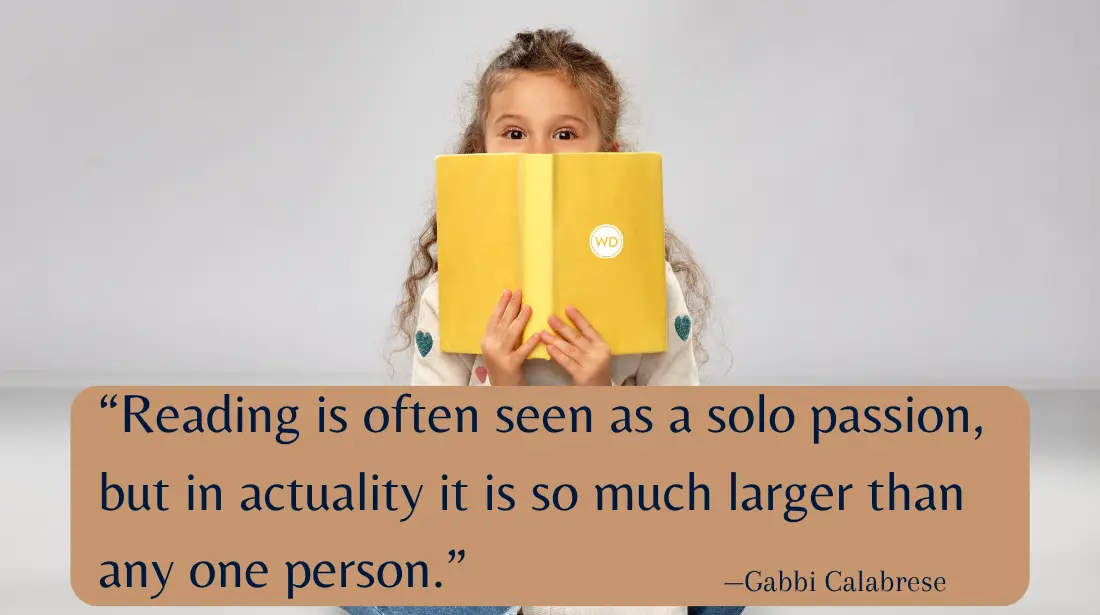
Industry experts emphasize that Parton’s philosophy goes beyond mere distribution; it speaks to the spirit of generosity required to foster a reading culture. Book editor and author Gabbi Calabrese elaborates on this ethos, noting that the primary objective for anyone invested in the future of literature should be accessibility and joy:
"Very few of us have the influence and resources that Dolly had, but we can at least have the passion. We can have conversations, and we can have an understanding of how crucial it is to continuously foster a love for reading, for children and beyond… Who gets to decide what real reading is? Who gets to decide what valuable reading is? Instead, we could try being excited that a whole new wave of readers are creating community and finding some reprieve from many of the terrors of adulthood."
Furthermore, educators and developmental psychologists note that forcing children or adults to consume "useful" or "serious" literature before they have developed an intrinsic love for reading acts as a deterrent. Reading must be framed as a source of pleasure and agency rather than an academic chore or a moral test.
Future Outlook: Reclaiming Joy in the Literary Landscape
As we look toward the remainder of the decade, addressing the legitimate components of the literacy crisis requires a fundamental shift in attitude. If society wishes to reverse declining reading engagement, it must dismantle the hierarchical structures that devalue popular fiction and community-driven reading trends.
1. Eradicating Pretentiousness in Publishing and Education
The publishing industry and educational institutions must stop treating popular commercial fiction as a guilty pleasure. A book that gets a reluctant reader to turn pages for hours is infinitely more valuable to the literary ecosystem than a canonical classic sitting unread on a dusty shelf. By validating diverse tastes, we invite more participants into the broader conversation of literature.
2. Bridging the Gap Between Generations
Older generations must reconcile their own reading nostalgia with the realities of modern media consumption. Just as older generations once scoffed at comic books, paperbacks, and television, contemporary critics must avoid alienating younger readers who find solace in digital communities and genre fiction. Mentorship should focus on sharing the joy of storytelling rather than enforcing rigid aesthetic boundaries.
3. Prioritizing Escapism and Community
Ultimately, reading is an act of connection. Whether through classic literature, fantasy realms, or contemporary romance, books provide essential psychological reprieve and emotional processing tools. By framing reading as a shared, joyful, and inclusive experience—starting from childhood and extending well into adulthood—we can build a resilient literary culture capable of weathering any future crisis.


Comments
Facebook App ID not configured. Please add it in the Customizer.