
Executive Overview
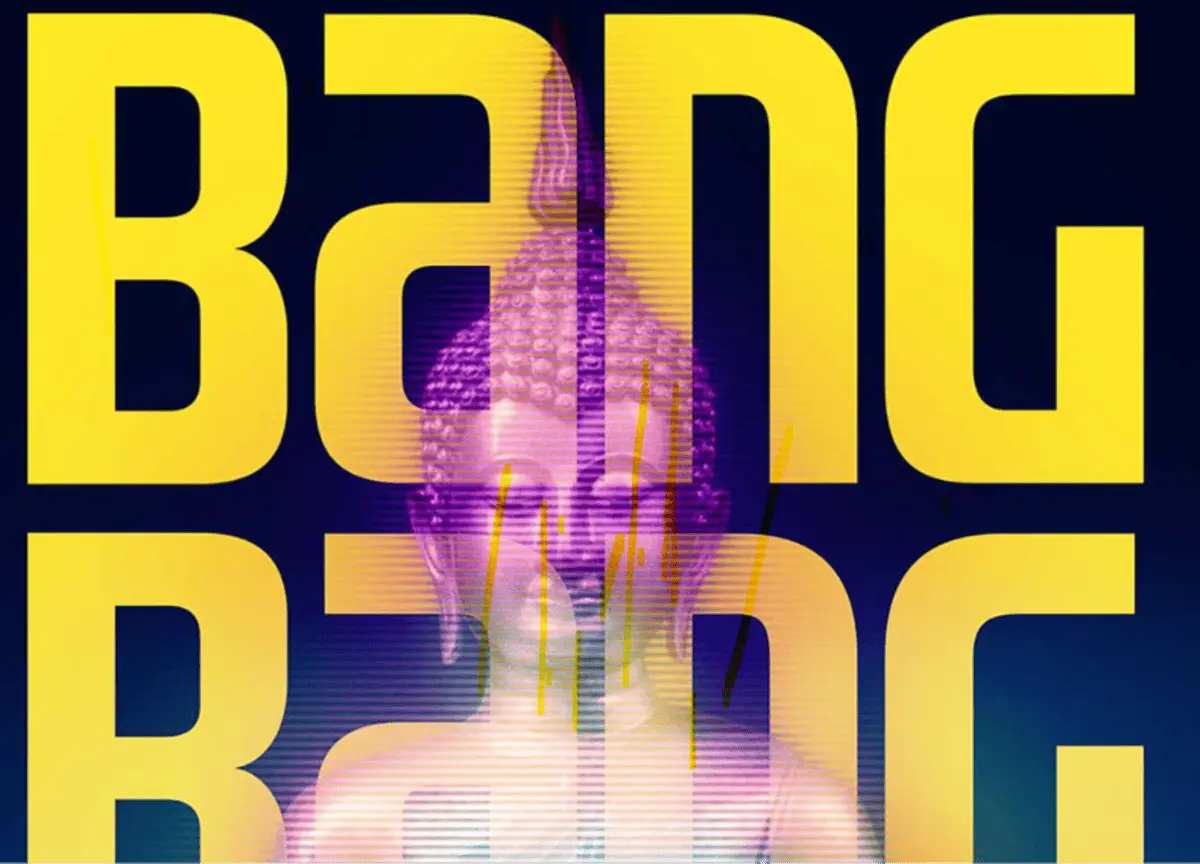
In the sprawling, interconnected landscape of contemporary Hollywood adaptation culture, few pairings sound as inherently electrifying—and ultimately heartbreaking for fans—as the union of visionary filmmaker Lilly Wachowski and critically acclaimed cyberpunk novelist Aubrey Wood. Recently, light was shed on a hidden chapter of modern sci-fi development when Wood took to the social media platform Bluesky to reveal that Wachowski had independently optioned her 2023 novel, Bang Bang Bodhisattva, shortly after its publication. Using her own resources, the co-creator of The Matrix and Sense8 sought to translate Wood’s neo-noir, tech-drenched literary triumph into a feature-length film.
Unfortunately, the grand ambitions of this collaboration ultimately succumbed to the unforgiving economics and ideological resistance currently calcifying within the modern entertainment ecosystem. As Wood candidly shared with her followers, the feature project disintegrated simultaneously with the shelving of Wachowski’s anticipated television adaptation of Gretchen Felker-Martin’s provocative survival-horror novel, Manhunt. This dual collapse highlights a broader, deeply concerning industrial pattern: visionary creators whose work centers on marginalized perspectives, trans narratives, and anti-establishment themes are finding themselves systematically stonewalled by a risk-averse studio system.
Yet, even as doors close on major cinematic canvases, the creative impulse rarely remains dormant. While the feature film adaptation of Bang Bang Bodhisattva languishes in development purgatory due to what Wood has characterized as a "hostile" commercial market, Wachowski continues to pivot toward agile, independent-minded alternative formats. Most notably, she is currently lending her weight as a producer to the upcoming YouTube comedy-documentary series Cassie Workman Is Witchy AF.
Read Also
This comprehensive report explores the anatomy of the failed Bang Bang Bodhisattva adaptation, the systemic production hurdles currently plaguing Wachowski’s slate, the unique literary DNA of Wood’s acclaimed novel, and what the future holds for this promising creative partnership.
Detailed Chronology: The Rise and Stall of Bang Bang Bodhisattva
To understand the trajectory of Lilly Wachowski’s abortive attempt to bring Bang Bang Bodhisattva to the screen, one must first examine the timeline of its literary release and the swift, passionate response it elicited from high-profile creators.
The Literary Genesis (Early 2023)
When Aubrey Wood’s Bang Bang Bodhisattva hit bookstore shelves in 2023, it was met with immediate, enthusiastic critical acclaim. Set against the neon-soaked, rain-slicked backdrop of a deeply dystopian future, the novel introduces readers to a world where high-tech gig economy survival intersects with gritty, hard-boiled detective work. The book earned rapid recognition across the speculative fiction community, eventually culminating in finalist status for the prestigious Lambda Literary Award for LGBTQ+ Speculative Fiction.
Its unique blend of classic Raymond Chandler-esque noir tropes with a radically modern, cyberpunk philosophical framework caught the attention of readers who hungered for speculative fiction that challenged the heteronormative and cis-normative hegemony of traditional sci-fi canons.
The Independent Option (Mid-to-Late 2023)
Lilly Wachowski, whose career has been defined by a lifelong exploration of identity, artificial reality, systemic control, and bodily autonomy, found an immediate kindred spirit in Wood’s prose. According to Wood’s Bluesky disclosures, Wachowski moved quickly. Impelled by a personal passion for the material rather than a corporate greenlight, the director took the extraordinary step of using her own personal finances to option the film rights to Bang Bang Bodhisattva.
This move aligned seamlessly with public statements Wachowski made during the same period, wherein she articulated a deliberate, concerted shift in her career focus. Rather than chasing traditional studio blockbusters, Wachowski declared her intention to pour her energy into mentoring, supporting, and collaborating with a new generation of up-and-coming trans and marginalized creative talent.
The Dual Collapse (Late 2023 to 2024)
For a brief window, momentum surrounding the adaptation felt palpable. However, the project’s fortunes were inextricably bound to the volatile currents of the broader television and film landscape. According to Wood, the Bang Bang Bodhisattva film project ultimately fell apart right around the same time that Wachowski’s high-profile television adaptation of Gretchen Felker-Martin’s Manhunt was shelved.
While the precise corporate post-mortems for these cancellations remain largely confidential, industry insiders point to a toxic convergence of factors: budget contraction across streaming platforms, a sudden corporate fear of politically or socially charged content, and the pervasive systemic reluctance to finance projects spearheaded by trans artists tackling trans themes.
Supporting Context & Metrics: The "Hostile Market" for Trans-Led and Speculative Cinema
To contextualize why a powerhouse director like Lilly Wachowski—a filmmaker with a multi-billion-dollar franchise pedigree (The Matrix)—struggles to secure financing for her projects, one must look closely at the current economic and political metrics governing Hollywood boardrooms.
+--------------------------------------------------------------------------------+
             HOLLYWOOD PRODUCTION HURDLES FOR MARGINALIZED CREATORS
+--------------------------------------------------------------------------------+
  [Risk-Averse Studios]  --->  Decline High-Concept Speculative & Political Thrillers
  [Casting Demands]      --->  "Wall-to-Wall Trans Casts" Meet Corporate Resistance
  [Economic Contraction] --->  Streaming Services Cut Funding for Niche/Edgy IP
  [Political Climate]    --->  External Pressure Deters Financing of Trans-Centric Art
+--------------------------------------------------------------------------------+
The Battle Over Casting: The Hunted and Beyond
The collapse of the Bang Bang Bodhisattva and Manhunt adaptations does not exist in a vacuum. Recent industry reporting underscores a persistent ideological friction between Wachowski’s artistic integrity and Hollywood’s commercial risk aversion. In a candid recent interview with Deadline, Wachowski revealed that she has been entirely unable to get her political thriller film The Hunted off the ground. The primary stumbling block? Her non-negotiable insistence on utilizing a "wall-to-wall trans cast."
In an industry structurally wired to prioritize bankability metrics over authentic representation, demanding a strictly trans cast for a major thriller acts as a prohibitive barrier for risk-averse executives. These gatekeepers routinely argue that "market viability" requires established, mainstream names—a circular logic that perpetually sidelines trans performers and ensures that trans-centric narratives are filtered through cisgender, mainstream lenses.
The Streaming Contraction and IP Hesitancy
Furthermore, the years following the post-pandemic streaming boom have witnessed a radical contraction in Hollywood spending. Studios and streamers have pivoted away from mid-budget, high-concept speculative fiction in favor of safe, pre-packaged intellectual property with guaranteed global recognition (superhero sequels, legacy reboots, and unscripted content).
A cyberpunk noir novel by an indie press author, adapted by a trans filmmaker demanding authentic representation, represents the exact opposite of what risk-averse studio executives are looking to fund. As Aubrey Wood bluntly noted, the current market is not merely indifferent—it is actively "hostile."
Official Statements & Authorial Insight
The transparency with which Aubrey Wood addressed the situation on Bluesky has provided fans and media analysts with a rare, unfiltered look at the chaotic realities of adaptation development.
Responding directly to a fan who had recirculated Wachowski’s 2023 manifesto on mentoring up-and-coming trans talent, Wood pulled back the curtain:
"I have the go-ahead to talk about this finally. Lilly Wachowski optioned Bang Bang Bodhisattva for a feature film soon after its release, paying for the rights out of her own pocket. Unfortunately the project fell apart right around the same time the Manhunt show was canned, for similar reasons."
This statement underscores Wachowski’s personal financial and emotional investment in the project. Rather than waiting for a studio greenlight that might never come, Wachowski utilized her own capital to secure the intellectual property, demonstrating a level of artistic commitment rarely seen in contemporary commercial filmmaking.
Despite the heartbreak of the initial collapse, Wood offered a message of enduring hope to the fanbase. She confirmed that both she and Wachowski remain deeply interested in resurrecting the project down the line if and when the industrial and political climate shifts. In the interim, Wood has issued a rallying cry to the speculative fiction community: the single best way to signal to Hollywood that there is a viable, profitable audience for this adaptation is to aggressively support indie authors, purchase their books, and elevate trans-authored speculative literature.
Deconstructing the Source Material: Why Bang Bang Bodhisattva Demands the Wachowski Treatment
To fully grasp the magnitude of what fans are missing out on—at least for now—one must examine the literary architecture of Bang Bang Bodhisattva itself.
The World of the Gig-Economy Cyberpunk
The novel plunges readers into a hyper-capitalist, futuristic landscape where traditional employment is a relic of the past, replaced by an algorithmic gig economy that commodifies every waking moment of human existence. The protagonist, a weary futuristic gig worker, finds herself thrust headfirst into a labyrinthine noir murder mystery. To survive and solve the crime, she must forge an uneasy alliance with a private investigator she occasionally partners with.
Subverting Genre Tropes
What elevates Bang Bang Bodhisattva above standard cyberpunk fare is its deft subversion of genre tropes. Where traditional cyberpunk often leans into nihilistic tech-noir clichés—lone male hackers, hyper-sexualized cyborgs, and pristine corporate dystopias—Wood’s narrative introduces messy, human vulnerability, intersectional socio-political commentary, and a trenchant critique of the ways technology exacerbates systemic inequality.
The Wachowski Synergy
It requires very little imagination to see why Lilly Wachowski viewed this material as a natural extension of her own cinematic oeuvre. From The Matrix’s deconstruction of simulated reality and late-stage capitalism to Sense8’s radical empathy and celebration of marginalized community bonds, Wachowski’s filmography is uniquely attuned to stories that interrogate power structures through a lens of stylized action and deep philosophical inquiry.
A Wachowski-directed adaptation of Bang Bang Bodhisattva would not merely be another sci-fi movie; it would be a masterclass in translating intersectional queer and trans themes into high-octane, visually arresting speculative cinema.
Future Outlook: New Horizons and Cassie Workman Is Witchy AF
While the feature film adaptation of Bang Bang Bodhisattva remains on indefinite hold, the narrative of Lilly Wachowski’s career is one of relentless adaptation and creative reinvention. When traditional Hollywood gates slam shut, creators of vision invariably find alternative conduits for their storytelling.
There is encouraging news on the production front: it was recently announced that Wachowski is stepping in to produce Cassie Workman Is Witchy AF. This upcoming eight-part YouTube comedy-documentary series stars the brilliant Cassie Workman and dives headfirst into the fascinating, often misunderstood history of various aspects of the occult.
Described by those close to the production as a project "created in a lab specifically to make Ron DeSantis angry," Cassie Workman Is Witchy AF promises to be a biting, irreverent, and intellectually stimulating exploration of history, folklore, and rebellion. Set to premiere on September 16, the series proves that Wachowski’s creative fire remains unquenched, even as she navigates the frustrating roadblocks of the traditional studio system.
Looking Ahead
For fans of Aubrey Wood and Lilly Wachowski, the journey of Bang Bang Bodhisattva is far from over. The optioning may have lapsed under the weight of industry hostility, but the foundational bond between author and director remains intact. As cultural tides inevitably shift and audiences continue to demand authentic, challenging, and visionary speculative storytelling, the possibility of the neon-drenched streets of Bang Bang Bodhisattva finally flickering to life on a cinema screen remains a beacon of hope for the future of trans-led science fiction.

Comments
Facebook App ID not configured. Please add it in the Customizer.