Eighty-one years after the cataclysmic atomic bombings of Hiroshima and Nagasaki in August 1945, the global community faces a profound historical turning point. The living witnesses to the dawn of the nuclear age—the hibakusha—are rapidly fading from the earth. As these aging survivors pass away, humanity is on the brink of losing the only direct, firsthand human voices capable of articulating the true horror of nuclear warfare.
In an era characterized by escalating geopolitical tensions, saber-rattling, and a steadily rising risk of nuclear catastrophe, the imperative to remember, record, and share these historical truths has never been more urgent. This report examines the fading voices of the hibakusha, the vital preservation partnerships bridging modern advocacy organizations with generational memory, and the educational media—ranging from children’s literature to academic curricula—designed to ensure that future generations never lose sight of the catastrophic human toll of nuclear weapons.
Detailed Chronology: The Road to the Atomic Age and Beyond
To comprehend the contemporary urgency surrounding nuclear disarmament education, it is essential to trace the historical progression from the Manhattan Project to the modern global advocacy landscape.
1. July 1945: The Trinity Test and the Threshold of Destruction
July 16, 1945: The United States successfully detonates the world’s first nuclear device, code-named "Trinity," at the Alamogordo Bombing Range in New Mexico. This milestone marks the technical inception of the nuclear age, shifting warfare from conventional kinetic destruction to planetary-scale annihilation.
2. August 1945: The Devastation of Hiroshima and Nagasaki
August 6, 1945: A B-29 bomber named the Enola Gay drops an enriched-uranium atomic bomb nicknamed "Little Boy" on the city of Hiroshima, instantaneously incinerating the urban center and releasing staggering levels of thermal and ionizing radiation.
August 9, 1945: A second atomic bomb, a plutonium implosion-type weapon nicknamed "Fat Man," is detonated over Nagasaki by the crew of the Bockscar. Tens of thousands more perish in the initial blast, initiating decades of generational health crises among the survivors.
August 15, 1945: Emperor Hirohto announces Japan’s surrender over the radio, culminating in the formal signing of the instrument of surrender on September 2, 1945, and bringing an end to World War II.
3. Post-War to Modern Era: The Rise of the Hibakusha and Global Advocacy
1956: The establishment of the Japan Confederation of A- and H-Bomb Sufferers Organizations (Nihon Hidankyo), uniting survivors to campaign for state compensation, medical care, and global nuclear abolition.
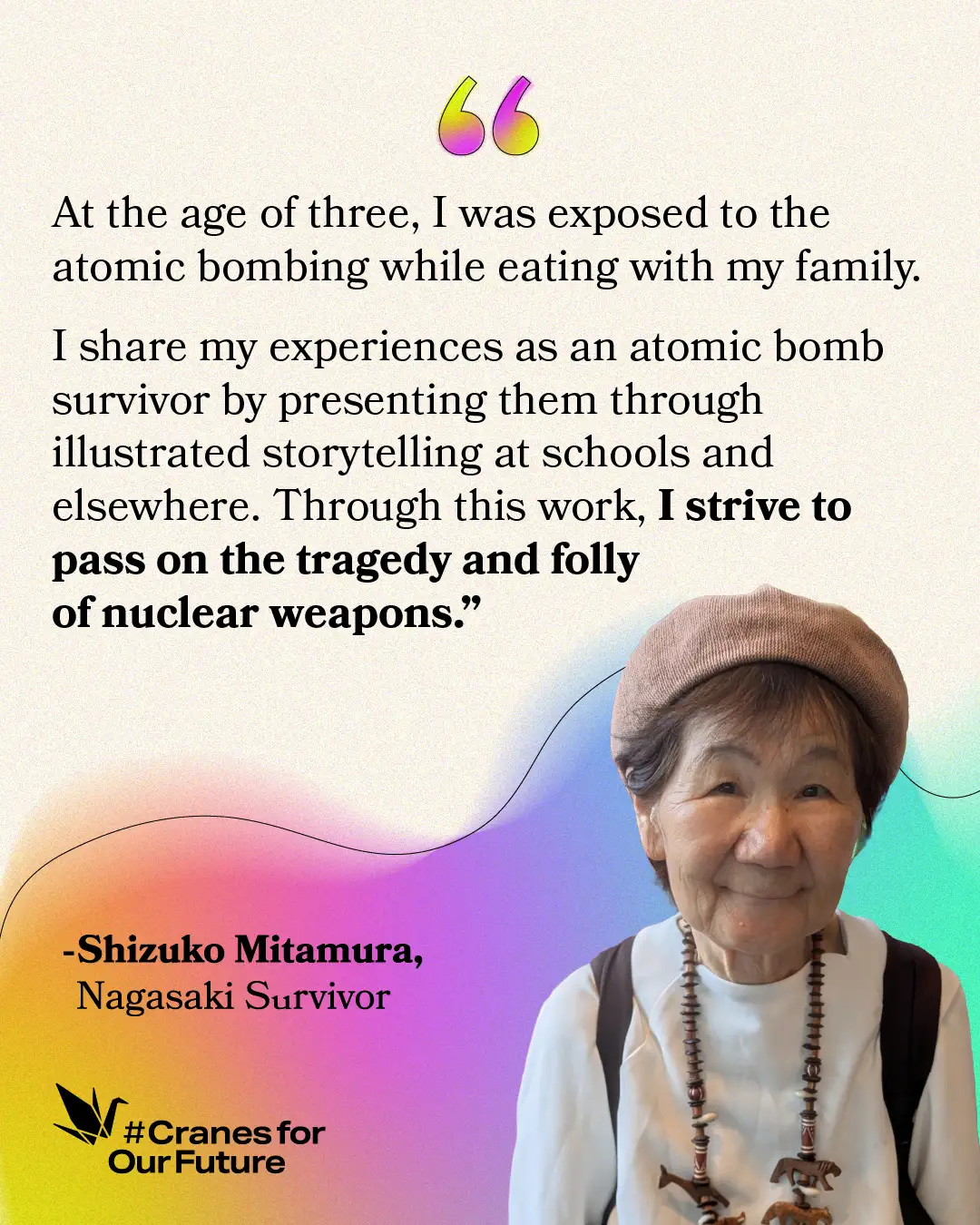
Decades 2–8 (1960s–2020s): Generations of survivors dedicate their remaining decades to traveling the globe, sharing testimonies (shogen) to warn humanity against repeating history.
Present Day (2026): With the average age of surviving hibakusha exceeding 85 years, international organizations—such as the Nuclear Threat Initiative (NTI)—accelerate digital archiving and public storytelling initiatives to preserve these irreplaceable historical records.
Supporting Context & Metrics: The Human Toll and Modern Nuclear Realities
The gravity of the nuclear threat is underscored by quantitative metrics detailing both historical devastation and current global arsenals.
The Human Toll of 1945
Immediate Casualties: Estimates indicate that by the end of 1945, approximately 140,000 people had died in Hiroshima and 74,000 in Nagasaki as a direct result of the blasts, thermal burns, and acute radiation sickness.
Long-Term Mortality: Tens of thousands more succumbed over the subsequent decades to radiation-induced cancers, leukemia, and psychological trauma.
The Intergenerational Impact: Children born to hibakusha have lived under the psychological and biological shadow of genetic anxiety, though extensive longitudinal studies continue to analyze the long-term hereditary effects of ionizing radiation.
Contemporary Global Nuclear Metrics
According to data compiled by organizations such as the Stockholm International Peace Research Institute (SIPRI) and the Federation of American Scientists (FAS):
Global Warheads: The combined global inventory of nuclear weapons remains dangerously high, numbering approximately 12,000 warheads distributed among nine nuclear-armed states (the United States, Russia, the United Kingdom, France, China, India, Pakistan, North Korea, and Israel).
Operational Readiness: Thousands of these warheads are maintained on high-alert operational status, capable of being launched within minutes of a command directive.
Escalating Risks: Renewed geopolitical rivalries, the erosion of bilateral arms control treaties (such as the New START framework), and conflicts in Europe and the Middle East have pushed the Bulletin of the Atomic Scientists’ Doomsday Clock closer to midnight than at any point during the Cold War.
Official Statements and Institutional Perspectives
As living memory transitions into archival history, institutional leaders, educators, and descendant communities have stepped forward to redefine how the lessons of Hiroshima and Nagasaki are transmitted.
The Nuclear Threat Initiative (NTI) and Survivor Advocacy
Modern advocacy groups emphasize that the defense against nuclear proliferation relies as much on emotional and historical literacy as it does on diplomatic treaties. In joint initiatives with descendants of survivors—whose family roots trace directly to Hiroshima—organizations like NTI emphasize that statistics alone fail to deter conflict.
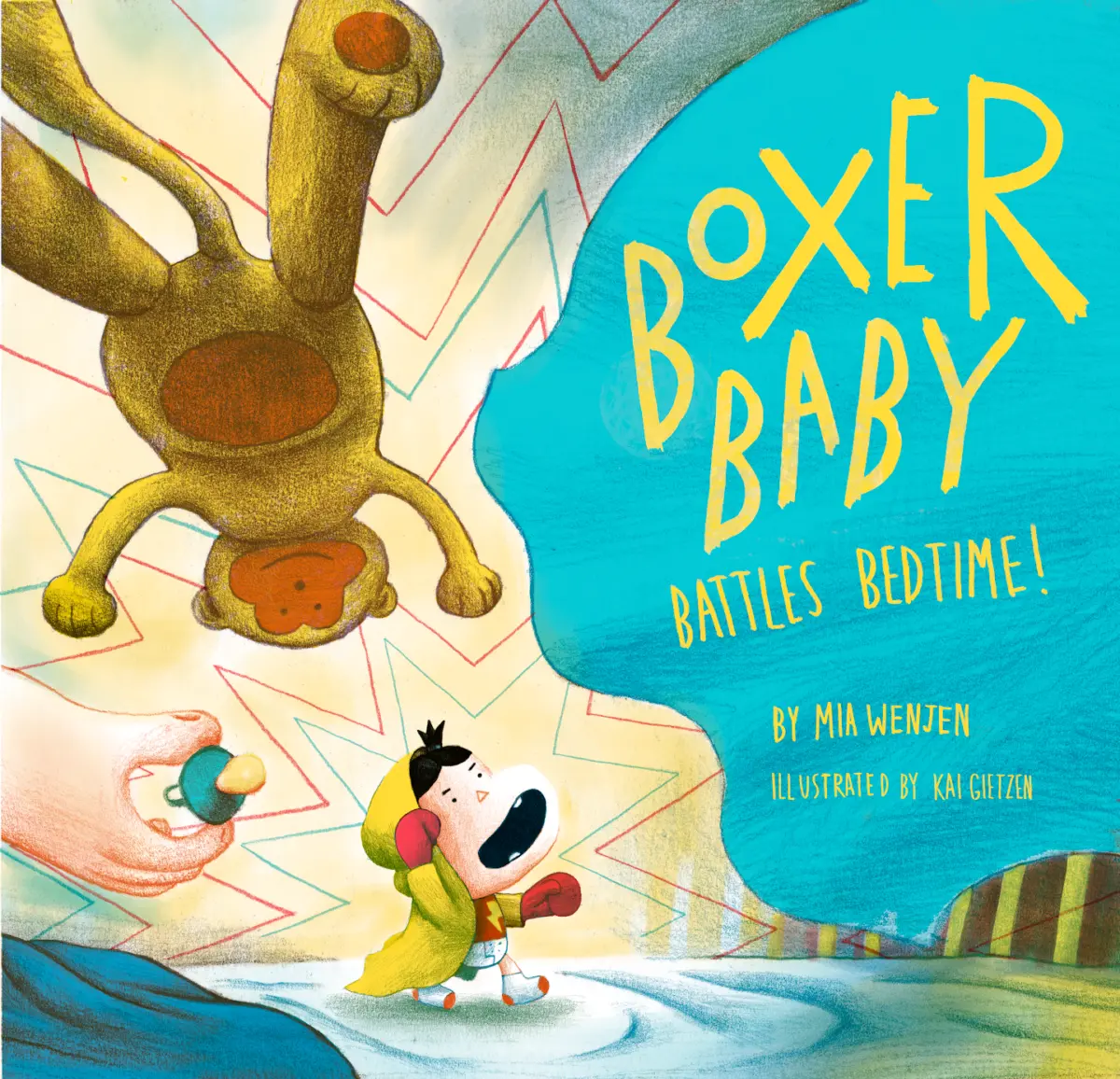
"Today, as survivors age, we are losing the only living witnesses to this dark history," notes community advocate and author Mia Wenjen, whose maternal family heritage is rooted in Hiroshima. "That’s why joining forces to share their words is critical. It’s up to us to keep these stories alive, and to ensure that future generations never lose sight of the human toll of nuclear weapons."
Educational Institutions and Pediatric Literature
Educators and children’s authors have increasingly integrated peace education into early childhood and adolescent curricula. By utilizing age-appropriate literature—such as historical fiction examining the atomic bombings, biographies of civil rights and peace activists (e.g., Yuri Kochiyama), and interactive artistic traditions like folding origami cranes—schools provide children with constructive emotional outlets to process themes of conflict, resilience, and global harmony.
Curricula developed around peace symbols, such as the story of Sadako Sasaki and the thousand origami cranes, teach students that individual acts of remembrance and global solidarity contribute meaningfully to a culture of peace.
Future Outlook: Safeguarding Memory in the Digital Age
As the world looks toward the mid-21st century, the preservation of the Hiroshima and Nagasaki legacy must adapt to a landscape devoid of living hibakusha. This transition requires deliberate structural investments across multiple domains:
1. Digital Archives and Immersive Testimony
Museums such as the Hiroshima Peace Memorial Museum and the Nagasaki Atomic Bomb Museum are rapidly expanding digital archiving efforts. High-definition video testimonies, holographic interview installations, and interactive digital mapping of survivor accounts ensure that future generations can "interact" with the experiences of those who survived the atomic flash.
2. Grassroots Peace Education and Multi-Cultural Literature
The integration of diverse historical perspectives into school libraries is vital. Resources such as children’s books addressing Japanese American history, civil rights movements, and global peace traditions foster empathy across cultures. Educators are increasingly utilizing structured teacher’s guides, classroom activity packets, and creative arts (such as origami workshops) to translate abstract geopolitical concepts into tangible lessons of empathy and shared humanity.
3. Policy Implications for Modern Arms Control
Ultimately, remembering Hiroshima and Nagasaki is not merely an exercise in historical retrospection; it serves as a foundational pillar for modern nuclear policy. As artificial intelligence integration in military command systems, hypersonic delivery vehicles, and regional arms races introduce novel vectors of instability, policymakers must remain grounded in the historical reality of what atomic weapons inflict upon civilian populations.
By honoring the fading voices of the hibakusha and empowering the next generation of global citizens with accurate historical education, the international community can strive to fulfill a singular, unwavering mandate: that Nagasaki and Hiroshima remain the first, and the last, cities to suffer the horrors of nuclear warfare.














Comments
Facebook App ID not configured. Please add it in the Customizer.