
Executive Overview
The landscape of speculative fiction—encompassing Science Fiction, Fantasy, and Horror (SF/F/H)—is undergoing a quiet yet profound structural evolution. At the center of this literary ecosystem is Locus magazine, the long-standing trade journal of the genre. Based in Oakland, California, Locus serves as the industry’s primary archivist, chronicling the births, transitions, and closures of the periodicals that feed the wider publishing market.
The latest directory compiled by Locus Publications reveals a highly diversified, economically precarious, and creatively vibrant landscape. From established, award-winning digital giants to experimental micro-presses operating on the fringes of the web, the short speculative fiction market remains the vital research-and-development wing of the publishing world. It is within these magazines that future novelists are discovered, narrative boundaries are tested, and cultural conversations are initiated.
However, this creative abundance exists alongside systemic financial vulnerability. As traditional advertising models collapse and platform algorithms become increasingly hostile to independent web traffic, the survival of these venues hinges on complex matrices of crowdfunding, patron support, and institutional volunteerism. This investigative report explores the current state of SF/F/H periodicals, categorizing the active players, analyzing their economic frameworks, and projecting the future of short-form genre literature.
Read Also
Detailed Chronology: The 2026 Periodical Ledger
The periodicals tracked by Locus represent the diverse operational strategies currently utilized in the digital era. Below is an analytical breakdown of these active venues, categorized by their structural and editorial methodologies.
Legacy Giants & Award-Winning Stalwarts
These publications form the institutional core of the SF/F/H short fiction market. They are frequent contenders for the Hugo, Nebula, Locus, and World Fantasy Awards, and they establish the professional standards for pay rates and editorial curation.

- Clarkesworld Magazine: Edited by Neil Clarke, this Hugo-winning monthly remains a vanguard of hard science fiction and international translations, particularly from the thriving Chinese speculative scene. Its strict adherence to high-concept sci-fi and its pioneering work in audio podcasting make it a central pillar of the industry.
- Lightspeed Magazine & Nightmare Magazine: Under the editorial direction of John Joseph Adams, these sister publications represent the gold standard for science fiction/fantasy (Lightspeed) and dark fantasy/horror (Nightmare). Their dual-format approach—combining original fiction with classic reprints and author spotlights—provides a comprehensive view of contemporary genre trends.
- Apex Magazine: Edited by Jason Sizemore, Apex specializes in dark, surreal, and strange speculative fiction. Having survived multiple hiatuses and industry shifts, its resilience is a testament to its deeply loyal community and its willingness to publish challenging, boundary-pushing prose.
- Beneath Ceaseless Skies: Dedicated entirely to "literary adventure fantasy" set in secondary worlds, this bi-weekly magazine edited by Scott H. Andrews has redefined modern epic and secondary-world fantasy, proving that traditional worldbuilding can coexist with avant-garde literary sensibilities.
- Strange Horizons: As a weekly, volunteer-run collective, Strange Horizons has championed marginalized voices, experimental narratives, and rigorous, long-form criticism for over two decades. Its sister translation project, Samovar, expands this mission globally, publishing speculative works in their original languages alongside English translations.
The Dark & The Liminal
Horror and dark speculative fiction have experienced a significant cultural renaissance, reflected in specialized venues that explore the psychological, existential, and supernatural.
- The Dark: Co-edited by Clara Madrigal-Mazzon and Sean Wallace, this monthly publication focuses on the shadows between horror and dark fantasy, emphasizing atmosphere and emotional resonance over simple gore.
- The Deadlands: A unique quarterly digital magazine that explores the geography of death, mourning, and the afterlife. Its editorial mandate focuses on the liminal spaces of mortality, offering a deeply poetic and melancholic take on speculative fiction.
- Darker Times: An independent venue dedicated to grim, suspenseful, and atmospheric horror, catering to an audience seeking raw, unconventional terror.
Specialized, Inclusive, and Global Platforms
The democratization of publishing has allowed for the rise of platforms dedicated to specific cultural experiences, regional movements, and marginalized identities.
- Fiyah: Magazine of Black Speculative Fiction: A seminal, award-winning quarterly that showcases speculative fiction by and about people of the African Diaspora. Fiyah has been instrumental in dismantling systemic barriers in the genre, launching the careers of numerous prominent authors.
- Aurealis: Based in Australia, this long-running magazine is a critical gateway for Australian and New Zealand speculative writers, ensuring that the Southern Hemisphere’s unique genre perspectives are represented globally.
- Translunar Travelers Lounge: A biannual journal specializing in fun, optimistic, and adventurous speculative fiction. It serves as a vital counterweight to the prevailing trend of grimdark narratives, proving there is a robust appetite for hopepunk and lighthearted escapism.
- Three-Lobed Burning Eye: A biannual publication that has quietly championed weird fiction, speculative surrealism, and slipstream narratives since 1999, maintaining a highly curated, artistic identity.
Emerging Formats, Micro-Presses, and "The Outer Limits"
The boundaries of how short fiction is consumed are constantly shifting. New platforms are bypassing traditional website architectures in favor of newsletters, podcasts, and micro-print editions.
- The Sunday Morning Transport: A subscription-based newsletter model that delivers a single, high-quality speculative story directly to readers’ inboxes every Sunday. This Substack-adjacent approach bypasses web-ad dependencies and establishes a direct financial relationship between creators and consumers.
- Contours of Sagittarius: An emerging audio-first platform and podcast network, reflecting the growing consumer demand for high-production-value speculative audio dramas and narrated fiction.
- Foofaraw & Quotidian Bagatelle: Categorized under "The Outer Limits," these projects represent the avant-garde of modern publishing. Operating on the fringes of traditional genre definitions, they explore micro-fiction, prose poetry, and hybrid literary forms that challenge the standard narrative structures of SF/F/H.
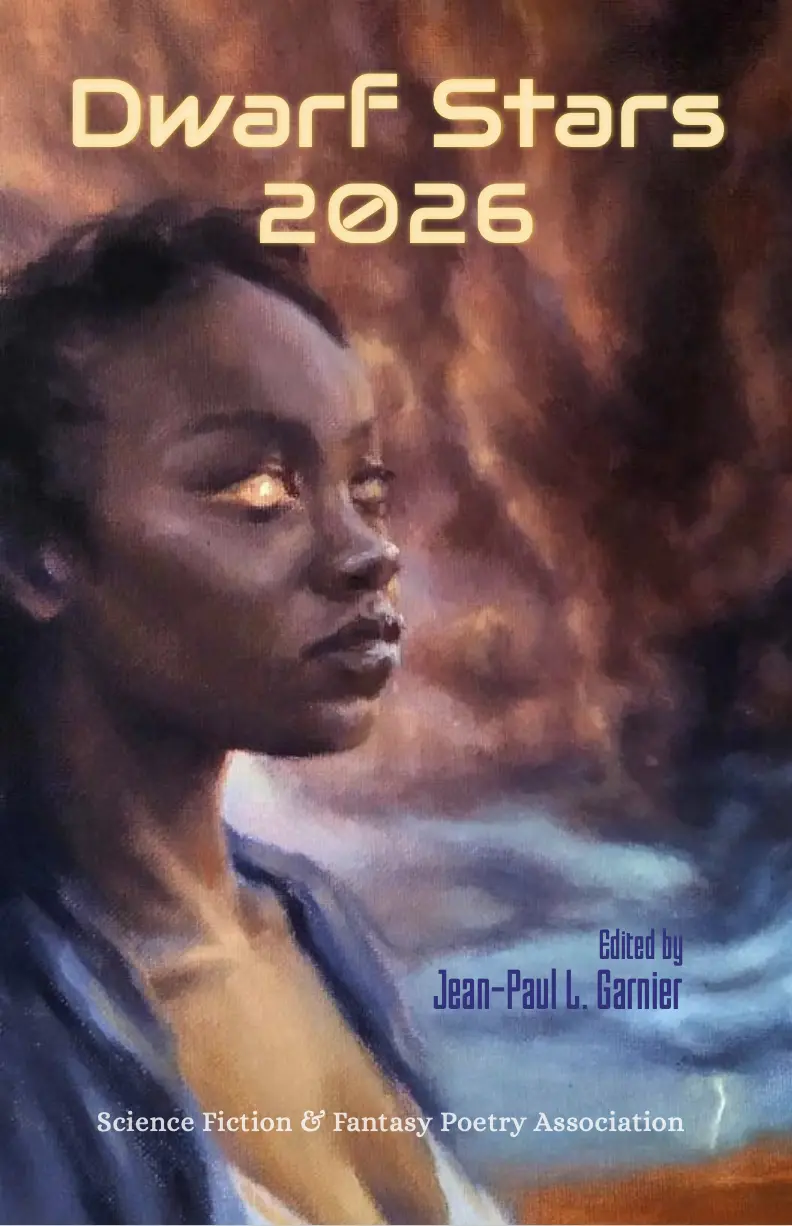
- Dwarf Stars (SFPA): The Science Fiction & Fantasy Poetry Association’s annual anthology of short-form speculative poetry. It serves as a critical reminder that speculative concepts are not confined to prose, but thrive in compressed, lyrical formats.
Supporting Context & Metrics: The Economics of Short Fiction
To understand the health of the SF/F/H periodical market, one must examine its financial and operational metrics. The transition from print to digital over the past twenty years solved distribution logistics but introduced severe monetization challenges.
+-------------------------------------------------------------------------+
|                       THE SF/F/H PERIODICAL ECOSYSTEM                  |
+-------------------------------------------------------------------------+
|                                                                         |
|  [Institutional Tier]                                                   |
|  - Clarkesworld, Lightspeed, Beneath Ceaseless Skies                     |
|  - High overhead, professional SFWA pay rates (>= 8¢/word)               |
|  - Supported by Patreon, subscriptions, and institutional grants        |
|                                                                         |
|  [Emerging & Newsletter Models]                                         |
|  - The Sunday Morning Transport, Reactor (Corporate-backed)             |
|  - Direct-to-inbox, micro-transactions, corporate sponsorship           |
|                                                                         |
|  [Volunteer & Collective Models]                                        |
|  - Strange Horizons, Fiyah, Samovar                                     |
|  - Run by editorial collectives, community-funded                       |
|                                                                         |
|  [The Experimental Fringe / "Outer Limits"]                            |
|  - Foofaraw, Quotidian Bagatelle, Dwarf Stars                           |
|  - Micro-presses, speculative poetry, hybrid media                     |
|                                                                         |
+-------------------------------------------------------------------------+
The Cost of Professionalism
The Science Fiction and Fantasy Writers Association (SFWA) sets the minimum pay rate for "professional" market status, which currently stands at 8 cents per word. For a magazine publishing 20,000 words of original fiction per month, the raw content acquisition cost is at least $1,600 per issue. When factoring in editorial labor, cover art, website hosting, copyediting, and distribution software, the baseline operating budget for a professional monthly digital magazine ranges between $3,500 and $6,000.

The Crowdfunding Dependency
With online advertising yields at historic lows due to ad-blockers and programmatic ad-buying monopolies, the majority of independent SF/F/H magazines rely on direct reader support:
- Patreon & Kickstarter: Platforms like Patreon allow magazines to secure recurring monthly revenue. However, this requires constant community management and marketing, pulling editors away from their primary literary duties.
- Substack & Newsletter Models: Venues like The Sunday Morning Transport utilize premium paywalls, charging readers a monthly or annual fee to access stories directly in their email client. This model boasts higher conversion rates than traditional web-based donation appeals.
- Corporate-Backed Exceptions: Reactor (formerly Tor.com), backed by Macmillan, operates under a different financial paradigm. It serves as both a high-paying fiction venue and a massive content-marketing hub for the publisher’s novel-length catalog. This dual utility insulates it from the market pressures faced by independent venues like Apex or The Dark.
Official Statements and Industry Preservation
The curation of these markets is not a passive activity. It requires active, centralized tracking to prevent the history of the genre from being lost to "link rot" and platform closures. Locus magazine’s monthly periodical listing is a vital service that provides metadata and visibility to these markets.
In their statement accompanying the directory, the editors of Locus emphasized the reciprocal relationship between the magazine and the community:
"This list covers new SF/F/H print, online, and electronic periodicals seen by Locus magazine, focusing on those that publish fiction or reviews and criticism… We publish hundreds of reviews and news stories each year, but we can’t do it without your help."
The call to action highlights a critical truth: independent genre journalism is as financially vulnerable as the fiction markets it covers. Locus Publications, operating out of Oakland, CA, remains dependent on community donations, subscriptions, and archivist submissions to maintain its massive, historical database of speculative literature.

Future Outlook: Challenges and Opportunities
As the SF/F/H periodical market moves deeper into the late 2020s, several key trends will dictate which publications survive and which will fade into digital obscurity.
The AI Submission Crisis
The rise of generative artificial intelligence has presented a severe operational threat to open-submission markets. Magazines like Clarkesworld have historically had to temporarily close submissions due to floods of machine-generated, low-quality stories. Processing thousands of plagiarized or AI-generated texts places an immense, unpaid cognitive burden on editorial staff. Markets that survive will likely implement advanced screening tools, adopt closed or invitation-only submission windows, or rely more heavily on trusted agent networks—a shift that could inadvertently restrict access for new, unrepresented writers.
The Globalization of Speculative Fiction
The success of projects like Samovar and Clarkesworld’s translation initiatives signals a permanent shift toward a globalized genre space. Speculative fiction is no longer dominated solely by Anglo-American perspectives. The integration of Latin American, African, and Asian speculative traditions is enriching the genre, introducing new narrative structures, mythologies, and socio-political themes.
Collaborative and Cooperative Publishing
To combat rising costs, independent magazines are increasingly exploring cooperative models. By sharing administrative resources, marketing lists, and submission software (such as Moksha or Submittable), small presses can achieve economies of scale previously reserved for corporate publishers.
Ultimately, the health of the SF/F/H periodical ecosystem depends on the active participation of its readership. While the digital age has made access to world-class speculative fiction easier than ever, the financial structures supporting that access remain fragile. Supporting platforms like Locus and individual fiction markets is not merely an act of charity; it is an essential investment in the ongoing evolution of human imagination.




Comments
Facebook App ID not configured. Please add it in the Customizer.