
Executive Overview
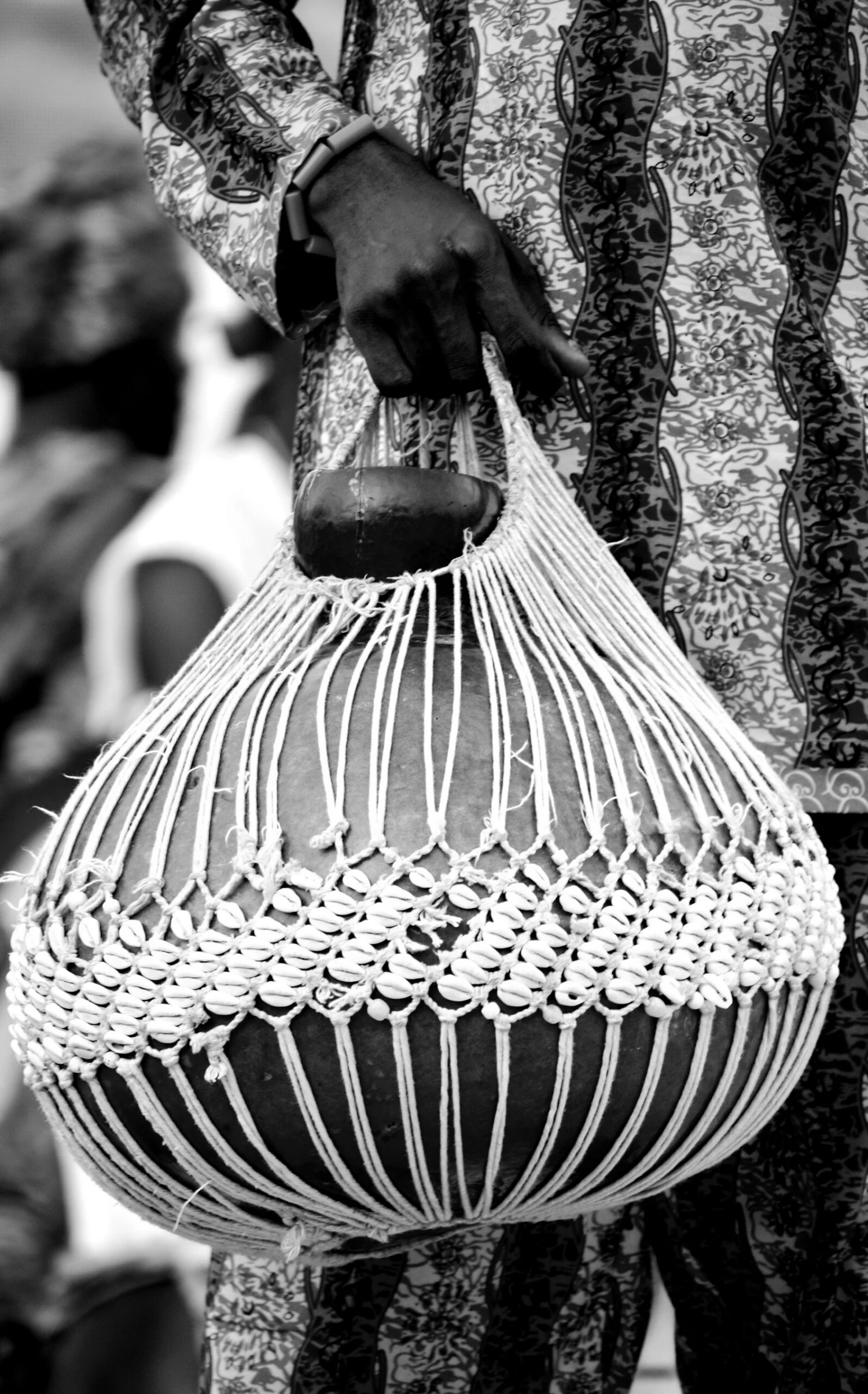
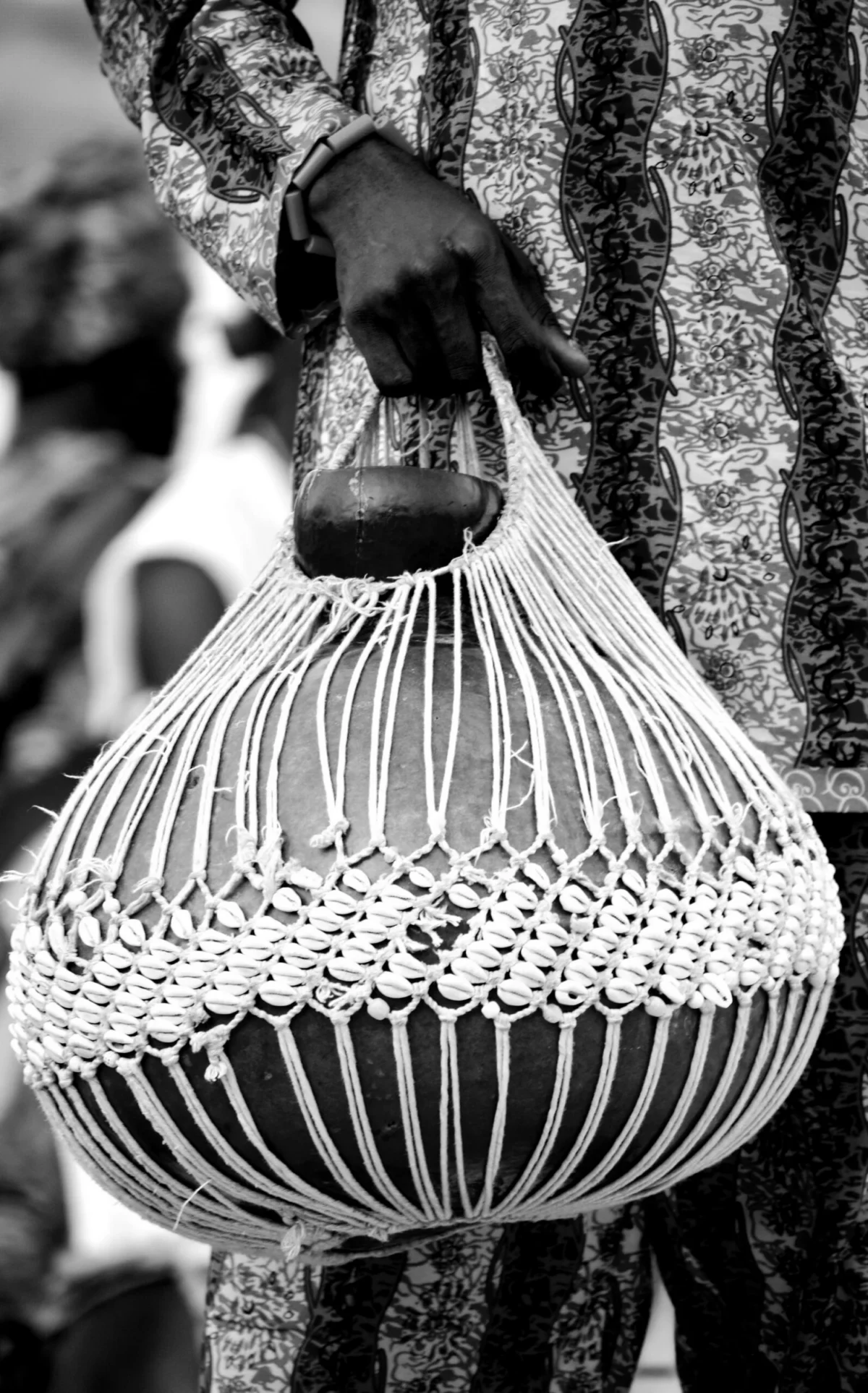
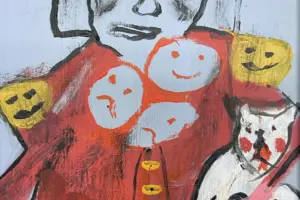
In an era defined by geopolitical turbulence, shifting national identities, and the acute psychological toll of generational trauma, contemporary art and literature continue to serve as the mirror in which societies confront their deepest fractures. A striking new piece of cultural commentary and lyrical expression—featuring the arresting visual artistry of Agbebiyi Adekunle (photographed under Tadek Photography and distributed via a Creative Commons CC BY-SA 4.0 license)—has captured the imagination of critics and scholars alike.
At the heart of this cultural artifact is a profound exploration of grief, the burdens of inherited history, and the complicated, often contradictory oaths citizens swear to their homelands. Through potent imagery—ranging from insured grief and buried hatchets to fractured gourds (ṣẹ̀kẹ̀rẹ́) and rain-heavy clouds shaped like ceremonial drums—the work acts as both a personal confession and a collective indictment.
This special report provides an exhaustive investigation into the themes, socio-political backdrops, and artistic anatomy of this modern poetic and visual composition. By examining the delicate interplay between indigenous West African instrumentation, the weight of historical memory, and the universal quest for belonging, we unpack how contemporary creatives use verse and photography to navigate the fault lines of modern nation-states.
Read Also
Detailed Chronology: The Evolution of Modern Protest and Indigenous Metaphor in Contemporary Art
To fully grasp the resonance of the recent imagery and verse published in literary spaces such as Guernica Magazine, one must trace the historical and cultural trajectory that brought West African symbolism into the forefront of modern global discourse.
Phase I: The Preservation of Indigenous Icons (Pre-21st Century)
For generations, traditional instruments like the ṣẹ̀kẹ̀rẹ́—a percussion instrument constructed from a dried gourd draped with a net of beads or cowrie shells—have occupied a dual space in indigenous societies across West Africa, particularly among the Yoruba. It is simultaneously an instrument of joyous celebration, used in festivals and royal courts, and a repository of historical memory. Historically, the crafting of a ṣẹ̀kẹ̀rẹ́ required immense patience: cultivating the vine, drying the fruit, hollowing it out, and meticulously threading beads to ensure a precise acoustic resonance.
Phase II: The Post-Colonial Awakening and the Metaphor of Fracture
As nations across the African continent transitioned through the turbulent waters of post-colonial statehood in the mid-to-late 20th century, artists began repurposing traditional symbols to critique modern political realities. The gourd, once a vessel for sustenance, palm wine, and music, increasingly became a metaphor for the fragile nation-state. Just as a dried gourd can fracture under pressure, the artificial borders and socio-political structures inherited from colonial powers often strained under the weight of ethnic pluralism, economic disparity, and governance crises.
Phase III: The Digital Diaspora and Contemporary Synthesis (Present Day)
In the current decade, artists working at the intersection of digital photography, traditional craft, and modern poetry have forged a new medium of expression. The recent collaboration featuring Agbebiyi Adekunle’s photography exemplifies this shift. By juxtaposing high-resolution visual storytelling with visceral, melancholic verse, contemporary creators address modern anxieties: inflation, migration, political disillusionment, and the psychological burden of carrying ancestral grievances into a hyper-connected, globalized world.
Supporting Context & Metrics: The Anatomy of Grief, Heritage, and National Devotion
To understand the weight of the poetry and imagery under review, we must examine the specific cultural motifs and socio-psychological metrics that inform the work.
1. The Metaphor of the Insured Grief and Inherited Hatchets
The opening lines of the verse—"I insured my grief and the inherited hatchets. / I want them buried for a century, at least"—introduce a chillingly transactional yet desperate approach to historical trauma. In financial terms, insurance is a mechanism to mitigate risk against catastrophic loss. By applying this concept to grief and "inherited hatchets" (a nod to feuds, generational conflicts, and historical violence), the speaker highlights the commercialization and institutionalization of survival in the modern state.
- Generational Trauma Metrics: Psychological studies on post-conflict societies consistently demonstrate that unresolved historical violence manifests in subsequent generations through elevated rates of chronic anxiety, socio-political cynicism, and forced migration.
- The Burial Metaphor: Seeking a century-long burial for hatchets reflects a profound exhaustion with cycles of vengeance. It mirrors the transition from active political hostility to a dormant, generational exhaustion where citizens simply wish to outlive their conflicts.
2. The Ṣẹ̀kẹ̀rẹ́ and the Fractured Gourd
The central physical motif of the work is the gourd—specifically one that “couldn’t hold wine” and is “fractured beyond shape.”
| Element | Traditional Cultural Significance | Contemporary Poetic Reinterpretation |
|---|---|---|
| The Gourd (Igba) | A vessel of life, hospitality, harvest, and nourishment. | A broken societal structure; a homeland unable to sustain its people. |
| The Beads (Iyin/Ilẹ̀kẹ́) | Adornment, rhythm, status, and spiritual connection. | Jiggled alarms; frantic attempts to create noise and demonstrate loyalty. |
| The Wine (Ọtí) | Community, celebration, libation to ancestors. | Lost prosperity, depleted resources, and unfulfilled promises of the state. |
As the text notes, "no one brings a ṣẹ̀kẹ̀rẹ́ to a room where its walls have pictures covered in dust." This evocative line contrasts the celebratory, acoustic nature of the instrument with a space of stagnation, mourning, and neglect. Dust-covered pictures represent forgotten histories, abandoned ideals, and leaders whose promises have faded into irrelevance.
3. Cartography of the Subconscious: Dreams and Resistance
The transition from earthly despair to nocturnal transcendence ("When I sleep, my mind clones itself and wanders / beyond every boundary") speaks directly to the modern condition of the global diaspora and the internally displaced. When physical borders restrict movement and economic conditions stifle mobility, the mind becomes the final frontier of freedom.
Furthermore, the imagery of an altitude where "the clouds are visibly the shape of drums" bridges the gap between nature and culture. In many indigenous cosmologies, thunder is associated with celestial deities of thunder and justice (such as Ṣango in Yoruba tradition). By viewing storm clouds as drums, the speaker recasts the threats of nature and political upheaval not merely as destructive forces, but as a rhythmic, ancestral call to resilience.
Official Statements & Critical Reception
The publication of this evocative artistic synthesis has drawn widespread commentary from literary critics, cultural anthropologists, and curators of contemporary African art.
Dr. Alero Kóláwọ̀lẹ́, Professor of Comparative Literature and Cultural Studies, noted in a recent symposium:
"What we are witnessing in this collaboration between visual artist Agbebiyi Adekunle and contemporary verse is an archaeological dig of the modern African psyche. The imagery does not romanticize tradition; rather, it interrogates it. When an artist looks at a ṣẹ̀kẹ̀rẹ́ that cannot hold wine and recognizes it as a map of a fractured nation, they are engaging in a high form of truth-telling. It tells us that our traditional artifacts are living entities capable of holding our modern sorrows."
Curatorial notes from the photographic exhibition framework elaborate on the visual composition:
"Adekunle’s framing utilizes verticality and stark contrast to emphasize the isolation of the human experience within grand historical landscapes. The distribution under the Creative Commons license ensures that these visual meditations on grief and resilience remain accessible to the very communities whose realities they reflect, democratizing the dialogue around art, heritage, and national identity."
Literary reviewers have similarly praised the economy of language in the accompanying text. By utilizing sparse, unrhymed stanzas, the poet creates an intentional breathlessness, mimicking the experience of a citizen trying to pledge allegiance to a land that constantly demands sacrifice over sustenance.
Future Outlook: The Intersection of Art, Heritage, and Societal Healing
As we look toward the horizon of the 21st century, the role of art in political and social healing will only grow more pronounced. The themes explored in this work—the commodification of trauma, the breakdown of civic trust, and the desperate yet creative preservation of indigenous identity—are not localized phenomena. They resonate globally, from post-colonial states in the Global South to fractured democracies across the Western world.
Key Trends to Watch:
- The Digital Archive of Indigenous Metaphors: As younger generations of artists leverage platforms like digital photography and open-source licensing (such as CC BY-SA 4.0), indigenous instruments, proverbs, and rituals are undergoing a global renaissance. They are being re-contextualized to address transnational issues like climate change, migration, and digital surveillance.
- Eco-Poetics and Natural Metaphors: The turn toward natural resilience—evidenced by the poem’s meditation on "trees that resist floods and storms"—signals a burgeoning movement in contemporary literature. Eco-poetics will increasingly intersect with socio-political critique as environmental degradation mirrors political instability.
- The Re-Evaluation of Generational Contracts: The notion of insuring grief and burying hatchets for a century points toward a future where younger populations may demand formal, systemic reckonings with historical governance failures. The art of the coming decades will likely serve as the legal and moral brief for these future social contracts.
Conclusion
Ultimately, the evocative fusion of Agbebiyi Adekunle’s photography and the haunting lyrical exploration of the fractured gourd challenges us to look closer at the items we inherit and the oaths we swear. It reminds us that patriotism is not merely blind celebration, but a profound, sometimes agonizing act of bearing witness to a country’s scars while stubbornly dreaming of its renewal. In the spaces where the drums of the clouds roll and the ṣẹ̀kẹ̀rẹ́ rests, contemporary art finds its truest purpose: refusing to let us forget who we were, while demanding we imagine who we might yet become.

Comments
Facebook App ID not configured. Please add it in the Customizer.