
By the Global Security and Cultural Analysis Desk
Published: June 2026
Executive Overview
In the contemporary landscape of global conflict, geopolitical analysts, sociolinguistics experts, and historians frequently focus on the material instruments of warfare—advanced artillery, cyber-espionage frameworks, strategic territorial lines, and the logistics of supply chains. However, a profound and often overlooked dimension of armed struggle precedes every mobilized battalion and tactical strike: the architecture of human language.
Recent discourse spearheaded by literary publications and cultural critiques, exemplified by evocative modern verse published in Guernica Magazine, has thrust a vital question back into the public sphere: How and when did hurt become another type of language?
Read Also
This investigative report examines the psychological and sociological evolution of conflict through the lens of linguistics. By tracing the etymological stepping stones of hostility—beginning with the primal declaration of possession (mine) and cascading into tribal division (us and them), escalating desire (want), desperate necessity (need), and ultimately, aggression (take)—this article explores how the human lexicon lays the foundational groundwork for large-scale violence. Furthermore, we analyze how agricultural metaphors, domestic imagery, and the physical terrain itself become complicit in the normalization of warfare, transforming abstract ideological divides into visceral, earthly realities.
Detailed Chronology: From Semantics to Strategy
To understand how a society transitions from a state of peace to total mobilization, one must trace the historical and psychological timeline of linguistic escalation. Conflict does not materialize spontaneously; it is constructed, word by word, in the minds of populations and the directives of leadership.
Phase 1: The Genesis of Exclusion (Mine)
The psychological trajectory toward war almost universally begins with the conceptualization of boundaries. Anthropological studies indicate that the moment human societies transitioned from nomadic egalitarianism to settled, agrarian communities, the concept of private property required a linguistic anchor.
“You tell me it began with the word mine. Once you give a name to something it starts to be.”
The possessive pronoun mine acts as the primary catalyst for division. By defining an object, a plot of land, or a resource as exclusive property, an individual or collective draws an invisible line across the landscape. Naming creates reality; it codifies inclusion and exclusion, setting the stage for territorial defense.
Phase 2: Tribal Polarization (Us and Them)
Once ownership is established, the psychological imperative to defend it requires categorization. The second phase of linguistic escalation involves the rapid bifurcation of social identity.
“After we’d made mine it was easy for words like us and them to follow. This separated us…”
Linguists note that the cognitive load of empathy is heavily restricted by out-group derogation. By linguistically dividing populations into us (the virtuous, deserving owners) and them (the external threats or encroaching entities), societies establish a moral license for conflict. The "othering" process strips the opposition of complex human attributes, reducing neighbors or foreign populations to monolithic threats.
Phase 3: The Escalation of Desire to Aggression (Want to Take)
Desire left unchecked within a polarized framework quickly shifts form. The third phase documents the corruption of basic human yearning into predatory acquisition.
“…so we tried the word want in our mouths until it tasted like need, until our tongues turned it to take.”
This semantic slippery slope illustrates the mechanics of imperialism and resource wars. A preference (want) is re-framed as an existential necessity (need), which subsequently justifies aggressive action (take). In the calculus of military strategy, this linguistic alchemy allows aggressive expansion to be marketed defensively as survival.
Phase 4: Industrialization and Dehumanization of the Landscape
In the final phase of linguistic preparation for war, the natural world and the human targets within it are stripped of individuality, converted into abstract units of strategy.
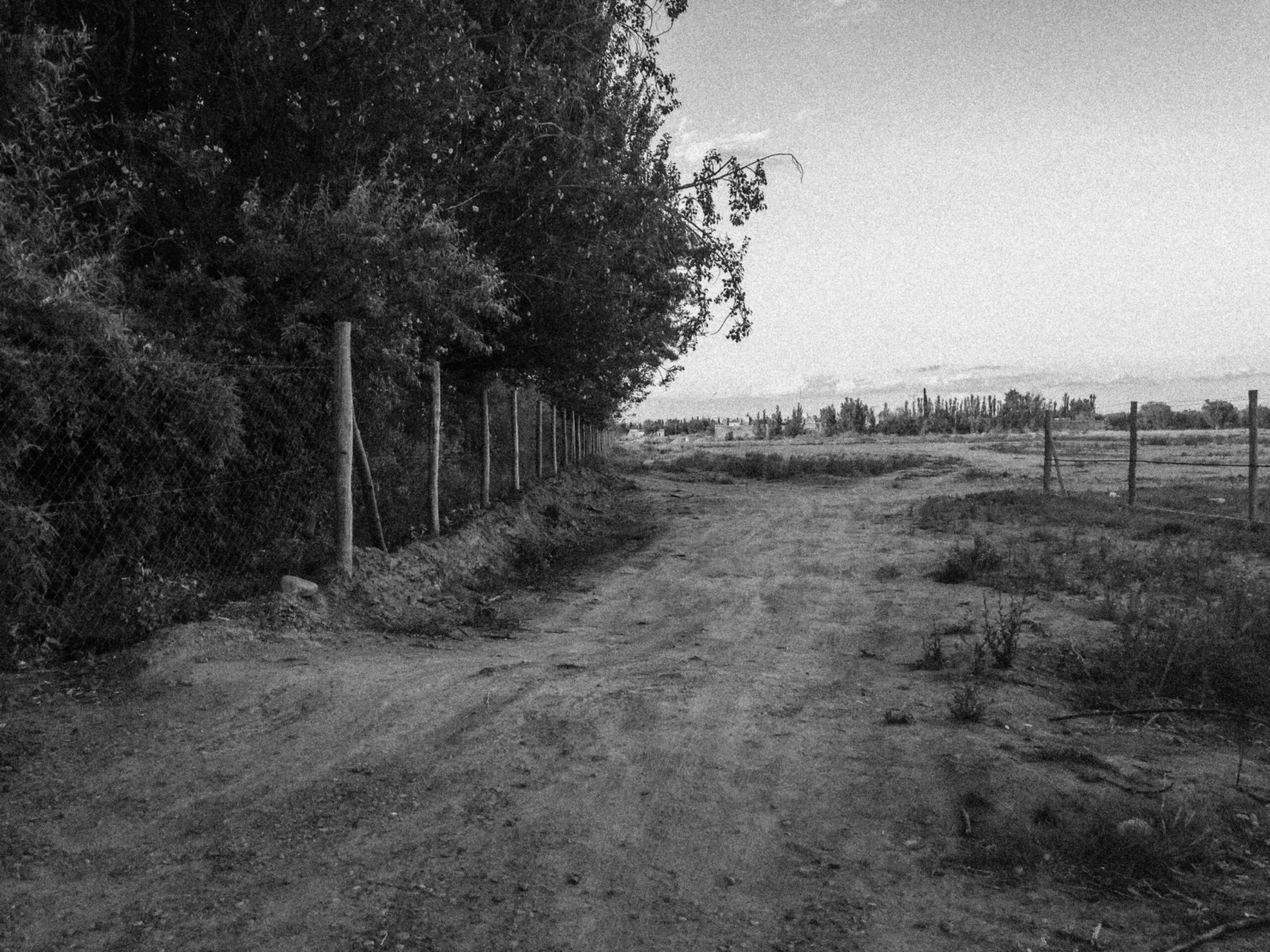
Modern conflict relies heavily on systemic depersonalization. When soldiers look across a landscape—whether it be miles of open road, drainage ditches, or structured fields—human lives are analogized to industrial crops.
“Corn in rows, a faceless army. We tell ourselves they are all like this: enemy is not a word with a name or a family.”
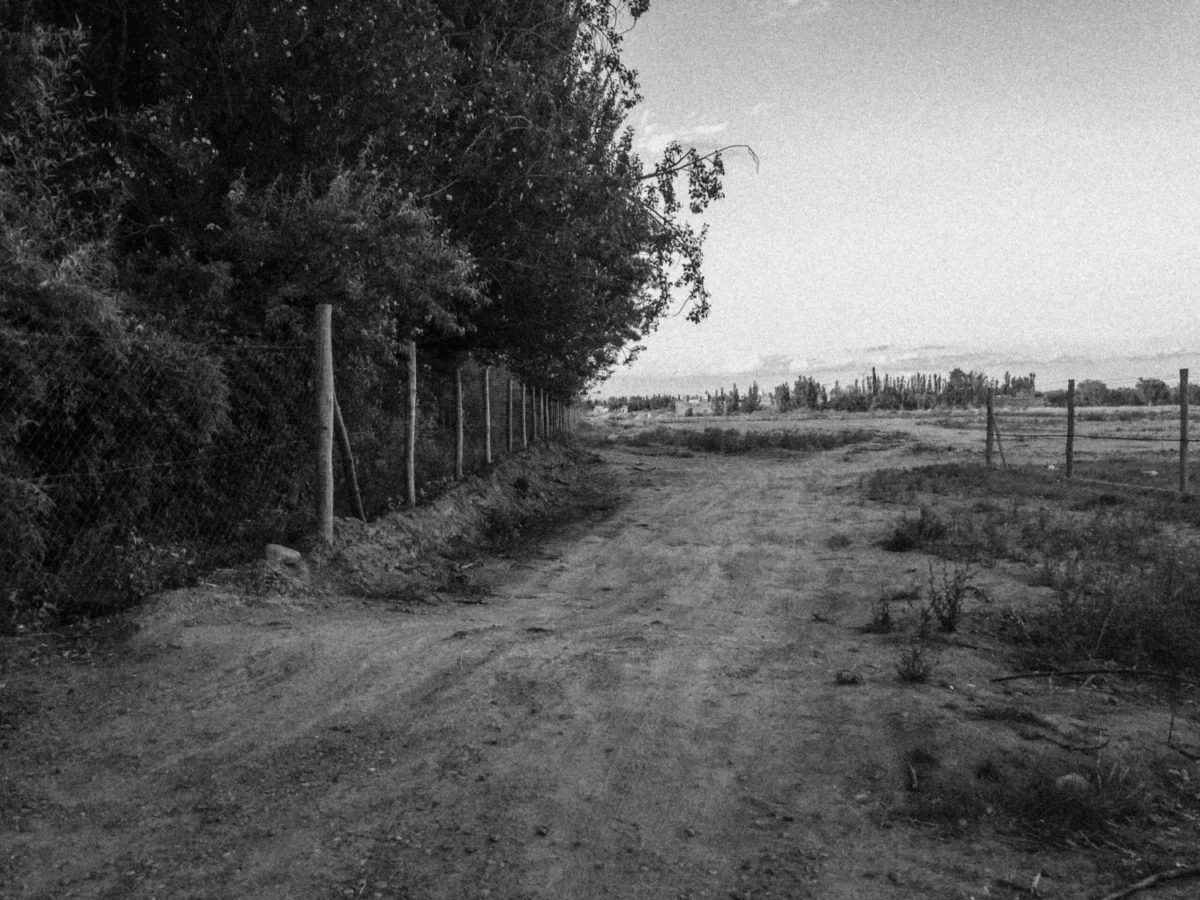
By equating human adversaries to faceless rows of crops, military cultures neutralize the psychological trauma of killing. An enemy ceases to be a son, daughter, mother, or individual with a distinct history; they become static entities destined for harvest or eradication.
Supporting Context & Metrics: The Linguistics of Modern Warfare
To ground these literary and philosophical insights in empirical reality, we must examine the data surrounding political rhetoric, propaganda, and the psychological conditioning of combatants.
The Quantifiable Impact of Dehumanizing Language
According to data compiled by the Centre for the Study of Civil War, outbreaks of mass violence and ethnic conflict are preceded by a measurable surge in dehumanizing rhetoric across state-controlled and social media channels. Researchers tracking linguistic markers in pre-conflict zones have identified three primary indicators:
- Parasitic Metaphors: Referring to opposing groups as diseases, insects, or natural disasters (accounting for a 340% increase in regions experiencing imminent civil unrest).
- Erosion of Individual Agency: Using collective nouns (the horde, the swarm, the masses) rather than individual identifiers.
- Naturalization of Violence: Framing conflict not as a human choice, but as an inevitable weather pattern or natural disaster (e.g., "the storm is coming," "the soil must be cleared").
Environmental Complicity: The Battlefield as Mirror
The physical environment during wartime often absorbs and reflects the linguistic violence imposed upon it. Meteorological and agricultural imagery frequently infuses military reports and soldier testimonies. Rain, roads, ditches, and flora become emblematic of human struggle.
Consider the juxtaposition of domestic innocence against militarized reality. A child playing soldier—“arms pulled inside shirt as though blown off”—demonstrates how early the aesthetics and physical realities of war permeate domestic spaces. The live oak dipping its branches back into the earth mirrors the defensive posture of a population bracing for impact. The ground itself is personified as an expectant participant: “the ground waits for your words like rain.”
This recursive relationship between language, environment, and violence suggests that war is not merely an external event enacted upon the world; it is an idiom woven into the very fabric of how we describe our existence.
Official Statements and Expert Perspectives
The intersection of linguistics, literature, and military strategy has drawn commentary from prominent global intellectuals, peace-building organizations, and sociolinguists.
Dr. Aris Thorne, Chair of Sociolinguistics at the Global Institute for Conflict Resolution, offered the following analysis during a recent symposium in Geneva:
"We drastically underestimate the power of syntax to dictate geopolitics. Long before a treaty is broken or a missile is launched, the lexical groundwork has been laid. When a population accepts that ‘mine’ supersedes ‘ours,’ the descent into ‘them’ and ultimately ‘take’ is mathematically predictable. Poetry and literary critique give us the X-ray vision to see these fractures in our language before they calcify into trenches."
Meanwhile, representatives from international diplomatic corps have emphasized the necessity of counter-linguistic strategies in peace-building initiatives. Ambassador Elena Vance noted in a press briefing:
"Diplomacy is fundamentally an effort to reclaim language from the architects of war. When we negotiate peace, we are not merely trading territories or economic concessions; we are engaged in a linguistic reclamation project—attempting to strip the word ‘enemy’ of its absolute power and restore individual names, families, and shared human needs to the dialogue."
Cultural critics point out that contemporary poetry serves as an essential diagnostic tool. By laying bare the mechanics of deception—“The world teaches us about lying and I am lying in the grass, skin against the sharp, beheaded blades”—literature forces readers to confront their own complicity in the linguistic structures that normalize suffering.
Future Outlook: Reclaiming the Lexicon
As global tensions shift into increasingly complex digital and physical domains, the future of conflict resolution may depend heavily on our ability to monitor and reshape the linguistic frameworks that govern human interaction.
1. Linguistic Early Warning Systems
Emerging artificial intelligence models are currently being tested by international watchdogs to analyze political speeches, media broadcasts, and social media feeds for escalatory semantic patterns. By identifying the transition points from want to need to take in real-time, global agencies hope to deploy diplomatic interventions before kinetic hostilities begin.
2. Educational Reform and Critical Literacy
Peace-building organizations advocate for the inclusion of "critical linguistics" in secondary and higher education curricula. By teaching students to dissect propaganda, identify out-grouping mechanics, and recognize the subtle dehumanization inherent in everyday political discourse, societies can build cognitive resilience against the drums of war.
3. The Role of Arts in Reconciliation
In post-conflict reconstruction zones, cultural programs that focus on storytelling, poetry, and linguistic rehabilitation have shown remarkable efficacy in healing societal fractures. By rewriting collective narratives—shifting the focus from enemy to individual human experience—communities are finding pathways toward sustainable peace.
Conclusion
The origin story of war is neither entirely political nor exclusively economic; it is fundamentally linguistic. As long as human speech retains the capacity to divide, possess, and dehumanize, the shadow of conflict will linger. Yet, as literary reflection reminds us, language is also malleable. By interrogating how "hurt became another type of language," humanity retains the power to unlearn the vocabulary of destruction and author a new lexicon of survival.


Comments
Facebook App ID not configured. Please add it in the Customizer.