Executive Overview: The Speculative Fiction Publishing Landscape
The ecosystem of speculative fiction—encompassing science fiction, fantasy, and horror (SF/F/H)—is undergoing a profound structural transformation. Historically anchored in physical pulp magazines and legacy paperback anthologies, the genre’s short-form vitality is now sustained by a complex web of digital-native periodicals, micro-presses, and listener-supported audio platforms.
As Locus magazine—the long-standing journal of record for the speculative field—continues its work of cataloging and evaluating these publications, its directories offer a window into the health of the industry. The sheer diversity of platforms, from established Hugo Award-winners to experimental newsletters and niche poetry journals, reflects an industry that is simultaneously hyper-specialized and highly decentralized.
However, this creative abundance belies a precarious economic reality. The modern SF/F/H periodical market operates on a razor-thin margin, heavily reliant on crowd-sourced patronage, non-profit grants, and the tireless labor of volunteer or semi-professional editorial teams.
This investigative report examines the current state of these publications, analyzing how emerging technologies, shifting reader demographics, and volatile funding models are reshaping the ways speculative art is produced, distributed, and preserved.
Detailed Chronology: Key Players and Emerging Outlets in SF/F/H Periodicals
The contemporary landscape of speculative periodicals can be categorized into distinct editorial movements, each serving a unique segment of the global speculative community. Below is an analytical directory of the key print, digital, and audio venues currently driving the conversation.
The Vanguard of Contemporary Speculative Fiction
These publications represent the critical and commercial mainstream of modern speculative short fiction, frequently occupying space on major award ballots (such as the Hugos, Nebulas, and Locus Awards) and defining the thematic boundaries of the genre.
Clarkesworld Magazine: Edited by Neil Clarke, Clarkesworld remains a gold standard for hard science fiction, transhumanist fantasy, and international translations. Known for its rigorous selection process and early adoption of digital-first publishing, it serves as an industry bellwether for technological and economic trends.
Lightspeed Magazine: Under the editorial direction of John Joseph Adams, Lightspeed has long bridged the gap between accessible, high-concept science fiction and literary fantasy. Its sister publication, Nightmare Magazine, provides a dedicated, high-quality home for dark fantasy and horror.
Strange Horizons: Operating as a weekly, non-profit, reader-supported collective, Strange Horizons is one of the longest-running digital venues in the field. It is widely celebrated for its commitment to marginalized voices, global perspectives, and extensive, deep-dive reviews of speculative media.
Beneath Ceaseless Skies: Edited by Scott H. Andrews, this venue specializes in "literary adventure fantasy"—secondary-world stories that prioritize character depth and world-building over traditional sword-and-sorcery tropes.
Apex Magazine: Known for its darker, more visceral take on science fiction and fantasy, Apex has repeatedly overcome financial and logistical hurdles to remain a vital home for challenging, boundary-pushing fiction.
Reactor (formerly Tor.com): Backed by the institutional weight of Macmillan, Reactor represents a unique hybrid: a massive corporate-sponsored promotional platform that functions as one of the most prestigious, high-paying venues for original speculative novelettes and short stories, alongside daily cultural criticism.
Diverse Voices, Translation, and Specialized Formats
As the speculative community actively works to dismantle historical barriers to entry, several specialized publications have risen to prominence, focusing on cultural diversity, translation, and non-traditional formats.
Fiyah: Magazine of Black Speculative Fiction: A crucial, award-winning venue dedicated to reclaiming and expanding speculative spaces for Black writers across the African diaspora. Fiyah has been instrumental in launching the careers of some of the genre’s most exciting new voices.
Samovar: An offshoot of Strange Horizons, Samovar is a specialized digital venue dedicated entirely to translated speculative fiction, publishing stories in both their original languages and English translations to foster cross-cultural literary exchange.
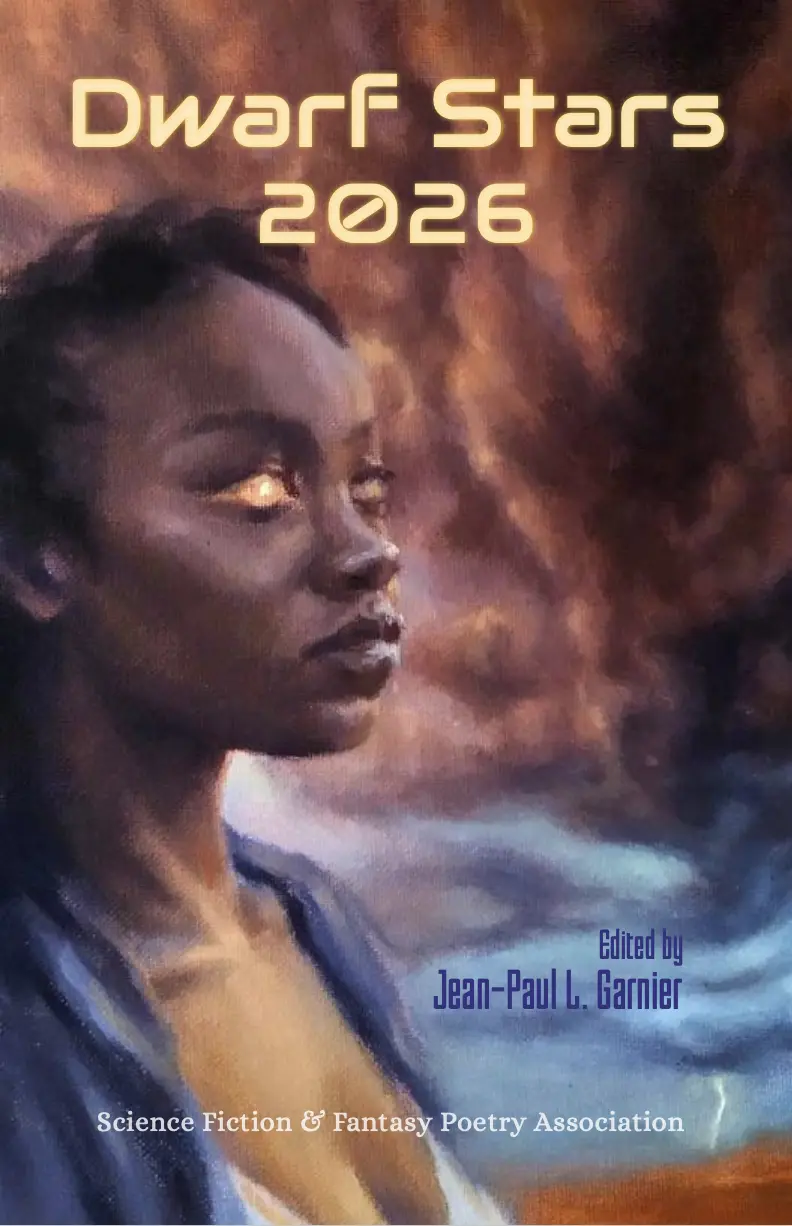
Dwarf Stars (SF Poetry Association): Representing the intersection of speculative concepts and short-form poetry, the annual Dwarf Stars anthology showcases the best in speculative micro-poetry, preserving a niche but highly artistic corner of the field.
Translunar Travelers Lounge: A digital magazine focusing on fun, optimistic, and slightly quirky science fiction and fantasy, serving as an important counterweight to the prevailing trend of grimdark and dystopian fiction.
Aurealis: Based in Australia, Aurealis has spent decades serving as a vital pipeline for Southern Hemisphere speculative writers, proving that high-quality SF/F/H thrives far beyond the traditional US and UK publishing hubs.
The boundaries of the genre are constantly being pushed by experimental platforms, micropresses, and hybrid delivery models that challenge the traditional "magazine" format.
The Sunday Morning Transport: Utilizing a newsletter-subscription model, this platform delivers high-quality speculative fiction directly to readers’ inboxes every Sunday, demonstrating the viability of direct-to-consumer digital publishing.
Contours of Sagittarius: An audio-centric podcast venture that explores speculative concepts through soundscapes, narration, and immersive audio storytelling.
Foofaraw & Quotidian Bagatelle: Categorized under "The Outer Limits" of speculative publishing, these projects blend indie-press aesthetics with experimental, avant-garde prose that defies easy categorization.
Black Cat Weekly: A bridge between classic pulp mystery and speculative fiction, offering curated selections of classic and contemporary short stories for readers of genre fiction.
Three-Lobed Burning Eye: A long-running online journal that specializes in surreal, weird, and speculative fiction that is often too strange for mainstream markets.
Tangent Online: Serving as one of the few dedicated, comprehensive review venues specifically for speculative short fiction, Tangent Online provides critical oversight and historical documentation of the field.
Supporting Context & Metrics: The Economic Realities of Short Speculative Fiction
The operational sustainability of SF/F/H periodicals is governed by a strict set of economic parameters. To maintain professional standing with organizations like the Science Fiction and Fantasy Writers Association (SFWA), magazines must pay "professional rates" for fiction.
Historically, this rate stood at 8 cents per word, but pressure from inflation and rising living costs has pushed many top-tier publications to pay 10 cents per word or more. For a standard 5,000-word short story, this represents a flat cost of $500 in writer fees alone—before accounting for editing, proofreading, digital hosting, illustration, and administrative overhead.
ESTIMATED COST BREAKDOWN FOR A SINGLE STANDARD ISSUE (15,000 Words of Fiction)

┌─────────────────────────────────────────────────────────┐
│ Writer Fees (Pro Rate: $0.10/word)             $1,500   │
├─────────────────────────────────────────────────────────┤
│ Editorial & Proofreading Overhead               $600    │
├─────────────────────────────────────────────────────────┤
│ Digital Hosting, Distribution & Tech Support    $250    │
├─────────────────────────────────────────────────────────┤
│ Cover Art & Illustration Licensing              $300    │
├─────────────────────────────────────────────────────────┤
│ Total Estimated Production Cost:               $2,650   │
└─────────────────────────────────────────────────────────┘
Because digital advertising rates have cratered across the broader media landscape, these magazines are almost entirely dependent on three funding mechanisms:
Direct Patronage (Patreon, Substack, Kickstarter): Platforms like Strange Horizons and Apex rely heavily on recurring monthly donations from readers to meet their operational budgets.
Institutional Backing: Very few magazines enjoy the luxury of corporate backing. Reactor is a notable exception, funded by Macmillan as a brand-building and community-engagement tool.
Non-Profit Foundations and Grants: Organizations like Locus Publications operate as non-profits, relying on seasonal fundraising campaigns and reader donations to maintain their reporting, archiving, and review operations.
Without these non-commercial revenue streams, the vast majority of SF/F/H periodicals would cease to exist within a single publication cycle.
Official Statements: The Fight for Editorial Independence
The critical consensus among industry leaders highlights the precariousness of the current publishing model. In public appeals and editorial columns, publishers have consistently emphasized that the preservation of short fiction is vital for the health of the broader publishing industry. Short stories serve as the R&D department of speculative fiction; it is where new ideas, diverse voices, and experimental styles are tested before scaling up to novels and media adaptations.
In a recent fundraising appeal, the team at Locus Publications articulated this vulnerability:
"While you’re here, please take a moment to support Locus with a one-time or recurring donation. We rely on reader donations to keep the magazine and site going. We publish hundreds of reviews and news stories each year, but we can’t do it without your help."
This sentiment is echoed across the industry. Editors point out that while platforms like Amazon and social media networks have democratized distribution, they have also consolidated control over visibility. Algorithms can instantly de-prioritize independent magazines, making direct reader relationships—via newsletters, direct subscriptions, and dedicated community hubs—the only reliable defense against digital invisibility.
Future Outlook: Navigating the Digital Frontier
As speculative fiction periodicals navigate the remainder of the decade, several key trends are poised to shape their evolution:
The Mitigation of AI-Generated Content: Digital magazines, particularly high-profile venues like Clarkesworld, have faced unprecedented deluges of AI-generated spam submissions. Developing automated screening tools and maintaining robust, human-driven slush piles will remain a significant administrative and financial burden.
The Expansion of Global Translation: The success of initiatives like Samovar suggests a growing appetite for non-Western speculative fiction. We can expect to see more co-publications and translation grants aimed at bringing Chinese, Latin American, and African speculative fiction to English-speaking audiences.
The Rise of Micro-Subscription Models: The success of The Sunday Morning Transport demonstrates that readers are willing to pay for premium curation if it is delivered directly to their preferred reading environments (such as e-readers or email inboxes) without the friction of navigating ad-heavy websites.
Ultimately, the survival of the SF/F/H periodical market depends on the active, financial participation of the community it serves. While the technological landscape will continue to shift, the fundamental human desire for high-quality, thought-provoking speculative art remains unchanged. The magazines listed by Locus are not merely entertainment products; they are the intellectual archives of our collective future.







Comments
Facebook App ID not configured. Please add it in the Customizer.