

Executive Overview
The cultural landscape of higher education institutions is currently undergoing a profound re-examination. As universities across the globe reckon with the origins of their endowments, the provenance of their collections, and the ethics of their philanthropic partnerships, few narratives are as emblematic of this tension as the institutional transformation witnessed at Harvard University.
At the center of this evolution is the restructuring of the university’s premier art spaces, specifically the consolidation of the Sackler Museum collections into the newly renovated Fogg Art Museum. While structural museum updates and administrative relocations are standard procedure in the lifecycle of academic institutions, the timing and cultural ripples of Harvard’s changes invite deeper scrutiny.
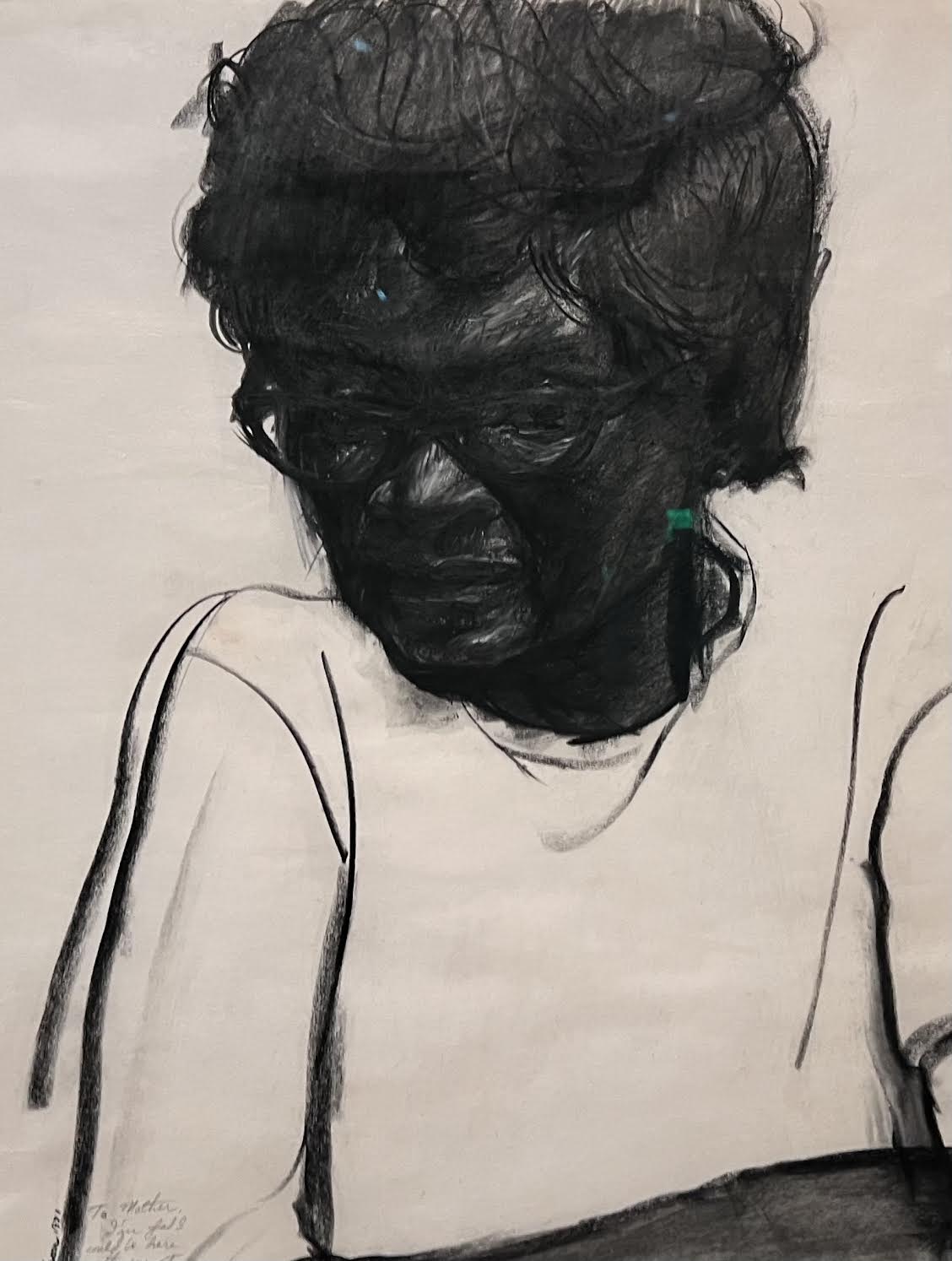
For years, the Arthur M. Sackler Museum stood as a separate entity bearing the name of a family whose pharmaceutical empire, Purdue Pharma, would later orchestrate the devastation of the U.S. opioid crisis. Though university administrators often decoupled physical facilities management from the mounting ethical pressures of the Sackler name, the shadow of the opioid epidemic undeniably altered the institutional ethos of cultural spaces nationwide.
Read Also
Most notably, the Harvard Art Museums—comprising the Fogg, the Busch-Reisinger, and the Arthur M. Sackler museums—implemented a policy of free public admission. For art enthusiasts, Boston locals, and academic researchers alike, this policy shift transformed a historically exclusive collegiate gallery into an accessible, vibrant cultural hub.

This article explores the complex intersection of architectural updates, institutional legacy, the profound fallout of the Sackler opioid scandal, and the democratization of access at one of America’s premier academic art institutions.
Detailed Chronology: The Transformation of Harvard’s Art Spaces
To understand the current state of the Harvard Art Museums, one must map out the logistical and institutional milestones that reshaped the campus over the last two decades. The consolidation of collections was not a hasty decision, but rather the culmination of years of architectural master-planning, fundraising, and a necessary recalibration of how art is preserved, studied, and displayed.

Phase I: The Legacy of Three Museums
For decades, Harvard’s visual arts holdings were distributed across three distinct facilities, each with its own architectural identity and historical mandate:
- The Fogg Art Museum (Founded 1895): The oldest unit of the Harvard Art Museums, renowned for its extensive Western paintings, sculptures, decorative arts, and prints, traditionally housed in a landmark Georgian Revival building on Quincy Street.
- The Busch-Reisinger Museum (Founded 1903): Originally established as the Germanic Museum, this institution focused on art from the German-speaking countries of central and northern Europe.
- The Arthur M. Sackler Museum (Opened 1985): Designed by the celebrated architect James Stirling, this post-modern building on Broadway housed Asian, ancient, and Islamic art.
Phase II: The Renovation and Consolidation Master Plan
By the early 2000s, Harvard leadership recognized that maintaining three separate, aging facilities was neither environmentally sustainable nor economically efficient. Furthermore, conservation standards for priceless antiquities and fragile works on paper demanded state-of-the-art climate control systems that older buildings simply could not provide.

In 2008, the university closed the historic Fogg building to embark on a massive, multi-year renovation and expansion project designed by the Renzo Piano Building Workshop. The vision was ambitious: unite the three museums under one roof at the historic Quincy Street location, creating a unified state-of-the-art facility that would foster cross-disciplinary study.
Phase III: The Reopening and the Sackler Departure
When the unified Harvard Art Museums facility officially reopened its doors, it brought the collections of the Fogg, the Busch-Reisinger, and the Sackler museums together into a single, light-filled architectural marvel featuring a magnificent glass-roofed courtyard.

While the physical integration of Asian, ancient, and Islamic art into the central Fogg building was framed by administrators primarily as an architectural and curatorial consolidation, it effectively phased out the independent daily operations of the standalone Sackler building. Although university officials maintained that the physical consolidation was driven by facilities master-planning rather than the burgeoning legal and public relations crises surrounding the Sackler family, the timing coincided with the accelerating public reckoning over the opioid epidemic.
Supporting Context & Metrics: The Opioid Crisis and Philanthropic Reckoning
The transformation of Harvard’s museum landscape cannot be fully understood without examining the broader cultural and financial reckoning regarding the Sackler family name. The inclusion of the Sackler name on museum wings, galleries, and institutions globally was once viewed as the pinnacle of philanthropic recognition. Today, it stands as a case study in reputational risk and institutional reform.

The Sackler Family and Purdue Pharma
As documented extensively by investigative journalists and legal proceedings, the Sackler family—through their privately held pharmaceutical company, Purdue Pharma—orchestrated the commercial rollout of OxyContin in the mid-1990s.
- Aggressive Marketing: Purdue Pharma launched an aggressive, highly incentivized marketing campaign that deliberately downplayed the addictive properties of OxyContin, assuring physicians that the risk of dependency was negligible.
- The Human Toll: The resulting epidemic of prescription opioid abuse catalyzed a public health emergency responsible for hundreds of thousands of overdose deaths across the United States over the past twenty-five years.
- Financial Fallout: The family generated billions of dollars in private wealth from the sales of the drug, even as communities across America were left to shoulder the devastating socioeconomic and healthcare costs of addiction.
Institutional Divestment and Name Removals
As public awareness of the crisis grew, institutions worldwide began facing intense protests from activists, students, and artists demanding that their names be dissociated from the Sackler family. Major cultural institutions—including the Louvre in Paris, the Metropolitan Museum of Art in New York, the Tate galleries in London, and various academic departments—began removing the Sackler name from their galleries and declining future donations linked to the family fortune.

At Harvard, while the physical collections formerly housed in the Arthur M. Sackler Museum were integrated into the broader administrative and architectural framework of the Harvard Art Museums, the university found itself navigating the delicate balance between honoring historical philanthropic agreements and maintaining ethical institutional integrity.
The Shift to Free Admission: Democratizing Art
Perhaps the most enduring and publicly celebrated byproduct of this era of institutional introspection is the democratization of access. Historically, major university art museums charged modest admission fees for non-student visitors, creating a financial barrier for the broader public, working-class families, and local Boston-area residents.

In the wake of shifting philanthropic models and an institutional push toward greater community engagement, the Harvard Art Museums instituted a policy of free public admission.
This policy change transformed the museum from an exclusive, ivory-tower repository into an accessible community asset. Visitors can now walk off the streets of Cambridge and experience world-class masterworks—ranging from early Renaissance paintings to contemporary African and African-American art collections—without financial obstruction. It represents a vital pivot toward public stewardship, ensuring that educational resources of immeasurable value are shared equitably.

Official Statements and Institutional Perspectives
Navigating the delicate waters of architectural restructuring, donor legacies, and public access requires careful diplomatic navigation from university leadership.
Throughout the renovation and consolidation process, Harvard University representatives emphasized the pedagogical benefits of bringing disparate collections under one roof. Directors of the Harvard Art Museums have consistently highlighted that the unification project was designed to foster interdisciplinary research, allowing scholars and students to study Western and non-Western traditions side-by-side in a collaborative environment.

Regarding the Sackler legacy, university statements have historically balanced legal obligations with an acute awareness of the public sentiment surrounding the opioid crisis. While administrative spokespersons have often sought to separate long-term capital improvement schedules from external controversies, independent cultural analysts note that elite institutions can no longer insulate their galleries from the ethical realities of their funding sources.
Art historians and cultural critics have widely praised the move toward free admission, viewing it as a necessary corrective in an era when museums strive to prove their civic relevance. By removing ticket barriers, Harvard positioned its art museums as leaders in the national movement for museum accessibility, aligning academic prestige with democratic inclusion.

Future Outlook: The Modern Role of University Art Museums
As we look toward the future of academic cultural institutions, the lessons learned from Harvard’s architectural and administrative evolution offer a roadmap for the museum sector at large.
1. Transparency and Provenance Research
Modern museums are facing unprecedented demands for transparency regarding how collections were acquired, funded, and named. Future curation will likely feature rigorous provenance research, ensuring that visitors understand not only the artistic merit of a work but also the historical and financial contexts of its acquisition.

2. Prioritizing Community Engagement
The success of the Harvard Art Museums’ free admission policy demonstrates that removing financial barriers dramatically increases foot traffic, diversifies visitor demographics, and fosters deeper ties between elite universities and their surrounding local communities. Future museum planning will prioritize public access as a core operational mandate rather than a secondary consideration.
3. Dynamic Educational Programming
Looking ahead, spaces like the Fogg Art Museum are increasingly utilized as dynamic laboratories for interdisciplinary learning. By hosting specialized exhibitions—such as focused drawing showcases, contemporary African and African-American art galleries, and collaborative community events—the museum transcends its traditional role as a silent archive, becoming an active catalyst for cultural dialogue.

Conclusion
The story of Harvard’s art museums is ultimately one of resilience, adaptation, and necessary change. From the ambitious structural redesign spearheaded by Renzo Piano to the shadow of the opioid crisis and the triumph of free public admission, the institution reflects the broader societal transformations reshaping the cultural sector.
For visitors exploring the Boston and Cambridge area, the Harvard Art Museums stand today not merely as a repository of historical artifacts, but as a living testament to the ongoing evolution of institutional accountability and public access. By opening its doors freely to all, the museum honors its highest calling: to make the transformative power of art accessible to every member of society.





Comments
Facebook App ID not configured. Please add it in the Customizer.