In 1946, Harcourt Brace published Carlos Bulosan’s America Is in the Heart, a work widely recognized as the foundational text of Filipino American personal narrative. Yet, following its publication, the American literary landscape experienced a nearly six-decade void in major Filipino American memoir publications. This institutional silence was not broken in earnest until the early 21st century, laying the groundwork for a dramatic surge in memoir and hybrid creative nonfiction beginning around 2018.
This literary evolution represents far more than a simple increase in publication volume; it marks a profound formal revolution within American letters. Across eight decades, Filipino American authors have consistently deployed a strategy of narrative refusal—rejecting linear immigrant success stories, rigid genre boundaries, and conventional memoirs of assimilation. Instead, these writers have embraced hybrid forms, combining poetry, historical documentation, visual arts, speculative fiction, neuroscience, and archival material to capture the complexities of diaspora, colonial trauma, and identity.
From the foundational autobiographical fictions of the Depression era to contemporary works integrating medical dispatches and graphic storytelling, Filipino American nonfiction demonstrates that form itself serves as political and artistic argument. As mapped in The SAGE Encyclopedia of Filipina/x/o American Studies and evidenced by a expanding canon, this tradition of formal radicalism is finally receiving the critical and institutional recognition it long demanded.
Detailed Chronology: The Evolution of Filipino American Hybrid Nonfiction (1946–2026)
========================================================================================
                          EIGHT DECADES OF FORMAL RADICALISM
========================================================================================

 [1946] Carlos Bulosan — "America Is in the Heart"
        │  ↳ Blends autobiography with composite fiction to detail migrant labor conditions.
        │
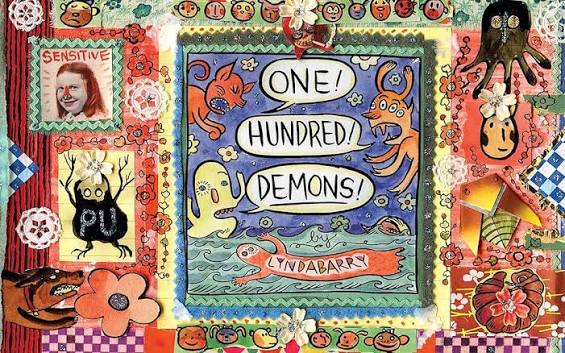
 [2002] Lynda Barry — "One! Hundred! Demons!"
        │  ↳ Establishes "autobifictionalography" using graphic vignettes and Zen exercises.
        │
 [2010] Jon Pineda — "Sleep in Me"
        │  ↳ Fuses poetic syntax with memoir to explore family tragedy and caregiving.
        │
 [2019] Grace Talusan — "The Body Papers"
        │  ↳ Integrates primary medical/immigration records into a looping, non-linear structure.
        │
 [2020] Meredith Talusan — "Fairest"
        │  ↳ Subverts traditional linear prose to critique fluid constructs of race and gender.
        │
 [2021] Patrick Rosal — "Atang"
        │  ↳ Conceives the book as a physical altar, combining collages, prayers, and poetry.
        │
 [2023] Jen Soriano — "Nervous"
        │  ↳ Connects neuroscience, epigenetics, and colonial history across 14 lyric essays.
        │
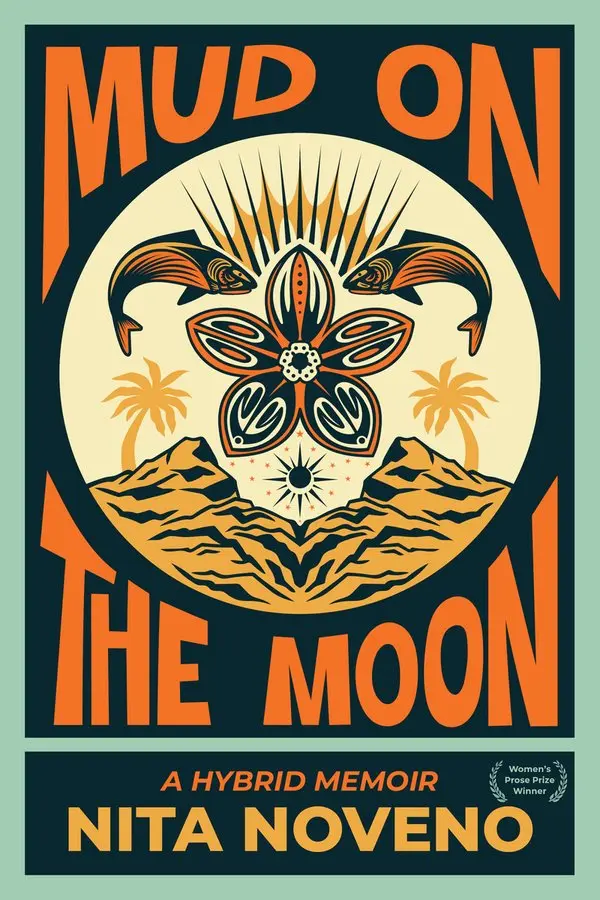
 [2026] Cinelle Barnes — "A Way Home" / Author's "Mud on the Moon"
        │  ↳ Examines memory loss, trauma recovery, and historical reimaginings.
========================================================================================
1946: The Foundational Ambiguity
Carlos Bulosan, America Is in the Heart
Published in 1946 by Harcourt Brace, Bulosan’s seminal text chronicles his upbringing in the Philippines, his journey to the United States, and the severe poverty, racism, and violence experienced by Filipino migrant laborers in the agricultural fields and canneries of the American West during the Great Depression. Although marketed as an autobiography, Bulosan notably categorized the work as fiction, blending his personal life with composite narratives of fellow laborers. This deliberate blurring of documentary reality and creative invention established a precedent for the hybridity that defines the genre today.
2002: Visual Hybridity and "Autobifictionalography"
Lynda Barry, One! Hundred! Demons!
Breakthroughs in visual nonfiction arrived with MacArthur Fellow Lynda Barry’s 2002 graphic memoir. Structured around a 16th-century Zen painting exercise, Barry coined the term "autobifictionalography" to describe her 17 full-color comic vignettes. Interweaving hand-lettered text, collage, and illustration, Barry explores childhood friendships, family folklore, racial identity, and mortality, questioning the boundaries between objective memory and artistic truth.
2010: The Poetics of Unspoken Grief
Jon Pineda, Sleep in Me
Published by the University of Nebraska Press, poet Jon Pineda’s memoir strips away formal narrative prose in favor of lyrical fragments. The text centers on his youth following a catastrophic car accident that rendered his older sister unable to walk or speak for five years prior to her death. Pineda expands the scope of personal grief to document his mother’s grueling caregiving duties and his father’s emotional withdrawal, relying on poetic syntax to articulate the limits of language in the face of familial tragedy.
2019–2020: Documenting the Body and Identity
Grace Talusan, The Body Papers (2019)
Winner of the Restless Books Prize for New Immigrant Writing, Talusan constructs her memoir using physical documents—immigration records, medical files, and family photographs—as load-bearing literary elements. Her narrative eschews a traditional chronological structure to examine undocumented status, childhood sexual abuse, family history, and hereditary cancer risk, mirroring the cyclical, non-linear nature of trauma and memory retrieval.
Meredith Talusan, Fairest (2020)
Published by Viking, Fairest presents an instructive contrast by using a clear, traditional narrative structure to depict profound fluidities of identity. The book follows Talusan’s journey from a childhood in the rural Philippines—where her albinism caused her to be perceived as white—through her education at Harvard and her transition as a trans woman. By maintaining classical prose style while detailing shifting perceptions of race, gender, and social class, the text demonstrates that conceptual radicalism can operate quietly within traditional literary forms.
2021: Deconstructing the Book as Sacred Artifact
Patrick Rosal, Atang
Released on the quincentenary of Lapu-Lapu’s victory over Ferdinand Magellan, poet Patrick Rosal’s book-length essay transforms the physical monograph into a conceptual altar (atang). Self-published without an ISBN or commercial distribution channels, the work combines poetry, photography, personal memory, historic archival analysis, and prayer. Rosal frame the dead as active co-creators of the text, dismantling traditional commercial models of publishing to privilege communal offering over market distribution.
2023–2026: Epigenetics, Recovery, and Reimagined Archives
Jen Soriano, Nervous (2023)
Soriano’s collection of 14 essays redefines chronic pain not as a bodily dysfunction, but as an historical archive of inherited trauma. The daughter of a Filipino neurosurgeon, Soriano merges neurobiology, epigenetics, and indigenous resistance histories to trace how imperial violence and migration are encoded into human biology. Her text advocates for relational activism and somatic ritual as essential components of collective healing.
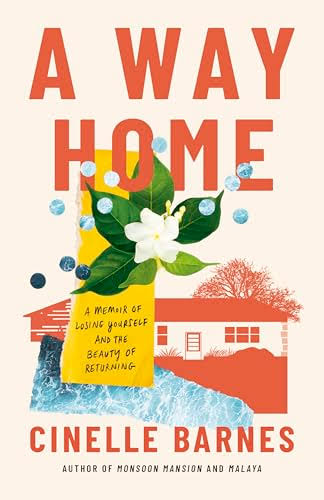
Cinelle Barnes, A Way Home (2026)
Barnes constructs a hybrid recovery narrative documenting her experience suffering a ruptured brain aneurysm while writing a travelogue in a cafe. The trauma erases her memories, identity, and personal relationships. The resulting text alternates between medical dispatches, immigrant travelogues, and reflections on her youth, undocumented years, and adoption, framing the act of writing as a vital process of somatic and psychological "re-membering."
Supporting Context & Analysis: The Anatomy of Narrative Refusal
The 60-Year Institutional Void
The absolute scarcity of published Filipino American memoirs between 1946 and the early 2000s points to deep systemic barriers within the American publishing industry. For decades, major houses prioritized singular, flattened narratives of immigrant assimilation that conformed to standard American dream tropes. Because early Filipino American experiences were heavily marked by colonial subjugation, migrant labor exploitation, and complex legal statutes (such as the "U.S. National" status during the territorial period), these stories resisted straightforward celebratory arcs.
The refusal to adopt standard linear structures is a deliberate aesthetic and political choice. As detailed in literary analyses, conventional Western memoirs often require a stable, unified subject operating within a predictable timeframe. However, for authors dealing with the legacies of Spanish and American colonization, martial law, and global labor diaspora, the self is inherently fragmented.
+----------------------------------------------------------------------------------+
|                   TAXONOMY OF FORMAL INNOVATIONS IN FILIPINX MEMOIR              |
+----------------------------------------------------------------------------------+
| Author           | Primary Innovation         | Structural Mechanism             |
+------------------+----------------------------+----------------------------------+
| Carlos Bulosan   | Autobiographical Fiction   | Composite characterization       |
| Lynda Barry      | Autobifictionalography     | Graphic vignettes & Zen collages |
| Jon Pineda       | Poetic Erasure/Fragments   | Lyric verse syntax in prose      |
| Grace Talusan    | Primary Archival Weaving   | Medical & immigration facsimiles |
| Meredith Talusan | Subversive Continuity      | Fixed prose for fluid identities |
| Patrick Rosal    | Liturgical / Altar Form    | Free distribution, non-ISBN      |
| Jen Soriano      | Somatic/Scientific Hybrid  | Epigenetics & lyric essay        |
| Cinelle Barnes   | Re-membering Dispatch      | Post-amnesia medical travelogue  |
+------------------+----------------------------+----------------------------------+
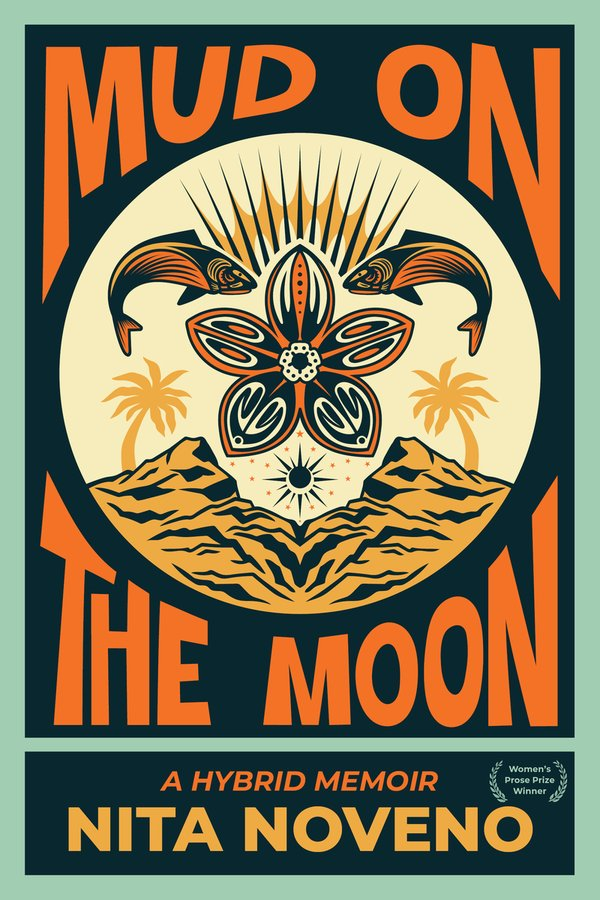
This structural experimentation extends to contemporary works such as Mud on the Moon, a hybrid memoir bridging personal narrative with a fictionalized reimagining of 1928 Filipino migration history. By refusing to isolate the individual self from historical, political, and ancestral contexts, Filipino American writers demonstrate that innovative form is essential to capturing complex cultural truths.
Critical Perspectives and Quotes
On the Blurring of Fiction and Truth
Writing on the legacy of America Is in the Heart, literary scholars emphasize how Carlos Bulosan’s decision to blend real-life encounters with imagined scenes served a crucial purpose:
"Bulosan blends autobiography with composite, fictionalized scenes built from the lives of the men around him, a choice that let him tell a truth no single life could contain. Eight decades later, that blurring between memoir and invention still runs through every book in this tradition."
On Body, Trauma, and Science
In Nervous, Jen Soriano directly challenges Western clinical models of trauma, recontextualizing bodily suffering as an embodied historical record:
"Soriano rejects the rigid model of the nervous system in favor of something more organic, what she calls ‘an album of waterways’… Drawing on neuroscience, epigenetics, and indigenous resistance movements, she traces how intergenerational trauma is inherited through story, memory, and the body’s own biology."
On the Conceptualization of the Book
Reflecting on the sacred and political function of literature, Patrick Rosal’s approach in Atang redefines the author-reader relationship:
"Rosal uses the form of an altar, an object made for offering and listening, to address colonialism, family, love, and loss, treating the dead as collaborators in the writing itself… [He] released it for free, with no ISBN or retail distribution… pushing hardest against the idea of what a memoir, or even a book, has to be."
Future Outlook
The trajectory of Filipino American nonfiction points toward an increasingly dynamic, boundary-pushing future. The academic codification of this movement—marked by the inclusion of dedicated memoir analyses in The SAGE Encyclopedia of Filipina/x/o American Studies—signals that hybrid literary forms are moving from the periphery to the center of contemporary American letters.
Looking ahead, several key trends are set to define the genre:
Integration of Specialized Disciplines: Works like Jen Soriano’s Nervous demonstrate a growing trend of merging hard sciences (neurobiology, epigenetics) with personal and historical storytelling.
Alternative Distribution and Decolonial Archives: Patrick Rosal’s Atang establishes a precedent for bypassing traditional publishing channels, treating books as sacred community objects rather than mere commodities.
Exploration of Memory and Neurodivergence: Future works, including Cinelle Barnes’s A Way Home, push the boundaries of life writing by exploring amnesia, brain trauma, and non-normative cognitive states.
As more writers embrace hybrid forms, the Filipino American memoir continues to challenge traditional expectations of autobiography. By refusing simple narrative resolutions, these authors are not merely asserting their place in American literature—they are fundamentally reshaping its possibilities.




Comments
Facebook App ID not configured. Please add it in the Customizer.