In the modern landscape of children’s literature, a quiet revolution is taking place on bookshelf shelves and classroom carpets alike. Early reader graphic novels—dynamically illustrated books tailored for children ages 3 and up, with a sweet spot right around ages 6 and up—have rapidly evolved from an alternative format into a cornerstone of early childhood literacy. Far from being "lesser" reading material, these books offer a robust, dual-coded framework that builds critical visual literacy alongside traditional text decoding skills.
In this comprehensive literary review, award-winning author Lydia Lukidis guest-curates a stellar list of ten exceptional graphic novel series designed to capture the imaginations of emerging and reluctant readers alike. Packed with humor, heart, and just the right amount of chaos, these series feature everything from party-throwing narwhals and panicking squirrels to brave axolotls and grouchy groundhogs.
To celebrate this vibrant literary movement, this feature also includes an exclusive giveaway for Groucho the Grouchy Groundhog, the second book in Lukidis’s hit series, alongside a deep dive into the broader pedagogical impacts of early graphic novels.
Detailed Chronology: The Evolution and Ascent of Early Reader Comics
The journey of the graphic novel from niche collector’s item to foundational educational tool did not happen overnight. Understanding its current dominance requires examining how publishing, education, and child development milestones converged over recent decades.
Phase One: The Stigma and the Shift (Late 20th Century)
For decades, comic books and graphic formats faced institutional skepticism. Educators and parents frequently dismissed them as "junk food" reading or distractions from "real books." However, developmental psychologists and reading specialists began to notice a persistent subset of children—particularly emerging and reluctant readers—who struggled to engage with text-heavy chapter books yet thrived when text and images worked in tandem.
Phase Two: The Visual Literacy Boom (Early 2000s)
As digital media saturated children’s daily environments, visual communication became paramount. Publishers responded by recognizing that children naturally parse complex visual information long before they master complex vocabulary. Groundbreaking early graphic series proved that panel layouts, speech bubbles, and sequential art could act as stepping stones, lowering the cognitive barrier to entry while maintaining sophisticated narrative arcs, emotional depth, and humor.
Today, early reader graphic novels occupy a prized tier in school libraries and classrooms. Programs like the "Acorn" imprint (Scholastic) and dedicated early reader graphic lines have institutionalized the format. Books featuring recurring characters like Narwhal and Jelly and Press Start! Super Rabbit Boy have become staples of classroom independent reading time. Rather than competing with traditional literacy, graphic novels are now celebrated as a vital bridge to lifelong reading habits, emotional intelligence, and narrative comprehension.
Supporting Context & Metrics: Why Early Graphic Novels Matter
The explosive popularity of early graphic novels is backed by robust educational theory and developmental metrics.
Dual-Coding Theory: Graphic novels leverage both visual and verbal channels to process information. When a child reads the word "panicking" while simultaneously viewing an illustrated squirrel frantically hyperventilating inside a color-coded panel, the brain creates dual memory traces, accelerating vocabulary retention and comprehension.
Decoding Made Accessible: For a 6-year-old reader, a standard 60-page chapter book can feel overwhelmingly dense. A graphic novel breaks text into manageable chunks—often just a sentence or two per panel. This formatting provides frequent punctuation points of success, keeping dopamine loops positive and minimizing reading fatigue.
Decoding Non-Verbal Cues: Visual literacy requires children to interpret facial expressions, body language, color palettes, and panel gutters (the space between panels that denotes the passage of time). These skills translate directly into enhanced emotional intelligence and social-awareness capabilities in the real world.
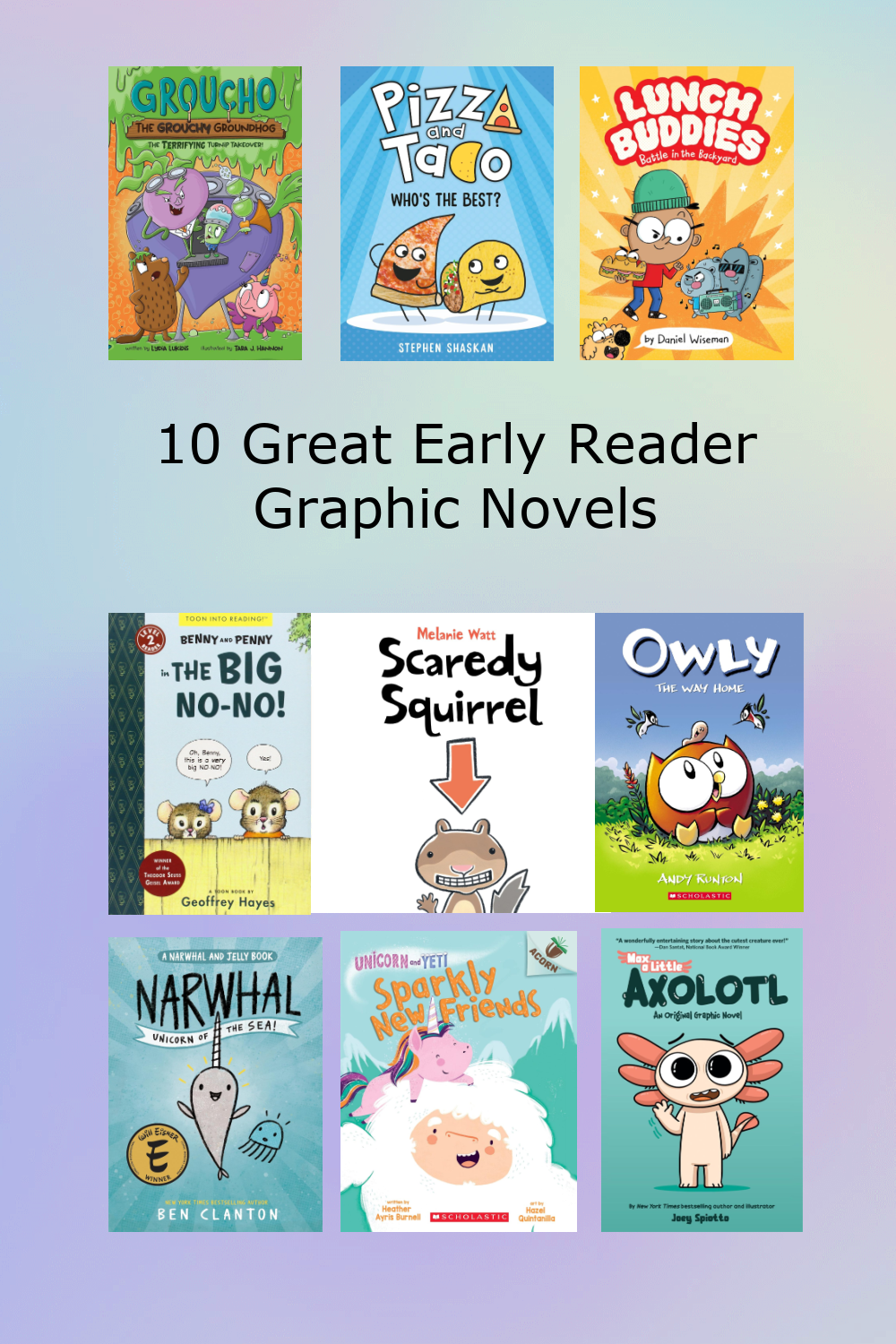
Curated List: 10 Great Early Reader Graphic Novels
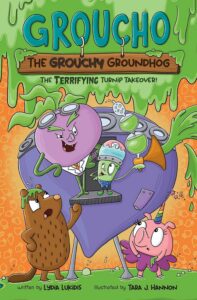
1. Groucho the Grouchy Groundhog by Lydia Lukidis, Illustrated by Tara J. Hannon
Target Audience: Early reader, ages 6 and up
The Premise: Written by our guest curator Lydia Lukidis, this series follows Groucho, a genuinely grumpy groundhog who finds himself dragged headfirst into a ridiculous, high-stakes pancake mystery within his chaotic town. Nothing ever goes according to plan, but as the situation spirals out of control, Groucho’s constant complaining paradoxically pairs with surprisingly clever problem-solving. In the end, he proves that even the most cantankerous hero can rise to the occasion and save the day.
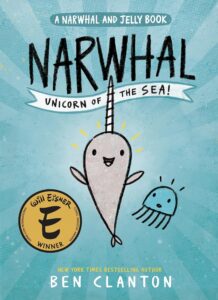
2. Narwhal and Jelly by Ben Clanton
Target Audience: Early reader, ages 5 and up
The Premise: A masterclass in character dynamics, this series pairs a perpetually cheerful, waffle-obsessed narwhal with a cautious, pragmatic jellyfish. As they explore the deep ocean together, their simple adventures overflow with warmth, curiosity, and gentle humor. Clanton’s brilliant pacing and minimalist dialogue make this an absolute favorite for kids just starting to read independently.
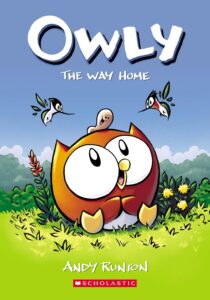
3. Owly by Andy Runton
Target Audience: Early reader, ages 5 and up
The Premise:Owly offers a uniquely serene and heartfelt reading experience. Featuring a gentle, kind-hearted owl navigating small woodland challenges, the series utilizes very little traditional text. Instead, Runton relies heavily on expressive visual storytelling, facial expressions, and body language to convey rich emotional landscapes, making it an exceptional tool for pre-readers and early readers developing visual literacy.
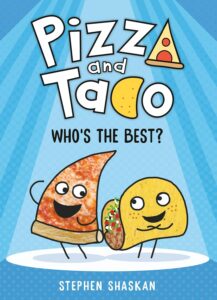
4. Pizza and Taco by Stephen Shaskan
Target Audience: Early reader, ages 6 and up
The Premise: Food has never been this funny or relatable. Best friends Pizza and Taco get into hilariously absurd debates and messy, everyday predicaments. Shaskan captures the authentic rhythm of childhood friendship—complete with silly arguments, quick reconciliations, and plenty of slapstick humor—all wrapped in clean, high-contrast panel art.
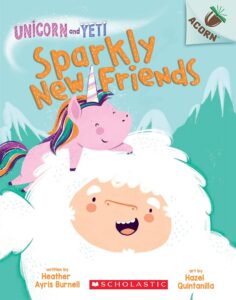
5. The Unicorn and Yeti by Heather Ayris Burnell, Illustrated by Hazel Quintanilla
Target Audience: Early reader, ages 5 and up
The Premise: Soft, kind, and emotionally resonant, this series introduces two magical creatures who celebrate their differences through quiet shared moments. Whether they are learning to ice skate or sharing a snack, Unicorn and Yeti model emotional intelligence, empathy, and active listening in a format tailored specifically for emerging readers.
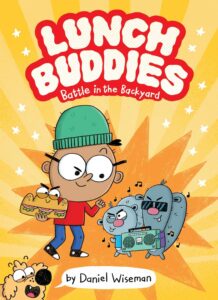
6. Lunch Buddies by Daniel Wiseman
Target Audience: Early reader, ages 6 and up
The Premise: What happens when everyday lunchbox items come to life and wage chaotic wars in the backyard? Daniel Wiseman’s Lunch Buddies is packed with high-octane energy, absurd humor, and fast-paced visual gags. It transforms the mundane school lunch experience into an epic, cinematic adventure that appeals heavily to high-energy readers.
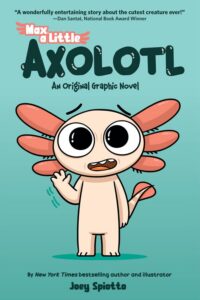
7. Max, a Little Axolotl by Joey Spiotto
Target Audience: Early reader, ages 7 and up
The Premise: Max is a small axolotl embarking on an expansive journey through an unfamiliar, wide world. As Max navigates new environments, themes of courage, resilience, and belonging gently unfold. Spiotto’s charming art style balances a sense of grand adventure with a deeply comforting emotional core.
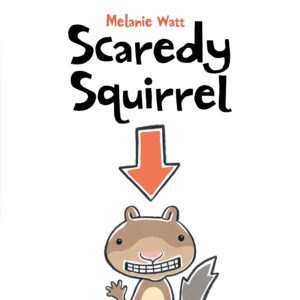
8. Scaredy Squirrel by Mélanie Watt
Target Audience: Early reader, ages 3 and up
The Premise: An absolute classic for the younger bracket of readers, Scaredy Squirrel follows an intensely anxious rodent who meticulously plans for every conceivable danger (including killer bees, green Martians, and sharks). When unexpected winds force him out of his comfort zone, he discovers that taking small, unplanned risks isn’t the end of the world. Watt blends laugh-out-loud humor with profound messages about managing anxiety.
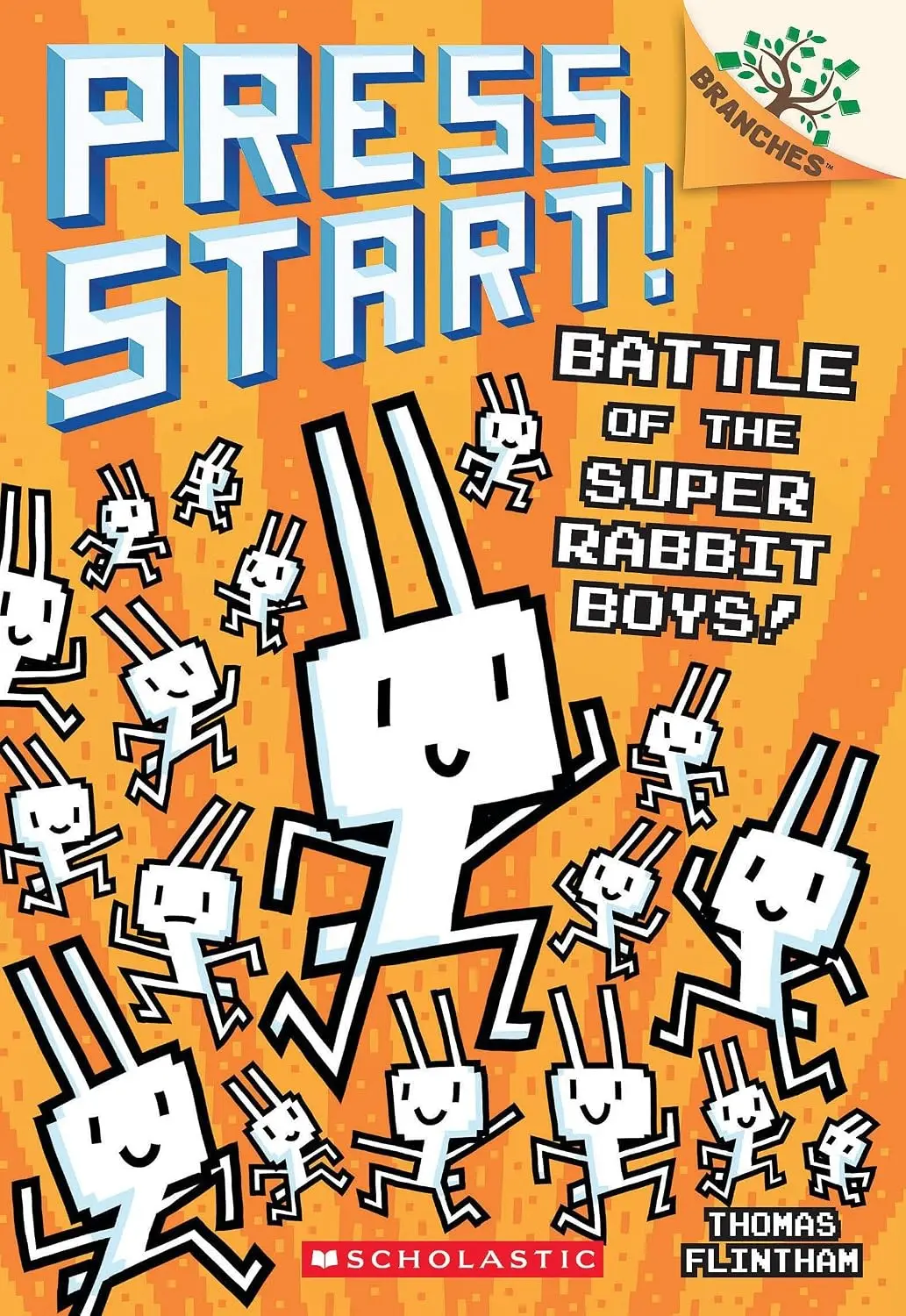
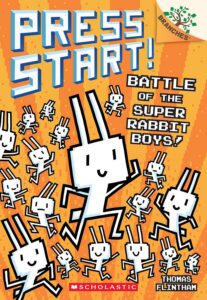
9. Press Start! Super Rabbit Boy by Thomas Flintham
Target Audience: Early reader, ages 5 and up
The Premise: Designed to mirror the exact look, feel, and rhythm of playing a classic video game, this series follows Super Rabbit Boy as he levels up, defeats boss monsters, and navigates obstacles. Flintham’s kinetic pacing and bright, neon-infused layouts ensure that reluctant readers stay hooked from the first page to the final boss battle.
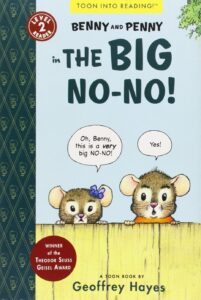
10. Benny and Penny by Geoffrey Hayes
Target Audience: Early reader, ages 4 and up
The Premise: Siblings Benny and Penny navigate the miniature dramas of their backyard world with astonishing emotional truth. From playground misunderstandings to sharing toys, Hayes captures childhood dynamics with profound warmth, gentle pacing, and a timeless artistic style.
Official Statements and Literary Perspectives
The creative minds behind these works emphasize that early graphic novels serve a vital purpose beyond mere entertainment.
Guest author and literary advocate Lydia Lukidis notes:
"Early graphic novels build visual literacy alongside traditional reading skills, helping kids decode meaning through both words and images. They’re hugely popular right now because they make reading feel fast, fun, and accessible—even for reluctant or emerging readers."
Lukidis, an award-winning author with over 60 trade and educational books to her name—including UP, UP HIGH: The Secret Poetry of Earth’s Atmosphere, DANCING THROUGH SPACE: Dr. Mae Jemison Soars to New Heights, and DEEP, DEEP, DOWN: The Secret Underwater Poetry of the Mariana Trench—remains a passionate advocate for children’s literacy. Through her active work in elementary school writing workshops across Quebec through the Culture in the Schools program, she witnesses firsthand how visual storytelling unlocks a passion for books in children who might otherwise feel intimidated by dense text.
Future Outlook
As the educational publishing sector continues to adapt to diverse learning styles and digital-age attention spans, the future of early reader graphic novels is exceptionally bright. Publishers are investing heavily in diverse characters, neurodivergent protagonists, and genres spanning non-fiction science, fantasy, and social-emotional learning.
By validating the role of sequential art in literacy development, parents, educators, and authors are dismantling old stigmas. Books like those curated by Lydia Lukidis ensure that the next generation of readers will enter the literary world with confidence, creativity, and a deep, abiding love for stories told in all their vivid dimensions.
Groucho the Grouchy Groundhog Giveaway!
Want to add some grumpy, pancake-loving charm to your home library? We are giving away a copy of Groucho the Grouchy Groundhog, the second book in Lydia Lukidis’s hilarious series!
How to Enter: Simply leave a comment below sharing your child’s (or your own) favorite graphic novel character.
Shipping Restrictions: Due to mailing logistics, this giveaway is restricted to U.S. and A.P.O. addresses only.





Comments
Facebook App ID not configured. Please add it in the Customizer.