
Executive Overview
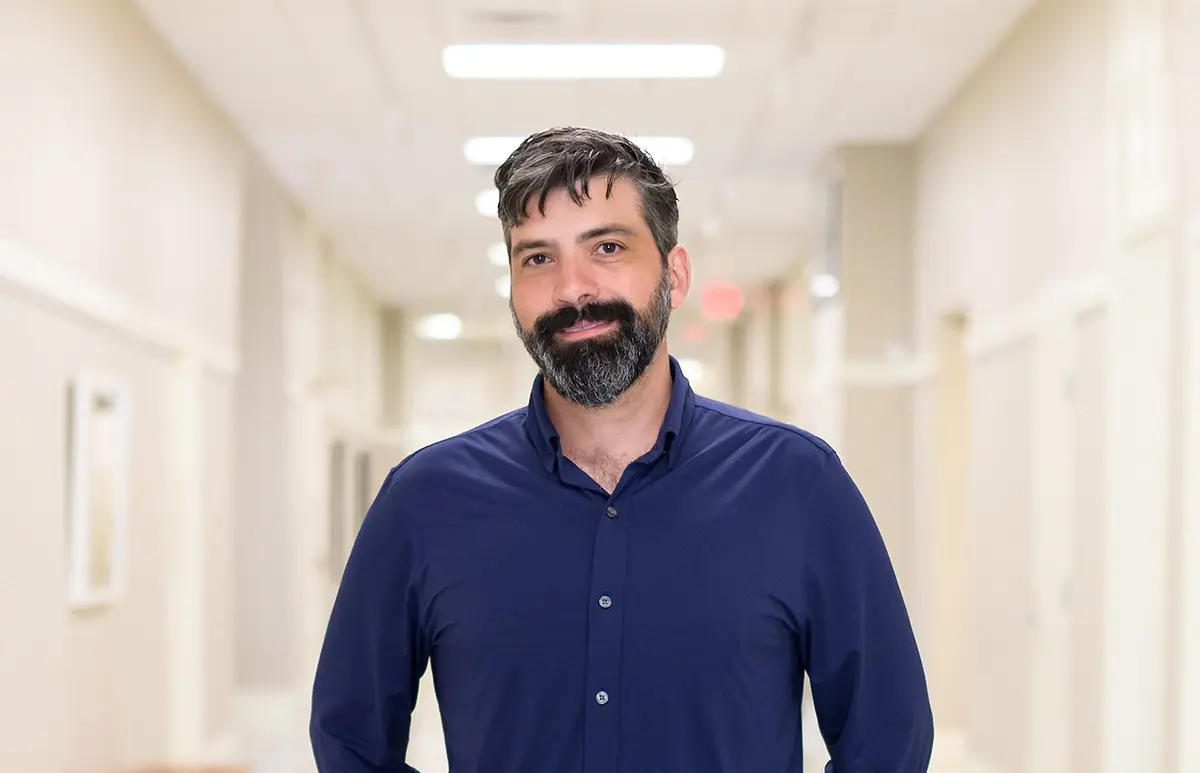
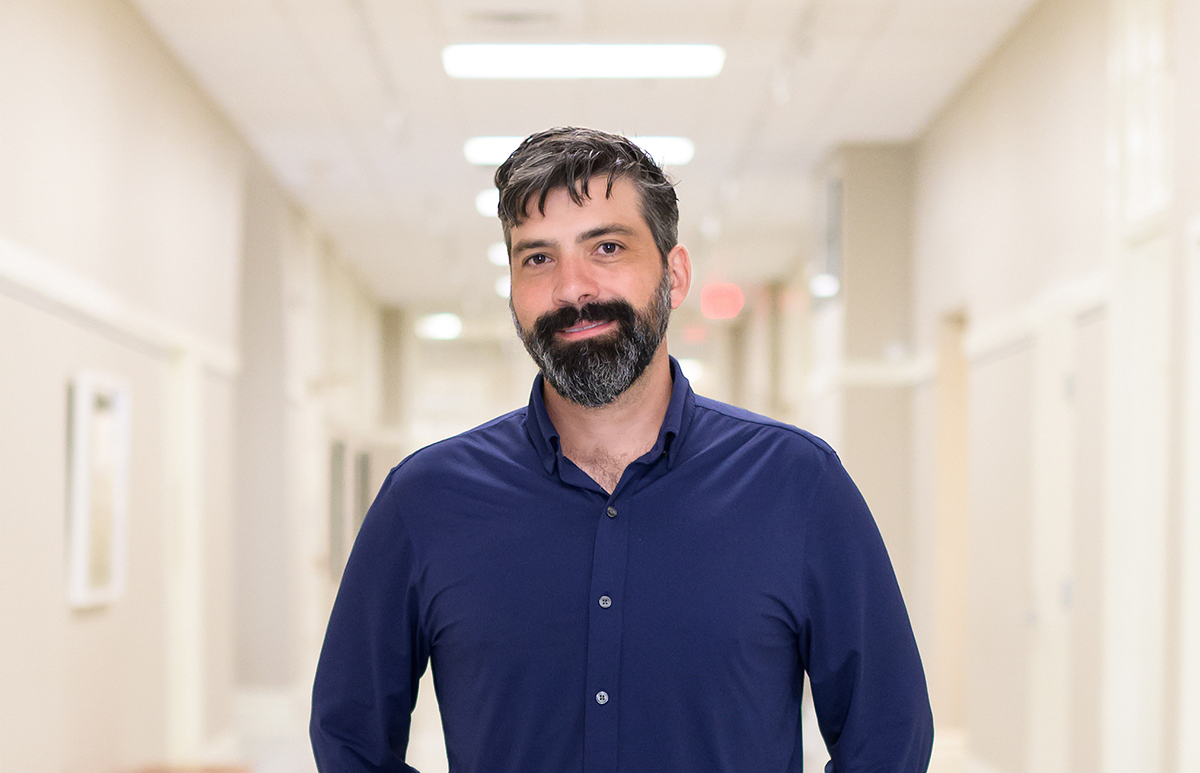
In an announcement that bridges the often-sundered realms of philosophy, psychology, and neuroscience, the MacArthur Foundation has named Dr. Felipe De Brigard as a recipient of its prestigious 2026 Fellowship. Commonly known as the "genius grant," the fellowship carries an unrestricted, no-strings-attached award of $800,000, distributed over five years. This highly coveted honor recognizes exceptionally creative individuals who have demonstrated a track record of achievement and a profound potential for future contributions.
For De Brigard, a professor of philosophy, psychology, and neuroscience at Duke University, the fellowship serves as a powerful validation of his pioneering work on human memory. As the principal investigator at the Imagination and Modal Cognition Lab, and a core faculty member at both the Duke Institute for Brain Sciences (DIBS) and the Center for Cognitive Neuroscience, De Brigard has spent his career dismantling long-held dogmas about how the human brain records, retains, and retrieves our personal past.
Rather than viewing episodic memory as a reliable recording device or a passive archival filing cabinet, De Brigard’s interdisciplinary investigations propose a radical alternative: memory is an inherently constructive, imaginative process. His empirical research demonstrates that recalling the past is functionally intertwined with simulating the future and imagining counterfactuals—what "could have been." By reframing memory distortions not as system errors, but as adaptive features of a flexible cognitive mechanism designed for hypothetical thinking, De Brigard is reshaping cognitive science. Furthermore, his recent field-defining work on memory and forgiveness in victims of political violence in his native Colombia underscores the profound societal and moral implications of his theories.
Read Also
De Brigard’s selection is also a landmark moment for the academic discipline of philosophy. He is the first philosophy faculty member to be awarded a MacArthur Fellowship since philosopher Elizabeth Anderson of the University of Michigan received the honor in 2019. This distinction highlights the vital, empirically grounded contributions that modern philosophers are making to the cognitive sciences.
Detailed Chronology: From Philosophical Inquiry to Cognitive Breakthroughs
To understand the magnitude of Felipe De Brigard’s contributions, one must trace the evolution of his academic trajectory, which has consistently pushed against the boundaries of traditional academic silos.
The Traditional Paradigm and Its Discontents
For generations, the prevailing consensus within cognitive psychology and neuroscience conceptualized episodic memory through an archival lens. Under this classical framework, the brain was thought to operate much like a video camera or a hard drive. Experiences were encoded, stored in neural networks, and subsequently retrieved to allow an individual to mentally travel backward in time.
Within this archival model, discrepancies, distortions, and confabulations—instances where memory misrepresents reality—were viewed as malfunctions. Researchers assumed these errors were the result of cognitive decay, interference, or the brain intentionally modifying information to fit present-day pragmatic needs.
De Brigard, however, began questioning these foundational assumptions early in his career. Trained at the intersection of analytic philosophy and cognitive science, he recognized that the brain’s structural architecture did not support the passive archive model. Why, he asked, would an evolutionary system devote immense metabolic resources to storing pristine, objective recordings of the past when survival relies on anticipating and navigating an unpredictable future?
Proposing the Constructive and Imaginative Model
De Brigard’s breakthrough came when he hypothesized that episodic memory is not a distinct, isolated cognitive module for looking backward, but rather a subprocess of a much broader, highly integrated cognitive system dedicated to modal cognition—the capacity to think about what is possible, what could have been, and what might happen next.
To test this hypothesis, De Brigard and his collaborators turned to advanced neuroimaging and behavioral experiments. Using functional magnetic resonance imaging (fMRI), his team investigated what happens in the human brain when individuals engage in episodic memory retrieval versus when they imagine alternative pasts (counterfactual thinking) or project themselves into plausible future scenarios.
The results were astonishing. The neural networks activated when people imagined how episodes from their past could have unfolded differently showed a striking, near-complete overlap with the brain regions traditionally associated with retrieving authentic episodic memories. Specifically, core nodes of the "default mode network"—including the medial temporal lobe, the hippocampus, and regions of the prefrontal cortex—fired dynamically during both tasks.
This empirical discovery led De Brigard to reframe memory distortions. What cognitive scientists once labeled as errors or failures of memory are, in his view, foundational features of a system specifically engineered for flexible mental simulation. By being constructive rather than reproductive, memory allows humans to recombine elements of past experiences to simulate novel, hypothetical scenarios. This adaptive flexibility is what permits human beings to learn from mistakes, plan for contingencies, and evaluate moral dilemmas.
Mapping the Nuances of Hypothetical Thinking
Never content with a single overarching theory, De Brigard’s lab pushed the investigation further. Through a series of carefully controlled behavioral and neuroimaging studies, he demonstrated that our capacity for hypothetical thinking is not a monolithic, unified process.
Instead, De Brigard discovered that different types of counterfactual and modal thoughts engage distinct, fine-grained neural architectures. For instance, imagining alternatives that directly involve the self triggers slightly different activation patterns compared to imagining alternatives focused on external objects. Similarly, the brain processes plausible, likely alternatives through neural pathways that are distinct from those utilized when contemplating wild, implausible counterfactuals. These granular discoveries have provided cognitive neuroscientists with a much more sophisticated map of how the human mind constructs counterfactual realities.
Bridging Memory, Trauma, and Forgiveness
In recent years, De Brigard’s research has expanded from laboratory settings into the complex realities of human suffering and social healing. Recognizing that memory’s constructive nature has profound implications for everyday human experience, De Brigard initiated a groundbreaking line of research examining the relationship between memory and forgiveness.
Partnering with communities affected by political violence in his native Colombia, De Brigard and his interdisciplinary team combined controlled laboratory experiments with field research. They sought to answer a deeply sensitive question: How does the act of forgiving alter the neural and psychological representation of a deeply harmful event?
The findings challenge intuitive assumptions about trauma and reconciliation. De Brigard’s data revealed that forgiving a perpetrator does not erase or alter an individual’s memory of the content of the harmful event; the factual details remain intact. However, the act of forgiveness fundamentally changes the emotional charge of that memory. Over time, individuals who have forgiven exhibit reduced emotional intensity and diminished negativity when recalling the trauma.
This research bridges the gap between basic cognitive neuroscience and moral philosophy, offering empirical insights into how humans achieve emotional liberation and how societies can engage in moral repair and social healing after collective atrocities.
Supporting Context & Metrics: The Interdisciplinary Ecosystem at Duke
Felipe De Brigard’s achievements do not occur in a vacuum; they are the product of a uniquely collaborative academic ecosystem at Duke University that actively breaks down institutional barriers between the humanities and the hard sciences.
The Power of Interdisciplinary Infrastructure
The MacArthur Foundation’s citation explicitly highlights De Brigard’s ability to integrate "tools and frameworks from philosophy, psychology, and neuroscience in theoretical and empirical investigations." Achieving this level of synthesis requires institutional backing, which Duke University has systematically cultivated.
- The Imagination and Modal Cognition Lab (IMCLab): As principal investigator, De Brigard leads a diverse team of researchers, graduate students, and postdoctoral fellows who utilize behavioral experiments, psychophysiological measures, and neuroimaging to explore the cognitive mechanisms underlying imagination, memory, and counterfactual thinking.
- The Duke Institute for Brain Sciences (DIBS): Serving as core faculty, De Brigard operates within a university-wide hub that brings together neuroscientists, engineers, physicians, and social scientists to tackle complex questions about brain function and human behavior.
- The Center for Cognitive Neuroscience: This center provides the high-performance fMRI and neurodiagnostic infrastructure essential for De Brigard’s empirical investigations into the default mode network and episodic simulation.
The Rarity of Philosophical Recognition by the MacArthur Foundation
To fully appreciate the weight of De Brigard’s 2026 fellowship, one must look at historical trends within the MacArthur Fellows Program. While scientists, artists, writers, and social activists are frequently recognized, working academic philosophers are rarely selected.
When Elizabeth Anderson won the fellowship in 2019 for her work in moral, political, and social philosophy, it was hailed as a major victory for the humanities. De Brigard’s win as a philosopher who actively engages in empirical neuroscience marks a significant evolution. It signals that the MacArthur Foundation recognizes philosophy not merely as an armchair discipline of abstract logic, but as an active, empirical participant in the scientific quest to understand the human mind.
Official Statements and Academic Reception
The announcement of De Brigard’s fellowship sent waves of celebration across Duke University and the broader international academic community. Colleagues, institutional leaders, and cognitive science organizations have lauded the recognition as both a personal triumph for De Brigard and a watershed moment for interdisciplinary research.
In its official prize announcement, the MacArthur Foundation underscored the transformative nature of his work:
"Felipe De Brigard is a philosopher and cognitive scientist reshaping our understanding of the nature and function of memory. He integrates tools and frameworks from philosophy, psychology, and neuroscience in theoretical and empirical investigations into how memory relates to other cognitive functions, such as causal and moral judgement, imagination, and forgiveness."
Duke University administrators have similarly emphasized how De Brigard embodies the institution’s core mission of boundary-crossing inquiry. Faculty peers across international departments of philosophy and cognitive science have praised his ability to translate dense philosophical inquiries about personal identity and modal logic into testable, falsifiable empirical hypotheses.
Furthermore, the implications of his work in Colombia have drawn praise from human rights advocates and peacebuilding organizations, who note that bridging cognitive science with grassroots psychological healing offers new pathways for post-conflict reconciliation.
Future Outlook: Where the $800,000 "Genius Grant" Leads
With the security of an unrestricted $800,000 award and the immense visibility of the MacArthur Fellowship, Felipe De Brigard stands at an exciting professional crossroads. While the fellowship comes with no specific reporting requirements or deliverables—allowing recipients complete autonomy to pursue their intellectual curiosities—the trajectory of his current research points toward several groundbreaking frontiers.
Expanding the Imagination and Modal Cognition Lab
The financial flexibility of the grant will allow the IMCLab to scale up its operations. De Brigard plans to expand his laboratory’s technical capabilities, incorporating more sophisticated longitudinal tracking studies and cross-cultural analyses of memory construction. By investigating how different cultural frameworks influence the balance between episodic memory and future simulation, his team hopes to uncover universal versus culturally mediated aspects of modal cognition.
Deepening Fieldwork in Transitional Justice
Building upon his ongoing research with victims of political violence in Colombia, De Brigard aims to deepen the integration of cognitive science into transitional justice frameworks. As societies around the globe grapple with the aftermath of civil conflicts, authoritarian rule, and collective trauma, understanding the neurobiological and psychological mechanisms of forgiveness and memory modulation could inform clinical interventions, psychological first aid, and public reconciliation programs.
Bridging Artificial Intelligence and Human Memory
Another burgeoning area of interest for cognitive scientists working at the intersection of philosophy and neuroscience is the comparison between human episodic memory and artificial intelligence architectures. Current generative AI systems often "hallucinate"—generating fabricated information presented as fact. Because De Brigard has demonstrated that human memory errors are not malfunctions but features of a system optimized for simulation and flexible recombination, his theoretical frameworks could offer profound insights for computer scientists striving to build more adaptive, creative, and context-aware artificial intelligence systems.
A Continuing Legacy in Integrative Scholarship
Ultimately, Felipe De Brigard’s MacArthur Fellowship is a testament to the power of intellectual fearlessness. By refusing to let disciplinary boundaries dictate the scope of his curiosity, he has permanently altered how science conceptualizes the past, the present, and the realm of the possible. As he embarks on this next chapter with the support of the MacArthur Foundation, the academic world watches with eager anticipation to see what new dimensions of the human mind he will illuminate next.




Comments
Facebook App ID not configured. Please add it in the Customizer.