
Executive Overview
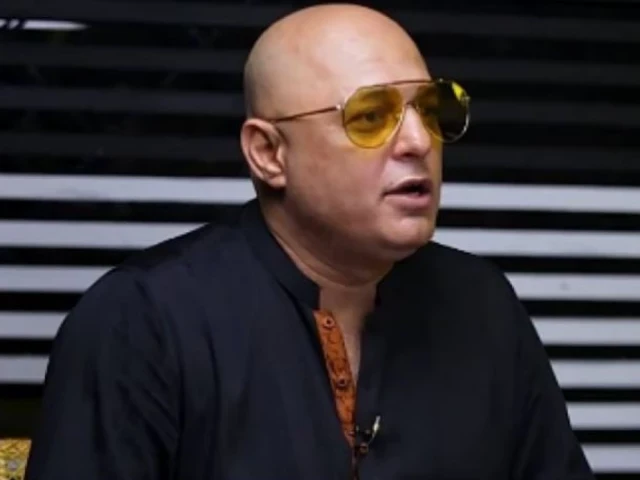
In an era defined by elaborate twelve-step skincare routines, multi-stage K-beauty regimens, and bathroom shelves groaning under the weight of expensive serums, cleansers, and anti-aging treatments, renowned Pakistani rock icon Ali Azmat has thrown a curveball into modern consumer culture. During a recent appearance on Tabish Hashmi’s wildly popular comedy and talk show, Hasna Mana Hai, the former lead vocalist of the legendary Sufi-rock band Junoon offered fans an unexpectedly intimate—and startlingly rustic—glimpse into his personal grooming habits.
According to Azmat, his personal-care arsenal is stripped down to the absolute bare essentials. Aside from basic soap and a tube of toothpaste, his bathroom is virtually devoid of the commercial lotions and potions that populate most modern households. However, the revelation that truly shocked both the studio audience and social media users alike was not the lack of products, but rather the application method: the veteran musician confessed that he does not use a toothbrush, opting instead for his index finger to maintain oral hygiene.
While the statement was delivered with Azmat’s trademark irreverence and dry wit, it quickly transcended late-night television banter to spark a broader cultural conversation. Across digital platforms, the interview ignited a polarized debate regarding modern consumerism, chemical-heavy cosmetics, and the shifting paradigms of personal hygiene. For Azmat, this minimalist lifestyle is rooted in a lifelong personal aversion to synthetic chemicals—a philosophy that he now finds himself actively defending at home as his teenage daughters navigate the modern world of beauty trends and skincare obsession.
Read Also
This report examines the details of Azmat’s unconventional disclosure, contextualizes his anti-chemical stance within broader global shifts toward lifestyle minimalism, and explores the generational friction between traditional simplicity and the modern beauty economy.
Detailed Chronology
The Late-Night Revelation on Hasna Mana Hai
The episode of Hasna Mana Hai, hosted by comedian Tabish Hashmi, aired to a high-engagement audience accustomed to candid revelations from public figures. Yet, few anticipated that the conversation would steer into the territory of domestic hygiene and bathroom inventories.
When Hashmi steered the dialogue toward lifestyle habits and daily routines, Azmat spoke candidly about his disdain for clutter and excess. Asked to describe the contents of his bathroom, the rockstar offered a description that baffled viewers.
"In my bathroom, I just have soap and a toothpaste," Azmat stated casually.
Sensing an opportunity for comedic elaboration, the host probed further into the mechanics of the singer’s daily routine. It was then that Azmat delivered the definitive surprise: "Not even a toothbrush, I use my finger."
The studio audience erupted into a mix of laughter and disbelief, uncertain whether the statement was a tongue-in-cheek joke typical of the rock musician or a genuine confession of radical lifestyle minimalism. Subsequent comments from the artist, however, made it clear that his routine, while eccentric, is entirely deliberate.
The Anti-Chemical Philosophy
Elaborating on the rationale behind his sparse bathroom counter, Azmat articulated a deep-seated skepticism toward the chemical formulations that dominate the personal-care market. For decades, the singer has cultivated a public persona that prizes rugged authenticity over polished artifice—a trait that famously defined Junoon’s pioneering genre of Sufi-rock in the 1990s.
This anti-establishment ethos appears to extend far beyond his musical output and into his domestic choices. Azmat explained that he actively avoids products containing synthetic ingredients, preservatives, and artificial fragrances, which he views as unnecessary and potentially harmful additions to daily life.
Generational Friction: Parenting in the Age of Skincare Obsession
While Azmat may have successfully purged his own bathroom of superfluous items, his minimalist philosophy faces a formidable challenge on the home front: his growing daughters.
During the broadcast, the singer offered a humorous yet revealing look into the domestic battles he faces as a father. With his daughters now aged 13 and 14, Azmat finds himself on the front lines of a cultural war between his aversion to chemicals and his children’s burgeoning interest in modern skincare, beauty trends, and cosmetic products.
"For me, it is a big exam that my daughters, who are now growing up and are 13-14 years old, they are obsessed with products and wanting certain creams," Azmat confessed, painting a vivid picture of a modern household divided along generational lines.
To illustrate the magnitude of this domestic ideological clash, Azmat recounted a recent family shopping excursion in Canada. Caught in the crossfire of teenage consumer enthusiasm, the rockstar conceded defeat to his daughters and their mother, yielding to a substantial expenditure on personal-care items.
"When I was in Canada, they and their mom made me get 1,000-to-2,000 money worth of chemicals," he joked, using hyperbolic language to describe the eye-watering cost and sheer volume of products added to the shopping cart.
Supporting Context & Metrics
The Modern Personal-Care Economy vs. The Minimalist Backlash
To fully appreciate the cultural resonance of Ali Azmat’s statements, one must examine the macroeconomic landscape of the global beauty and personal-care industry. According to recent market research data from major financial institutions and industry trackers:
- Global Market Valuation: The global beauty and personal-care market surpassed $550 billion, with projections indicating steady compound annual growth rates (CAGR) exceeding 5% through the end of the decade.
- The Rise of Skincare Dominance: Skincare products—including serums, active-ingredient toners, and specialized moisturizers—represent the fastest-growing sector within the industry, heavily driven by digital marketing on platforms like TikTok and Instagram.
- The Youth Demographic: Market metrics indicate that consumers aged 13 to 25 are entering the skincare market earlier than any previous generation. The influence of "skinfluencers" has driven pre-teens and teenagers to adopt complex multi-product regimens.
Against this backdrop of hyper-consumerism, a counter-movement has steadily gained traction. Known variously as "skinimalism," "radical minimalism," or the "back-to-basics" movement, this cultural current rejects the endless accumulation of products in favor of simplified routines, water-only cleansing, and a return to traditional, low-impact habits.
Azmat’s confession, while extreme in its rejection of the humble toothbrush, taps directly into this subterranean cultural fatigue. Millions of consumers worldwide feel exhausted by the relentless marketing pressure to purchase specialized items for every millimeter of the human body. By openly admitting to a two-item bathroom inventory, Azmat inadvertently champions an extreme form of anti-consumerism that resonates with those weary of modern lifestyle inflation.
The Dental Perspective: Finger vs. Brush
From a public health and dental hygiene standpoint, Ali Azmat’s admission regarding his reliance on his index finger rather than a toothbrush generated considerable professional curiosity.
Dental associations worldwide universally recommend the use of soft-bristled toothbrushes (manual or electric) in conjunction with fluoride toothpaste, emphasizing that bristles are scientifically engineered to reach the interproximal spaces between teeth and the gum line—areas notoriously difficult to clean effectively with a bare finger.
However, anthropological and historical studies note that finger-brushing (using tools such as miswak twigs or simply fingers with abrasive powders or soaps) has deep roots in various cultures globally. While modern periodontists strongly caution against abandoning the toothbrush—citing risks of plaque accumulation, gingivitis, and periodontal disease—Azmat’s routine highlights a persistent human resistance to industrialized health gadgets in favor of primitive simplicity.
Official Statements & Public Reception
Social Media Fallout
As clips from the Hasna Mana Hai interview circulated across X (formerly Twitter), Instagram, and YouTube, public reaction was sharply divided between amusement, disbelief, and a strange sense of solidarity.
- The Humorists: A significant portion of social media users treated the revelation as classic late-night comedy fodder. Memes circulated rapidly, juxtaposing images of Azmat’s high-energy rock performances with satirical product endorsements for finger-cleaning techniques.
- The Health Skeptics: Dental professionals and hygiene advocates took to comment sections to voice concern, warning fans against mimicking the rockstar’s toothbrush-free lifestyle. "Soap, toothpaste, and a finger may work for a rock legend, but your gums will not thank you," noted one prominent dental influencer in a breakdown of the interview.
- The Minimalists: Conversely, a vocal contingent of users praised Azmat for his refreshing lack of pretense. In an industry where public figures routinely endorse expensive, scientifically dubious wellness regimens and cosmetic procedures, Azmat’s unapologetic embrace of soap and a finger stood out as a marker of authentic eccentricity.
Industry Observers on Celebrity Influence
Cultural commentators noted that Azmat’s remarks underscore a broader shift in how audiences consume celebrity confessions. In an age where highly curated Instagram feeds project an illusion of flawless, product-dependent perfection, raw and bizarre personal admissions from legacy artists carry a unique form of cultural currency.
"Ali Azmat represents an older generation of rock stars who simply do not care about maintaining a sanitized, focus-group-tested public image," remarked one cultural critic based in Lahore. "Whether his hygiene habits are advisable is entirely beside the point; the value lies in the absolute rejection of bourgeois domesticity."
Future Outlook
As the dust settles on Ali Azmat’s viral television appearance, the long-term implications of his comments are likely to manifest primarily in the ongoing cultural discourse surrounding parenting, aging, and consumer habits.
Navigating the Dad vs. Daughter Dynamic
For Azmat personally, the immediate future holds a continuation of the domestic negotiations playing out in his household. As his daughters—now navigating the complex social pressures of early adolescence—deepen their engagement with the modern beauty economy, the singer will undoubtedly face further "exams" in the form of shopping trips, skincare debates, and bathroom counter real estate battles. Whether he can successfully convert his teenagers to his anti-chemical philosophy remains highly doubtful, but the comedic potential of their household dynamic is assured.
The Broader Cultural Trajectory
On a macro level, Azmat’s remarks serve as a fascinating cultural artifact of the tensions defining contemporary life. As technology, commerce, and digital marketing push society toward hyper-specialization and endless consumption, figures like Azmat—who stubbornly cling to the absolute bare minimum—act as eccentric anchors to a simpler past.
Whether his rejection of the toothbrush inspires a wave of minimalist converts or simply remains a bizarre anecdote in the annals of Pakistani television history, one thing is certain: Ali Azmat continues to march to the beat of his own drum—even if that drum requires nothing more than a bar of soap, a tube of paste, and a finger.





Comments
Facebook App ID not configured. Please add it in the Customizer.