
Executive Overview
As the Pakistani film industry—colloquially known as Lollywood—continues its arduous yet inspiring renaissance, filmmakers are constantly searching for formulas that balance commercial viability with cultural authenticity. Enter Mango Jatt, an eagerly awaited, high-octane feature film that promises a potent blend of high-energy action, laugh-out-loud comedy, vibrant romance, and deeply rooted Punjabi cultural aesthetics. Slated for a simultaneous theatrical release across Pakistan and international markets on October 16, the project has already generated significant buzz following a festive, star-studded music launch in Karachi.
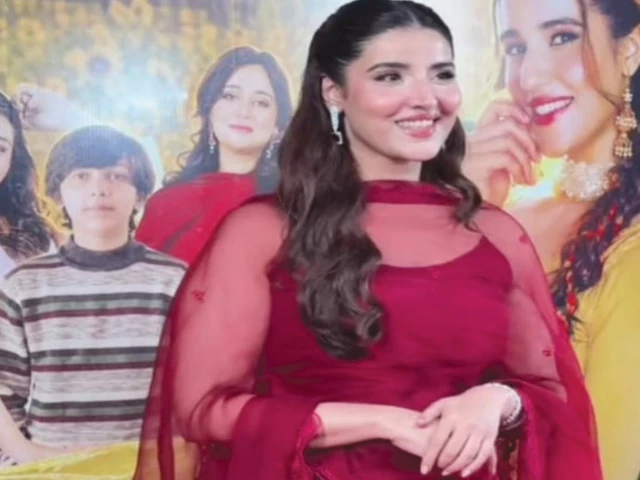
At the helm of this cinematic venture as both a leading actor and producer is the dynamic Hareem Farooq, who, alongside co-starring heavy-hitter Faysal Quraishi, is championing a progressive vision for regional storytelling. During an exclusive interview with The Express Tribune at the Karachi launch event, Farooq delivered a rallying cry for borderless cinema within the nation: "Film is for all of Pakistan, not just Punjab."
Directed by Abu Aleeha and featuring a powerhouse ensemble cast including Shamoon Abbasi, Qaiser Piya, Honey Albela, Hassan Murad, and Ayesha Jahanzeb, Mango Jatt transcends the traditional boundaries of regional language films. By combining universal themes of romance, ethical nuances like consent, and top-tier entertainment, the production team aims to unite audiences from Karachi to Khyber under a shared cultural umbrella. This report provides a comprehensive examination of the film’s trajectory, production hurdles, artistic vision, and its potential impact on the evolving landscape of Pakistani cinema.
Read Also
Detailed Chronology: From Production Hurdles to the Karachi Prelude
The journey of Mango Jatt from concept to silver screen has been anything but linear. Like many ambitious cinematic projects in Pakistan, the film’s lifecycle has been marked by daunting logistical challenges, shifting timelines, and moments of profound creative uncertainty.
The Genesis and Principal Photography
The conceptualization of Mango Jatt began with a desire to create a wholesome, family-friendly entertainer that leans into the rich traditions of Punjabi folklore while modernizing the narrative for contemporary audiences. Helmed by director Abu Aleeha, known for his distinct pacing and genre versatility, the production required an immense physical and emotional investment from its cast and crew.
Principal photography was a grueling test of endurance. Speaking candidly at the Karachi music launch, producer Hareem Farooq detailed the strenuous conditions under which the team labored. From battling punishing seasonal extremes—sweltering summer heats to biting winter colds—to executing complex, physically demanding action sequences, the production pushed its personnel to the absolute limit.
Despite these trials, a fierce sense of camaraderie emerged on set. Farooq noted that every single actor and crew member approached the project with absolute dedication. When logistical bottlenecks and industry-wide uncertainties threatened to derail the production entirely, the team chose collective resilience over despair. For Farooq, the mere fact that the film survived these trials to reach its theatrical premiere represents a monumental personal and professional victory.
The Karachi Music Launch: Bridging Regional Divides
As the October 16 release date drew near, the promotional campaign kicked into high gear with a festive music launch hosted in Karachi. For Farooq, bringing the promotional tour to Pakistan’s commercial hub was non-negotiable. She emphasized that her journey as a producer would remain incomplete without the validation and warmth of Karachi’s audience, a city that has consistently supported her career milestones.
The event served as a cultural bridge, showcasing a soundtrack that marries traditional folk instrumentation with modern cinematic beats. The highlight of the evening was the unveiling of the film’s dynamic audio-visual assets, which immediately elevated public anticipation and set a high bar for what audiences can expect when the film hits theatres worldwide.
Supporting Context & Metrics: Redefining the Scope of Punjabi Cinema in Pakistan
To understand the cultural significance of Mango Jatt, one must examine the broader socio-cultural dynamics of Pakistan’s film industry. Historically, regional language films—particularly those in Punjabi and Pashto—have often been boxed into rigid geographic or demographic categories. While Pashto cinema has historically catered heavily to local frontier markets, Punjabi cinema has frequently oscillated between high-budget "Gandasa-culture" action epics and localized, low-brow comedies.
Dismantling Linguistic and Regional Silos
Hareem Farooq’s explicit assertion that "Film is for all of Pakistan, not just Punjab" strikes at the heart of a long-standing structural challenge in Pakistani media distribution. Linguistic diversity in Pakistan is immense, yet language has occasionally acted as an artificial barrier to pan-national box office success.
By positioning Mango Jatt as a cross-cultural entertainment vehicle, the makers are challenging audiences to look beyond linguistic differences and engage with the emotional core of the storytelling. Just as South Indian cinema has successfully captured nationwide and global audiences in India regardless of language barriers through subtitles and universal themes, Pakistani filmmakers are recognizing that high production values, engaging scripts, and stellar star power can easily cross provincial lines.
The Powerhouse Ensemble and Creative Blueprint
The film’s strategic casting plays a pivotal role in its broad appeal. Faysal Quraishi, a titan of Pakistani television drama and cinema, brings an immense fan following that spans generations and geographic territories. Paired with Hareem Farooq—an actor-producer known for selecting socially relevant and commercially viable scripts (Heer Maan Ja, Parchi)—the lead pairing guarantees both dramatic weight and undeniable box-office pull.
Furthermore, the inclusion of seasoned character actors and comedy heavyweights such as Shamoon Abbasi, Qaiser Piya, Honey Albela, Hassan Murad, and Ayesha Jahanzeb ensures that the film possesses narrative depth, rich subplots, and widespread comedic appeal. Director Abu Aleeha’s stewardship ensures that these diverse talents are woven into a cohesive, fast-paced cinematic experience.
Official Statements & Creative Insights
The promotional campaign for Mango Jatt has provided deep insights into the creative philosophies driving the project. Both leading stars and producers have articulated clear artistic intentions, emphasizing family values, modern storytelling, and emotional resonance.
Hareem Farooq on Resilience and Inclusivity
Reflecting on her dual role as producer and lead actor, Hareem Farooq offered a transparent look into the vulnerabilities and triumphs of independent filmmaking in Pakistan:
"There were so many challenges that, at one point, I thought I did not know whether the film would even happen. I left everything to Allah. The fact that we are standing here today, celebrating it and preparing to show it to audiences, is a success for me."
Farooq also highlighted the collaborative spirit that sustained the project through its darkest production phases:
"I will be honest. Every actor who worked with me on the set gave their heart to the project. When we all came together, everyone would ask what needed to be done. We shot some very difficult scenes, worked in the heat and cold, and everyone worked extremely hard. We worked together as a team."
Addressing the core message of the film, she urged audiences to approach the project with open minds:
"My message is that people should watch this film with an open heart. It is for all of Pakistan. Just because it is a Punjabi film does not mean it is only for Punjab. It is a film for the entire country."
Faysal Quraishi on Family Entertaining, Romance, and Consent
Veteran actor Faysal Quraishi shared his excitement during the music launch, noting the agonizingly sweet wait for the film’s release—a sentiment echoed by his own household:
"We have been waiting for this like anything. My wife has asked me so many times when the film is coming out… It is a very entertaining film. Romance does not necessarily mean that you cannot sit and watch it with your family. It is a little nostalgic, caring kind of romance."
Significantly, Quraishi shed light on the deeper narrative layers woven into the screenplay, highlighting a progressive element that modern audiences will undoubtedly appreciate:
"That is an underlying element of the film… consent. There is laughter, humour, action and everything else. We have tried our best to make it an amazing movie. Now we will see how people receive it."
Speaking on the film’s musical offerings, Quraishi expressed a deep fondness for the soundtrack, singling out a particular romantic ballad shared between him and Farooq that boasts breathtaking visual aesthetics and undeniable on-screen chemistry.
Viral Dialogues and Cultural Resonance
Even before its theatrical premiere, Mango Jatt has captured the public’s imagination through its sharp, witty scriptwriting. Farooq revealed her surprise at the instant virality of a specific dialogue that plays on the film’s title and its central protagonist:
"Tu Murad Jatt nahi, Mango Jatt, tu mitha vi ain te sohnra vi ain."
This clever subversion of classic Punjabi cinema tropes signals that while the film respects its cultural heritage, it is not afraid to employ self-aware humor and modern wit to engage contemporary audiences.
Future Outlook: Implications for the Pakistani Box Office
As Mango Jatt prepares for its grand theatrical rollout on October 16 across Pakistan and international territories, industry observers are closely monitoring its performance. The film arrives at a critical juncture for domestic cinema, which continues to rebuild its audience base post-pandemic amidst shifting economic realities and fierce competition from streaming platforms and foreign releases.
Setting a New Benchmark for Regional-Mainstream Hybridization
If Mango Jatt successfully bridges the gap between regional Punjabi aesthetics and pan-Pakistani commercial appeal, it could establish a profitable blueprint for future productions. Filmmakers across the country will be watching to see if the cross-provincial marketing strategy translates into robust ticket sales in metropolitan centers like Karachi and Islamabad, traditional strongholds for Urdu-language and Hollywood cinema.
The Rise of Female-Led Production Houses
Furthermore, Hareem Farooq’s continued success as a producer highlights the growing influence of women in executive positions within the Pakistani film industry. By successfully navigating complex production hurdles, managing high-stakes budgets, and championing inclusive storytelling, Farooq is paving the way for a more diverse, resilient generation of filmmakers.
Conclusion
Mango Jatt is much more than a seasonal comedy or an action-packed regional feature; it is a testament to artistic perseverance, creative collaboration, and the unifying power of cinema. With a stellar cast, a socially conscious narrative undertone addressing themes like consent, and a fearless producer championing a borderless artistic vision, the film stands poised to capture the hearts of audiences nationwide. As cinemas light up on October 16, viewers across Pakistan will finally have the opportunity to decide whether Mango Jatt delivers on its immense promise—marking yet another unforgettable chapter in the ongoing resurgence of Pakistani cinema.



Comments
Facebook App ID not configured. Please add it in the Customizer.