
Executive Overview
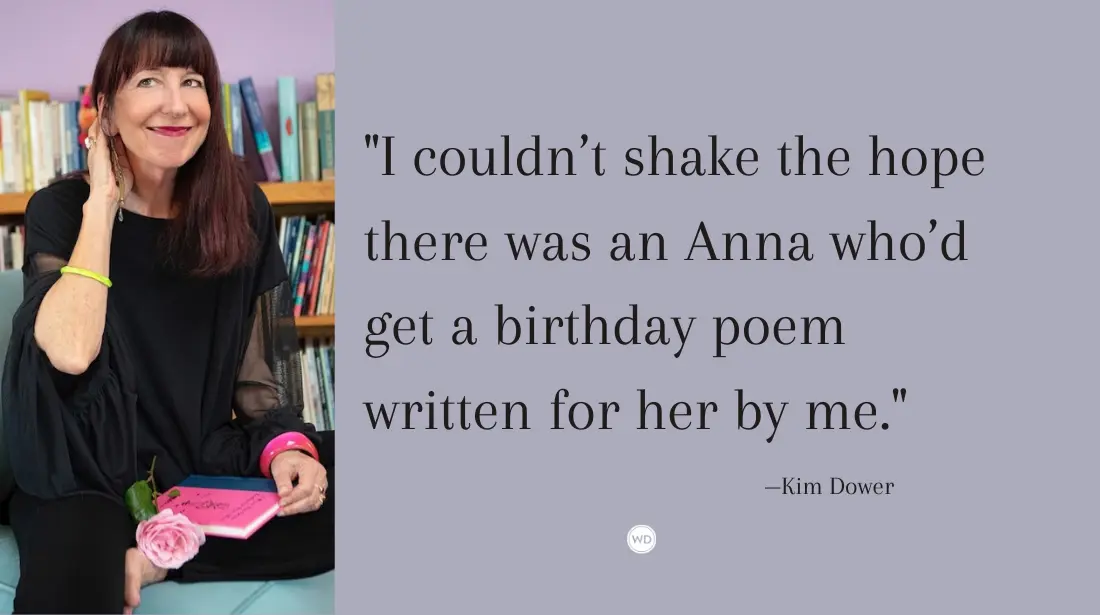
In the ecosystem of contemporary literature, poetry has long existed as a labor of love rather than a path to financial prosperity. As the late poet Thomas Lux famously quipped, when it comes to securing an advance or royalties for a volume of verse, “15% of nothing is nothing.” Literary journals may occasionally disburse modest honorarium fees of $50 or $100, but the primary currency of the craft remains the intrinsic satisfaction of artistic creation, personal exploration, and the pursuit of emotional truth.
However, the intersection of digital social media platforms and the vulnerable idealism of creative professionals has birthed a novel threat vector: targeted financial scams masquerading as legitimate artistic commissions. This report details a recent incident wherein a poet was approached via Instagram by a fictitious user named "Eva," who offered a lucrative $500 commission to compose a bespoke birthday poem for a 10-year-old child named Anna.
While initially veiled as an exciting professional breakthrough for an art form rarely associated with high-paying commercial work, the interaction ultimately unraveled into a classic check-forging and bank-fraud scheme. This case study examines the mechanics of the social engineering tactics employed against creative writers, the psychological factors that leave poets susceptible to such stings, and the broader implications for artists navigating the digital marketplace.
Read Also
Detailed Chronology
The Approach: An Unlikely Direct Message
The interaction began on Instagram, a platform increasingly utilized by writers, visual artists, and performers to cultivate audiences and display their portfolios. An account operated by an individual identifying as "Eva" initiated contact with a direct message proposing an unexpected collaboration. Eva asked if the poet would be willing to write an original poem for her daughter’s 10th birthday, record a video of themselves reciting the verse, conclude the recording with a personalized birthday greeting ("Happy Birthday Anna"), and accept a fee of $500.
For a practitioner accustomed to nominal pay rates or unpaid publication credits, the proposal was both flattering and financially anomalous. Cautious yet intrigued, the poet requested a telephone conversation to discuss the parameters of the commission. Eva declined the call, maintaining communication exclusively through the platform’s messaging interface. She specified a strict deadline, noting that her daughter would turn 10 on September 21st, and requested that the video be delivered a day or two prior.
Crafting "Aqua Girl"
Sensing an unusual prompt, the poet pressed for additional details to ensure the work possessed genuine emotional resonance rather than generic sentimentality. When asked why they had selected this particular writer, Eva provided superficial details: her daughter’s name was Anna, her favorite color was blue, her favorite food was macaroni and cheese, her favorite television program was PJ Masks, her best friend was a Chihuahua named Maxxy, and she was an avid swimmer whom family members affectionately nicknamed "Aqua Girl."
Despite the generic nature of the prompt, the imagery of a swimming Chihuahua and the moniker "Aqua Girl" sparked creative inspiration. Over the course of several hours, the poet composed, revised, and polished the verse. A colleague was enlisted to film a 38-second video reading of the poem. Because the pronunciation of the child’s name remained ambiguous (whether pronounced "Uh-nna" or "An-na"), the poet thoughtfully recorded two distinct versions.
The Payment Impasse and Red Flags
With the creative labor complete, the poet inquired about payment via Zelle, a common peer-to-peer digital payment network. Eva pivoted immediately, stating that her business checking account did not support third-party applications and that she could only pay via physical paper check. She requested the poet’s mailing address, adding instructions that once the check arrived, it could be scanned digitally via a banking smartphone application for immediate deposit.
This logistical pivot introduced the core mechanics of the fraudulent scheme. The poet engaged in a prolonged exchange regarding banking apps and deposit methods before turning to financial institutions for verification.
Bank Verification and Discovery of Fraud
On a Saturday afternoon, the poet visited a local bank branch to consult with a customer service representative. After reviewing the Instagram message history, the banking professional immediately identified the interaction as a textbook financial scam.
The representative explained that the perpetrator’s objective was to acquire the victim’s banking credentials and routing information through fraudulent check-clearing maneuvers. By depositing a fabricated or compromised check and subsequently transferring funds or purchasing digital assets, the victim becomes legally and financially implicated in the negotiation of bad paper, frequently leaving their accounts vulnerable to total compromise.
Following the bank’s directives, the poet immediately blocked the user on Instagram, reported the account for fraudulent activity, and ceased all communication. Though no direct monetary loss was sustained beyond the uncompensated hours spent writing the poem, the psychological impact—the realization that even obscure artistic labor could become a target for exploitation—left a lasting impression.
Supporting Context & Metrics
The Economics of Poetry
To understand why a $500 commission held such magnetic appeal, one must examine the baseline economics of contemporary poetry. Industry data highlights a stark financial reality:
- Direct Compensation: The vast majority of literary magazines operate on non-profit models, offering contributors "payment in copies" rather than financial remuneration. Journals that do pay typically disburse between $10 and $50 per poem.
- Book Royalties: Standard poetry book contracts with independent presses rarely yield advances. Royalties often hover around 5% to 10% of net sales after production costs are recouped, resulting in annual earnings that rarely cover the cost of a single dinner out.
- Readings and Events: While poets frequently enjoy live readings, audience sizes can vary wildly. Venues frequently lack robust promotional budgets, leading to sparse attendance that relies heavily on the poet’s own promotional efforts.
Digital Social Engineering Trends
Cybersecurity analysts note a sharp rise in targeted social engineering attacks aimed at micro-influencers, independent creators, and niche artists. Unlike broad phishing campaigns that blanket thousands of email addresses with generic demands, these tailored stings leverage the psychological profile of specific professions:
- The Flattery Vector: Scammers research a target’s published work to craft plausible-sounding compliments, lowering the victim’s critical guard.
- The Artificial Urgency: Imposing tight deadlines (such as an impending birthday) prevents the victim from pausing to consult peers, legal counsel, or financial advisors.
- The Logistical Friction: Insisting on complex or archaic payment methods (such as physical checks paired with mobile app deposits) creates confusion that masks unauthorized access attempts.
Official Statements and Expert Analysis
Financial security experts and consumer protection advocates emphasize that creative professionals are increasingly viewed as high-value targets by fraudsters exploiting the gig economy.
"Fraudsters understand that independent artists and writers operate outside traditional corporate structures and corporate compliance guardrails," explains Sarah Jenkins, a senior financial crimes analyst. "By dangling a commission that feels both financially significant and artistically validating, perpetrators exploit the natural human desire for professional recognition. The victim is so focused on the creative validation that they miss the glaring operational anomalies in the payment process."
Consumer protection bureaus consistently advise digital content creators to adhere to strict verification protocols:
- Verify Client Identity: Independent creators should request official business credentials, verified website domains, or invoices generated through established, verifiable accounting platforms.
- Secure Upfront Retainers: Standard professional practice dictates that custom creative commissions require a non-refundable deposit or full payment prior to the delivery of final digital assets or master files.
- Avoid Alternative Deposit Methods: Any transaction that requires unusual workarounds—such as mobile-depositing checks from unknown business accounts before funds are formally cleared—should be treated as an immediate indicator of potential check-kiting or account takeover fraud.
Future Outlook
As generative artificial intelligence tools and sophisticated social automation software continue to evolve, the landscape of online scams targeting creative workers is projected to grow increasingly complex. Fraudsters will likely deploy automated scripts capable of scraping literary journals, poetry blogs, and social media feeds to generate hyper-personalized engagement messages at scale.
For the poetry community, this incident serves as both a cautionary tale and a reminder of the unique vulnerabilities inherent in artistic practice. While the digital age offers unprecedented avenues for poets to share their work, it simultaneously demands heightened vigilance against bad actors seeking to monetize the goodwill and creative dedication of writers.
As for the uncollected manuscript left in the wake of the Instagram sting, the poet remains optimistic about the resilience of the art form. The composition "Aqua Girl"—born out of a fraudulent prompt—stands as a testament to the generative power of the imagination, even when directed toward a phantom audience. Future commissions, however, will undoubtedly require cash-in-hand before the pen touches the page.

Comments
Facebook App ID not configured. Please add it in the Customizer.