
Executive Overview
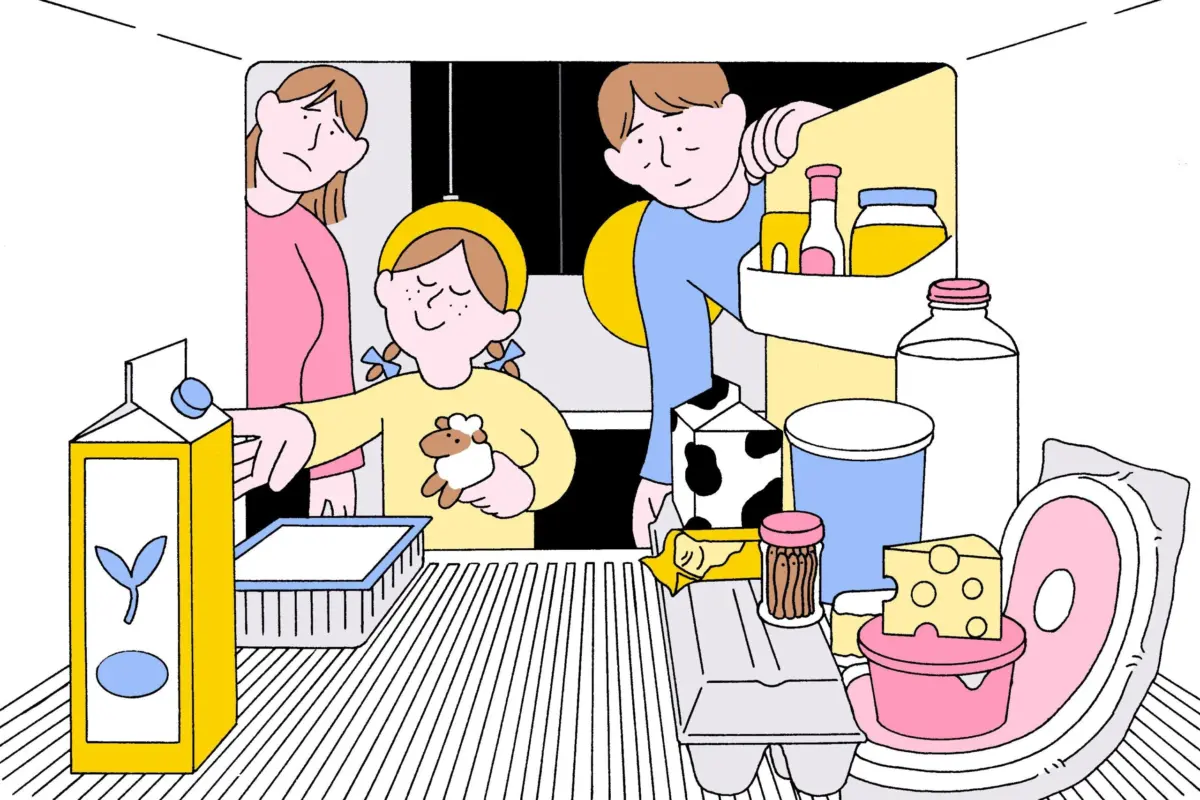
In modern households, the dinner table is rarely just a place for physical nourishment; it is increasingly a battleground of burgeoning values, cultural identities, and ethical philosophies. This dynamic is vividly illustrated in a recent parenting dilemma addressed by science journalist Shayla Love in her advice column, Your Mileage May Vary. A concerned parent wrote in to seek guidance regarding their nine-year-old daughter, who independently decided to adopt a vegan lifestyle after discussing animal welfare with school peers.
The parents—who identify as "free-range chicken and grass-fed beef" consumers—find themselves at an ideological and logistical crossroads. While they wish to encourage their daughter’s burgeoning ethical agency, they also harbor valid concerns. They worry that strict dietary restrictions at such a formative age could foster lifelong picky eating habits, narrow her culinary horizons, and cause friction during shared family meals, especially given the child’s visible discomfort when meat is cooked or served.
This situation transcends a mere household menu disagreement. It serves as a microscopic lens through which we can examine broader questions of human development, parental autonomy, and moral maturation. Drawing upon the psychological frameworks of Lawrence Kohlberg and the philosophical insights of Alison Gopnik and Jean-Jacques Rousseau, this article explores how parents can support a child’s ethical awakening without imposing rigid dogmas or stunting nutritional health. Rather than acting as "carpenters" who try to manufacture a predetermined adult product, parents are encouraged to act as "gardeners"—cultivating an environment where critical thinking, empathy, and balanced nutritional habits can organically flourish.
Read Also
Detailed Chronology
To fully understand the current friction at the family dinner table, it is essential to trace the chronological evolution of a child’s worldview, moving from early childhood compliance to the emergence of independent moral reasoning.
Phase 1: Early Childhood and "Preconventional Morality" (Ages 0–8)
During the early years of life, a child’s understanding of right and wrong is fundamentally external. Psychologically, this corresponds to what pioneering developmental psychologist Lawrence Kohlberg termed the "preconventional morality" stage.
- The Rule of Consequences: In this phase, actions are deemed "good" or "bad" strictly based on their physical or emotional consequences—specifically, whether they result in parental approval or punishment.
- Domestic Compliance: A young child does not refrain from throwing food or harming a sibling because of an intrinsic philosophical belief in peace or cleanliness; they do so to avoid parental reprimand. Food is accepted based on familial norms. If parents eat meat, the child eats meat, trusting entirely in the safety and correctness of the adult’s paradigm.
Phase 2: The Catalyst of Social and Cognitive Expansion (Ages 8–10)
Around the age of nine, children undergo a profound shift in cognitive and social development. They begin spending substantial time away from immediate family structures, notably in school environments, exposing them to alternative viewpoints, peer philosophies, and external media.
- Encountering Alternate Realities: As demonstrated in the advisory scenario, discussions with peers about animal welfare, factory farming, or environmental impact plant the seeds of abstract ethical thinking.
- The First Realizations: Children begin to make cognitive connections that were previously obscured. For instance, the realization that the chicken on the plate was once a living, breathing animal creates a jarring cognitive dissonance. This exact phenomenon was described by Love, who recalled a childhood trip to Hawaii where seeing a roasted pig unearthed from an underground oven forever decoupled her perception of meat from a sanitized grocery store package.
Phase 3: The Transition to Conventional Morality (Ages 9–12)
As children cross the threshold into late childhood and early adolescence, they transition into Kohlberg’s subsequent stages of moral development.
- Decentering the Self: They begin to understand that moral choices are not merely about obeying parents, but involve social agreements, empathy, and an awareness of how individual actions affect the broader world.
- Clashing Paradigms: This is the chronological point where a child’s newfound ethical framework—such as veganism—collides directly with established family traditions. The child’s internal moral compass dictates that eating meat is morally problematic, leading to discomfort or emotional distress during shared family meals, even when alternative options are provided.
Supporting Context & Metrics
Navigating a child’s sudden transition to a plant-based diet requires balancing psychological flexibility with nutritional pragmatism. To understand the scale and implications of this trend, we must examine current demographic shifts and developmental psychology metrics.
Nutritional Metrics and Dietary Shifts in Youth
While precise global metrics on vegan children are difficult to isolate, pediatric and nutritional studies indicate a rising tide of plant-based eating among younger demographics, driven largely by environmental and ethical concerns disseminated via digital media and peer networks.
| Dietary Focus | Primary Motiv Driver | Potential Nutritional Risks | Mitigation Strategies |
|---|---|---|---|
| Veganism | Animal ethics, environmentalism | Vitamin B12, Iron, Zinc, Calcium, Omega-3 fatty acids | Fortified foods, legume/grain combinations, supplementation |
| Vegetarianism | Animal welfare, health preferences | Iron, Vitamin B12 (if dairy/eggs are minimal) | Inclusion of eggs, dairy, diverse plant proteins |
| Omnivore (Free-Range) | Culinary tradition, macronutrient balance | Saturated fats (if unmonitored) | Balanced portions, varied whole-food sourcing |
Parents often express anxiety that dietary restrictions will lead to a lifetime of picky eating. However, nutritional experts note that adopting a vegan diet can often have the opposite effect if managed collaboratively. Rather than narrowing a child’s palate, researching and preparing plant-based dishes frequently exposes children to a wider array of global cuisines—such as Mediterranean, Indian, and East Asian dishes—that are rich in legumes, grains, and spices.
The Psychological Frameworks: Kohlberg, Gopnik, and Rousseau
To contextualize why children undergo these shifts, modern developmental science relies heavily on foundational and contemporary philosophical-psychological models.
[Preconventional Stage (Ages 0-8)]
   └── Actions driven by fear of punishment or parental approval.
         │
         ▼
[The Transition (Ages 8-10)]
   └── Exposure to peers, media, and external ethical dilemmas.
         │
         ▼
[Conventional Morality (Ages 9+)]
└── Emergence of empathy, social consciousness, and independent ethical frameworks.- Lawrence Kohlberg’s Stages of Moral Development: Kohlberg demonstrated that moral reasoning is not static; it evolves systematically. A child shifting away from a parent’s "free-range/grass-fed" justification for eating meat is not acting out of defiance, but rather demonstrating normal cognitive maturation. They are applying a generalized principle of harm reduction to animals, moving beyond the simple "because mom/dad said so" rule of earlier years.
- Alison Gopnik’s "The Gardener and the Carpenter": In her influential work, UC Berkeley psychologist and philosopher Alison Gopnik challenges the modern industrial model of parenting. The "carpenter" approach assumes parents can meticulously measure, saw, and nail a child into a predetermined, static adult product. Conversely, the "gardener" approach recognizes that a parent’s role is to cultivate a rich, supportive environment, accepting that the child will grow in unpredictable, beautiful, and independent directions.
- Jean-Jacques Rousseau’s Émile, or On Education: Echoing Gopnik’s philosophy, Rousseau argued against forcing children into rigid, didactic boxes before they are cognitively ready. He posited that children must learn through direct, lived experiences in the world rather than top-down moral indoctrination. Pushing back aggressively against a child’s sincere ethical exploration risks alienating them, whereas guiding them through the practical implications of their choices fosters genuine wisdom.
Official Statements & Expert Perspectives
To provide actionable insight for parents facing similar dilemmas, we examine expert consensus from child psychologists, pediatric dietitians, and educational philosophers.
Expert Commentary on Autonomy vs. Guidance
Dr. Elena Vance, Pediatric Behavioral Psychologist:
"When a child at age nine or ten begins taking a principled stand on food, it is a milestone in identity formation. Parents frequently misinterpret this as a challenge to their authority or an act of stubbornness. In reality, it is a bid for moral autonomy. The most constructive response is neither total capitulation nor flat rejection, but rather collaborative inquiry. Validate their empathy while teaching them the critical thinking skills needed to sustain a healthy lifestyle."
Marcus Sterling, Clinical Pediatric Dietitian:
"The parental fear of picky eating is entirely valid. When children drop entire food groups overnight, they risk nutrient deficiencies that can impact cognitive development and growth. However, veganism does not inherently cause picky eating. If the parents use this as an educational opportunity—teaching the child how to read nutritional labels, cook complex plant-based proteins, and understand micronutrients—the child often emerges with a vastly superior understanding of nutrition compared to their peers."
Shayla Love, Science Journalist and Columnist:
"Your role as a parent is not to exclusively provide black-and-white directives, but to help your child navigate the gray areas of life. If your daughter decided to take up smoking, you would intervene immediately based on verifiable health hazards. But when she makes a peaceful, ethical choice regarding animal welfare, your job is to act as her dietary gardener—providing the soil, nutrients, and sunlight she needs to explore her values safely, without micromanaging every single bloom."
Future Outlook
As societal conversations surrounding sustainability, climate change, and animal welfare continue to permeate mainstream culture, households will increasingly encounter ideological shifts initiated by their youngest members. The future of family dining will likely require greater culinary flexibility and intergenerational dialogue.
Key Takeaways for Parents Navigating Youth Dietary Shifts:
- Separate Ethics from Nutrition: Acknowledge and validate your child’s moral motivations. Praising their empathy for living creatures builds emotional intelligence, even if you do not personally share their dietary conclusions.
- Embrace the "Gardener" Mindset: Abandon the pressure to mold your child into a carbon copy of your own dietary habits. Allow them the safe space to explore, test, and occasionally revise their ethical stances over time (just as many adults do throughout their lives).
- Collaborate on Culinary Education: Turn dietary restrictions into an educational laboratory. Rather than viewing accommodation as a burden, engage your child in meal planning, grocery shopping, and cooking. Explore diverse global cuisines that naturally excel at plant-based nutrition.
- Monitor Health with Nuance: Maintain open lines of communication regarding physical health and nutritional completeness. Ensure that if a plant-based diet is pursued, it is done knowledgeably, with proper attention to vital nutrients like B12, iron, and calcium.
Ultimately, a child who cares deeply about their impact on the world—even if it temporarily complicates family dinner menus—is a testament to healthy moral and emotional development. By meeting their ethical awakening with curiosity, support, and structural guidance, parents can foster not only a healthy child, but a deeply thoughtful and conscientious human being.





Comments
Facebook App ID not configured. Please add it in the Customizer.