In an era dominated by hyper-curated social media feeds, narrow aesthetic standards, and pervasive algorithmic messaging, teaching children to love, respect, and appreciate their physical and emotional selves has never been more critical. Long before children reach adolescence, they begin absorbing societal messages regarding size, shape, ability, and cultural presentation. To combat these unrealistic expectations, educators, parents, and literary advocates are increasingly turning to children’s literature as a foundational tool for early intervention, body affirmation, and emotional resilience.
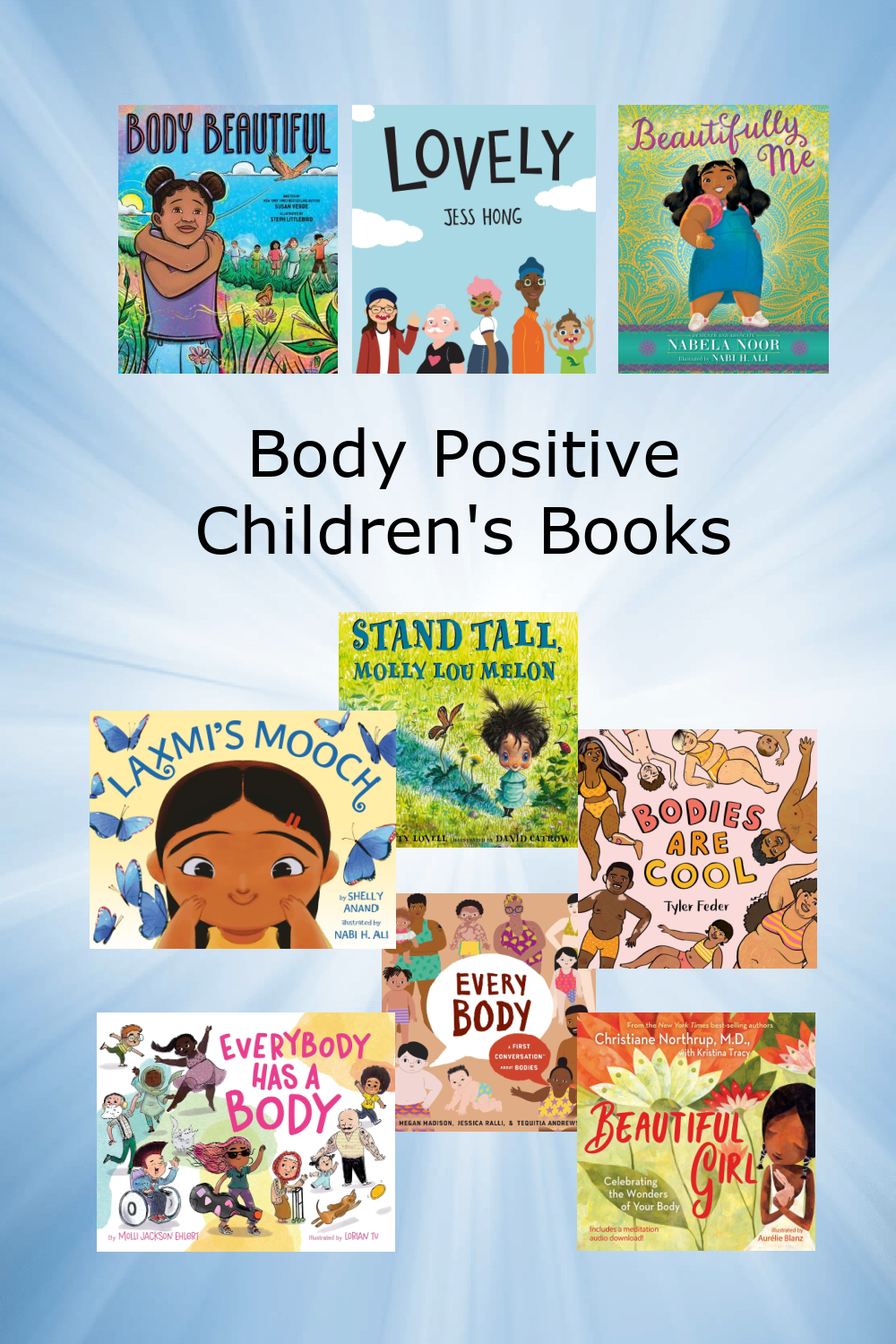
Inspired by Susan Verde’s poignant picture book Body Beautiful, this comprehensive literary review examines a curated collection of picture books and middle-grade novels. These works transcend mere entertainment; they serve as critical pedagogical frameworks designed to foster body positivity, dismantle ableism, challenge fatphobia, celebrate cultural diversity, and promote inclusive self-worth from toddlerhood through middle school.
Detailed Chronology: A Developmental Path of Body-Positive Literature
Navigating body image requires age-appropriate resources that grow alongside a child’s cognitive and social development. The selected titles span targeted age groups, tracing a chronological roadmap from early toddlerhood through middle-grade independence.
Early Foundations: Toddlers and Preschoolers (Ages 2–3)
At the earliest stages of development, children begin to notice physical differences among peers and family members. Books aimed at this developmental window focus on joyous inclusivity and foundational self-acceptance.
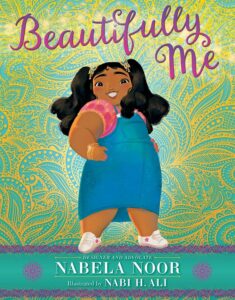
Beautifully Me by Nabela Noor, illustrated by Nabi H. Ali
Target Audience: Ages 2 and up
Overview: Zubi is thrilled for her first day of school, but her excitement is dampened when she overhears negative self-talk from her family members regarding their bodies. When schoolyard comments mirror this negativity, Zubi attempts to diet, shocking her family into recognizing the impact of their words. The narrative shifts toward powerful accountability, apologies, and a celebration of Zubi’s name, which means "loving and understanding."
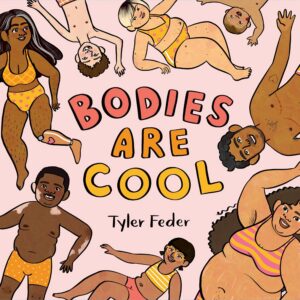
Bodies Are Cool by Tyler Feder
Target Audience: Ages 2 and up
Overview: A vibrant, celebratory read-aloud designed for enthusiastic chanting with young children. Feder’s work showcases an expansive spectrum of physical forms, ensuring that every type of body is visibly included and normalized as inherently "cool."
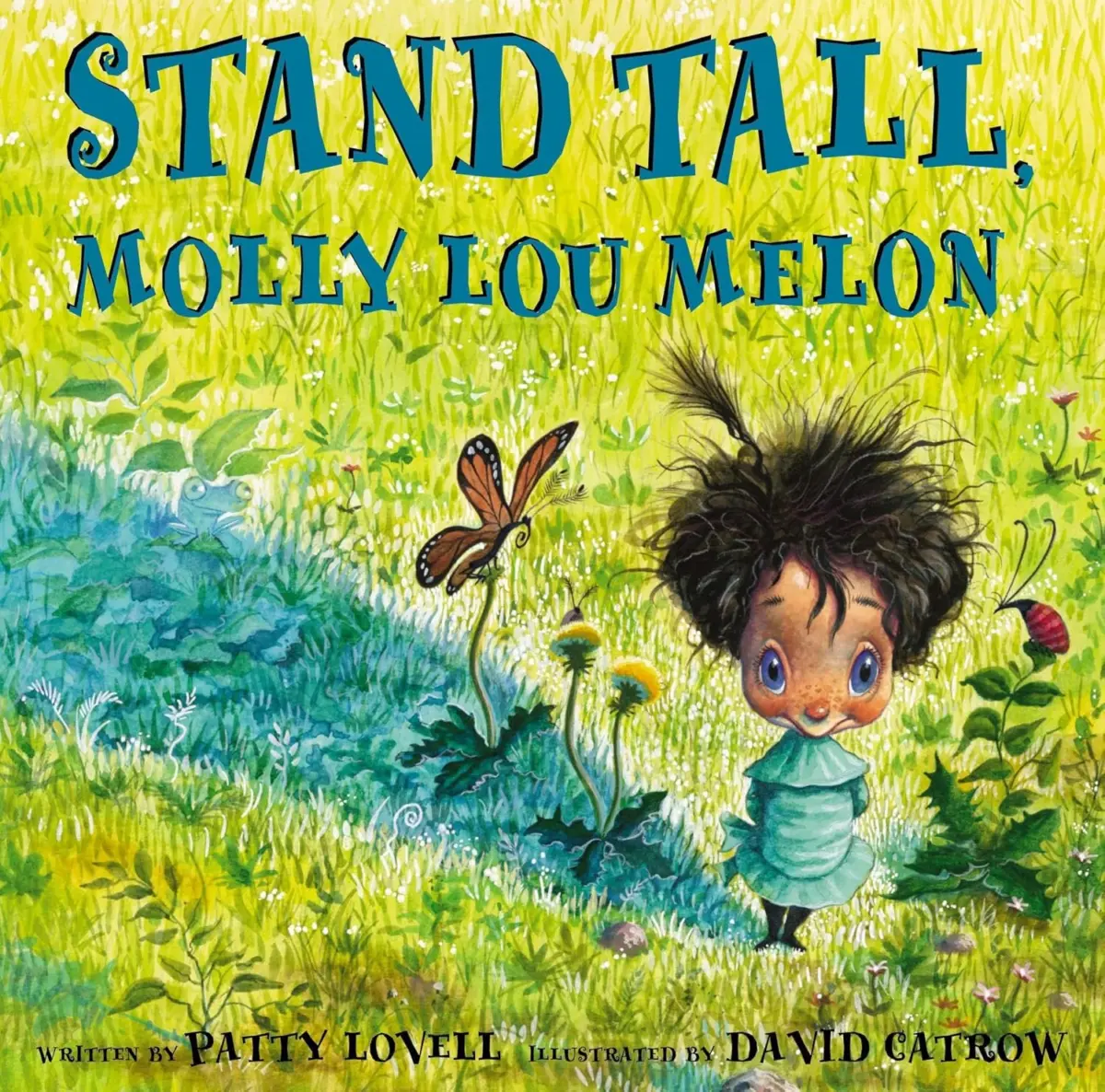
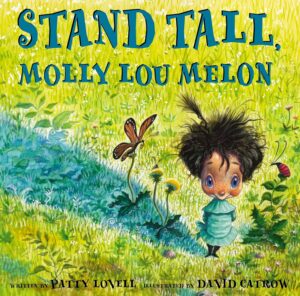
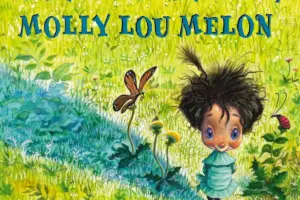
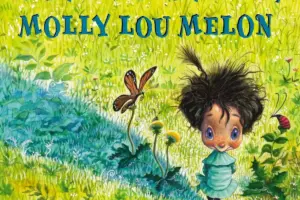
Stand Tall, Molly Lou Mellon by Patty Lovell, illustrated by David Catrow
Target Audience: Ages 2 and up
Overview: Grounded in the wisdom of Grandma Melon, small-statured, buck-toothed Molly Lou learns to embrace her unique traits. When confronted with a school bully, Molly Lou leverages her internal confidence, strong voice, and joyful smile to disarm negativity and win over her peers.
Expanding Horizons: Early Childhood (Ages 3–5)
As children enter preschool and kindergarten, their social circles expand, making conversations around diversity, equity, and bodily autonomy vital.
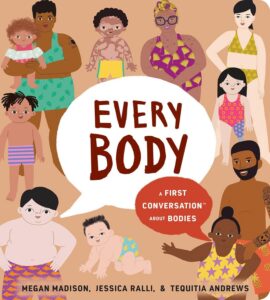
Every Body: A First Conversation about Bodies by Megan Madison and Jessica Ralli, illustrated by Tequitia Andrews
Target Audience: Ages 3 and up
Overview: Taking a serious, didactic approach, this primer introduces preschoolers to complex sociological concepts. It provides structured language to discuss ableism, body diversity, disability justice, fatphobia, and body affirmation.
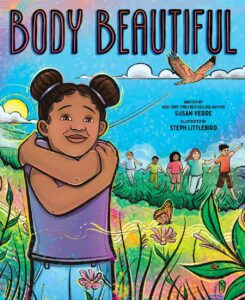
Body Beautiful by Susan Verde, illustrated by Steph Littlebird
Target Audience: Ages 4 and up
Overview: Serving as the foundational inspiration for this literary compilation, Verde and Littlebird reframe the body not as an ornament to be judged, but as a functionally magnificent, expressive, wise entity deserving of unconditional love.
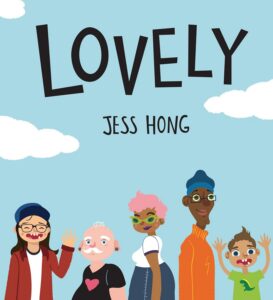
Lovely by Jess Hong
Target Audience: Ages 4 and up
Overview: Utilizing sparse, powerful text and striking visual design, Hong broadens the definition of "lovely" to encompass everyone, celebrating uniqueness, weirdness, and radical inclusion.
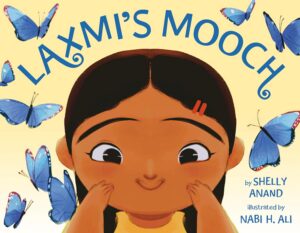
Laxmi’s Mooch by Shelly Anand, illustrated by Nabi H. Ali
Target Audience: Ages 4 and up
Overview: When classmates point out Laxmi’s mustache hairs, she experiences initial embarrassment. Supportive parental messaging at home reveals that natural body hair is universal, empowering Laxmi to return to school the next day as a confident advocate for her peers.
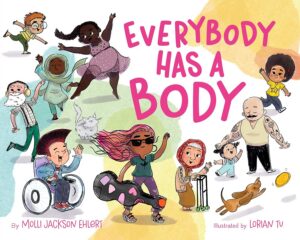
Every Body Has a Body by Molli Jackson Ehlert, illustrated by Lorian Tu
Target Audience: Ages 4 and up
Overview: This title centers on somatic functionality. By emphasizing what bodies do—such as moving us through the world—rather than how they look, the book centers physical capability and universal human commonalities.
Eyes that Kiss in the Corners by Joanna Ho, illustrated by Dung Ho
Target Audience: Ages 4 and up
Overview: A young Taiwanese girl recognizes that her eyes differ from the westernized standards around her. By connecting her features to the powerful women in her family—her mother, grandmother, and sister—she discovers cultural pride, self-love, and empowerment.
The Big Bath House by Kyo Maclear, illustrated by Gracey Zhang
Target Audience: Ages 4 and up
Overview: Set in a steamy Japanese public bathhouse, this story celebrates women of all ages and body types. From sprouting, gangly youth to jiggly, saggy, and ancient frames, every body is honored in a joyful communal space.
The Ouchiest Words by Debbie Min, illustrated by Putri Ayu Sekarmentari
Target Audience: Ages 4 and up
Overview: Tackling anti-Asian bullying, this book follows Nari as she learns coping strategies, positive self-talk, and resilience after facing hurtful comments and gestures from a peer named Zach.
A Kids Book About Body Image by Rebecca Alexander
Target Audience: Ages 5 and up
Overview: Written by the founder of AllGo (a platform rating public accessibility for plus-size individuals), this nonfiction picture book encourages adult-child dialogue. Alexander transparently addresses her own struggles with weight, media pressures, and the journey toward self-acceptance.
Advanced Readers: Early Elementary to Middle Grade (Ages 5–8+)
As children mature into early and middle childhood, literary themes expand to include systemic accessibility, growth mindsets, reframing, and cultural microaggressions.
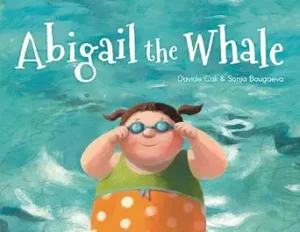
Abigail the Whale by Davide Cali, illustrated by Sonja Bougaeva
Target Audience: Ages 5 and up
Overview: Dubbed a "whale" in swimming class due to her splash, Abigail learns the power of cognitive reframing from her coach. By imagining herself light like a fish, kangaroo, or bird, Abigail harnesses positive thinking and empathy to conquer the high dive.
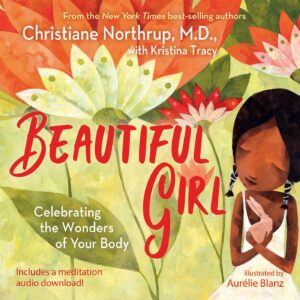
Beautiful Girl: Celebrating the Wonders of Your Body by Christiane Northrup, M.D. and Kristina Tracy, illustrated by Aurelie Blanz
Target Audience: Ages 5 and up
Overview: Functioning as a gentle precursor to adolescent developmental talks, this book employs inspirational metaphors to help young girls understand and celebrate their changing physiology.
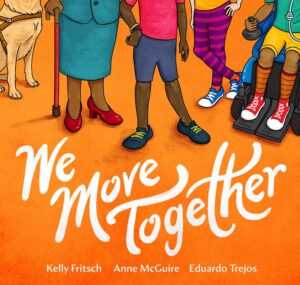
We Move Together by Kelly Fritsch and Anne McGuire, illustrated by Eduardo Trejos
Target Audience: Ages 6 and up
Overview: Centering disability justice, this picture book explores ableism and accessibility, emphasizing that communities are powerful not despite their complexities, but because of them, leaving no body behind.
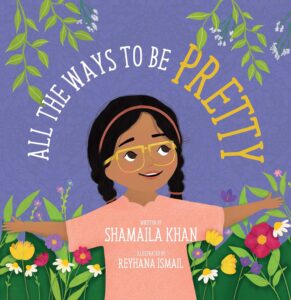
All the Ways to Be Pretty by Shamila Khan, illustrated by Reyhana Ismail
Target Audience: Ages 7 and up
Overview: Written specifically to guide Muslim parents and daughters in redefining beauty, Khan emphasizes inner attributes such as intelligence, bravery, piousness, resiliency, and kindness over physical conformity.
The Comeback: A Figure Skating Novel by E.L. Chen
Target Audience: Ages 8 and up (Middle Grade)
Overview: Maxine, a young skater navigating cultural identity and school pressures, attempts to alter her appearance with adhesive to fit narrow beauty standards. Supported by an older mentor and swift administrative intervention against bullying, Maxine journeys toward authentic self-worth amid athletic competition.
Supporting Context & Metrics: The Sociological Imperative of Body Positivity
The necessity of integrating body-positive literature into early childhood education is underscored by growing psychological and public health research. According to studies highlighted by organizations focused on youth development and mental health:
Early Onset of Body Dissatisfaction: Research indicates that children as young as age six begin expressing dissatisfaction with their body shapes and sizes, heavily influenced by media exposure, peer comments, and familial conditioning.
The Role of Representation: Diverse representation in literature—spanning racial backgrounds, body sizes, physical abilities, and cultural nuances—directly correlates with improved self-esteem and reduced instances of internalized bias among young readers.
Preventative Interventions: Experts emphasize that proactive literary discussions surrounding body neutrality, disability justice, and fat activism act as psychological buffers, significantly lowering the risk of disordered eating and anxiety disorders in later developmental stages.
Official Statements and Literary Advocacy
Authors, educators, and advocates continue to champion the transformative power of inclusive storytelling.
"All bodies are unique and essential. All bodies are whole. All bodies have strengths and needs that must be met. We are powerful not despite the complexities of our bodies, but because of them. We move together, with no body left behind. This is disability justice."
— Aurora Levine Morales and Patty Berne (as featured in We Move Together by Kelly Fritsch and Anne McGuire)
Literary critic insights further validate this mission. Reviewing E.L. Chen’s The Comeback, Ms. Yingling Reads noted:
"This is on trend with books depicting the experiences of students from different cultural backgrounds and their treatment in school… The story moves quickly, with a good mix of sport and everyday life."
Furthermore, public figures and creators like Rebecca Alexander emphasize that dismantling harmful societal standards requires radical transparency from adults. By acknowledging personal struggles with body image in literature, creators model vulnerability and authentic healing for young readers.
Future Outlook: The Evolution of Inclusive Children’s Publishing
As the publishing landscape continues to evolve, the demand for authentic, diverse, and intersectional children’s literature is projected to expand. Publishers, authors, and illustrators are increasingly breaking away from monolithic beauty standards, ensuring that children of all backgrounds, abilities, and physical forms see themselves reflected as whole, powerful, and inherently valuable human beings.
Initiatives such as community book fairs, inclusive teacher guides, and curated reading lists (including ongoing giveaways of foundational texts like Susan Verde’s Body Beautiful) play a vital role in placing these resources directly into the hands of educators, caregivers, and children. By fostering open conversations about body image, empathy, and social justice early in life, society moves closer to a future where every child can stand tall, embrace their uniqueness, and navigate the world with unshakeable self-worth.


Comments
Facebook App ID not configured. Please add it in the Customizer.